
 한국어
한국어 English
 日本語
日本語 中文(简体)
 Viewing nowCombination
Paincol Tablet
Acetaminophen 200mg · Anhydrous Caffeine 12.5mg +4 more
Tablet · OTC medication · Combination
Chodang Pharmaceutical Co., Ltd.
MFDS item code 202301638 · Notified 2023.05.23
Relief of symptoms of cold (runny nose, nasal congestion, etc.)
This medication helps relieve cold symptoms such as runny nose, nasal congestion, sneezing, sore throat, cough, sputum, as well as systemic symptoms like chills, fever, headache, joint pain, and muscle pain. Patients should understand that this drug is effective in reducing discomfort caused by colds and in regaining vitality for daily life. Therefore, it is used for the relief of cold symptoms.
For individuals 15 years and older: take 2 tablets once, three times a day, after meals for 30 minutes.
For children over 7 years to under 15 years: take 1 tablet once, three times a day, after meals for 30 minutes. Children (7 years or younger): not recommended.
This drug may cause liver damage in individuals who regularly consume more than three glasses of alcohol daily, so it is essential to consult with a doctor or pharmacist. Additionally, the acetaminophen ingredient in this drug may rarely cause severe skin reactions; if a rash or allergic reaction occurs, discontinue use immediately. The maximum daily dose of acetaminophen is 4,000 mg, and one should not take this drug in conjunction with other acetaminophen-containing products, making sure not to exceed the dose. Those with allergies to this drug or its components, those who have experienced asthma attacks, infants younger than three months, or those taking certain antidepressants or antipsychotics should not take this drug. While taking this medication, it is advised not to take cough suppressants, other cold medications, antipyretic analgesics, sedatives, or antihistamines concurrently. Infants infected with chickenpox or influenza, children under 15 years of age, individuals with specific allergic predispositions, and those with liver, kidney, or heart conditions, pregnant women, or nursing mothers should consult a specialist before use. If symptoms like rash, vomiting, swelling, or dizziness appear after taking the medication, discontinue use immediately and consult a specialist, as serious symptoms such as anaphylaxis, severe skin disorders, exacerbation of asthma, and liver dysfunction may occur, hence caution is needed. Children under two years of age should generally not be given this medication unless in special circumstances, and the prescribed dosages must be strictly followed. Avoid long-term use, refrain from alcohol while taking this medication, and since it may cause drowsiness, avoid driving or operating machinery. Additionally, if there are other medications being taken, it is advisable to consult a specialist, as combining with certain drugs may increase side effects.
Hives, severe swelling (edema), tightness in the chest, difficulty breathing, cold sweat, pallor (shock [anaphylaxis]), severe rash with high fever, blisters, peeling skin, pain in mucous membranes of mouth/eyes (Stevens-Johnson syndrome, toxic epidermal necrolysis), asthma attacks, shortness of breath or difficulty breathing, cough with respiratory distress accompanied by high fever (interstitial pneumonia), yellowing of the skin or eyes (jaundice), extreme lethargy (liver function impairment)
Nausea, vomiting, loss of appetite, constipation, swelling, difficulty urinating, excessive or severe thirst, dizziness, anxiety, tremors, insomnia, high anion gap metabolic acidosis (HAGMA), rash, redness, itching
Not everyone experiences these, and they can vary from person to person.
Do not take cough suppressants, other cold medications, antipyretic analgesics, sedatives, or antihistamines while taking this medication. Individuals taking MAO inhibitors used for treating depression or Parkinson's disease, or those who have stopped taking them within the last 2 weeks, should not take this medication. If receiving treatment with diabetic medications, gout medications, arthritis medications, anticoagulants, corticosteroids, etc., consult a doctor or pharmacist.
Do not consume alcohol while taking this medication.
Store this medication in a tightly sealed container to prevent air or moisture from entering, and it is best kept at room temperature between 1 and 30 degrees Celsius. This storage method helps maintain the effectiveness of the medication for a longer period.
White or almost white round film-coated tablet
10 tablets / PT
Even with the same ingredient, strength, dosage form and how it is taken can differ.
Viewing nowCombinationAcetaminophen 200mg · Anhydrous Caffeine 12.5mg +4 more
Tablet · OTC medication · Combination
Chodang Pharmaceutical Co., Ltd.
 Combination
Acetaminophen 200mg · Dextromethorphan Hydrobromide Hydrate 7.5mg +4 more
Hard capsule · OTC medication · Combination
Aprogen Biosystems, Inc.
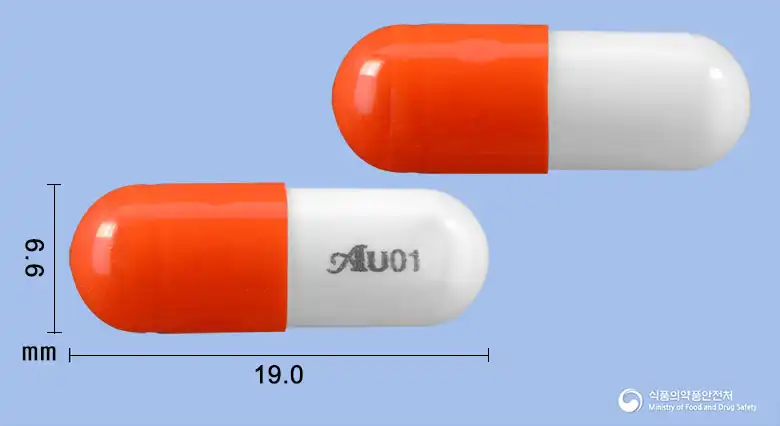 Combination
Acetaminophen 200mg · Dextromethorphan Hydrobromide Hydrate 7.5mg +4 more
Hard capsule · OTC medication · Combination
Austin Pharmaceutical Co., Ltd.
Acetaminophen 1000mg · Chlorpheniramine Maleate 8.3mg +4 more
Syrup · OTC medication · Combination
Genewon Science Co., Ltd.
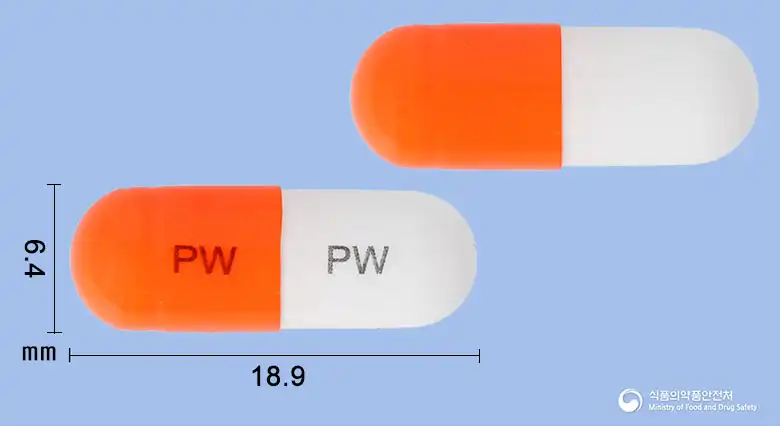 Combination
Acetaminophen 200mg · Dextromethorphan Hydrobromide Hydrate 7.5mg +4 more
Hard capsule · OTC medication · Combination
Jeongwoo Pharmaceutical Co., Ltd.
Acetaminophen 325mg · Chlorpheniramine Maleate 2.5mg +4 more
Syrup · OTC medication · Combination
Daewon Pharmaceutical Co., Ltd.
Acetaminophen 200mg · Anhydrous Caffeine 20mg +4 more
Tablet · OTC medication · Combination
Hansol Pharmaceutical Co., Ltd.
Acetaminophen · Dextromethorphan Hydrobromide Hydrate +4 more
OTC medication · Combination
Bukwang Pharmaceutical Co., Ltd.
Even with the same ingredient, the dose and directions can differ by strength and dosage form. Talk to a doctor or pharmacist before switching from a medication you are already taking.
QAfter taking it, I can't sleep.
Answers 1 · 2026.09.14
QIs it okay to take it on a day when I have a company dinner?
Answers 1 · 2026.09.14
QMy kindergarten child has a cold, is it okay to give it to them?
Answers 1 · 2026.09.14
For anything that needs medical judgment, consult a doctor or pharmacist.
This drug information is based on data provided by the Korea Ministry of Food and Drug Safety.
Consult a doctor or pharmacist for accurate dosage, administration, and usage instructions.