
 한국어
한국어 English
 日本語
日本語 中文(简体)
 Viewing nowCombination
Sildapamil Extended Release Tablets 5/50/750 mg
Sitagliptin Phosphate Hydrate 64.3mg · Dapagliflozin Propanediol Hydrate 6.2mg +1 more
Tablet · Prescription medication · Combination
Hanmi Pharmaceutical Co., Ltd.
MFDS item code 202301625 · Approved 2023.05.22 · Insurance code 643508700
Improvement of blood glucose control in type 2 diabetes
This medication is used to assist in blood glucose control for patients with type 2 diabetes. It is particularly effective when used in combination with dapagliflozin, sitagliptin, and metformin, and better results can be expected when combined with dietary and exercise therapy. This medication helps to manage blood glucose levels stably, aiding in the treatment of diabetes.
For antidiabetic therapy, the recommended dosage of this medication is dapagliflozin at 10 mg, sitagliptin at 100 mg, and the extended release metformin hydrochloride should not exceed 2000 mg, determined based on each patient's current treatment regimen, efficacy, and tolerability. This medication should be taken with dinner once daily to reduce gastrointestinal side effects caused by metformin hydrochloride, and the dosage of metformin should be adjusted incrementally if necessary.
This medication contains sitagliptin, dapagliflozin, and metformin, which are used for the treatment of diabetes. First, the sitagliptin component can rarely cause serious allergic reactions, so if sudden rashes, difficulty breathing, or swelling of the face or neck occur after taking the medication, discontinue use immediately and seek medical care. Additionally, acute pancreatitis, which is inflammation of the pancreas, can occur, so if symptoms like abdominal pain, vomiting, or nausea arise, it is important to visit a hospital promptly. Next, the dapagliflozin component can reduce body fluid volume, potentially lowering blood pressure, thus caution is necessary for patients at risk of dehydration or hypotension. There is an increased risk of genital and urinary tract infections, so prompt treatment is necessary if any symptoms of infection are present. Also, very rarely, serious perineal necrosis, which is damage to skin and tissues, may occur; therefore, if pain, swelling, or redness appears around the genital area, consult medical personnel immediately. The metformin component can very rarely cause lactic acidosis, a serious metabolic disturbance; thus, if symptoms such as severe fatigue, difficulty breathing, or abdominal pain arise, immediate treatment is necessary. Patients with poor liver function or decreased kidney function should limit the use of this medication and undergo regular kidney and liver function tests. Additionally, there is a risk of hypoglycemia, so blood glucose changes should be monitored carefully if meals are skipped or irregular, if vigorous exercise is performed, or if insulin or other diabetes medications are used concurrently. This medication should not be administered to patients who are pregnant or have severe infections, heart failure, or acute myocardial infarction. While taking this medication, it is important to closely observe any changes in health status and to consult a doctor immediately if abnormal symptoms occur.
Rash, severe swelling (edema), chest tightness, difficulty breathing, cold sweat, pallor, anaphylaxis, angioedema, Stevens-Johnson syndrome, exfoliative skin disease, high fever, severe rash, blisters, skin peeling, pain in oral/ocular mucosa, shortness of breath or difficulty breathing, asthma attacks, respiratory abnormalities with cough and fever, jaundice (yellowing of the skin or eyes), profound lethargy, and sudden and severe headaches.
Not everyone experiences these, and they can vary from person to person.
This medication should be stored in a tightly sealed container to avoid exposure to air or moisture. The optimal storage temperature is between 1 degree and 30 degrees Celsius at room temperature. Proper storage will help maintain the efficacy of the medication for a longer duration and ensure safe usage.
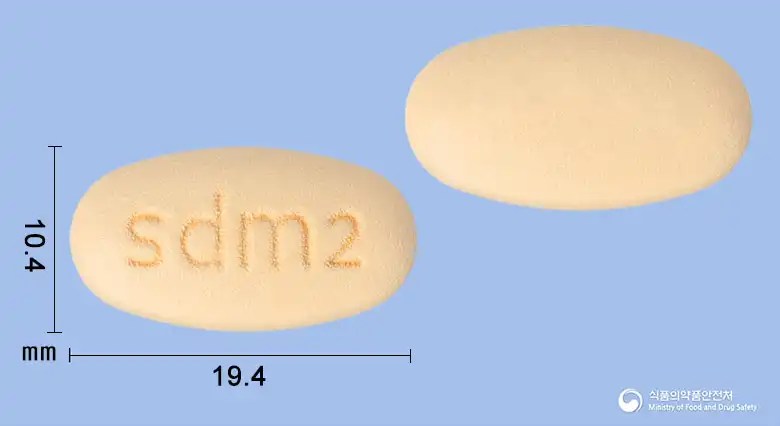
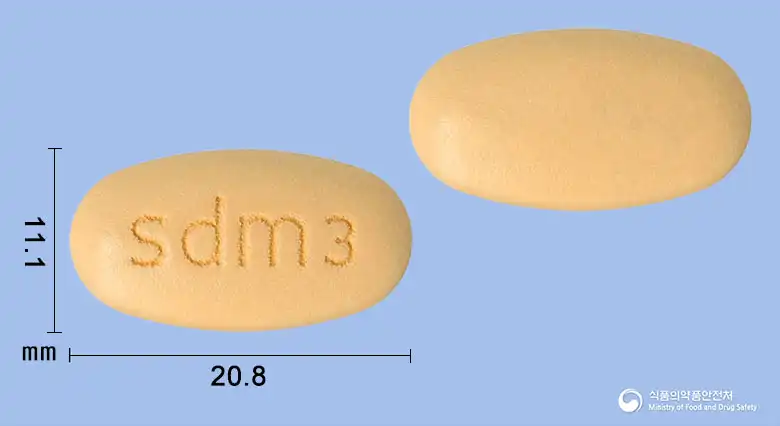
Pale yellow oval-shaped extended release film-coated tablet
30 tablets/bottle
Even with the same ingredient, strength, dosage form and how it is taken can differ.
Viewing nowCombinationSitagliptin Phosphate Hydrate 64.3mg · Dapagliflozin Propanediol Hydrate 6.2mg +1 more
Tablet · Prescription medication · Combination
Hanmi Pharmaceutical Co., Ltd.
 Combination
Sitagliptin Phosphate Hydrate 64.3mg · Dapagliflozin Propanediol Hydrate 6.2mg +1 more
Tablet · Prescription medication · Combination
Hanmi Pharmaceutical Co., Ltd.
 Combination
Sitagliptin Phosphate Hydrate 64.3mg · Dapagliflozin Propanediol Hydrate 6.2mg +1 more
Tablet · Prescription medication · Combination
Hanmi Pharmaceutical Co., Ltd.
 Combination
Metformin Hydrochloride 1000mg · Sitagliptin Phosphate Hydrate 128.5mg +1 more
Tablet · Prescription medication · Combination
Genewon Science Co., Ltd.
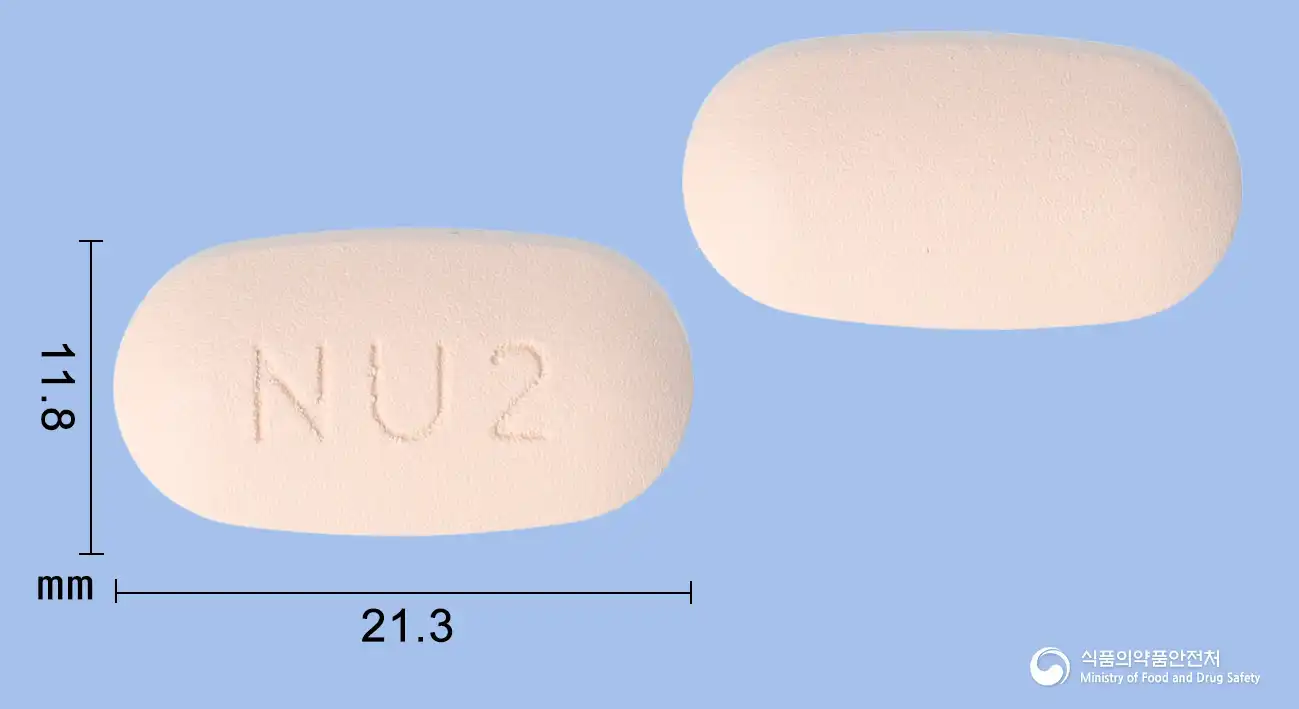 Combination
Metformin Hydrochloride 1000mg · Sitagliptin Phosphate Hydrate 64.25mg +1 more
Tablet · Prescription medication · Combination
Genewon Science Co., Ltd.
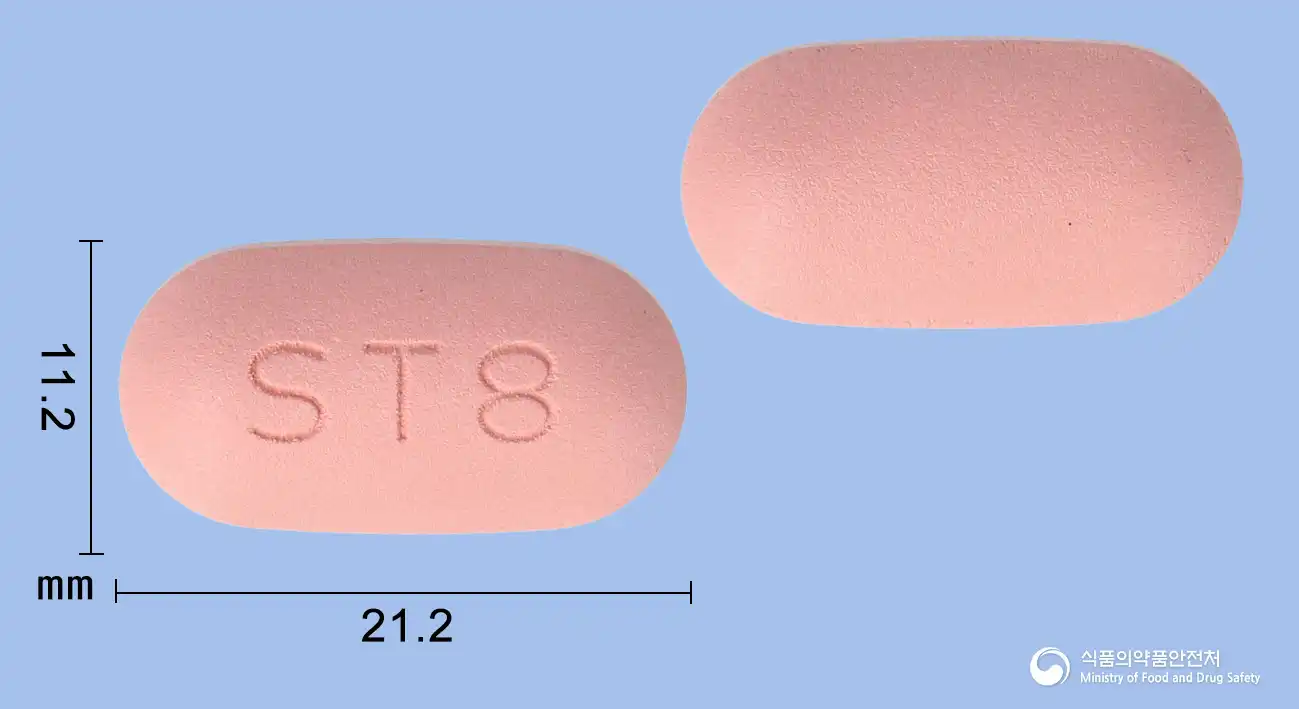 Combination
Metformin Hydrochloride 1000mg · Sitagliptin Phosphate Hydrate 128.5mg +1 more
Tablet · Prescription medication · Combination
Dongkuk Pharmaceutical Co., Ltd.
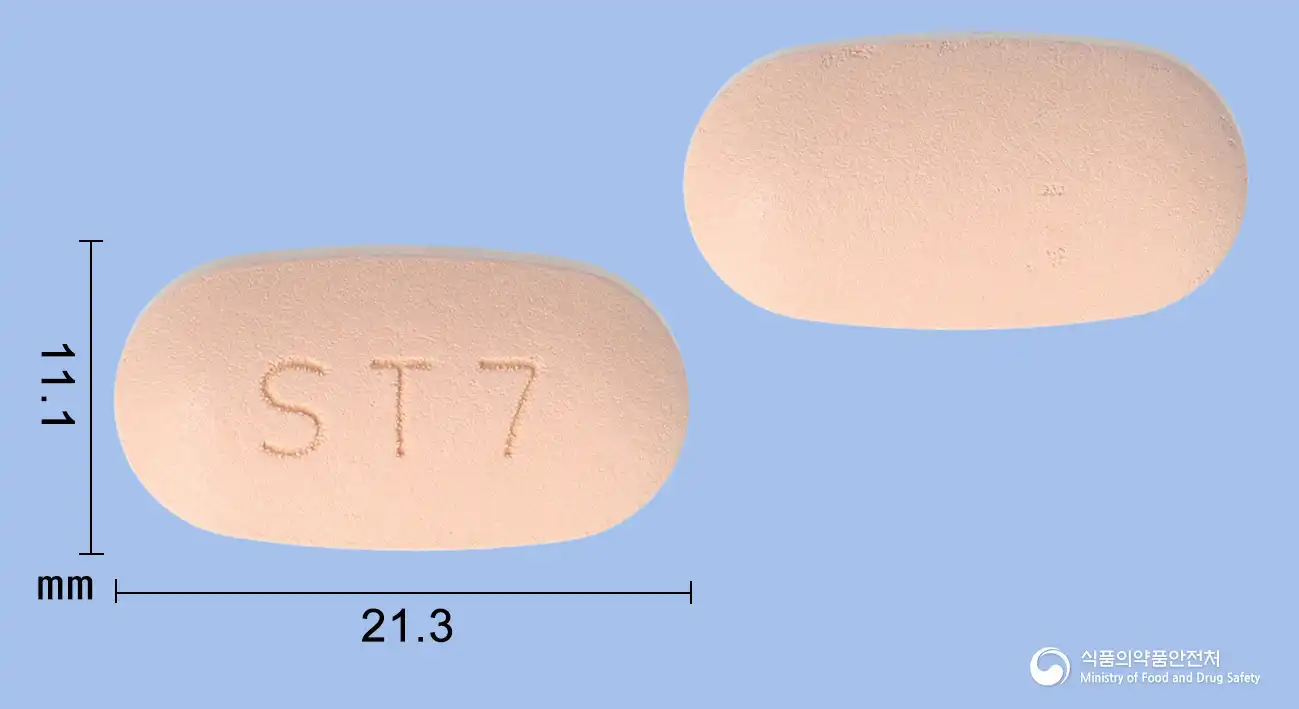 Combination
Metformin Hydrochloride 1000mg · Sitagliptin Phosphate Hydrate 64.25mg +1 more
Tablet · Prescription medication · Combination
Dongkook Pharmaceutical Co., Ltd.
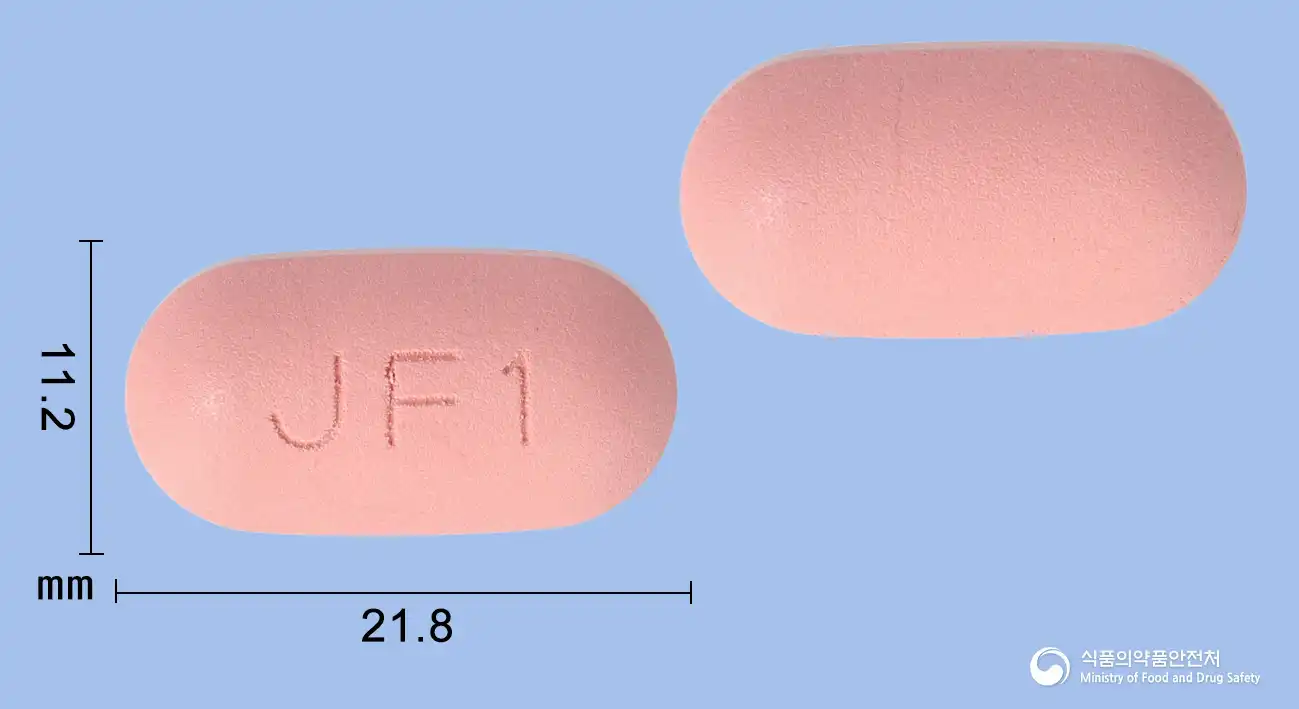 Combination
Metformin Hydrochloride 1000mg · Sitagliptin Phosphate Hydrate 128.5mg +1 more
Tablet · Prescription medication · Combination
Daewoong Bio Co., Ltd.
Even with the same ingredient, the dose and directions can differ by strength and dosage form. Talk to a doctor or pharmacist before switching from a medication you are already taking.
No questions yet.
For anything that needs medical judgment, consult a doctor or pharmacist.
This drug information is based on data provided by the Korea Ministry of Food and Drug Safety.
Consult a doctor or pharmacist for accurate dosage, administration, and usage instructions.