
 한국어
한국어 English
 日本語
日本語 中文(简体)
Dosage form image
Viewing nowMuconaj (Acetylcysteine) (Ampoule)
Acetylcysteine 100mg
Prescription medication
Aju Pharmaceutical Co., Ltd.
MFDS item code 202300939 · Notified 2023.03.16
Improvement of sputum expectoration difficulties in bronchial diseases (acute and chronic bronchitis, bronchiectasis) and detoxification effect in acetaminophen overdose
This medication is used to alleviate symptoms in various bronchial diseases in adults and children where sputum expectoration is difficult due to thick and viscous phlegm, such as acute and chronic bronchitis, bronchiectasis, asthma-like bronchitis, sinusitis, cystic fibrosis, and postoperative pulmonary complications. Additionally, it effectively acts as an antidote in acetaminophen overdose. In other words, it helps improve sputum expectoration difficulties in respiratory-related diseases and treats the toxicity due to acetaminophen overdose.
1. Mucus dissolution 1) Intravenous injection In adults, administer 600–900 mg of acetylcysteine once, 2-3 times a day. Dilute the injection solution with saline or 5% dextrose and slowly infuse for about 5 minutes or more. 2) Intramuscular injection In adults, administer 300 mg once, 1-2 times a day. 2. Antidote for acetaminophen overdose In the first 15 minutes, administer 150 mg per kg of body weight diluted in 5% dextrose.
1. Mucus dissolution 1) Intravenous injection In children, administer 300–450 mg once, 2-3 times a day. 2) Intramuscular injection In children, administer 150 mg once, 1-2 times a day.
This medication is a glass ampoule injection; therefore, care should be taken to ensure that glass fragments do not get mixed in while using. Extra caution is needed when administering to children or the elderly. It should not be administered to patients with an allergy to this medication or its components. In patients with bronchial asthma or impaired respiratory function, this medication may cause bronchospasm; if abnormal symptoms occur, administration should be stopped immediately, and appropriate treatment should be sought. Furthermore, it is advisable to avoid administering this medication to neonates unless the condition is severe. When using this medication, gastrointestinal symptoms such as occasional nausea, vomiting, anorexia, and diarrhea may occur. Rarely, hypersensitivity reactions such as urticaria, itching, rash, headache, tinnitus, and bronchospasm may occur, and very rarely, tachycardia, hypertension, and severe allergic reactions (anaphylaxis) may appear. Caution is required when administering this medication in large amounts intravenously as an antidote, as symptoms similar to hypersensitivity reactions or severe hypertension may occur; immediate cessation of administration is necessary if abnormal symptoms are observed. This medication helps liquefy bronchial secretions for easier expectoration, which may cause an increase in secretions; therefore, the patient's condition should be closely monitored, and appropriate measures such as mechanical suction or postural change should be taken if needed. For intramuscular injection, it should be injected deeply, and for use as an antidote, administration within 10 hours post-overdose is effective. This medication may chemically react when used with specific drugs, so caution should be exercised when mixing or using it with other medications. The safety of this medication during pregnancy has not been sufficiently confirmed; therefore, it should only be used when absolutely necessary. During lactation, it is unclear whether this medication is excreted in breast milk, so it should be administered cautiously. Elderly patients may have decreased bodily functions, so careful observation and cautious administration are necessary.
Urticaria, bronchospasm (especially in asthma patients), anaphylaxis, respiratory distress, angioedema
Not everyone experiences these, and they can vary from person to person.
This medication should be stored in a tightly closed container that can block light and at a temperature between 1 to 30 degrees Celsius at room temperature. Storing this way helps maintain the medication's effectiveness and prevent deterioration.
A brown ampoule filled with a colorless to light purple transparent liquid
10 ampoules/box [6 milliliters/ampoule], 10 ampoules/box [9 milliliters/ampoule]
Even with the same ingredient, strength, dosage form and how it is taken can differ.
Acetylcysteine 100mg
Prescription medication
Aju Pharmaceutical Co., Ltd.
Acetylcysteine 200mg
Solution · OTC medication
(Co., Ltd.) Celltrion Pharm
Acetylcysteine 20g
OTC medication
Boryeong Co., Ltd.
Acetylcysteine 200mg
OTC medication
Hanwha Pharmaceutical Co., Ltd.
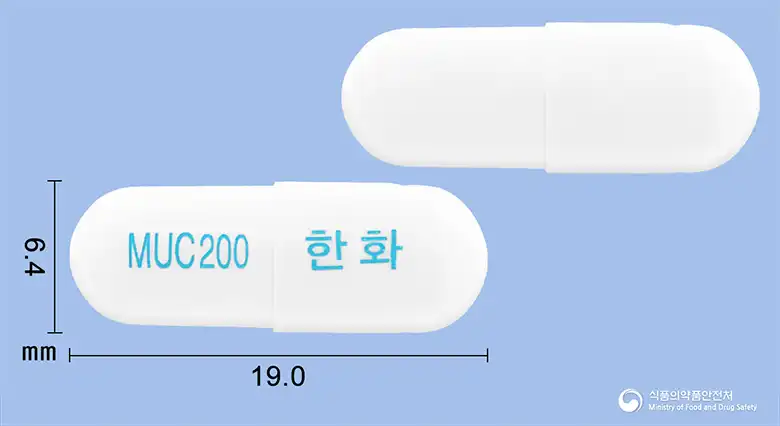
Acetylcysteine 200mg
Hard capsule · OTC medication
Hanwha Pharmaceutical Co., Ltd.
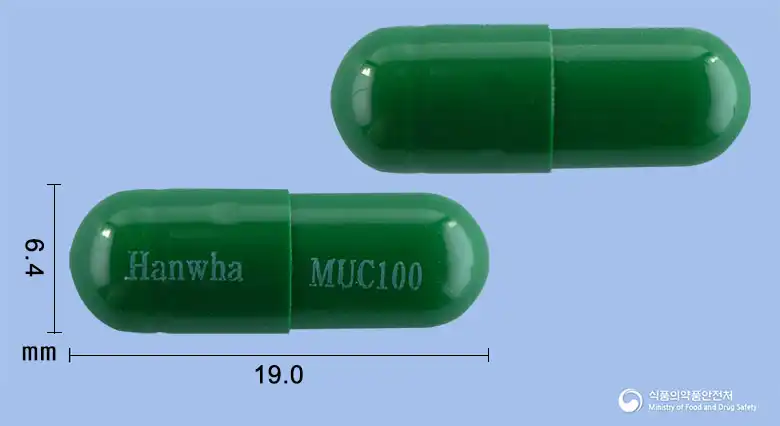
Acetylcysteine 100mg
Hard capsule · OTC medication
Hanwha Pharmaceutical Co., Ltd.
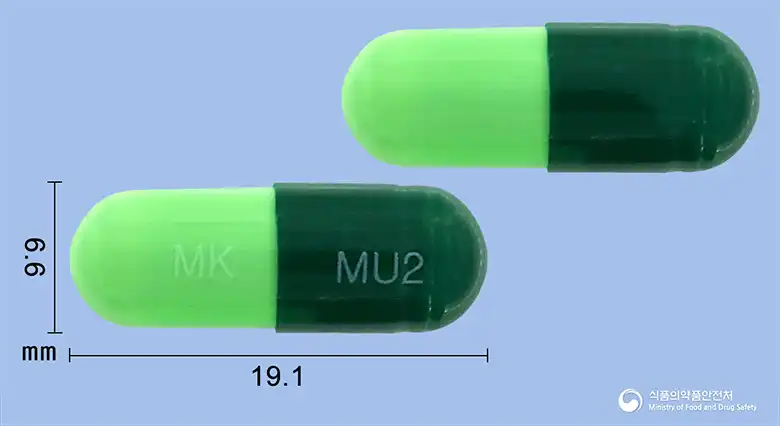
Acetylcysteine 200mg
Hard capsule · OTC medication
(Medica Korea Co., Ltd.)
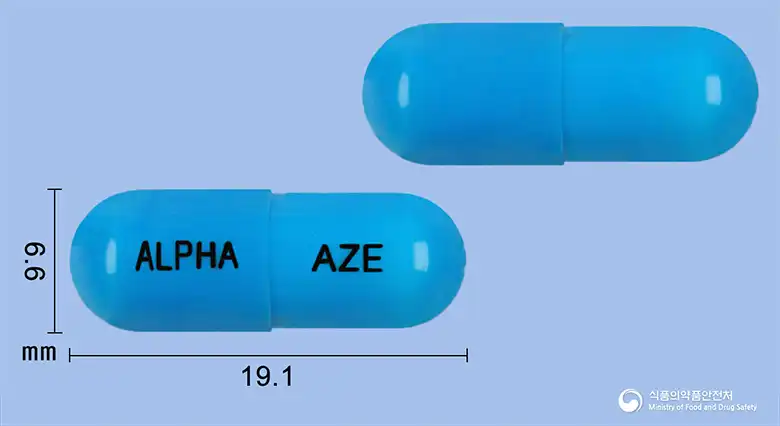
Acetylcysteine 200mg
Hard capsule · OTC medication
Alpha Pharmaceutical Co., Ltd.
Even with the same ingredient, the dose and directions can differ by strength and dosage form. Talk to a doctor or pharmacist before switching from a medication you are already taking.
No questions yet.
For anything that needs medical judgment, consult a doctor or pharmacist.
This drug information is based on data provided by the Korea Ministry of Food and Drug Safety.
Consult a doctor or pharmacist for accurate dosage, administration, and usage instructions.