
 한국어
 English
 日本語
 中文(简体)
 Viewing now
Alpoterin Tablet (Tenofovir Alafenamide Hemifumarate)
Tenofovir Alafenamide Hemimalate 28.51mg
Tablet · Prescription medication
Dongkook Pharmaceutical Co., Ltd.
MFDS item code 202300929 · Approved 2023.03.15 · Insurance code 653405340
Treatment of chronic hepatitis B in adults
This medication is used for the treatment of chronic hepatitis B in adults.
1. Recommended Dosage in Adults Administer 1 tablet once daily, regardless of meals. 2. Dosage Adjustment in Patients with Renal Impairment No dosage adjustment is necessary in patients with mild, moderate, or severe renal impairment. Patients receiving chronic hemodialysis should take this medicine after dialysis is completed on dialysis days. [See '9. Administration to Patients with Renal Impairment' under 'Precautions for Use'.] 3. Dosage Adjustment in Patients with Hepatic Impairment No dosage adjustment is necessary in patients with hepatic impairment. [See '3. Adverse Reactions' and '10. Administration to Patients with Hepatic Impairment' under 'Precautions for Use'.]
This medication is used for the treatment of hepatitis B. Stopping the treatment abruptly may severely worsen hepatitis, so after discontinuation, regular check-ups at a hospital should be done for at least several months. People with allergies to this medication or its components should not use it, and patients with certain genetic lactose metabolism disorders should also avoid it. Side effects such as headache, abdominal pain, cough, back pain, fatigue, nausea, joint pain, diarrhea, and dyspepsia may commonly occur while taking this medication. As it can affect kidney function, kidney function tests should be consistently performed before and during treatment, and if kidney problems worsen, the medication should be discontinued. Decreased bone density could occur, so caution should be taken regarding bone health during prolonged use. Occasionally, blood test results may show changes in liver or lipid levels, hence regular testing is necessary. This medication is not used alone for the treatment of HIV-1 infection; patients with both HIV and hepatitis B should consult a specialist for appropriate treatment. There may be interactions when taken with other medications, so all medicines currently being taken should be informed to the doctor or pharmacist. While it is known to not pose significant risk to the fetus during pregnancy, it should be discussed with a doctor before use considering potential risks. If breastfeeding, as there is a possibility that this medication may be excreted in breast milk, the breastfeeding status and the benefits and risks of taking the medication must be discussed. The safety and efficacy in children under 18 years old have not been sufficiently confirmed. For elderly patients above 65 years old, special dose adjustments are not necessary. Patients with impaired kidney or liver function can generally use it without dose adjustment, but caution may be needed depending on the condition. In case of overdose, the patient's condition should be closely monitored, and if necessary, the medication may be removed through blood dialysis. This medication should be stored in a cool place, and the container should be sealed to maintain its original state.
Not everyone experiences these, and they can vary from person to person.
This medication may be sensitive to air and moisture, so it should be stored in a sealed container. The storage temperature should be maintained between 1 and 30 degrees Celsius at room temperature. This helps to preserve the medication's effectiveness and safety for a longer period.
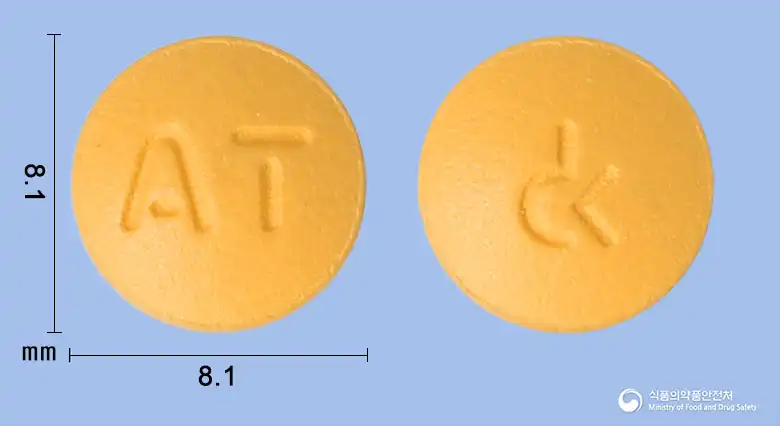
Yellow, round film-coated tablet
30 tablets/bottle
Even with the same ingredient, strength, dosage form and how it is taken can differ.
Viewing nowTenofovir Alafenamide Hemimalate 28.51mg
Tablet · Prescription medication
Dongkook Pharmaceutical Co., Ltd.
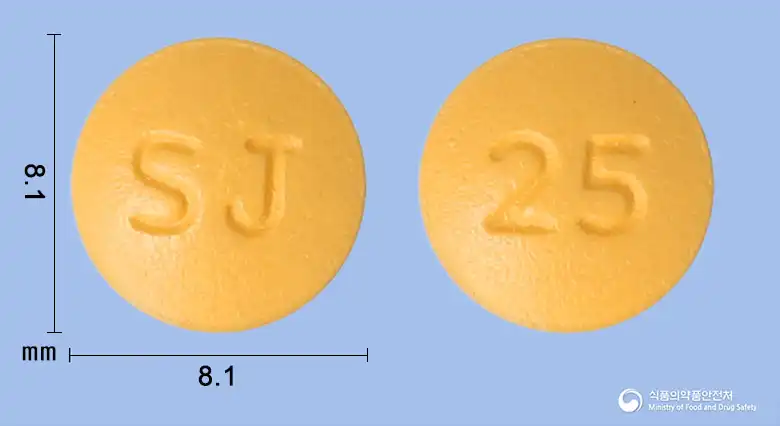
Tenofovir Alafenamide Hemimalate 28.51mg
Tablet · Prescription medication
Samjin Pharmaceutical Co., Ltd.
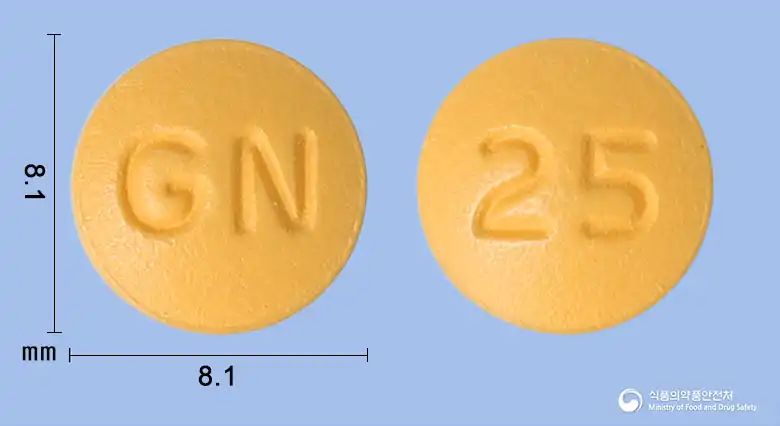
Tenofovir Alafenamide Hemimalate 28.51mg
Tablet · Prescription medication
Korea Hutex Pharmaceutical Co., Ltd.
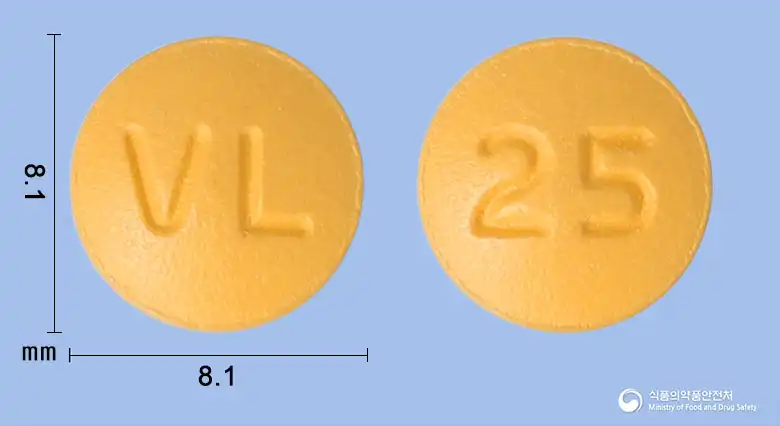
Tenofovir Alafenamide Hemimalate 28.51mg
Tablet · Prescription medication
Sam Il Pharmaceutical Co., Ltd.
Even with the same ingredient, the dose and directions can differ by strength and dosage form. Talk to a doctor or pharmacist before switching from a medication you are already taking.
No questions yet.
For anything that needs medical judgment, consult a doctor or pharmacist.
This drug information is based on data provided by the Korea Ministry of Food and Drug Safety.
Consult a doctor or pharmacist for accurate dosage, administration, and usage instructions.