
 한국어
 English
 日本語
 中文(简体)
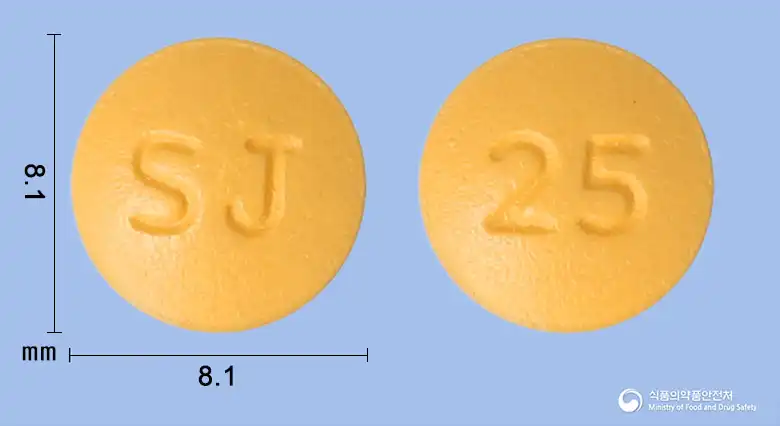 Viewing now
TAFREED Tablet (Tenofovir Alafenamide Hemifumarate)
Tenofovir Alafenamide Hemimalate 28.51mg
Tablet · Prescription medication
Samjin Pharmaceutical Co., Ltd.
MFDS item code 202300925 · Approved 2023.03.15 · Insurance code 647805540
Treatment of chronic hepatitis B in adults
This medication is used for the treatment of chronic hepatitis B in adults.
1. Recommended Dosage in Adults Administer 1 tablet once daily, regardless of meals. 2. Dosage Adjustment in Patients with Renal Impairment No dosage adjustment is necessary in patients with mild, moderate, or severe renal impairment. Patients receiving chronic hemodialysis should take this medicine after dialysis is completed on dialysis days. [See '9. Administration to Patients with Renal Impairment' under 'Precautions for Use'.] 3. Dosage Adjustment in Patients with Hepatic Impairment No dosage adjustment is necessary in patients with hepatic impairment. [See '3. Adverse Reactions' and '10. Administration to Patients with Hepatic Impairment' under 'Precautions for Use'.]
This medication is used for the treatment of hepatitis B, and discontinuing treatment abruptly can severely worsen the hepatitis, so caution is advised. Even after stopping treatment, the liver condition should be carefully monitored under a doctor's guidance for at least a few months, and treatment can be restarted if necessary. Patients with allergies to this medication or its ingredients, or those with hereditary lactose intolerance should not take this medication. During treatment, symptoms such as headache, abdominal pain, cough, lower back pain, fatigue, nausea, joint pain, diarrhea, and indigestion may occur, and if symptoms are severe, consultation with a doctor is necessary. Since this medication can affect kidney function, patients with kidney disease or those taking medications that could burden the kidneys should undergo regular kidney function tests. If liver function abnormalities occur, or if serious liver issues such as lactic acidosis or steatosis are suspected, the medication should be stopped immediately. Since combining with certain specific medications can affect drug concentration, it is essential to inform the doctor or pharmacist about any current medications. Women who are pregnant or breastfeeding should consider the potential risks and benefits of taking this medication carefully, and if planning pregnancy, should consult with a doctor. The use of this medication is not recommended for children under 18 years of age, as safety and efficacy have not been established. Elderly patients aged 65 and older, or those with impaired kidney and liver function may take it without specific dose adjustment but require regular monitoring. In case of overdose, immediate medical attention should be sought to monitor vital signs and conditions. This medication should be stored in a cool, tightly sealed container, preferably in its original container.
Not everyone experiences these, and they can vary from person to person.
This medication should be stored in a tightly sealed container to protect it from exposure to air and moisture. The recommended storage temperature is between 1 to 30 degrees Celsius.
Yellow round film-coated tablet
30 tablets/bottle
Even with the same ingredient, strength, dosage form and how it is taken can differ.
Viewing nowTenofovir Alafenamide Hemimalate 28.51mg
Tablet · Prescription medication
Samjin Pharmaceutical Co., Ltd.
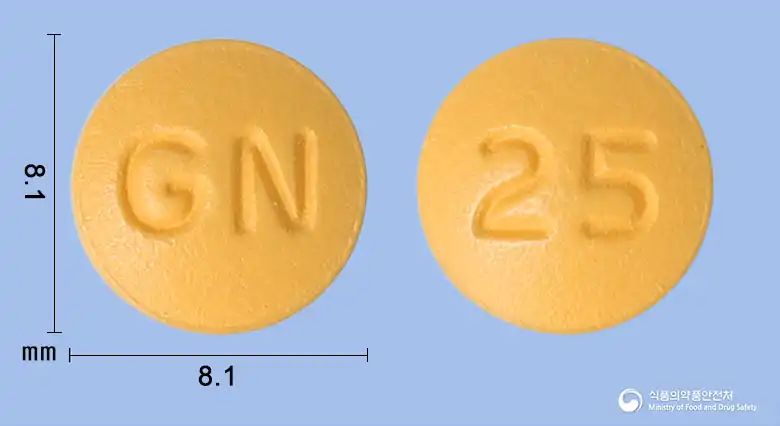
Tenofovir Alafenamide Hemimalate 28.51mg
Tablet · Prescription medication
Korea Hutex Pharmaceutical Co., Ltd.
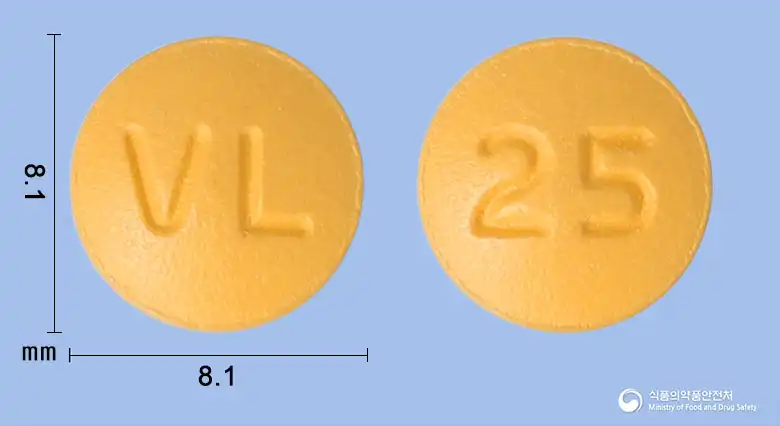
Tenofovir Alafenamide Hemimalate 28.51mg
Tablet · Prescription medication
Sam Il Pharmaceutical Co., Ltd.
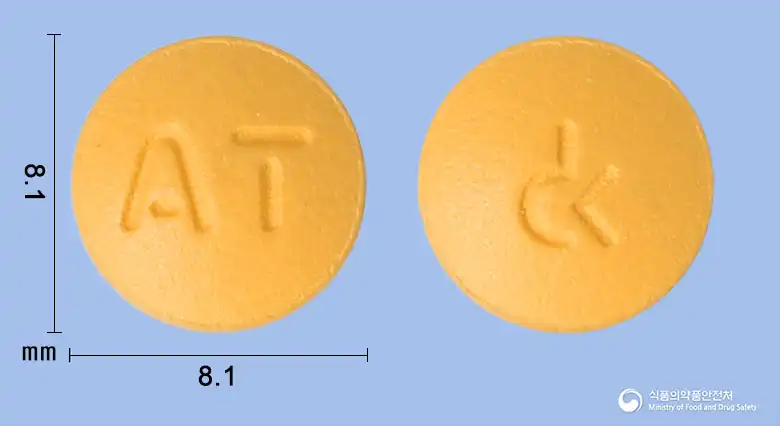
Tenofovir Alafenamide Hemimalate 28.51mg
Tablet · Prescription medication
Dongkook Pharmaceutical Co., Ltd.
Even with the same ingredient, the dose and directions can differ by strength and dosage form. Talk to a doctor or pharmacist before switching from a medication you are already taking.
No questions yet.
For anything that needs medical judgment, consult a doctor or pharmacist.
This drug information is based on data provided by the Korea Ministry of Food and Drug Safety.
Consult a doctor or pharmacist for accurate dosage, administration, and usage instructions.