
 한국어
한국어 English
 日本語
日本語 中文(简体)
 Viewing nowCombination
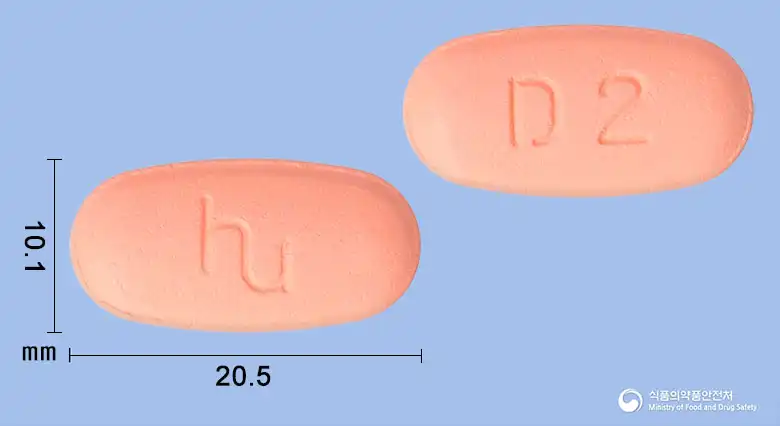
Hyglyiam Tablets 50/850 mg (Sitagliptin, Metformin)
Sitagliptin Hydrochloride Hydrate 56.69mg · Metformin Hydrochloride 850mg
Tablet · Prescription medication · Combination
Huons Co., Ltd.
MFDS item code 202300849 · Approved 2023.03.13 · Insurance code 670609110
Improvement of blood sugar control in type 2 diabetes
This medicine helps patients with type 2 diabetes improve blood sugar control when taken alongside diet and exercise. It assists in managing blood sugar more effectively through the combination of sitagliptin and metformin. Therefore, this medicine is used for the treatment of type 2 diabetes.
In the context of anti-diabetic therapy, the dosage of this medicine is determined considering the current treatment regimen, efficacy, and tolerability of each patient without exceeding the daily maximum recommended dosages of sitagliptin 100 mg and metformin 2000 mg. This medicine is generally taken twice a day with meals, and to reduce gastrointestinal adverse reactions caused by metformin, the dosage should be gradually increased. 1. Patients not currently receiving metformin: For patients who have no prior experience with other diabetes medications and find it difficult to achieve adequate blood sugar control with monotherapy, or for those who cannot achieve sufficient blood sugar control with sitagliptin monotherapy, the initial dosage of this medicine is 50/500 mg taken twice daily, one tablet each time, which can be increased to 50/1000 mg taken twice a day, one tablet each time. Patients with renal impairment who are on a reduced dosage of sitagliptin should not be switched to this medicine (see usage precautions 2. Do not administer to the following patients). 2. Patients receiving metformin therapy: - For patients who cannot achieve adequate blood sugar control with metformin monotherapy, the recommended initial dosage of this medicine is sitagliptin 50 mg taken twice a day (total of 100 mg per day) combined with the current dosing of metformin. - Patients switching from the combination of sitagliptin and metformin can begin with their existing doses of both medications. 3. For those unable to achieve adequate blood sugar control with combinations of metformin with sulfonylureas, metformin with insulin, or metformin with thiazolidinediones: The initial dosage of this medicine is 50 mg of sitagliptin taken twice a day (a total of 100 mg per day), while the initial dosage of metformin must consider the patient's blood sugar levels and existing dosing regimen. To reduce gastrointestinal side effects caused by metformin, the dosage should be gradually increased. When administered in combination with sulfonylureas or insulin, it may be necessary to consider reducing the dosages of sulfonylureas or insulin to reduce the risk of hypoglycemia (see usage precautions 5. General warnings). Studies evaluating the safety and efficacy of switching from other oral hypoglycemic agents to this medicine have not been conducted. Any changes in type 2 diabetes treatment may affect blood sugar control, so close monitoring is necessary. Renal impairment: This medicine may be used in patients with moderate renal impairment stage 3a (creatinine clearance [CrCl] ≥ 45 and < 60 mL/min or estimated glomerular filtration rate (eGFR) ≥ 45 and < 60 mL/min/1.73m2) without accompanying symptoms that may increase the risk of lactic acidosis and with dose adjustments as follows. The starting dosage of metformin is to be 500 mg or 850 mg once daily; initiation of treatment with this medicine should not occur. The maximum recommended dosage of metformin is 500 mg taken twice a day. Kidney function should be monitored carefully every 3 to 6 months. If CrCl falls below 45 mL/min or eGFR falls below 45 mL/min/1.73m2, this medicine should be discontinued immediately. Hepatic impairment: This medicine should not be administered to patients with hepatic dysfunction due to the metformin component (see usage precautions 2. Do not administer to the following patients).
This medicine consists of two active ingredients, each helping to control blood sugar. Firstly, this medicine can cause rare but serious allergic reactions; if symptoms like skin rash, hives, or difficulty breathing occur, stop taking it immediately and consult a healthcare professional. Additionally, this medicine may induce pancreatitis, an inflammation of the pancreas, so if abdominal pain, vomiting, or severe abdominal discomfort occurs, you should visit a hospital promptly. It is important not to use this medicine in patients with impaired kidney function or those experiencing acute kidney injury, and regular kidney function tests should be conducted. Patients with heart diseases such as heart failure or acute myocardial infarction should also not take this medicine, and its use should be temporarily halted before and after surgeries or tests using radiocontrast containing iodine. The safety of this medicine has not been established in pregnant or breastfeeding women, nor in children under the age of 18, and therefore it should not be administered. This medicine can cause hypoglycemia, so particularly when used in combination with other hypoglycemic agents, blood sugar levels should be monitored closely, and symptoms of hypoglycemia should be observed carefully. Moreover, it may cause gastrointestinal disturbances such as diarrhea, nausea, vomiting, and abdominal pain; if symptoms are severe, medical consultation should be sought. Alcohol consumption may increase the risk of side effects from this medicine, so excessive drinking should be avoided during treatment. Finally, regular blood tests and kidney function tests should be performed during treatment to detect any anomalies early and manage them.
Hives, severe swelling (angioedema), anaphylaxis, rash, Stevens-Johnson syndrome and exfoliative skin conditions, acute pancreatitis (including hemorrhagic or necrotizing), acute renal failure, shortness of breath, severe and debilitating arthralgia, blistering dermatitis, thrombocytopenia, rhabdomyolysis, severe lactic acidosis (metabolic acidosis), acute or chronic liver impairment (elevated liver enzyme levels), liver dysfunction, severe deterioration of kidney function, hypoglycemia
Not everyone experiences these, and they can vary from person to person.
This medicine should be stored in a tightly sealed container to prevent exposure to air and moisture. It is best to maintain a storage temperature between 1 to 30 degrees Celsius to preserve the effectiveness of the medication.
Pink oval film-coated tablet
Bottle - 100 tablets/bottle, Bottle - 30 tablets/bottle
Even with the same ingredient, strength, dosage form and how it is taken can differ.
Viewing nowCombinationSitagliptin Hydrochloride Hydrate 56.69mg · Metformin Hydrochloride 850mg
Tablet · Prescription medication · Combination
Huons Co., Ltd.
 Combination
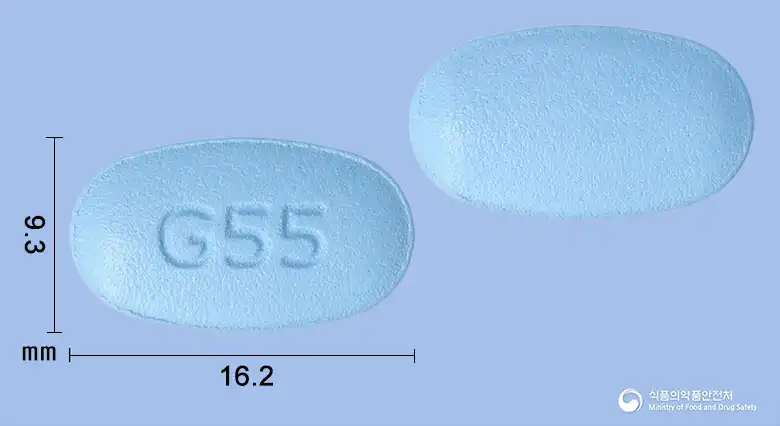
Sitagliptin Hydrochloride Hydrate 56.7mg · Metformin Hydrochloride 500mg
Tablet · Prescription medication · Combination
Shinil Pharmaceutical Co., Ltd.
 Combination
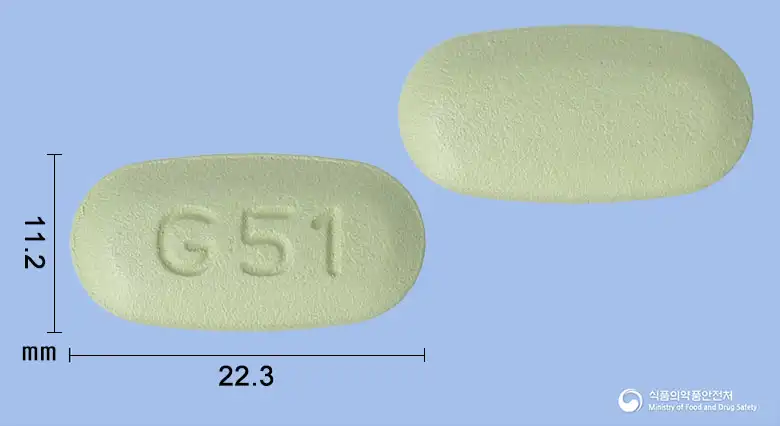
Sitagliptin Hydrochloride Hydrate 56.7mg · Metformin Hydrochloride 1000mg
Tablet · Prescription medication · Combination
Shinil Pharmaceutical Co., Ltd.
 Combination
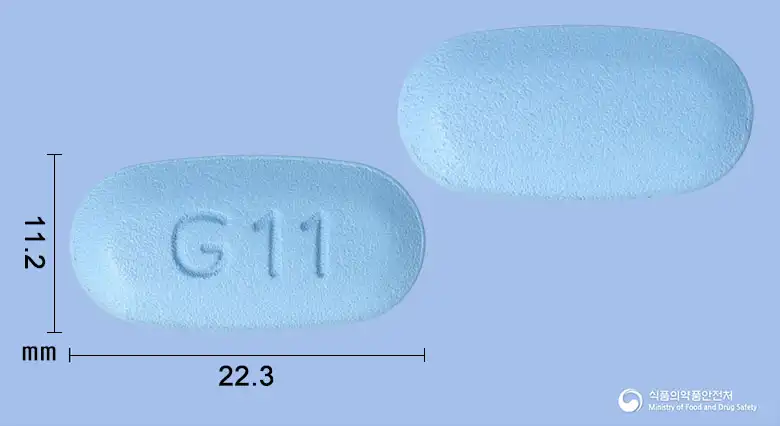
Sitagliptin Hydrochloride Hydrate 113.4mg · Metformin Hydrochloride 1000mg
Tablet · Prescription medication · Combination
Shinil Pharmaceutical Co., Ltd.
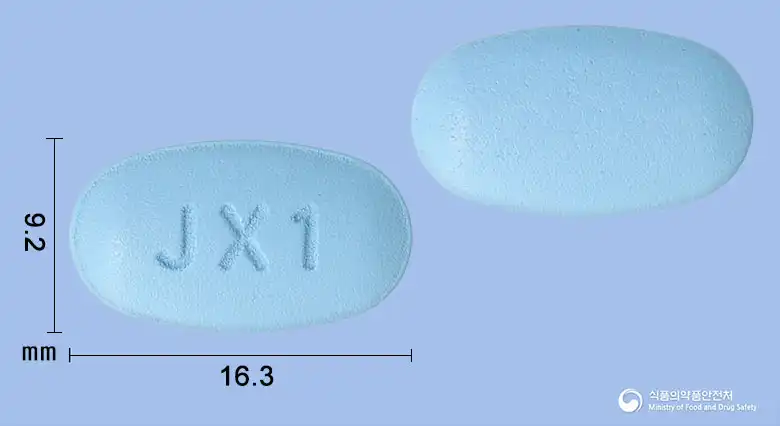 Combination
Sitagliptin Hydrochloride Hydrate 56.7mg · Metformin Hydrochloride 500mg
Tablet · Prescription medication · Combination
GL Pharma Co., Ltd.
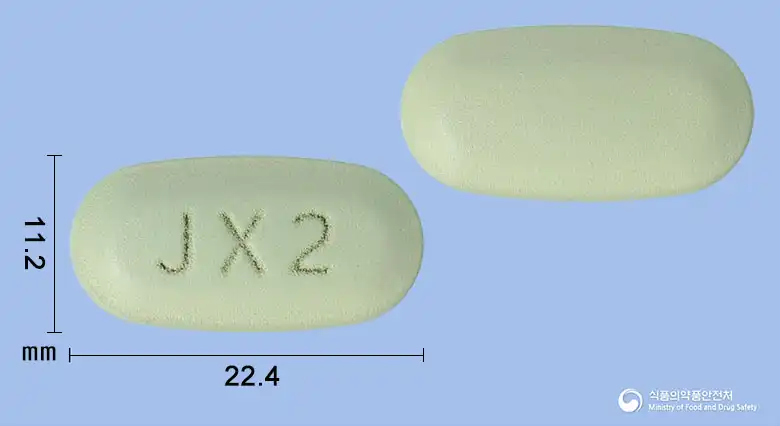 Combination
Sitagliptin Hydrochloride Hydrate 56.7mg · Metformin Hydrochloride 1000mg
Tablet · Prescription medication · Combination
GL Pharma Co., Ltd.
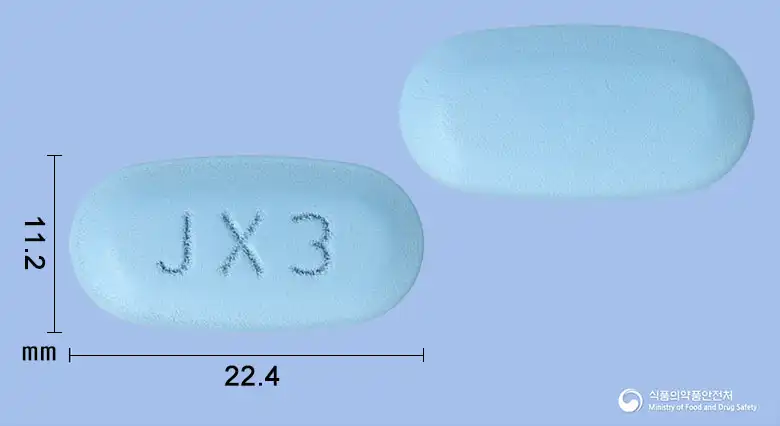 Combination
Sitagliptin Hydrochloride Hydrate 113.4mg · Metformin Hydrochloride 1000mg
Tablet · Prescription medication · Combination
GL Pharma Co., Ltd.
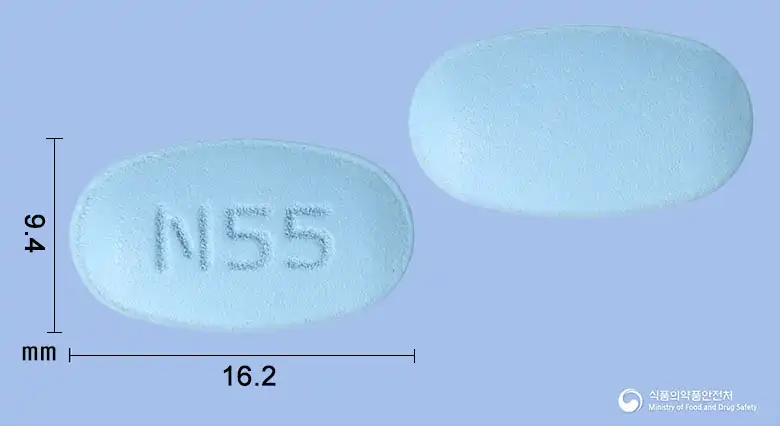 Combination
Sitagliptin Hydrochloride Hydrate 56.7mg · Metformin Hydrochloride 500mg
Tablet · Prescription medication · Combination
Korea Hutech Pharmaceutical Co., Ltd.
Even with the same ingredient, the dose and directions can differ by strength and dosage form. Talk to a doctor or pharmacist before switching from a medication you are already taking.
No questions yet.
For anything that needs medical judgment, consult a doctor or pharmacist.
This drug information is based on data provided by the Korea Ministry of Food and Drug Safety.
Consult a doctor or pharmacist for accurate dosage, administration, and usage instructions.