
 한국어
 English
 日本語
 中文(简体)
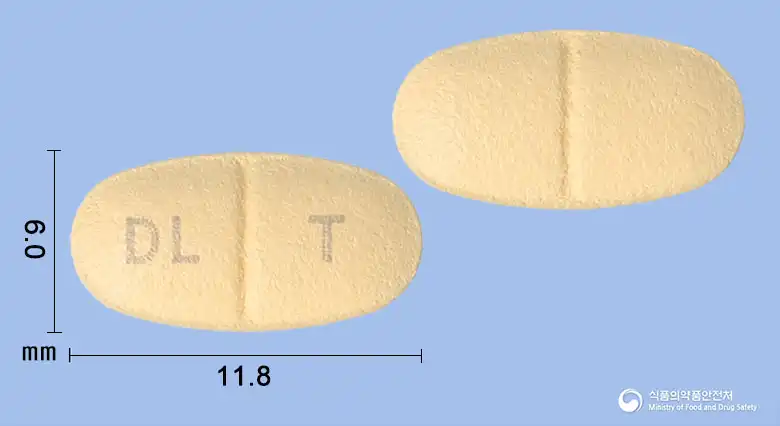 Viewing nowCombination
Dapamepi Tablet 10/4 mg
Dapagliflozin Propanediol Hydrate 12.3mg · Glimepiride 4mg
Tablet · Prescription medication · Combination
Kyungdong Pharmaceutical Co., Ltd.
MFDS item code 202300717 · Approved 2023.02.28 · Insurance code 648104890
Improvement of glycemic control in patients with type 2 diabetes mellitus
This medication is used to assist patients with type 2 diabetes in controlling their blood sugar levels. Glimepiride and dapagliflozin work together to effectively manage blood sugar levels. By administering it alongside dietary management and exercise therapy, the effectiveness of blood sugar maintenance can be further enhanced. Therefore, continuous use and improvement in lifestyle support diabetes management. This drug improves blood sugar control.
For patients taking glimepiride 4 mg and dapagliflozin 10 mg, 1 tablet (10mg/4mg of dapagliflozin/glimepiride) may be taken once daily immediately before breakfast or before the first meal. It is very important not to skip a meal after taking this medicine. Patients who require a reduction in the dose of glimepiride should take the individual component preparations. Swallow the tablet whole. While taking this medicine, blood glucose levels should be measured regularly; regular measurement of glycated hemoglobin (HbA1c) levels is also recommended. The risk of hypoglycemia may increase during treatment with this medicine. The risk may be greater particularly when accompanied by weight loss, lifestyle changes, and other factors that may increase the risk of fluctuations in blood glucose. Hypoglycemia can generally be promptly controlled by immediate intake of sugar, but it may recur despite successful initial management. Therefore, patients should be carefully monitored while receiving this medicine. Severe hypoglycemia requires immediate medical intervention and follow-up, and hospitalization may sometimes be necessary (see Precautions for Use). 1) Patients with renal impairment: The efficacy of dapagliflozin, an active ingredient in this medicine, depends on renal function, and patients with impaired renal function may be more sensitive to the glucose-lowering effect of glimepiride. Therefore, assess renal function before starting this medicine and closely monitor renal function and changes in blood glucose after treatment is initiated. This medicine is not recommended to improve glycemic control in patients with an estimated glomerular filtration rate (eGFR) below 45 mL/min/1.73m2, and should not be administered to patients with severe renal impairment or worse (see Precautions for Use, 1. Do not administer to the following patients and 2. Administer with caution to the following patients). 2) Patients with hepatic impairment: Carefully monitor patients with hepatic impairment when initiating this medicine. Do not administer this medicine to patients with severe hepatic impairment (see Precautions for Use, 1. Do not administer to the following patients and Administer with caution to the following patients).
This drug should not be administered to certain patients. For example, patients allergic to its components or sulfonylureas, patients with type 1 diabetes, patients with severe kidney or liver dysfunction, pregnant or breastfeeding women, and patients with severe infections or before and after surgery should not take this medication. This drug should be administered cautiously to patients with reduced fluid volume or impaired kidney function, and blood pressure and kidney function should be closely monitored before and during administration. Caution is especially necessary for the elderly and patients taking diuretics. When taking this medication, there may be occurrences of genital infections or urinary tract infections; therefore, if any symptoms arise, immediate notification to healthcare professionals is required. Additionally, symptoms of hypoglycemia may also appear, so blood sugar levels should be checked frequently, and appropriate action should be taken when hypoglycemic symptoms occur. This medication can lead to serious metabolic disorders known as ketoacidosis; thus, if symptoms like nausea, vomiting, abdominal pain, or breathing difficulties occur, immediate notification to healthcare professionals is necessary, and ketoacidosis testing should be done regardless of blood sugar levels. Women who are pregnant or may become pregnant should not take this medication, and once pregnancy is confirmed, the medication should be stopped immediately. Nursing mothers should also refrain from using this drug. Safety and efficacy in children and adolescents under 18 years of age have not been established, hence it is not used in this population. In cases of overdose, appropriate treatment is required based on symptoms, and prompt treatment is especially needed when symptoms of hypoglycemia appear. During the course of taking this medication, caution is advised when driving or operating machinery due to the risk of hypoglycemia.
Vulvovaginitis, balanitis and related genital infections, urinary tract infections, fungal infections, perineal necrosis, hypoglycemia, decrease in fluid volume, polydipsia, diabetic ketoacidosis, dizziness, constipation, dry mouth, low back pain, dysuria, polyuria, nocturia, interstitial nephritis, vulvar pruritus, genital pruritus, increased hematocrit, decreased creatinine clearance at the start of treatment, dyslipidemia, elevated serum creatinine at the start of treatment, elevated blood urea, weight loss, rash, urosepsis, pyelonephritis, acute kidney injury, renal dysfunction, hyperglycemia, sensory disturbances, cerebral infarction, nerve compression, weakness, pain, ligament sprain, keratitis, chronic obstructive pulmonary disease, hemoptysis, cerebral hemorrhage, peripheral artery occlusion, angina pectoris, myocardial infarction, bile duct stones, cholangitis, alcoholic liver cirrhosis, depression, suicide attempt, gastric adenocarcinoma, anaphylactic reaction, acute pyelonephritis, chest pain, taste disturbances, drowsiness, tension headache, carpal tunnel syndrome, diabetic neuropathy, unconsciousness, neuralgia, peripheral neuropathy, sleep disorders, syncope, tremors, herpes simplex, edema, fever, foreign body sensation, facial edema, facial pain, warmth, influenza-like syndrome, chest discomfort, fatigue, vaginal discharge, menstrual irregularities, pruritus, urticaria, cold sweat, arthralgia, musculoskeletal pain, limb pain, muscular weakness, myalgia, osteoarthritis, diabetic retinopathy, cough, dyspnea, orthostatic hypotension, palpitations, insomnia, fatty liver, gallbladder polyp, tinnitus, hypoglycemia, headache, severe hunger, nausea, vomiting, fatigue, sleep, sleep disturbances, anxiety, aggression, decreased concentration, decreased agility or activity level, depression, confusion, language abnormalities, aphasia, visual disturbances, tremors, incomplete paralysis, perceptual disturbances, dizziness, lethargy, loss of self-control, transient mental confusion, cerebral convulsions, somnolence, loss of consciousness, coma, shallow breathing, bradycardia, sweating, cold and moist skin, tachycardia, angina pectoris, deep venous thrombosis, blurred vision, fullness or pressure in the upper abdomen, abdominal pain, diarrhea, increased liver enzymes, abnormal liver function, hepatitis, thrombocytopenia, leukopenia, hemolytic anemia, erythrocytopenia, agranulocytosis, pancytopenia, chest pain, dizziness, abnormal liver function, abdominal pain, taste disorder, hair loss, weight gain, arthralgia, dyspepsia, facial edema, erectile dysfunction, facial flushing, gastritis
Not everyone experiences these, and they can vary from person to person.
This medication should be stored in a tightly closed container to avoid exposure to air or moisture, at a temperature between 1 to 30 degrees Celsius, which is considered safe. Proper storage can maintain the medication's effectiveness and prevent deterioration.
Yellow oval film-coated tablet
Box - 28 tablets/box [14 tablets/PTPX2], Bottle - 30 tablets/bottle, Bottle - 300 tablets/bottle, Bottle - 1000 tablets/bottle
Even with the same ingredient, strength, dosage form and how it is taken can differ.
Viewing nowCombinationDapagliflozin Propanediol Hydrate 12.3mg · Glimepiride 4mg
Tablet · Prescription medication · Combination
Kyungdong Pharmaceutical Co., Ltd.
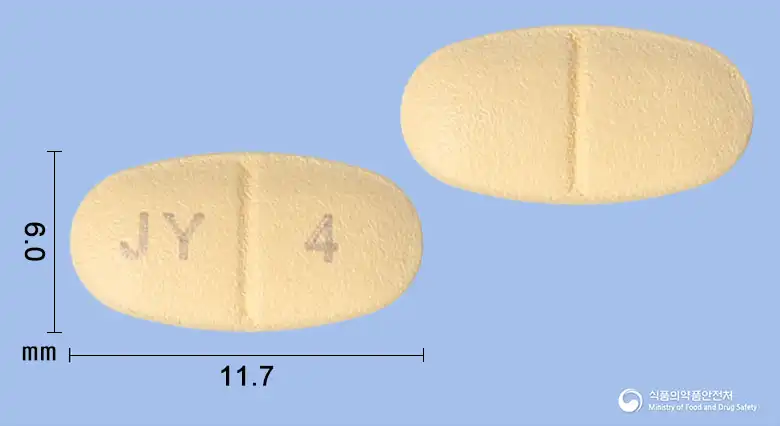 Combination
Dapagliflozin Propanediol Hydrate 12.3mg · Glimepiride 4mg
Tablet · Prescription medication · Combination
Jinyang Pharmaceutical Co., Ltd.
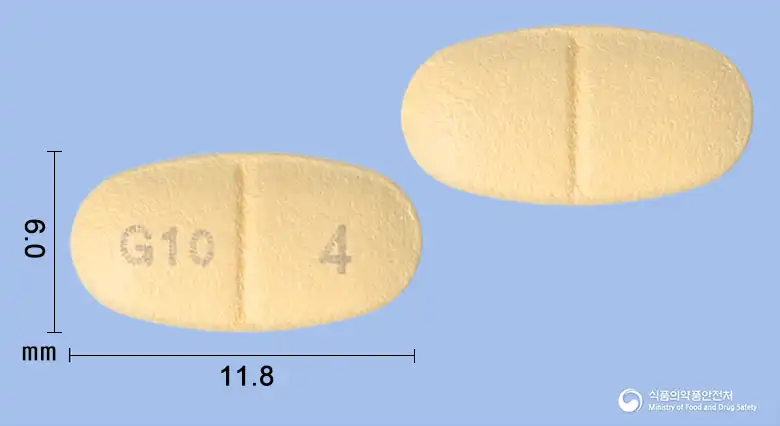 Combination
Dapagliflozin Propanediol Hydrate 12.3mg · Glimepiride 4mg
Tablet · Prescription medication · Combination
HyunDae Tech (Co., Ltd.)
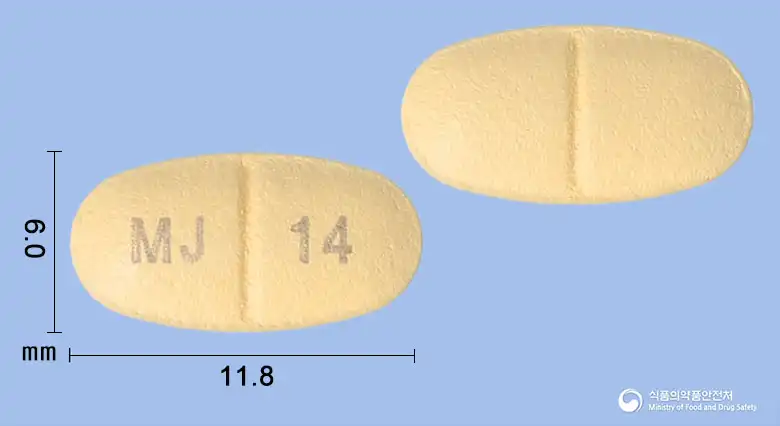 Combination
Dapagliflozin Propanediol Hydrate 12.3mg · Glimepiride 4mg
Tablet · Prescription medication · Combination
Mothers Pharmaceutical Co., Ltd.
Even with the same ingredient, the dose and directions can differ by strength and dosage form. Talk to a doctor or pharmacist before switching from a medication you are already taking.
No questions yet.
For anything that needs medical judgment, consult a doctor or pharmacist.
This drug information is based on data provided by the Korea Ministry of Food and Drug Safety.
Consult a doctor or pharmacist for accurate dosage, administration, and usage instructions.