
 한국어
한국어 English
 日本語
日本語 中文(简体)
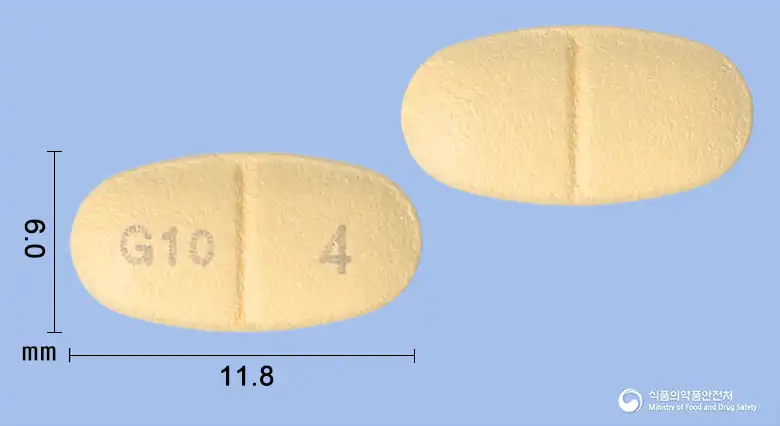 Viewing nowCombination
Grusiga 10/4 mg
Dapagliflozin Propanediol Hydrate 12.3mg · Glimepiride 4mg
Tablet · Prescription medication · Combination
HyunDae Tech (Co., Ltd.)
MFDS item code 202300715 · Approved 2023.02.28 · Insurance code 649105740
Improvement in blood sugar control in type 2 diabetes
This medication helps control blood sugar in patients with type 2 diabetes by using glimepiride and dapagliflozin together. By administering it in conjunction with dietary and exercise therapy, the effectiveness of blood sugar control is enhanced and aids in the management of diabetes.
The medication is administered as 1 tablet daily before breakfast or immediately before the first meal for patients receiving glimepiride 4 mg and dapagliflozin 10 mg. The tablet should be swallowed whole, and it is crucial not to skip meals after taking it.
This medication should not be administered to certain patients. Patients who are allergic to any of the active ingredients, additives, or sulfonylurea and sulfonamide medications should not take it. Patients with type 1 diabetes or a history of diabetic ketoacidosis or diabetic coma should not use this medication. Patients with genetic lactose intolerance or related disorders should not take it as it contains anhydrous lactose. Patients with severe kidney or liver dysfunction, women who are pregnant or may become pregnant, and nursing mothers should also avoid this medication. Patients with severe infections, pre- or post-surgery, or serious trauma may require insulin therapy, so this medication should be avoided. Patients with gastrointestinal disorders such as diarrhea or vomiting should be cautious as food absorption may be impaired, increasing the risk of hypoglycemia. Patients undergoing dialysis should not take this medication. When using this medication, caution should be exercised as there may be a risk of decreased fluid volume or low blood pressure in patients with impaired kidney function, elderly patients, and those on diuretics. Patients at high risk of hypoglycemia, particularly if glimepiride is included, should be closely monitored for early symptoms of hypoglycemia. Special attention is also required for patients with poor nutritional status, irregular meals, high alcohol consumption, and those with kidney or liver dysfunction due to an increased risk of hypoglycemia. While taking this medication, side effects such as genital infections, urinary tract infections, hypoglycemia, decreased fluid volume, and diabetic ketoacidosis may occur, so patients should consult a physician immediately if any unusual symptoms appear. Particularly, if itching, pain, or redness appears around the genitals, prompt treatment should be sought due to the possibility of infection. Symptoms of hypoglycemia may include headache, severe hunger, dizziness, confusion, and drowsiness, and sugar intake is necessary when symptoms occur. It is advisable for women who are pregnant or nursing to avoid using this medication, and those planning pregnancy should consult a doctor to switch to insulin therapy for safety. Safety and efficacy have not been established for children and adolescents under 18 years of age. Elderly patients may require dose adjustment and monitoring due to potential decreased kidney function. In cases of overdose, symptoms such as hypoglycemia, dehydration, and low blood pressure may occur, necessitating immediate medical care. Patients should recognize the risk of hypoglycemia while taking this medication and exercise caution while driving or operating machinery, and they should inform their doctor or pharmacist of any current medications and medical history during drug usage. Store out of reach of children and keep in the original container tightly closed.
Urticaria, severe swelling (edema), chest tightness, difficulty breathing, cold sweat, paleness, severe rashes with high fever, blisters, peeling skin, oral/eye mucosal pain, shortness of breath or difficulty breathing, asthma attacks, respiratory abnormalities with cough and fever, yellowing of skin or eyes (jaundice), extreme lethargy, sudden and severe headache, lightning headache, seizures, confusion of consciousness, visual disturbances, paralysis, dark urine.
Vulvovaginitis, balanitis and related genital infections, urinary tract infections, fungal infections, dizziness, constipation, dry mouth, back pain, dysuria, polyuria, nocturia, elevated hematocrit, decreased initial renal creatinine clearance, dyslipidemia, elevated serum creatinine, elevated blood urea, weight loss, hypoglycemia, thirst, itching, urticaria, sweating, dermatitis, skin dryness, hyperkeratosis, skin lesions, flank pain, myalgia.
Not everyone experiences these, and they can vary from person to person.
This medication may be sensitive to air or moisture, so it must be stored in a tightly sealed container. It is recommended to maintain a storage temperature between 1 to 30 degrees Celsius. Storing it this way will help safely maintain the medication's effectiveness.
Yellow oval film-coated tablet
Box - 28 tablets/box [14 tablets/PTP x 2], Bottle - 30 tablets/bottle, Bottle - 300 tablets/bottle
Even with the same ingredient, strength, dosage form and how it is taken can differ.
Viewing nowCombinationDapagliflozin Propanediol Hydrate 12.3mg · Glimepiride 4mg
Tablet · Prescription medication · Combination
HyunDae Tech (Co., Ltd.)
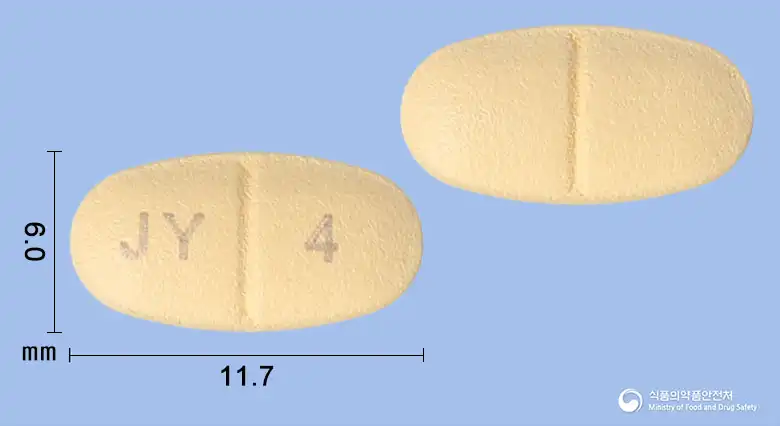 Combination
Dapagliflozin Propanediol Hydrate 12.3mg · Glimepiride 4mg
Tablet · Prescription medication · Combination
Jinyang Pharmaceutical Co., Ltd.
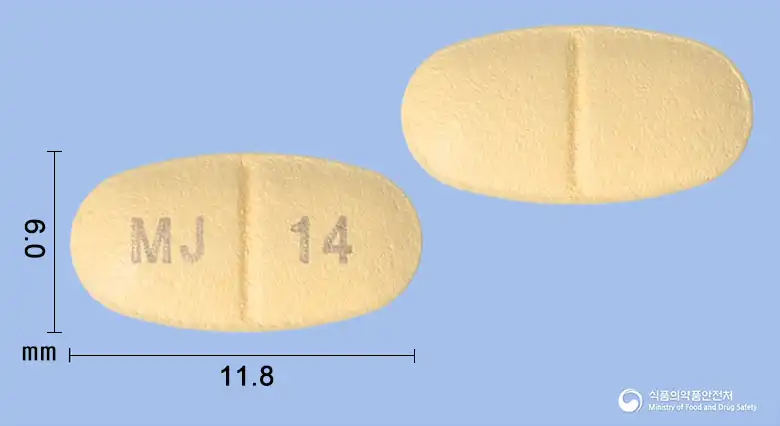 Combination
Dapagliflozin Propanediol Hydrate 12.3mg · Glimepiride 4mg
Tablet · Prescription medication · Combination
Mothers Pharmaceutical Co., Ltd.
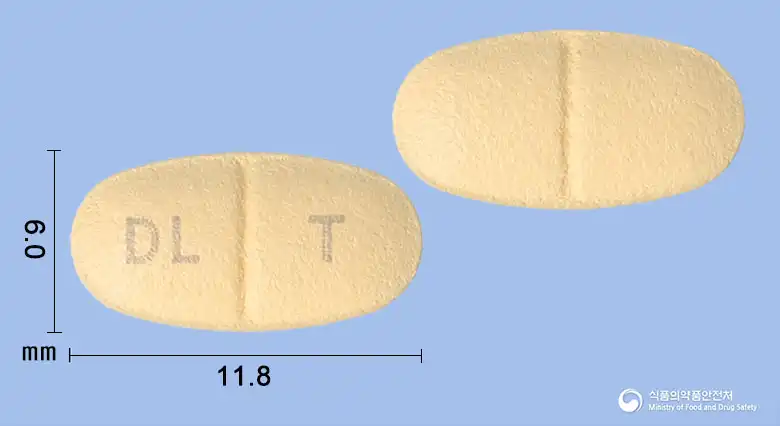 Combination
Dapagliflozin Propanediol Hydrate 12.3mg · Glimepiride 4mg
Tablet · Prescription medication · Combination
Kyungdong Pharmaceutical Co., Ltd.
Even with the same ingredient, the dose and directions can differ by strength and dosage form. Talk to a doctor or pharmacist before switching from a medication you are already taking.
No questions yet.
For anything that needs medical judgment, consult a doctor or pharmacist.
This drug information is based on data provided by the Korea Ministry of Food and Drug Safety.
Consult a doctor or pharmacist for accurate dosage, administration, and usage instructions.