
 한국어
한국어 English
 日本語
日本語 中文(简体)
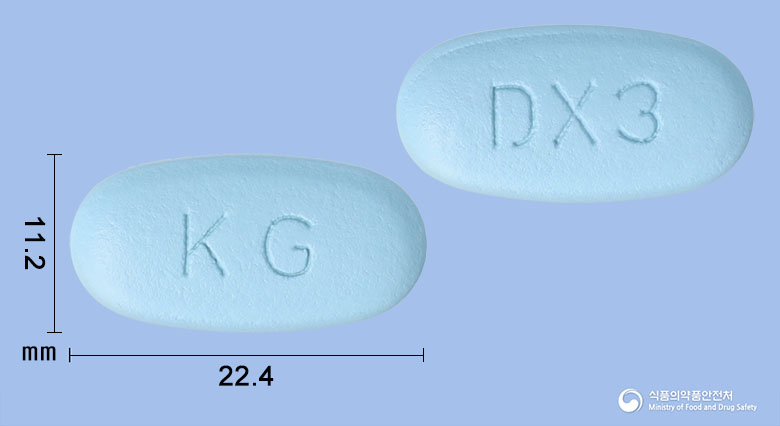 Viewing nowCombination
Glucitapoin Extended Release Tablet 100/1000 mg
Sitagliptin Hydrochloride Hydrate 113.37mg · Metformin Hydrochloride 1000mg
Tablet · Prescription medication · Combination
Keeps Biopharma Co., Ltd.
MFDS item code 202300608 · Approved 2023.02.17 · Insurance code 693202530
Improvement of blood sugar control in type 2 diabetes
This medication is used in combination with sitagliptin and metformin to assist in improving blood sugar control in patients with type 2 diabetes alongside dietary regulation and exercise therapy.
For this medication, 100/1000 mg extended-release tablets, take one tablet once daily. Patients taking 50/500 mg extended-release tablets or 50/1000 mg extended-release tablets should take two tablets at once, once daily. 1. For patients not currently treated with metformin: The initial dosage is a total daily amount of sitagliptin 100 mg and metformin 1000 mg. If the initial dosage does not provide sufficient blood sugar control...
This medication contains two components, sitagliptin and metformin, primarily used for blood sugar control in type 2 diabetes patients. Severe allergic reactions may occur when taking this medication, so if symptoms like rash, hives, or difficulty breathing appear, you must stop taking it immediately and consult a doctor. Pancreatitis, an inflammation of the pancreas, may rarely occur; if symptoms like abdominal pain, nausea, or vomiting appear, immediate medical attention is required. Patients with impaired kidney function, acute heart failure, dehydration, severe infections, etc., should not take this medication. Particularly in cases of reduced kidney function, administration should be discontinued. This drug can cause lactic acidosis, a rare but serious metabolic disturbance, so if symptoms like muscle pain, difficulty breathing, fatigue, or abdominal pain appear, inform your doctor immediately. During treatment, regular kidney function and blood tests should be conducted, as vitamin B12 levels may decrease, requiring periodic testing. Additionally, alcohol consumption can increase the risk of lactic acidosis, so it is advisable to avoid alcohol while on this medication. Before surgery or tests using radiographic contrast agents, this medication should be discontinued for a period of time, and it should be resumed only after confirming normal kidney function post-examination. Since there is a risk of hypoglycemia, if taken with other blood sugar-lowering medications, blood sugar changes should be closely monitored, especially during irregular meals, intense exercise, or nutritional deficits. This medication is not recommended for use in pregnant or nursing women, or in children under 18, as safety has not been established. Finally, it is crucial to consult healthcare professionals immediately if there are any abnormal symptoms during the course of treatment to receive appropriate care.
Hives, severe swelling (angioedema), chest tightness, difficulty breathing, anaphylaxis, exfoliative skin disease (Stevens-Johnson syndrome), high fever and severe rash, blisters, skin peeling, pain in oral/ocular mucosa, respiratory distress, acute pancreatitis, liver abnormalities (increased liver enzyme levels, possible jaundice), severe neurological symptoms (seizures, confusion, visual disturbances, etc.), acute kidney failure, severe swelling or urinary abnormalities, vesicular pemphigoid,
Not everyone experiences these, and they can vary from person to person.
This medication is sensitive to air and moisture, so it must be stored in a tightly closed container. It is recommended to maintain a storage temperature between 1 degree and 30 degrees Celsius at room temperature. This will help preserve the efficacy of the medication safely for a long time.
Bright blue, oval, bilayer, convex extended-release film-coated tablets
Bottle - 100 tablets/bottle, Bottle - 30 tablets/bottle
Even with the same ingredient, strength, dosage form and how it is taken can differ.
Viewing nowCombinationSitagliptin Hydrochloride Hydrate 113.37mg · Metformin Hydrochloride 1000mg
Tablet · Prescription medication · Combination
Keeps Biopharma Co., Ltd.
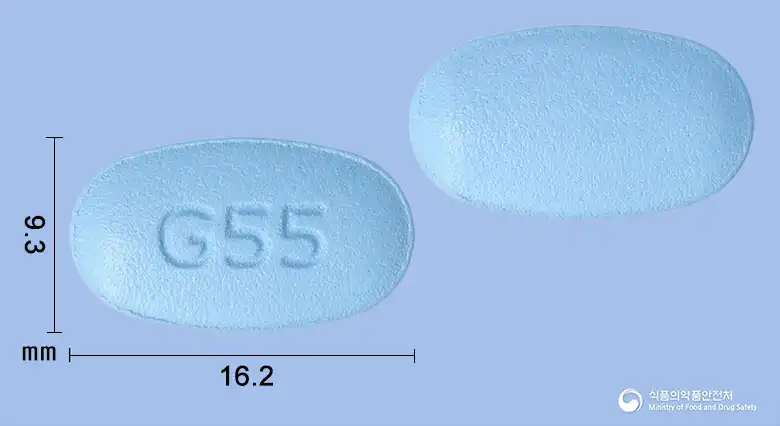 Combination
Sitagliptin Hydrochloride Hydrate 56.7mg · Metformin Hydrochloride 500mg
Tablet · Prescription medication · Combination
Shinil Pharmaceutical Co., Ltd.
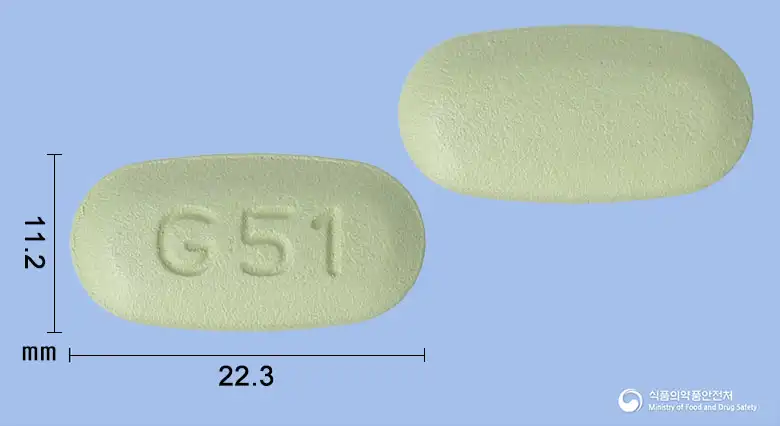 Combination
Sitagliptin Hydrochloride Hydrate 56.7mg · Metformin Hydrochloride 1000mg
Tablet · Prescription medication · Combination
Shinil Pharmaceutical Co., Ltd.
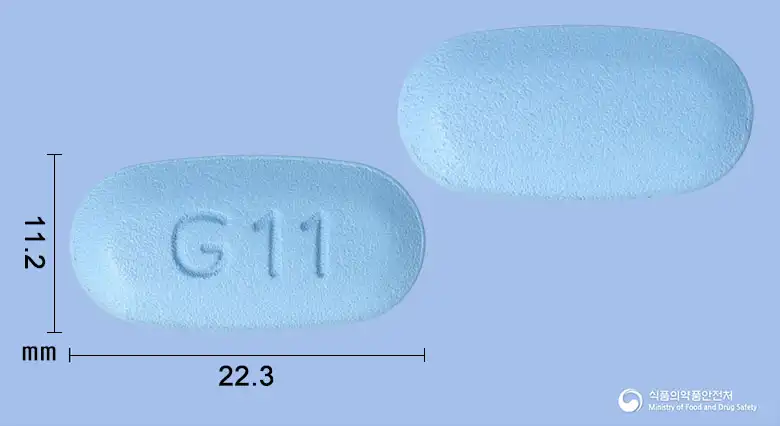 Combination
Sitagliptin Hydrochloride Hydrate 113.4mg · Metformin Hydrochloride 1000mg
Tablet · Prescription medication · Combination
Shinil Pharmaceutical Co., Ltd.
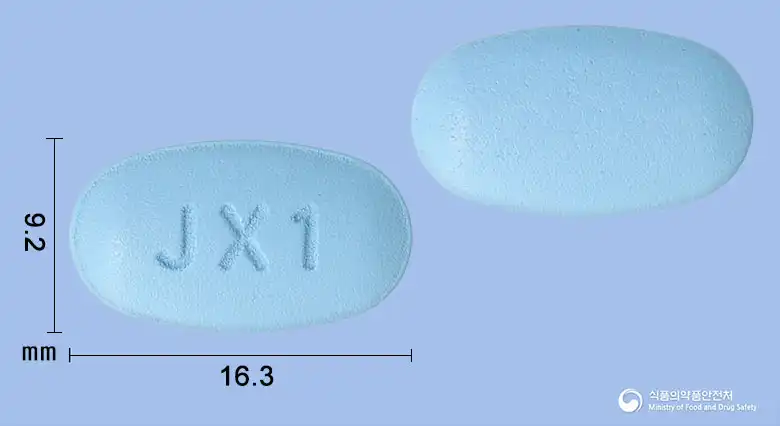 Combination
Sitagliptin Hydrochloride Hydrate 56.7mg · Metformin Hydrochloride 500mg
Tablet · Prescription medication · Combination
GL Pharma Co., Ltd.
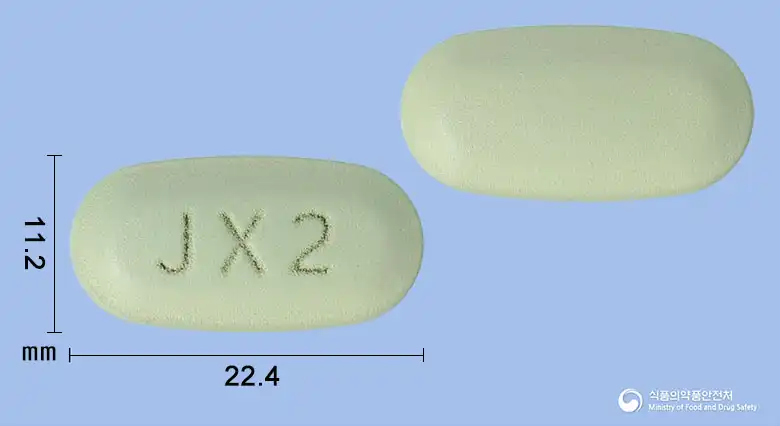 Combination
Sitagliptin Hydrochloride Hydrate 56.7mg · Metformin Hydrochloride 1000mg
Tablet · Prescription medication · Combination
GL Pharma Co., Ltd.
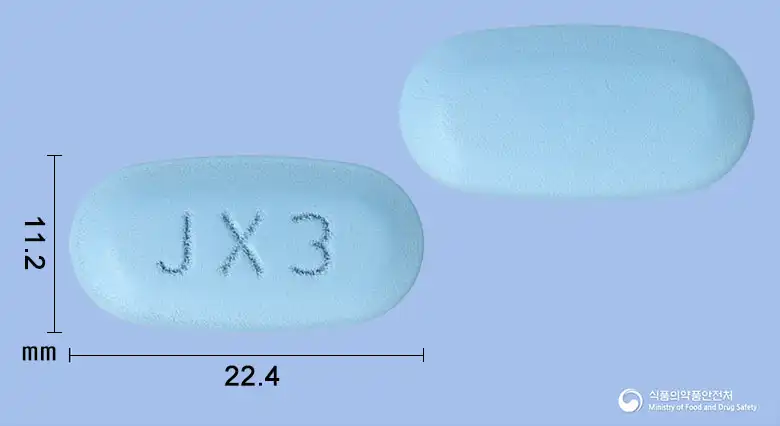 Combination
Sitagliptin Hydrochloride Hydrate 113.4mg · Metformin Hydrochloride 1000mg
Tablet · Prescription medication · Combination
GL Pharma Co., Ltd.
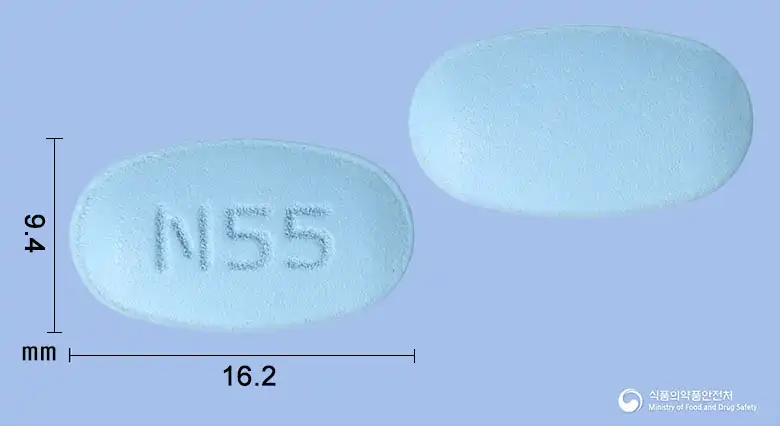 Combination
Sitagliptin Hydrochloride Hydrate 56.7mg · Metformin Hydrochloride 500mg
Tablet · Prescription medication · Combination
Korea Hutech Pharmaceutical Co., Ltd.
Even with the same ingredient, the dose and directions can differ by strength and dosage form. Talk to a doctor or pharmacist before switching from a medication you are already taking.
No questions yet.
For anything that needs medical judgment, consult a doctor or pharmacist.
This drug information is based on data provided by the Korea Ministry of Food and Drug Safety.
Consult a doctor or pharmacist for accurate dosage, administration, and usage instructions.