Effectiveness in controlling blood sugar in type 2 diabetes and preventing cardiovascular events
Who takes it
Adults
Adult dose
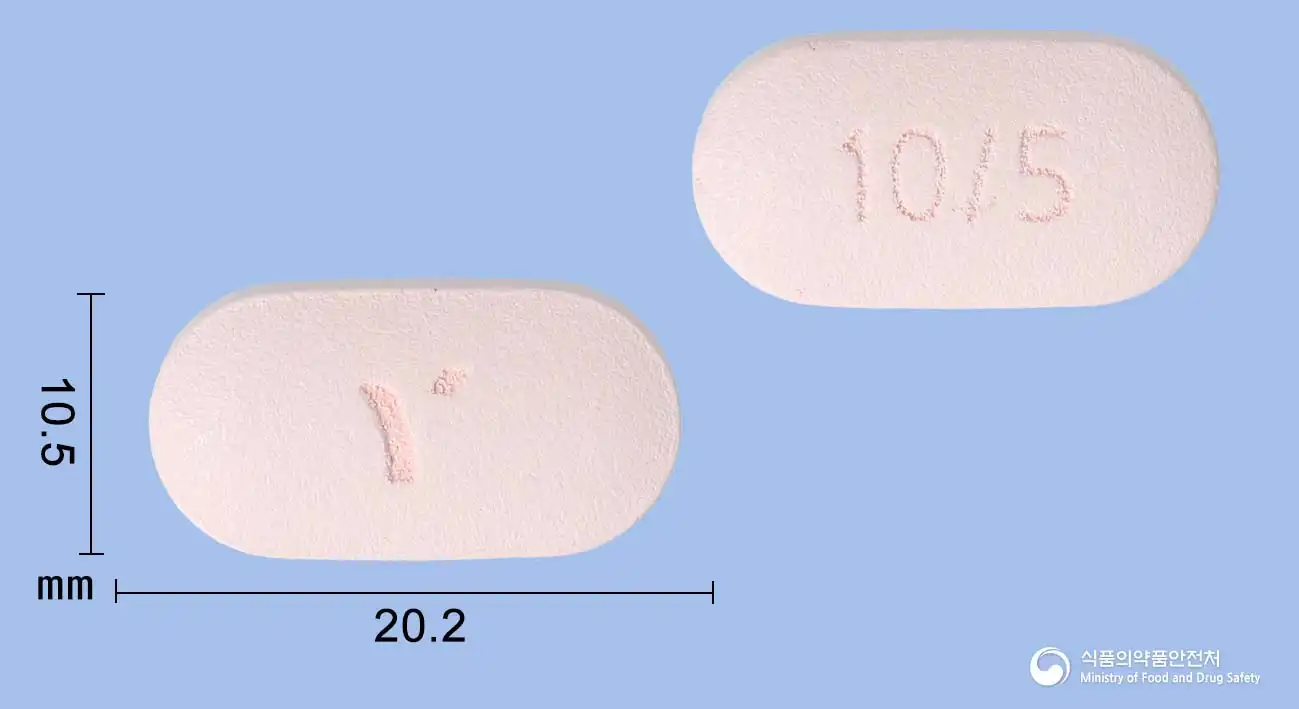
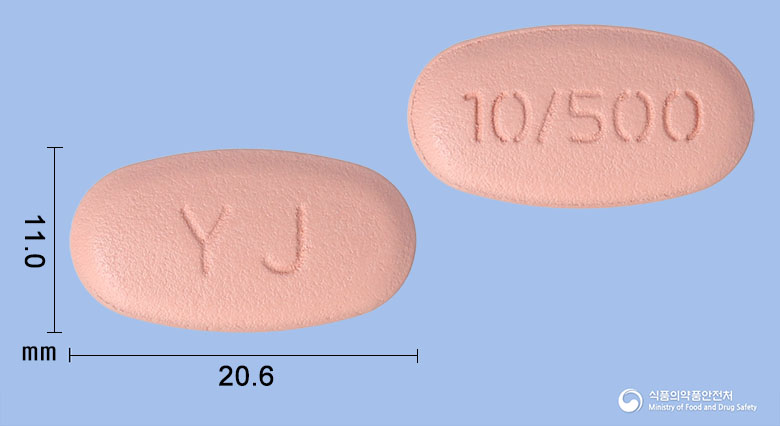
This medication is generally administered once daily with the evening meal. The maximum dosage is once daily dapagliflozin 10 mg/sustained release metformin 2000 mg, given as 2 tablets of 5 mg/1000 mg. When used as initial therapy, the recommended starting dosage is once daily 1 tablet of 5 mg/500 mg or 10 mg/500 mg. This medication should be swallowed whole and must not be crushed, cut, or chewed.
Effectiveness in controlling blood sugar in type 2 diabetes and preventing cardiovascular events
Type 2 diabetes with difficult blood sugar control
cardiovascular disease
cardiovascular risk factors
View approved original textHide original text
This medication is used as an adjunct to diet and exercise to assist with blood sugar control in adult patients with type 2 diabetes taking both dapagliflozin and metformin. In patients with type 2 diabetes whose blood sugar is not adequately controlled and who have cardiovascular disease or risk factors, the impact of dapagliflozin on the occurrence of cardiovascular events should be referenced from the professional information. This medication aids in diabetes management and blood sugar improvement to maintain health.
How to take
Adult dose
This medication is generally administered once daily with the evening meal. The maximum dosage is once daily dapagliflozin 10 mg/sustained release metformin 2000 mg, given as 2 tablets of 5 mg/1000 mg. When used as initial therapy, the recommended starting dosage is once daily 1 tablet of 5 mg/500 mg or 10 mg/500 mg. This medication should be swallowed whole and must not be crushed, cut, or chewed.
Precautions
This medication helps in controlling blood sugar levels. However, it can rarely cause a serious condition called lactic acidosis, so caution is advised. When used with other diabetes medications, there may be a risk of hypoglycemia, requiring dosage adjustments.
Patients with impaired kidney function or specific serious diseases, pregnant or breastfeeding women should not use this medication. Furthermore, the medication should be temporarily discontinued during periods of dehydration, severe infection, or unstable physical conditions around surgery.
Regular monitoring of kidney function and fluid status is required while using this medication, especially for elderly patients or those with decreased kidney function. Blood pressure and symptoms should be closely monitored as low blood pressure or dehydration may occur.
Side effects may include genital infections, urinary tract infections, hypoglycemia, dizziness, fluid depletion, etc. If any signs of infection occur, immediate medical attention is needed, and one should also be alert for symptoms of hypoglycemia.
This medication can lower vitamin B12 levels, so checking vitamin B12 concentration is recommended for long-term usage. Alcohol consumption may increase the risk of side effects from this medication, so it should be avoided.
Additionally, this medication can interact with other drugs, so inform your healthcare provider if you are taking any other medications, especially diuretics or blood pressure medications.
Pregnant women or those planning to become pregnant should not use this medication, and breastfeeding women should also avoid its use.
In case of overdose, immediate visit to a medical institution is necessary for appropriate treatment, as this medication is excreted through the kidneys, requiring careful management of kidney function.
While taking this medication, dizziness may occur when driving or operating machinery, so caution is advised, and it should be kept out of reach of children.
Side effects and when to seek care immediately
Serious side effects
Lactic acidosis, severe hypoglycemia, severe allergic reactions (hives, severe swelling, chest tightness, difficulty breathing, cold sweats, paleness), severe skin reactions (severe rash, blisters, skin peeling, pain in mucous membranes of mouth/eyes along with fever), breathing problems (shortness of breath or difficulty breathing, asthma attacks, abnormal breathing accompanied by cough and fever), liver abnormalities (yellowing of skin or eyes, extreme lethargy)
Mild side effects
Vulvovaginitis, balanitis and related genital infections, urinary tract infections, fungal infections, hypoglycemia, dry mouth, dizziness, constipation, back pain, painful urination, polyuria, nocturia, vulvar pruritus, genital pruritus, increased hematocrit, reduced renal creatinine clearance at the beginning of treatment, dyslipidemia, increased blood creatinine at the beginning of treatment, increased blood urea, weight loss, diarrhea, nausea/vomiting, decreased/deficiency of vitamin B12
Not everyone experiences these, and they can vary from person to person.
Storage
This medication may be sensitive to air and moisture, so it must be stored in a tightly sealed container. It is recommended to maintain a storage temperature between 1 to 30 degrees Celsius. This will help preserve the medication's efficacy.
Even with the same ingredient, the dose and directions can differ by strength and dosage form. Talk to a doctor or pharmacist before switching from a medication you are already taking.
Questions about this medicine
No questions yet.
For anything that needs medical judgment, consult a doctor or pharmacist.
This drug information is based on data provided by the Korea Ministry of Food and Drug Safety. Consult a doctor or pharmacist for accurate dosage, administration, and usage instructions.

 한국어
한국어 English
 日本語
日本語 中文(简体)
 Viewing nowCombination