Medication info
Dapagliflozin and Metformin Extended-Release Tablets 10/1000 mg (Dapagliflozin Propanediol Monohydrate, Metformin Hydrochloride)

Dapagliflozin and Metformin Extended-Release Tablets 10/1000 mg (Dapagliflozin Propanediol Monohydrate, Metformin Hydrochloride)

Prescription medicationTablet경구
Ingredient · strength
Dapagliflozin Propanediol Hydrate›12.3mg / 1 tabletMetformin Hydrochloride›1000mg / 1 tablet
Manufacturer / importer
(주)메디카코리아
Appearance
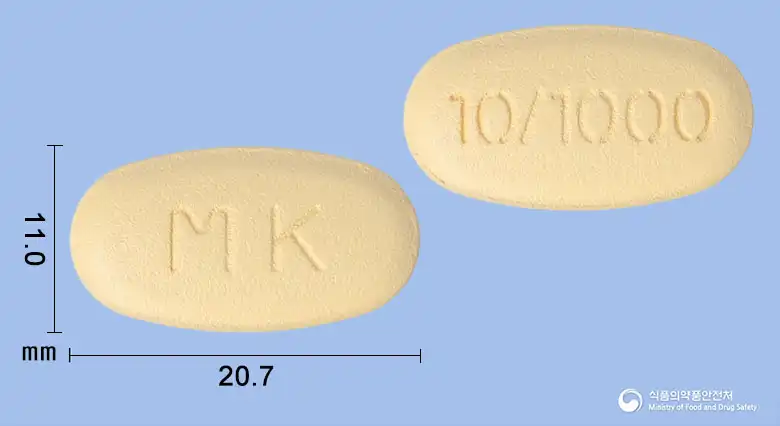
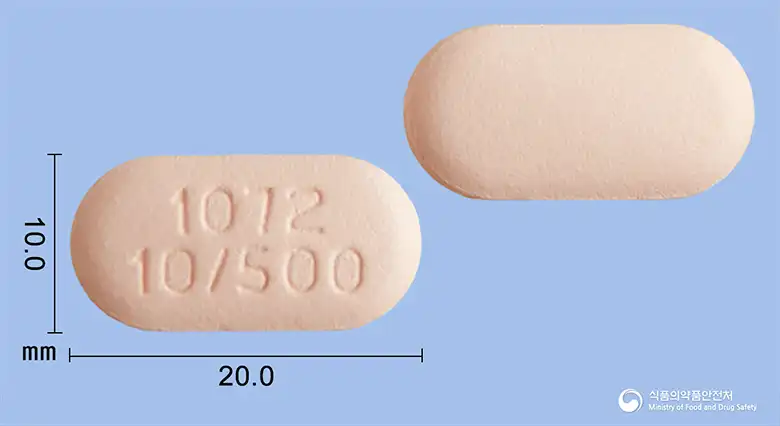
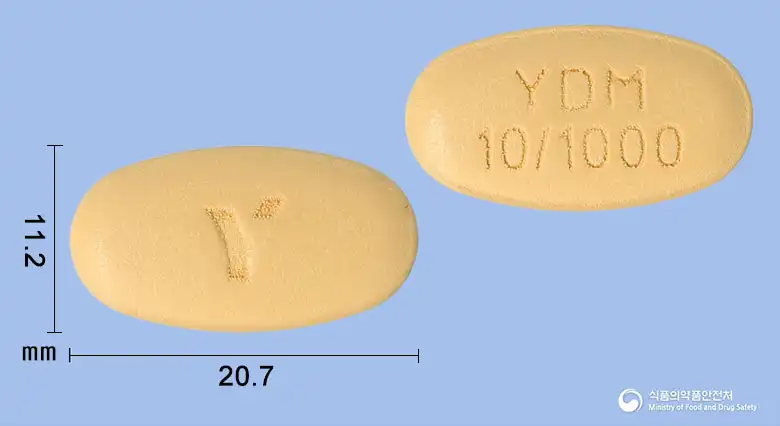
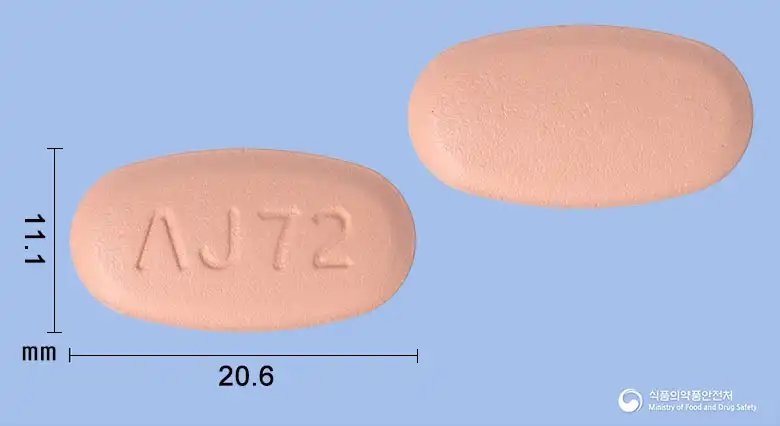
Yellow, oval, biconvex, extended-release film-coated tablet
Packaging
Box - 30 tablets/box [(10 tablets/PTP (Alu-Alu) x 3)]
Approval status
Active

MFDS item code 202300423 · Approved 2023.01.31 · Insurance code 646005680

Summary

Main use
Blood sugar control and prevention of cardiovascular events in type 2 diabetes
Who takes it
Adults
Adult dose
The dosage of this medication should be individualized based on the patient's current treatment, efficacy, and tolerability, without exceeding the maximum recommended dose of 10 mg of dapagliflozin and 2000 mg of extended-release metformin. It is generally administered once daily with the evening meal. The maximum dosage is 10 mg of dapagliflozin and 2000 mg of extended-release metformin once daily, taken as 2 tablets of 5 mg/1000 mg. For initial therapy

Ingredients

Manufacturer
(주)메디카코리아

Efficacy & effects

Blood sugar control and prevention of cardiovascular events in type 2 diabetes

  • Difficulty in controlling blood sugar
  • type 2 diabetes
  • cardiovascular disease
  • cardiovascular risk factors
View approved original text

This medication is used to help control blood sugar levels in adult patients with type 2 diabetes by combining dapagliflozin and metformin. It is mainly administered as an adjunct to diet and exercise to aid in blood sugar management. Particularly, for patients whose blood sugar is not well controlled and have cardiovascular disease or risk factors, further information regarding the cardiovascular effects of dapagliflozin can be referred to professionals. This medication is effective in improving blood sugar control in patients with type 2 diabetes.

How to take

Adult dose

The dosage of this medication should be individualized based on the patient's current treatment, efficacy, and tolerability, without exceeding the maximum recommended dose of 10 mg of dapagliflozin and 2000 mg of extended-release metformin. It is generally administered once daily with the evening meal. The maximum dosage is 10 mg of dapagliflozin and 2000 mg of extended-release metformin once daily, taken as 2 tablets of 5 mg/1000 mg. For initial therapy

Precautions

This medication helps in controlling blood sugar levels. Before taking this medication, it is essential to confirm that kidney function is normal. It should not be used in patients with severely impaired kidney function. It should not be used in cases of severe infection, dehydration, decreased heart function, acute myocardial infarction, and patients undergoing surgery should stop this medication 48 hours before the procedure. Pregnant or breastfeeding women should not take this medication. This medication can cause hypoglycemia and caution is particularly warranted when used with insulin or other blood glucose-lowering agents, and other medication dosages may need adjustment as necessary. While taking this medication, watch out for symptoms of dehydration or low blood pressure and regularly check fluid status and blood pressure. A rare but serious side effect called lactic acidosis can occur, so if symptoms like malaise, muscle pain, difficulty breathing, or abdominal pain occur, notify a doctor immediately. Genital and urinary tract infections may occur; thus, prompt treatment is necessary if infection symptoms are present. This medication may lower vitamin B12 levels, so it is recommended to regularly check vitamin B12 levels with long-term use. Alcohol may increase the risk of side effects from this medication, so it is advised to avoid excessive drinking while on this medication. During the use of this medication, consistent monitoring of blood sugar control is crucial, especially for elderly patients or those with decreased kidney function. In case of overdose, seek appropriate treatment at a medical institution immediately, and dialysis may be beneficial if necessary. This medication is not recommended for children as safety and efficacy have not been established.

Side effects and when to seek care immediately

Serious side effects

Severe lactic acidosis (with symptoms related to lactic acidosis such as malaise, muscle pain, difficulty breathing, asthenia, abdominal pain, hypothermia, hypotension, bradyarrhythmia), severe allergic reactions (such as hives, severe swelling, chest tightness, difficulty breathing, cold sweat, paleness), severe hypoglycemia, severe dermatological reactions (such as severe rash with fever, blisters, skin peeling, pain of oral/ocular mucosa), dyspnea or difficulty breathing, asthma attacks, cough and

Mild side effects

Genital infections such as vulvovaginitis, balanitis, urinary tract infection, hypoglycemia (particularly when combined with insulin or sulfonylureas), dizziness, constipation, dry mouth, low back pain, dysuria, polyuria, nocturia, pruritus, tendonitis, arthralgia, myalgia, headache, facial paralysis, peripheral neuropathy, sensory disturbances, drowsiness, tremors, upper abdominal pain, dyspepsia, abdominal discomfort, diarrhea, abdominal pain, salivary gland swelling, toothache, insomnia, palpitations, asthenia, fatigue, edema

Not everyone experiences these, and they can vary from person to person.

Storage

This medication should be stored in a tightly sealed container to prevent exposure to air or moisture. It is advisable to maintain the storage temperature between 1°C and 30°C to keep the medication effective for a longer time.

Appearance and packaging

Appearance

Yellow, oval, biconvex, extended-release film-coated tablet

Package unit

Box - 30 tablets/box [(10 tablets/PTP (Alu-Alu) x 3)]

Same-ingredient medicines

Even with the same ingredient, strength, dosage form and how it is taken can differ.

Even with the same ingredient, the dose and directions can differ by strength and dosage form. Talk to a doctor or pharmacist before switching from a medication you are already taking.

Questions about this medicine

No questions yet.

For anything that needs medical judgment, consult a doctor or pharmacist.

Related searches

Search tags

Suggested searches

This drug information is based on data provided by the Korea Ministry of Food and Drug Safety.
Consult a doctor or pharmacist for accurate dosage, administration, and usage instructions.