
 한국어
한국어 English
 日本語
日本語 中文(简体)
 Viewing now
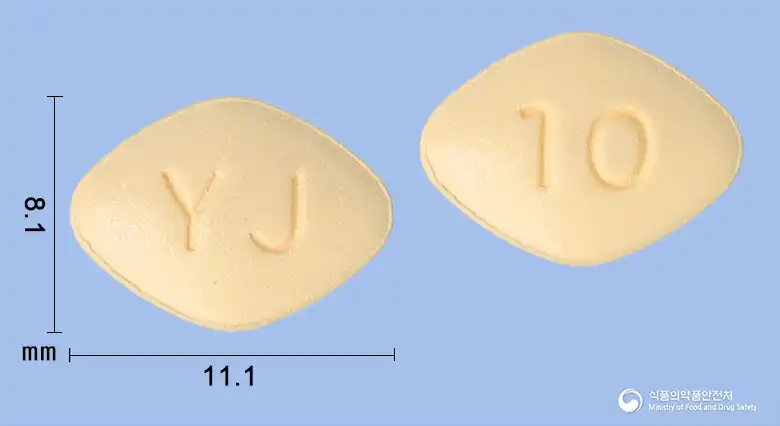
Daplo Tablets 10 mg (Dapagliflozin Propanediol Hydrate)
Dapagliflozin Propanediol Hydrate 12.3mg
Tablet · Prescription medication
Youngjin Pharmaceutical Co., Ltd.
MFDS item code 202300414 · Approved 2023.01.31 · Insurance code 642405140
Effect of blood sugar control and reduction of cardiovascular risk in type 2 diabetes
This medication is used in conjunction with diet and exercise to help control blood sugar in patients with type 2 diabetes. It can be administered alone or in combination with other medications. Care must be taken regarding the occurrence of cardiovascular events in patients with cardiovascular diseases or risk factors among those whose blood sugar is not sufficiently controlled. This medication is effectively used for the treatment of type 2 diabetes.
The recommended dose of this medication for both monotherapy and additional combination therapy is 10 mg once daily. In initial combination therapy, the dose is either 5 mg once daily or 10 mg once daily. This medication can be taken orally at any time during the day, regardless of meals. The tablet should be swallowed whole.
The efficacy and safety of dapagliflozin in patients under 18 years of age have not been established. No relevant data is available.
This medication should not be used in patients with allergies to its active ingredient or additives. It should also not be administered to patients with type 1 diabetes or diabetic ketoacidosis. Patients with a genetic intolerance to galactose, Lapp lactase deficiency, or glucose-galactose malabsorption should not take this medication. It is also not intended for patients undergoing kidney dialysis. Caution should be exercised when using this medication in patients with low fluid volume or impaired kidney function. This medication may lower blood pressure or temporarily change creatinine levels in the blood, affecting the kidneys. In particular, patients with impaired kidney function, the elderly, and those taking diuretics are at higher risk for hypotension or decreased fluid volume, necessitating careful monitoring of their condition before and after administration. The most common side effect of this medication is genital infections. Other possible side effects include urinary tract infections, hypoglycemia, dizziness, dry mouth, constipation, and weight loss. Additionally, rarely, serious side effects such as diabetic ketoacidosis, worsening kidney function, and necrotizing fasciitis may occur, so immediate consultation with healthcare professionals is necessary if symptoms appear. Pregnant women are advised not to take this medication, and it should be stopped immediately upon confirmation of pregnancy. Breastfeeding women are also recommended not to use this medication. The risk of hypoglycemia may be increased when this medication is used with drugs that can induce hypoglycemia, such as insulin or sulfonylureas, necessitating possible dosage adjustments. During the use of this medication, careful observation for symptoms of decreased fluid volume, hypotension, infection, and ketoacidosis is necessary, especially in elderly or patients with poor kidney function. The safety and efficacy of this medication in children have not been established, so it is not used in pediatric patients. In case of overdose, there is no specific antidote, and appropriate treatment should be given according to symptoms. Finally, this medication should be kept out of reach of children and stored in its original container.
Rash, severe swelling (edema), chest tightness, difficulty breathing, cold sweat, paleness, severe rash with high fever, blisters, skin peeling, pain in lips/eyes mucosa, shortness of breath or difficulty breathing, asthma attack, respiratory abnormalities accompanied by cough and fever, yellowing of skin or eyes (jaundice), profound fatigue, sudden and severe headache, thunderclap headache, seizures, altered consciousness, visual disturbances, paralysis, urination
Not everyone experiences these, and they can vary from person to person.
This medication must be stored in a sealed container to protect it from air and moisture. It is best to maintain a storage temperature between 1 degrees Celsius and 30 degrees Celsius.
Yellow, biconvex, diamond-shaped film-coated tablet
28 tablets/PTP [28 tablets (7 tablets/PTP x 4)]
Even with the same ingredient, strength, dosage form and how it is taken can differ.
Viewing nowDapagliflozin Propanediol Hydrate 12.3mg
Tablet · Prescription medication
Youngjin Pharmaceutical Co., Ltd.
Dapagliflozin Propanediol Hydrate 6.15mg
Tablet · Prescription medication
AstraZeneca Korea Co., Ltd.
Dapagliflozin Propanediol Hydrate 12.3mg
Tablet · Prescription medication
AstraZeneca Korea Co., Ltd.
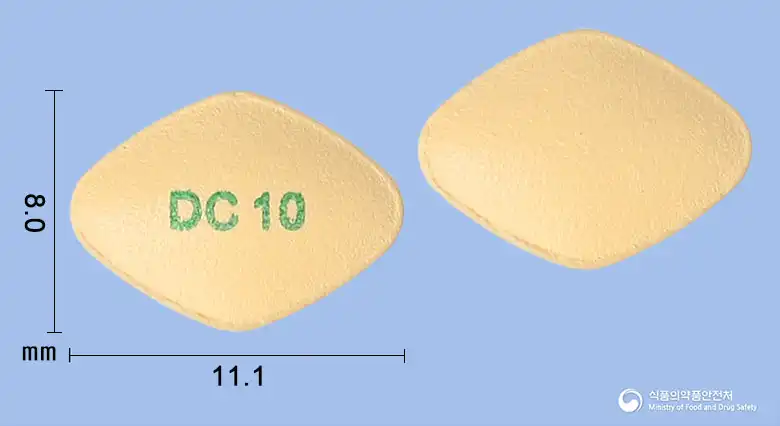
Dapagliflozin Propanediol Hydrate 12.3mg
Tablet · Prescription medication
Donggu Bio Pharmaceutical Co., Ltd.
Dapagliflozin Propanediol Hydrate 12.3mg
Tablet · Prescription medication
Il Sung IS Co., Ltd.
Dapagliflozin Propanediol Hydrate
Prescription medication
Optus Pharmaceutical Co., Ltd.
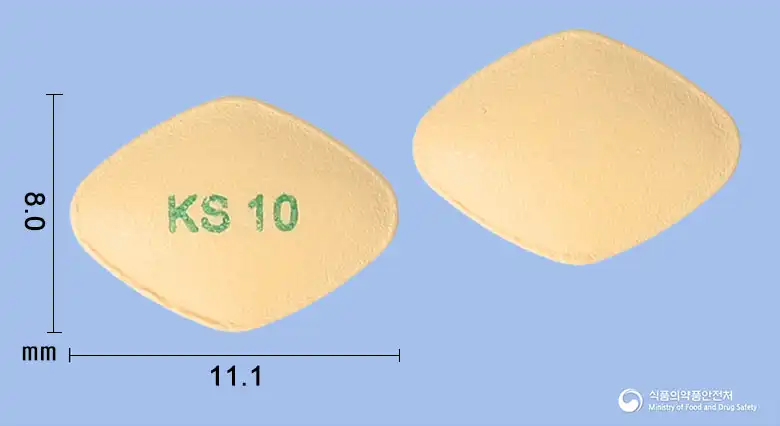
Dapagliflozin Propanediol Hydrate 12.3mg
Tablet · Prescription medication
Aprogen Biologics Co., Ltd.
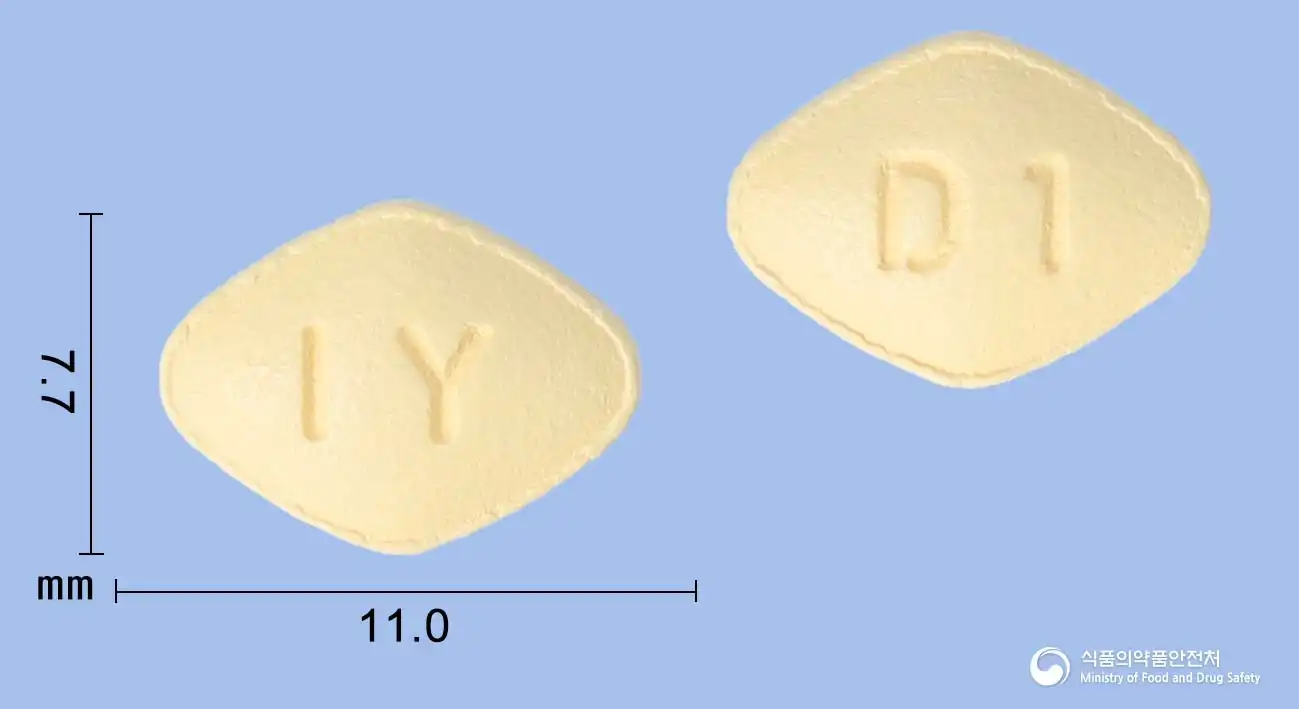
Dapagliflozin Propanediol Hydrate 12.3mg
Tablet · Prescription medication
Il Yang Pharmaceutical Co., Ltd.
Even with the same ingredient, the dose and directions can differ by strength and dosage form. Talk to a doctor or pharmacist before switching from a medication you are already taking.
No questions yet.
For anything that needs medical judgment, consult a doctor or pharmacist.
This drug information is based on data provided by the Korea Ministry of Food and Drug Safety.
Consult a doctor or pharmacist for accurate dosage, administration, and usage instructions.