
 한국어
한국어 English
 日本語
日本語 中文(简体)
 Viewing now
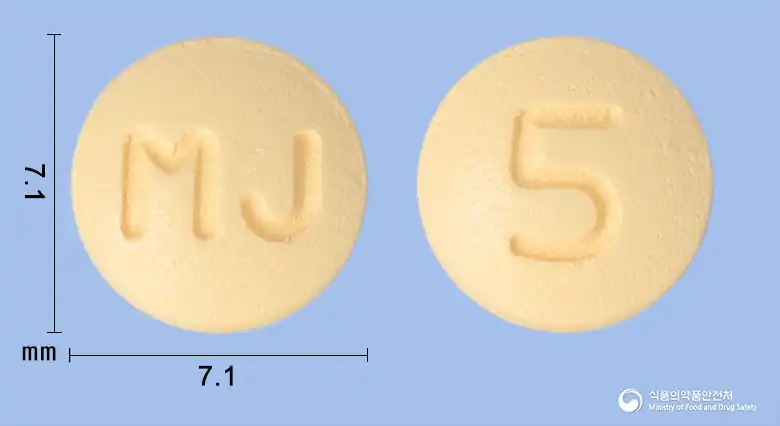
Dapaglim Tablets 5 mg (Dapagliflozin Propanediol Hydrate)
Dapagliflozin Propanediol Hydrate 6.15mg
Tablet · Prescription medication
Mother's Pharmaceutical Co., Ltd.
MFDS item code 202300412 · Approved 2023.01.31 · Insurance code 622805010
Treatment for blood glucose control in type 2 diabetes and reduction of cardiovascular risk in chronic heart failure and kidney disease
This medication is used alongside diet and exercise to assist blood glucose control in patients with type 2 diabetes and may be applied as monotherapy or in combination therapy. Additionally, in patients with chronic heart failure, it is administered in conjunction with existing therapies to reduce the risk of death or hospitalization due to cardiovascular diseases. For patients with chronic kidney disease, it is used with standard treatments to help lower the risk of kidney function deterioration and cardiovascular disease. This drug is effectively used for the treatment of major chronic diseases and risk reduction.
The recommended dosage for this medication is 10 mg once daily. During initial combination therapy, it may be administered as either 5 mg once daily or 10 mg once daily. For patients with chronic heart failure and chronic kidney disease, the recommended dosage is 10 mg once daily. It can be taken orally at any time of the day regardless of food intake, and the tablets should be swallowed whole.
The efficacy and safety of dapagliflozin in children under 18 years of age have not been established, and its use is not recommended.
This medication may not be used in certain patients. For example, individuals with allergies to the active ingredients or excipients should not take it. It is also not indicated for patients with type 1 diabetes or diabetic ketoacidosis. Patients with lactose intolerance or specific genetic metabolic disorders should not use this drug. It is recommended that patients undergoing dialysis do not use this medication. Caution is required for patients with decreased fluid volume or impaired kidney function. This drug may lower blood pressure and can cause a reduction in intravascular fluid volume, leading to hypotension or kidney damage. Special attention is needed for the elderly, those with poor kidney function, or patients taking diuretics. Prior to starting this medication, fluid status and kidney function should be assessed, and symptoms of hypotension and renal function should be monitored regularly during treatment. Blood glucose control effects may vary with kidney function; thus, it is not recommended for patients with severely impaired kidney function. The medication may lead to infections such as genital infections and urinary tract infections, particularly in women or those with a history of infections. Hypoglycemia symptoms may arise, especially when taken with insulin or sulfonylureas, increasing the risk. Signs of dehydration or hypotension due to decreased fluid volume may occur; if these symptoms occur, it is essential to consult a healthcare provider immediately. Rarely, a serious metabolic disorder known as diabetic ketoacidosis may develop, requiring urgent medical attention if symptoms such as vomiting, abdominal pain, or difficulty breathing occur. This medication may occasionally cause serious infections such as necrotizing fasciitis; immediate treatment is necessary if there is pain, swelling, or fever around the genital area. Pregnant or breastfeeding women are advised not to use this drug. Caution should be taken particularly when used by the elderly or those with impaired liver or kidney function, with regular tests required before and after use. This drug may interact with other medications, so it is crucial to inform healthcare professionals about all medications being taken. There is no specific antidote for overdose, so immediate treatment at a medical institution is essential. Finally, caution should be exercised while driving or operating machinery, as there is a risk of hypoglycemia.
Serious adverse events of genital infections, diabetic ketoacidosis, decreased fluid volume (dehydration, hypovolemia, hypotension), acute kidney injury and renal dysfunction, necrotizing fasciitis (Fournier's gangrene), urosepsis and pyelonephritis, anaphylactic reactions, urticaria, cold sweat, angioedema, chest tightness, difficulty breathing, cold sweat, pallor, severe rash accompanied by high fever, blisters, skin peeling, pain in mucous membranes of mouth/eyes, shortness of breath.
Vulvovaginitis, balanitis and related genital infections, urinary tract infections, fungal infections, hypoglycemia (when used with sulfonylureas or insulin), dry mouth, dizziness, constipation, back pain, painful urination, polyuria, nocturia, increased hematocrit, decreased renal creatinine clearance at the beginning of treatment, dyslipidemia, elevated serum creatinine, elevated blood urea, weight loss, dyspepsia, nausea, diarrhea, vomiting, genital itching.
Not everyone experiences these, and they can vary from person to person.
This medication is sensitive to air and moisture, so it should be stored in a tightly sealed container. It is important to maintain a storage temperature between 1 and 30 degrees Celsius in a room.
Yellow, round, convex film-coated tablets
28 tablets/box [(14 tablets/PTP x 2)]
Even with the same ingredient, strength, dosage form and how it is taken can differ.
Viewing nowDapagliflozin Propanediol Hydrate 6.15mg
Tablet · Prescription medication
Mother's Pharmaceutical Co., Ltd.
Dapagliflozin Propanediol Hydrate 6.15mg
Tablet · Prescription medication
AstraZeneca Korea Co., Ltd.
Dapagliflozin Propanediol Hydrate 12.3mg
Tablet · Prescription medication
AstraZeneca Korea Co., Ltd.
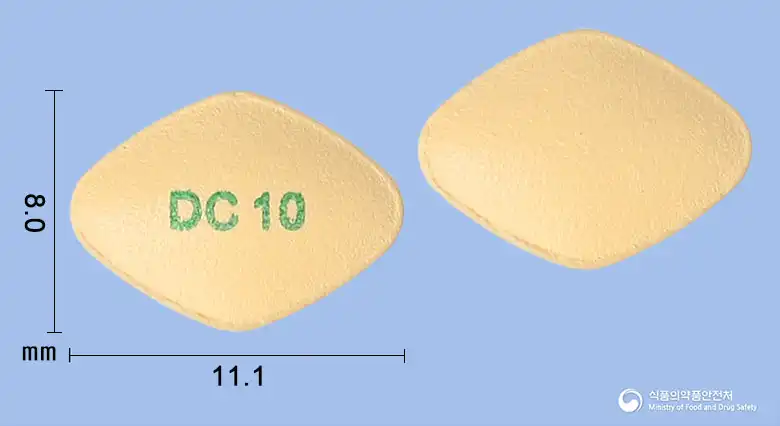
Dapagliflozin Propanediol Hydrate 12.3mg
Tablet · Prescription medication
Donggu Bio Pharmaceutical Co., Ltd.
Dapagliflozin Propanediol Hydrate 12.3mg
Tablet · Prescription medication
Il Sung IS Co., Ltd.
Dapagliflozin Propanediol Hydrate
Prescription medication
Optus Pharmaceutical Co., Ltd.
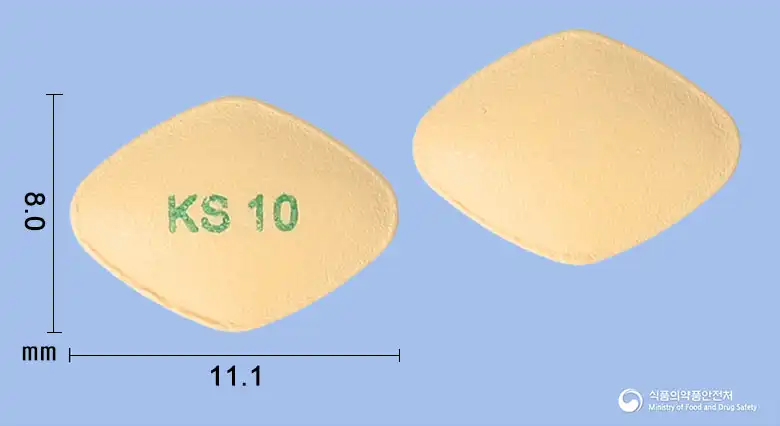
Dapagliflozin Propanediol Hydrate 12.3mg
Tablet · Prescription medication
Aprogen Biologics Co., Ltd.
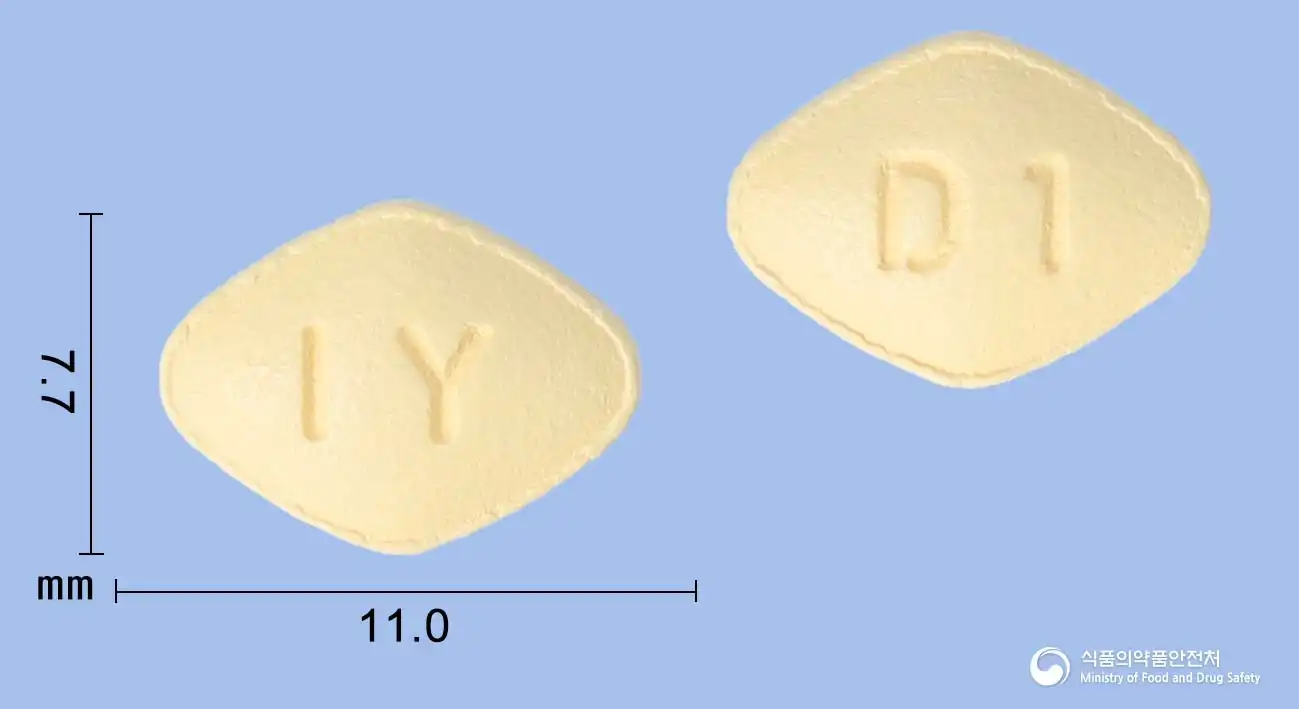
Dapagliflozin Propanediol Hydrate 12.3mg
Tablet · Prescription medication
Il Yang Pharmaceutical Co., Ltd.
Even with the same ingredient, the dose and directions can differ by strength and dosage form. Talk to a doctor or pharmacist before switching from a medication you are already taking.
No questions yet.
For anything that needs medical judgment, consult a doctor or pharmacist.
This drug information is based on data provided by the Korea Ministry of Food and Drug Safety.
Consult a doctor or pharmacist for accurate dosage, administration, and usage instructions.