
 한국어
한국어 English
 日本語
日本語 中文(简体)
 Viewing nowCombination
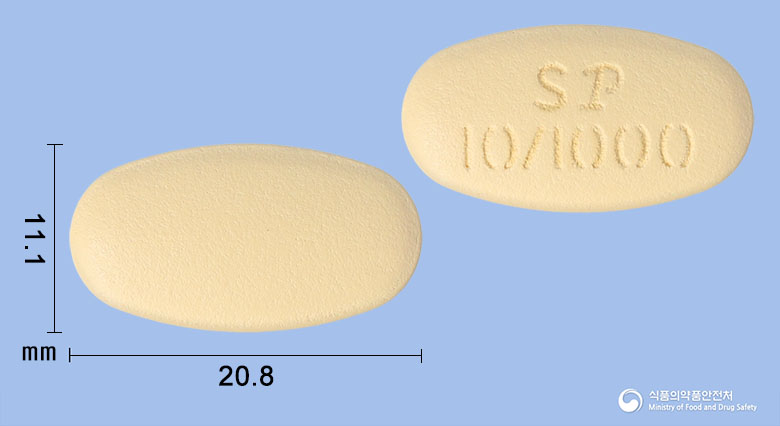
Dapagliflozin Metformin Controlled-Release Tablet 10/1000 mg
Dapagliflozin Propanediol Hydrate 12.3mg · Metformin Hydrochloride 1000mg
Tablet · Prescription medication · Combination
Shinpoong Pharmaceutical Co., Ltd.
MFDS item code 202300355 · Approved 2023.01.27 · Insurance code 648508130
Blood sugar control in type 2 diabetes and prevention of cardiovascular events
This medication helps in blood sugar control for adults with type 2 diabetes by combining dapagliflozin and metformin. It is used as an adjunct to diet and exercise for patients whose blood sugar is not well controlled, and may also be considered for those with type 2 diabetes who have cardiovascular disease or risk factors. For cardiovascular-related information, please refer to the healthcare professional's guide. Overall, this medication effectively improves blood sugar control in patients with type 2 diabetes.
The dosage of this medication should be individualized based on the patient’s treatment regimen, efficacy, and tolerability, without exceeding the maximum recommended dosage of dapagliflozin 10 mg and controlled-release metformin 2000 mg. Generally administered once daily with the evening meal. The maximum dosage is dapagliflozin 10 mg/control-release metformin 2000 mg once daily, with 2 tablets of 5 mg/1000 mg taken together. Previously treated with another diabetes medication.
This medication should not be administered to patients with impaired kidney function or serious infections, heart failure, etc. It may rarely cause a metabolic disorder known as lactic acidosis; therefore, kidney function should be routinely monitored, and healthcare professionals should be consulted immediately if any unusual symptoms occur. There is a risk of hypoglycemia when taken with insulin or sulfonylureas, so blood sugar levels should be closely monitored; dosage adjustments may be necessary. Patients with dehydration or low blood pressure should verify their hydration status and blood pressure before taking this medication and monitor for dizziness or hypotension symptoms during treatment. This medication may increase the risk of genitourinary infections; prompt treatment is necessary if any infection symptoms occur. Women who are pregnant or breastfeeding should not use this medication, and those planning for pregnancy or who may become pregnant should consult a healthcare professional. Elderly patients or those with impaired kidney function should have their dose carefully adjusted, and kidney function tests should be performed regularly. Avoid alcohol consumption while taking this medication, and if gastrointestinal discomfort or dehydration symptoms occur, temporarily discontinue use and consult with a healthcare professional. In case of overdose, seek appropriate medical treatment immediately, and this medication has not established safety for children, so it should not be used in that population. This medication may interact with other drugs, so it is essential to inform healthcare professionals of any other medications being taken.
Hypoglycemia, decreased fluid volume (dehydration, hypovolemia, hypotension), diabetic ketoacidosis, ketosis, urosepsis, pyelonephritis, acute kidney injury, kidney dysfunction, rash, severe allergic reactions (hives, severe swelling, chest tightness, difficulty breathing, cold sweat, pallor), severe skin adverse reactions (severe rash with fever, blisters, skin peeling, pain in oral/ocular mucosa), respiratory problems (shortness of breath or difficulty breathing)
Not everyone experiences these, and they can vary from person to person.
This medication is sensitive to air and humidity; therefore, it should be stored in a tightly closed container. It is recommended to maintain a storage temperature between 1 to 30 degrees Celsius. Proper storage can help maintain the efficacy of the medication for a longer period.
Yellow, biconvex, oval controlled-release film-coated tablet
30 tablets/bottle, 100 tablets/bottle
Even with the same ingredient, strength, dosage form and how it is taken can differ.
Viewing nowCombinationDapagliflozin Propanediol Hydrate 12.3mg · Metformin Hydrochloride 1000mg
Tablet · Prescription medication · Combination
Shinpoong Pharmaceutical Co., Ltd.
Metformin Hydrochloride 1000mg · Dapagliflozin Propanediol Hydrate 6.15mg
Tablet · Prescription medication · Combination
AstraZeneca Korea Co., Ltd.
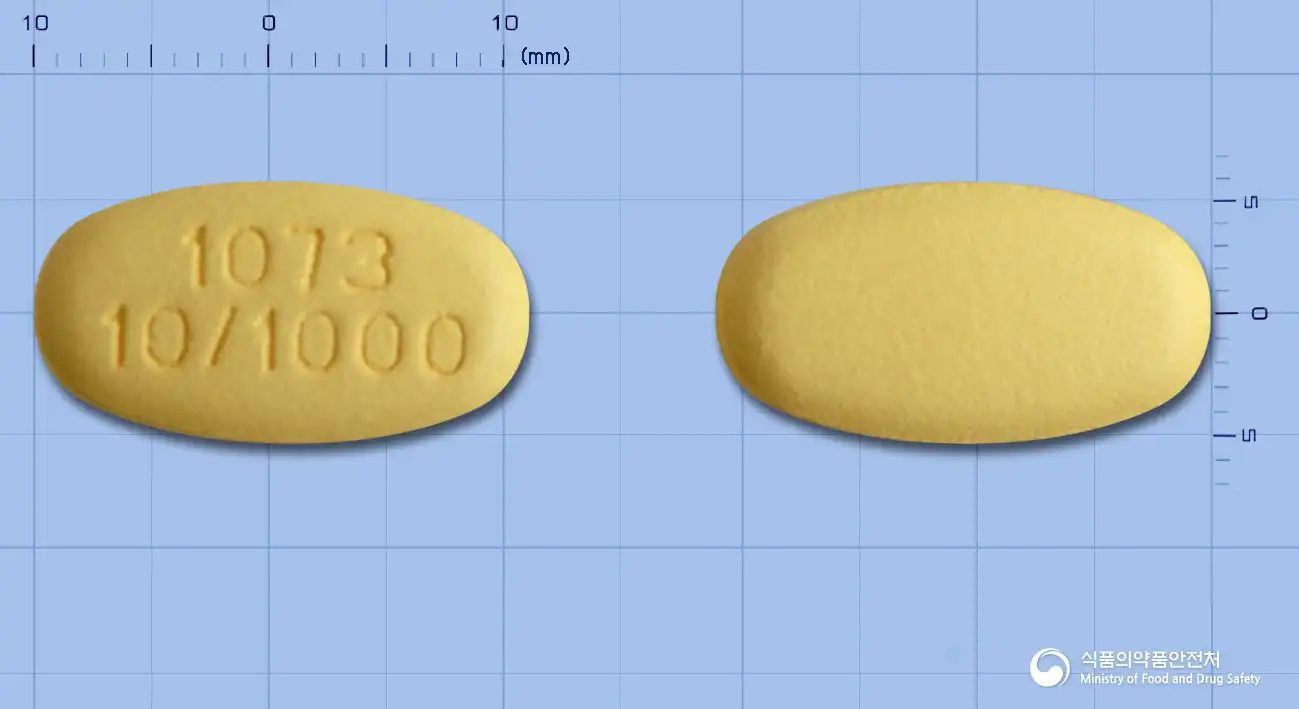 Combination
Metformin Hydrochloride 1000mg · Dapagliflozin Propanediol Hydrate 12.3mg
Tablet · Prescription medication · Combination
AstraZeneca Korea Co., Ltd.
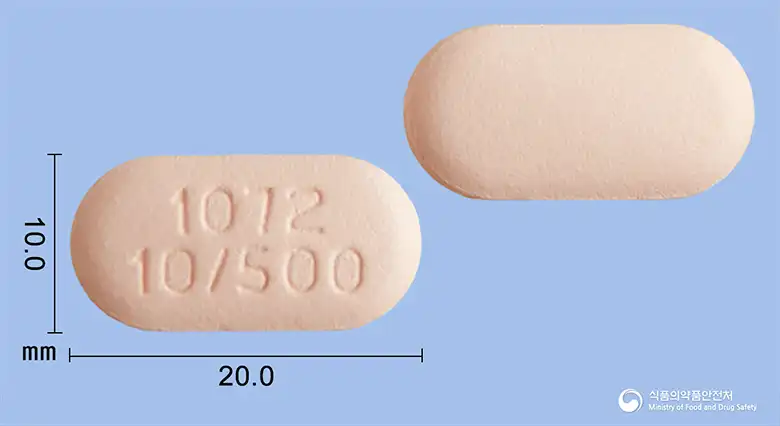 Combination
Metformin Hydrochloride 500mg · Dapagliflozin Propanediol Hydrate 12.3mg
Tablet · Prescription medication · Combination
AstraZeneca Korea Co., Ltd.
Metformin Hydrochloride 500mg · Dapagliflozin Propanediol Hydrate 6.15mg
Tablet · Prescription medication · Combination
AstraZeneca Korea Co., Ltd.
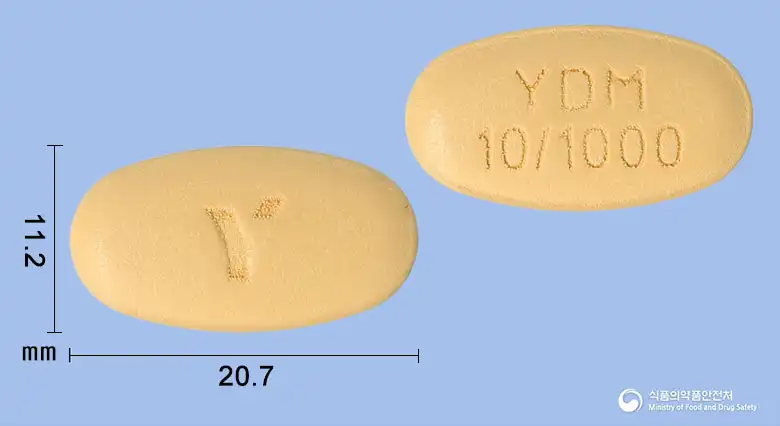 Combination
Metformin Hydrochloride 1000mg · Dapagliflozin Propanediol Hydrate 12.3mg
Tablet · Prescription medication · Combination
YouYoung Pharmaceutical Co., Ltd.
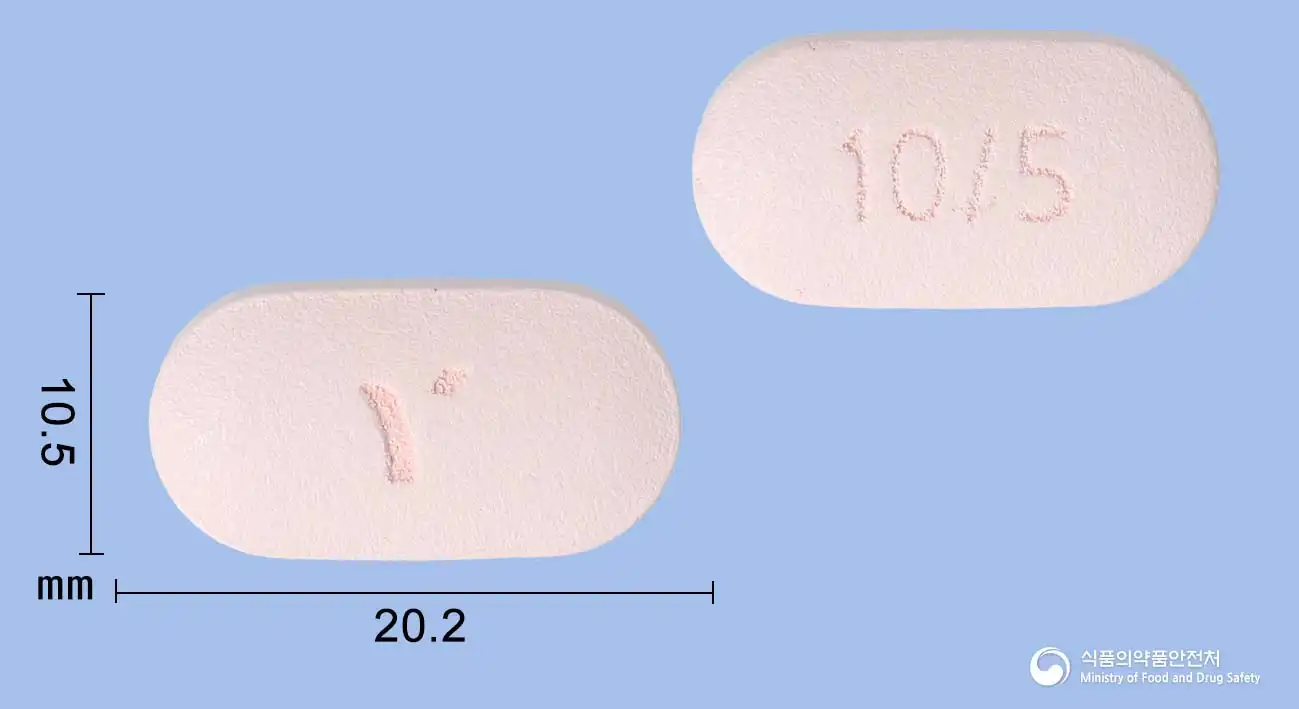 Combination
Metformin Hydrochloride 500mg · Dapagliflozin Propanediol Hydrate 12.3mg
Tablet · Prescription medication · Combination
Yuyoung Pharmaceutical Co., Ltd.
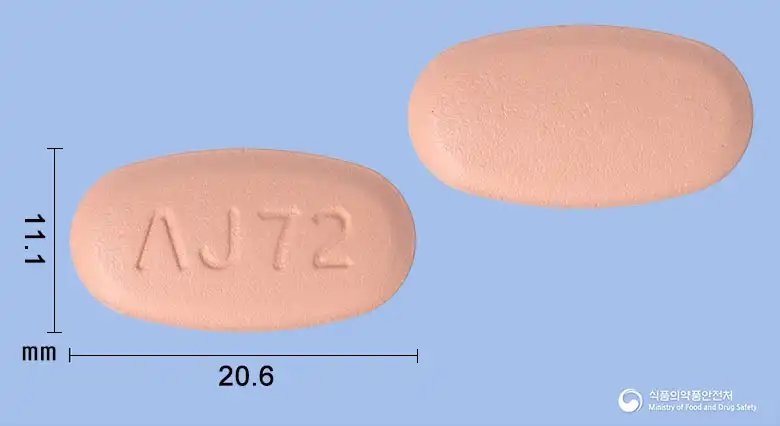 Combination
Dapagliflozin Propanediol Hydrate 12.3mg · Metformin Hydrochloride 500mg
Tablet · Prescription medication · Combination
Aju Pharmaceuticals Co., Ltd.
Even with the same ingredient, the dose and directions can differ by strength and dosage form. Talk to a doctor or pharmacist before switching from a medication you are already taking.
No questions yet.
For anything that needs medical judgment, consult a doctor or pharmacist.
This drug information is based on data provided by the Korea Ministry of Food and Drug Safety.
Consult a doctor or pharmacist for accurate dosage, administration, and usage instructions.