
 한국어
한국어 English
 日本語
日本語 中文(简体)
 Viewing nowCombination
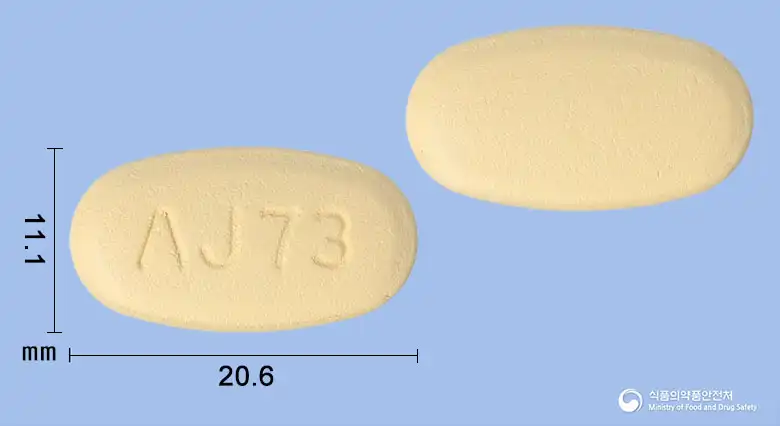
Dapagliflozin and Metformin Extended-Release Tablets 10/1000 mg
Dapagliflozin Propanediol Hydrate 12.3mg · Metformin Hydrochloride 1000mg
Tablet · Prescription medication · Combination
Aju Pharmaceuticals Co., Ltd.
MFDS item code 202300210 · Approved 2023.01.11 · Insurance code 654006070
Effect of blood sugar control and prevention of cardiovascular events in patients with type 2 diabetes
This medication is used in combination with dapagliflozin and metformin primarily to improve blood sugar control in adult patients with type 2 diabetes. It is more effective when administered alongside dietary and exercise therapy. In particular, in patients with type 2 diabetes who do not achieve adequate blood sugar control and have cardiovascular disease or risk factors, the impact of this medication on the occurrence of cardiovascular events should be referred to expert guidelines. Overall, this medication helps with blood sugar control and prevention of complications, supporting health management.
The general administration of this medication is once daily with the evening meal. The maximum dosage is once daily 10 mg of dapagliflozin and 2000 mg of extended-release metformin, administering 2 tablets of 5 mg/1000 mg. For those with no prior experience with diabetes medication, the initial regimen is to take 1 tablet once daily of either 5 mg/500 mg or 10 mg/500 mg. To reduce gastrointestinal side effects of metformin, dosing should be adjusted.
This medication is used in the treatment of diabetes and helps control blood sugar levels. While taking this medication, lactic acidosis, which can be life-threatening, may occur very rarely, so attention should be paid to symptoms or conditions. When used with other diabetes medications, hypoglycemia may occur, so blood sugar levels should be monitored carefully. Patients with severely impaired kidney function or acute conditions, dehydration, or severe infections may be at risk from taking this medication and should not use it. Women who are pregnant or breastfeeding should not use this medication, and women of childbearing potential should consult a doctor before use. Elderly patients or those with compromised kidney function should have their kidney function assessed before taking this medication and should be monitored regularly for kidney function and blood pressure during use. This medication may increase the risk of decreased fluid volume or hypotension, especially when taken with antihypertensive medications or diuretics, so caution is needed. Infection symptoms such as genital or urinary tract infections may occur during treatment, and should be reported to a healthcare provider immediately. This medication may lower vitamin B12 levels, so testing vitamin B12 levels is advisable during long-term treatment. Alcohol intake may increase the risk of lactic acidosis, so avoid excessive drinking during treatment. Blood sugar levels may suddenly drop during treatment, so be aware of hypoglycemic symptoms and be prepared to respond if necessary. During surgery or radiologic examinations with contrast agents, discontinue use and check kidney function before resuming. In case of overdose, seek medical attention immediately, and since this medication can be removed by dialysis, dialysis treatment may be helpful if needed. This medication has not been established as safe for children or pregnant women, so it is advisable not to use it for these groups. Caution is needed as dizziness may occur when driving or operating machinery.
Hives, severe swelling, chest tightness, difficulty breathing, cold sweat, pallor, severe rash with fever, blisters, skin peeling, pain in mucous membranes of mouth/eyes, shortness of breath or difficulty breathing, asthma attack, abnormal breathing accompanied by cough and fever, yellowing of the skin or eyes (jaundice), generalized extreme fatigue, sudden and severe headache, thunderclap headache, seizures, confusion, visual disturbances, paralysis, decreased urination
Hypoglycemia, dry mouth, dizziness, constipation, oral dryness, low back pain, dysuria, polyuria, nocturia, vulvar itching, genital itching, elevated hematocrit, decreased renal creatinine clearance at the beginning of treatment, dyslipidemia, elevated blood creatinine at the beginning of treatment, elevated blood urea, weight loss, diarrhea, nausea/vomiting, reduced/deficient vitamin B12, epigastric pain, dyspepsia, abdominal discomfort, abdominal pain, irritable bowel syndrome, salivary gland enlargement
Not everyone experiences these, and they can vary from person to person.
This medication should be stored in a tightly closed container to protect it from air and moisture. It is important to maintain a storage temperature between 1 degree and 30 degrees Celsius. This will help maintain the effectiveness and safety of the medication.
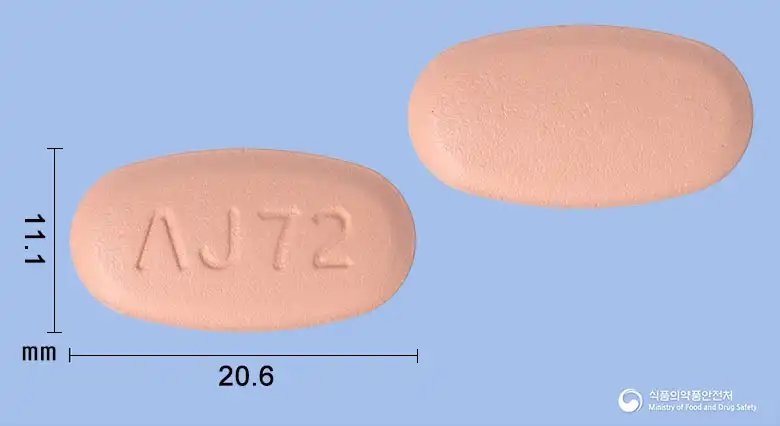
Yellow, oval-shaped, film-coated extended-release tablets that are convex on both sides
30 tablets/box [6 tablets/PTP x 5]
Even with the same ingredient, strength, dosage form and how it is taken can differ.
Viewing nowCombinationDapagliflozin Propanediol Hydrate 12.3mg · Metformin Hydrochloride 1000mg
Tablet · Prescription medication · Combination
Aju Pharmaceuticals Co., Ltd.
Metformin Hydrochloride 1000mg · Dapagliflozin Propanediol Hydrate 6.15mg
Tablet · Prescription medication · Combination
AstraZeneca Korea Co., Ltd.
 Combination
Metformin Hydrochloride 1000mg · Dapagliflozin Propanediol Hydrate 12.3mg
Tablet · Prescription medication · Combination
AstraZeneca Korea Co., Ltd.
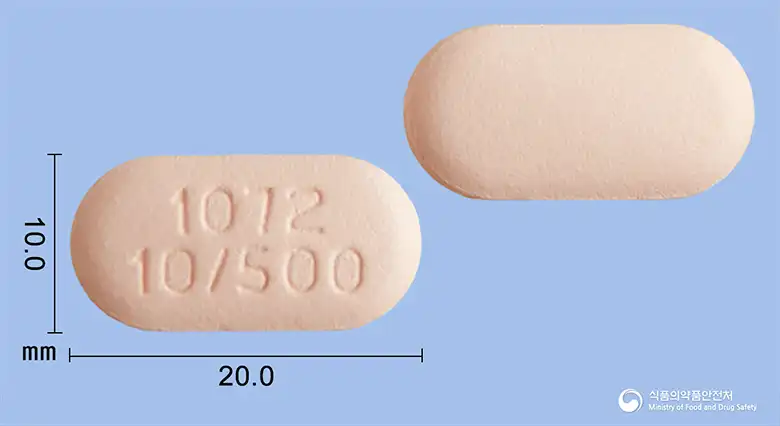 Combination
Metformin Hydrochloride 500mg · Dapagliflozin Propanediol Hydrate 12.3mg
Tablet · Prescription medication · Combination
AstraZeneca Korea Co., Ltd.
Metformin Hydrochloride 500mg · Dapagliflozin Propanediol Hydrate 6.15mg
Tablet · Prescription medication · Combination
AstraZeneca Korea Co., Ltd.
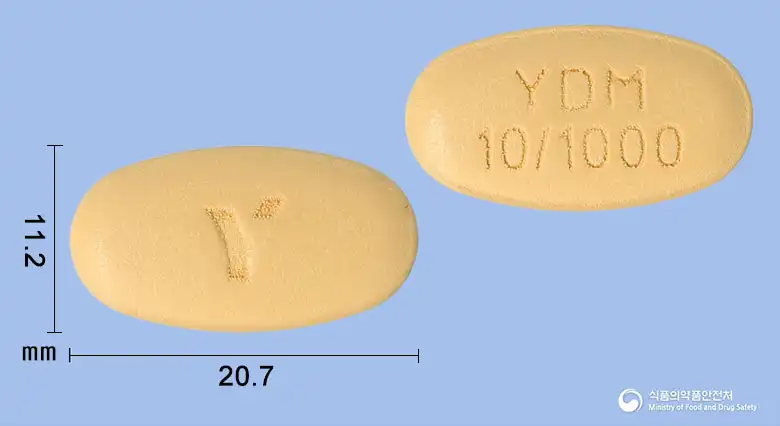 Combination
Metformin Hydrochloride 1000mg · Dapagliflozin Propanediol Hydrate 12.3mg
Tablet · Prescription medication · Combination
YouYoung Pharmaceutical Co., Ltd.
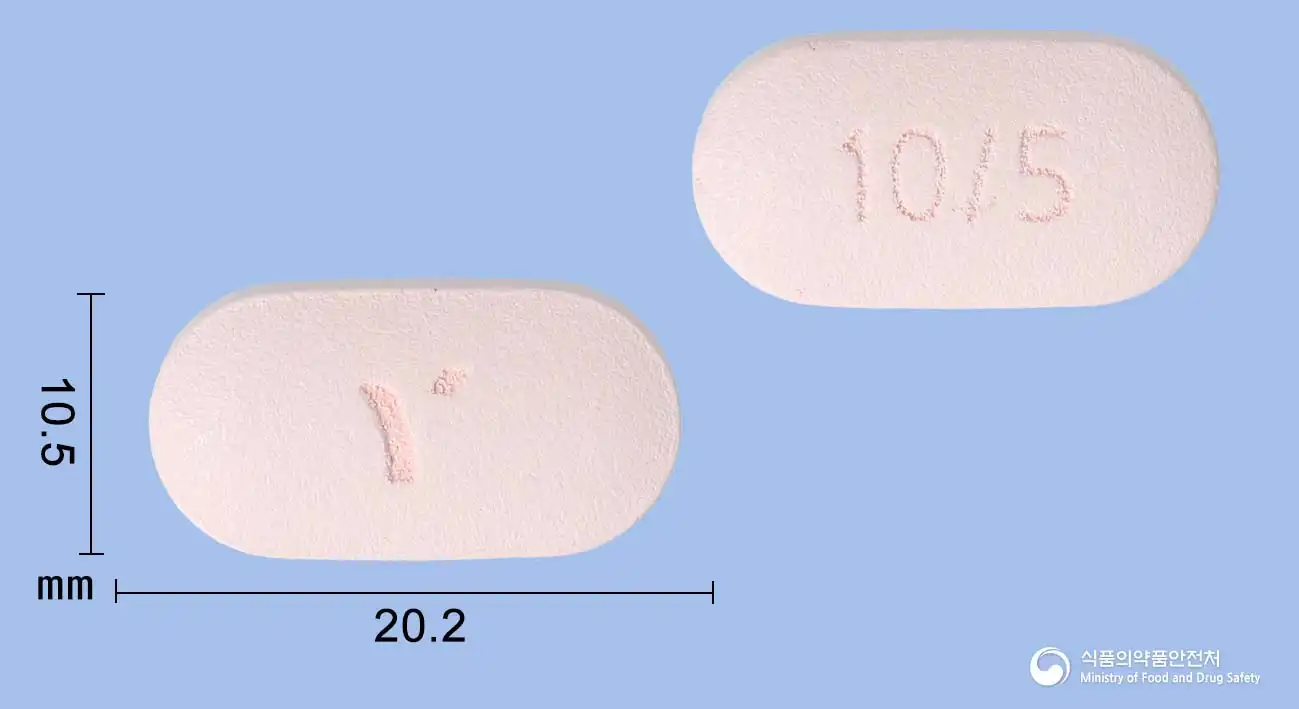 Combination
Metformin Hydrochloride 500mg · Dapagliflozin Propanediol Hydrate 12.3mg
Tablet · Prescription medication · Combination
Yuyoung Pharmaceutical Co., Ltd.
 Combination
Dapagliflozin Propanediol Hydrate 12.3mg · Metformin Hydrochloride 500mg
Tablet · Prescription medication · Combination
Aju Pharmaceuticals Co., Ltd.
Even with the same ingredient, the dose and directions can differ by strength and dosage form. Talk to a doctor or pharmacist before switching from a medication you are already taking.
No questions yet.
For anything that needs medical judgment, consult a doctor or pharmacist.
This drug information is based on data provided by the Korea Ministry of Food and Drug Safety.
Consult a doctor or pharmacist for accurate dosage, administration, and usage instructions.