This product's status changed to Approval withdrawn on 2025.08.14. It may no longer be sold, so consult a doctor or pharmacist before taking it.
Summary
Main use
Improvement of blood pressure control in essential hypertension
Who takes it
Adults · Children
Adult dose
The recommended dose of this medication is one tablet once daily, taken with water regardless of meals. It is recommended to take it at the same time each day (e.g., in the morning). 30/2.5 mg: Administered to patients whose blood pressure is inadequately controlled with pimasartan 30 mg monotherapy. 60/2.5 mg: Administered to patients whose blood pressure is inadequately controlled with pimasartan 60 mg monotherapy.
Child dose
The safety and efficacy of this medication have not been established in pediatric and adolescent patients under 18 years of age.
Improvement of blood pressure control in essential hypertension
Essential hypertension
View approved original textHide original text
This medication can effectively control blood pressure and prevent complications in patients with essential hypertension whose blood pressure is not adequately controlled with pimasartan potassium monotherapy. It provides assistance in cases where blood pressure control is difficult and contributes to the stable management of the patient's blood pressure.
How to take
Adult dose
The recommended dose of this medication is one tablet once daily, taken with water regardless of meals. It is recommended to take it at the same time each day (e.g., in the morning). 30/2.5 mg: Administered to patients whose blood pressure is inadequately controlled with pimasartan 30 mg monotherapy. 60/2.5 mg: Administered to patients whose blood pressure is inadequately controlled with pimasartan 60 mg monotherapy.
Child dose
The safety and efficacy of this medication have not been established in pediatric and adolescent patients under 18 years of age.
Precautions
This drug may cause serious harm to the fetus and newborn, especially during the second and third trimesters of pregnancy, so it should be discontinued immediately upon confirmation of pregnancy.
Those allergic to this drug's active ingredients or similar drugs, pregnant or breastfeeding women, patients undergoing kidney dialysis, patients with severely impaired liver function, those with biliary obstruction, and patients with certain kidney diseases should not take this medication.
Patients with low blood volume or sodium deficiency, impaired kidney function, renal artery hypertension, certain heart valve diseases, severe hypotension, and elderly patients should use this medication cautiously and be closely monitored for the possibility of side effects.
Side effects may include dizziness, headache, swelling of the face or limbs, urinary disturbances, insomnia, and flushing. In severe cases, acute renal failure or heart problems may occur.
As hypotensive symptoms may occur, patients taking diuretics or those with low sodium levels should be careful when starting this medication or increasing the dosage; if symptoms worsen, the patient should be laid down and intravenous fluids may be necessary.
This drug may raise blood potassium levels, so patients with heart disease or kidney disease should regularly check potassium levels through blood tests.
There may be interactions when taken with other antihypertensive medications or specific drugs, so if other medications are being taken, it is essential to consult with a doctor or pharmacist.
Pregnant and breastfeeding women are advised to avoid taking this medication and should consult with a doctor beforehand if necessary.
Safety for children and the elderly has not been adequately established, so special caution is needed.
Overdosage may lead to hypotension and cardiac arrhythmias, which may require emergency treatment.
This medication should be kept out of reach of children, and transferring it to another container may adversely affect its quality.
Side effects and when to seek care immediately
Serious side effects
Urticaria, severe swelling (edema), chest tightness, difficulty breathing, cold sweat, pallor, severe rash with high fever, blisters, skin peeling, pain in oral/ocular mucosa, difficulty breathing or shortness of breath, asthma attacks, respiratory abnormalities with cough and fever, yellowing of skin or eyes (jaundice), extreme lethargy, sudden and severe headache, lightning headache, seizures, confusion, visual disturbances, numbness, urination
Mild side effects
Dizziness
orthostatic dizziness
headache
facial swelling
peripheral edema
urinary disturbances
insomnia
flushing
dyspepsia
vomiting
Show 22 moreCollapse
nausea
upper abdominal pain
weakness
foreign body sensation
elevated liver enzyme levels
decreased platelet count
increased serum creatine phosphokinase
cough
muscle contraction
muscular stiffness
pruritus
localized urticaria
erectile dysfunction
headache
sedation
migraine
dyspepsia
cough
hair loss
sweating
purpura
skin discoloration
Not everyone experiences these, and they can vary from person to person.
Storage
This medication may be sensitive to light, so it should be stored in a tightly closed container that blocks light. It is also important to store it at a temperature between 1°C and 30°C to maintain the drug's efficacy.
Appearance and packaging
Appearance
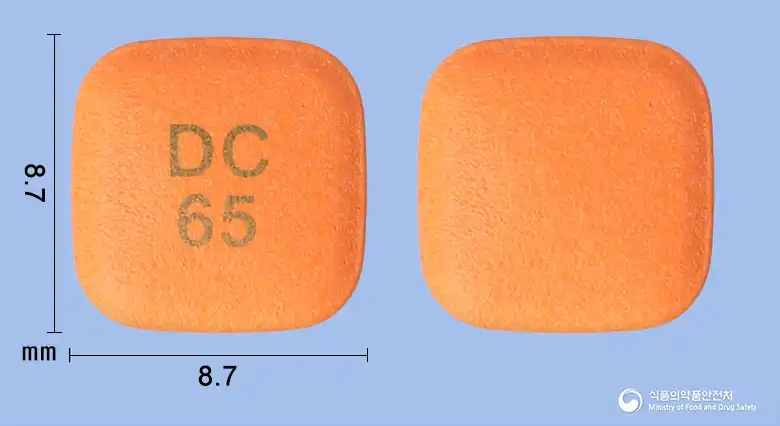
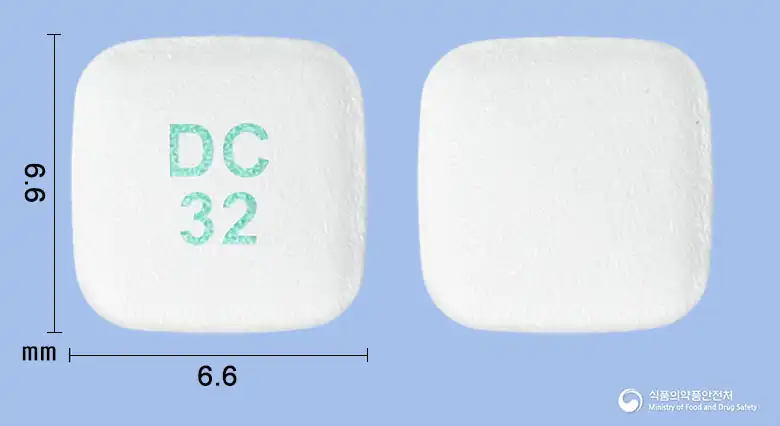
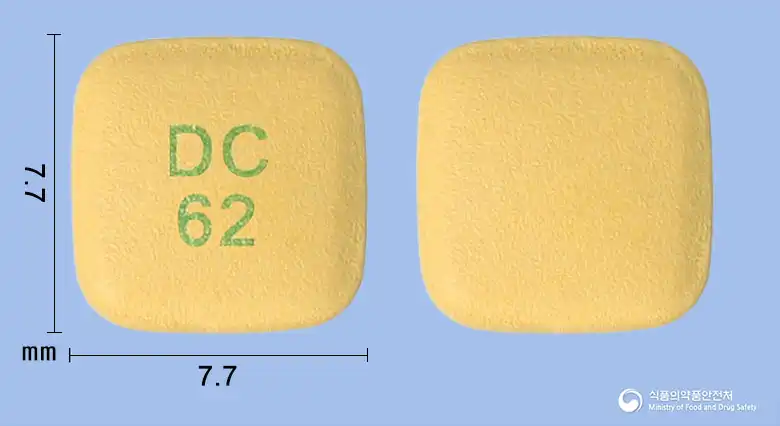
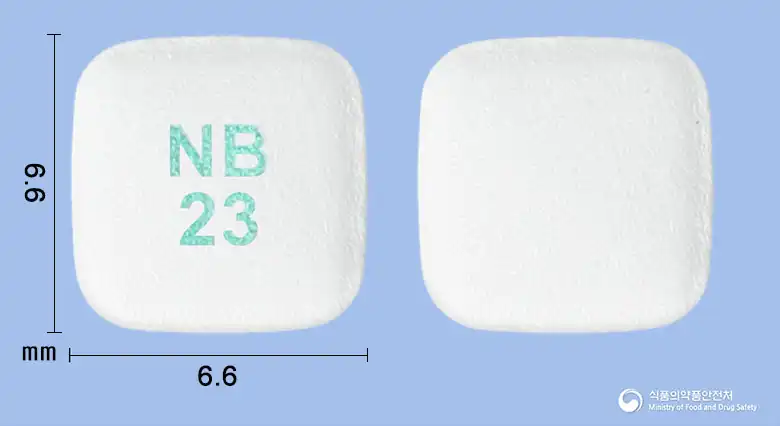
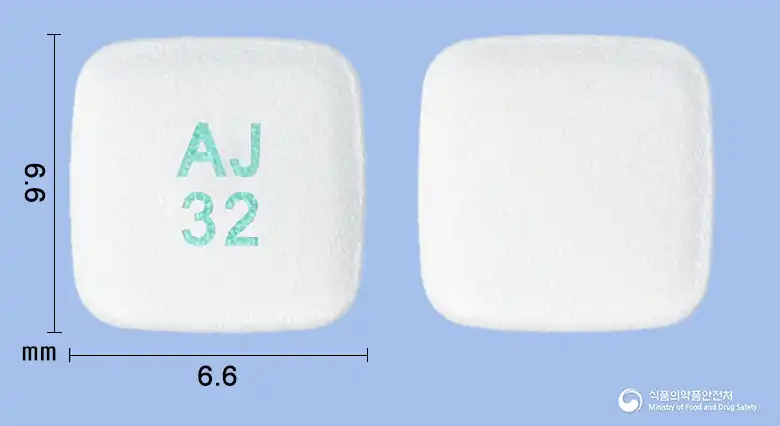
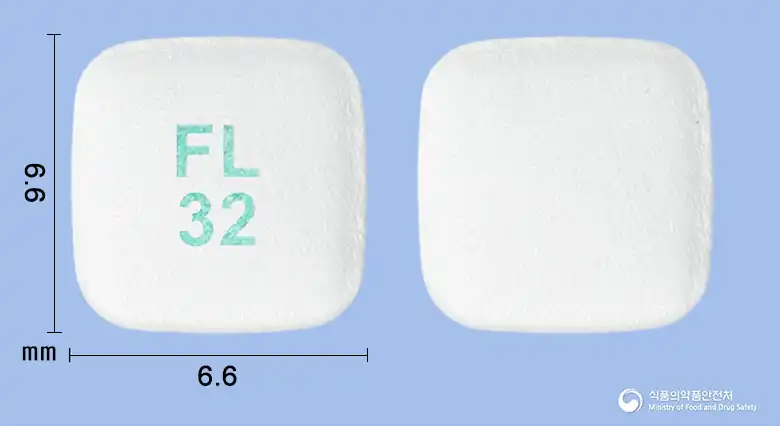
White, rounded square film-coated tablet
Package unit
30 tablets/bottle, 300 tablets/bottle
Same-ingredient medicines
Even with the same ingredient, strength, dosage form and how it is taken can differ.
Even with the same ingredient, the dose and directions can differ by strength and dosage form. Talk to a doctor or pharmacist before switching from a medication you are already taking.
Questions about this medicine
No questions yet.
For anything that needs medical judgment, consult a doctor or pharmacist.
This drug information is based on data provided by the Korea Ministry of Food and Drug Safety. Consult a doctor or pharmacist for accurate dosage, administration, and usage instructions.

 한국어
한국어 English
 日本語
日本語 中文(简体)