
 한국어
한국어 English
 日本語
日本語 中文(简体)
 Viewing nowCombination
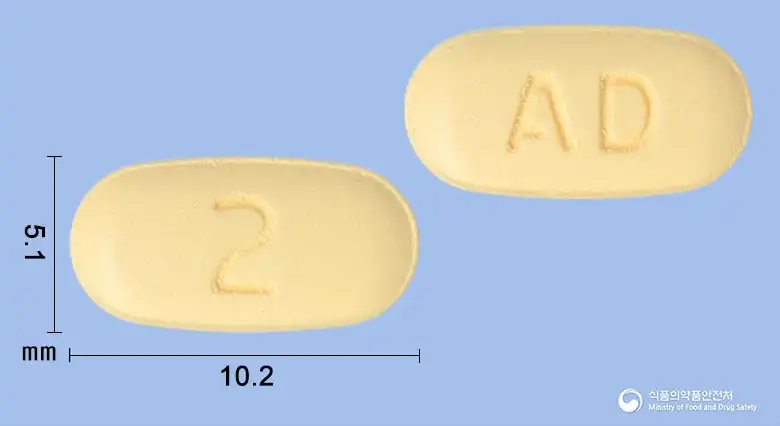
Lowrose Tablet 10/2.5 mg (Ezetimibe, Rosuvastatin Calcium)
Rosuvastatin Calcium 2.6mg · Ezetimibe 10mg
Tablet · Prescription medication · Combination
Adpharma Co., Ltd.
MFDS item code 202204606 · Approved 2022.12.21 · Insurance code 076800010
Improvement of hypercholesterolemia (primary, mixed type) and treatment of dyslipidemia
This medication aids in lowering elevated total cholesterol, LDL-cholesterol, apo B protein, triglyceride, and non-HDL cholesterol levels, while increasing HDL cholesterol levels, when used in conjunction with dietary therapy in patients with primary hypercholesterolemia and mixed dyslipidemia. This helps regulate blood lipid levels and is effective in reducing the risk of cardiovascular diseases.
This medication is administered once daily, regardless of meals. For primary hypercholesterolemia, the dosage range is 10/2.5 mg to 10/20 mg per day. An initial dose of 10/2.5 mg or 10/5 mg per day is recommended. Patients requiring more significant reductions in LDL cholesterol may adjust their dosage. After starting the treatment or adjusting the dosage, blood lipid levels should be checked at intervals of at least 4 weeks.
This medication has been reported to cause a rare side effect known as rhabdomyolysis, which can lead to serious muscle damage. This may result in a rapid decline in kidney function, so if symptoms of severe muscle pain or weakness occur, consult a physician immediately. This medication should not be administered to patients with certain diseases. For example, those allergic to the components contained in this medication, with severe liver impairment, having muscular diseases, taking specific immunosuppressants, experiencing severe kidney dysfunction, pregnant or nursing women, should not use this medication. Additionally, patients at high risk for myopathy or rhabdomyolysis should use this medication cautiously. Risk factors include reduced kidney function, hypothyroidism, family or personal history of muscular diseases, previous muscle toxicity experience with other lipid-lowering agents, excessive alcohol consumption, certain racial groups (e.g., Asian), and co-administration with other drugs that may interact with this medication. This medication contains lactose, so patients with lactose intolerance or related genetic disorders should not take it. Liver function tests should be performed before taking this medication, and any symptoms of liver damage during treatment should be reported to a physician immediately. If liver enzyme levels rise significantly, discontinuation of the medication may be necessary. If symptoms such as muscle pain or weakness occur, muscle enzyme levels in the blood should be tested, and if levels rise significantly, the medication should be stopped. Caution is needed when administering this medication to patients with a history of alcohol dependence or liver disease, and elderly patients are also at risk for myopathy and should be monitored closely. Women who are pregnant or who might become pregnant should not take this medication, and if pregnancy occurs during treatment, it should be discontinued immediately. Additionally, nursing mothers are advised not to take this medication. This medication can interact with other drugs, so anyone taking other medications must inform their physician. Particularly caution is required when taken with certain antibiotics, immunosuppressants, fibrates, anticoagulants, etc. Regular blood tests and liver function tests should be conducted during the course of this medication, and if any unusual symptoms occur, consult a physician immediately. The use of this medication in children is not recommended as safety and efficacy have not been adequately established for this population. This medication should be stored out of reach of children and care should be taken to avoid transferring it to other containers, as this can cause degradation of quality or accidents.
Constipation, diverticulitis, dyspepsia, COVID-19, arthralgia, contusion, elevated CPK, hematoma, iron deficiency anemia, nasopharyngitis, indigestion, edema, myalgia, headache, acute pyelonephritis, dry mouth, elevated liver enzymes, abnormal liver function tests, increased serum lactate dehydrogenase levels, pruritus, dizziness, drowsiness, neurodegenerative disorders, orthostatic dizziness, migraine, depression, bronchitis, rhinitis, cystitis, skin on hands and feet
Not everyone experiences these, and they can vary from person to person.
This medication should be stored in a tightly closed container to protect it from air and moisture, ideally at a temperature between 1 to 30 degrees Celsius. Storing it this way will help maintain the medication's effectiveness for a longer period.
Yellow rectangular film-coated tablet
30 tablets/box [10 tablets/PTP X 3], 30 tablets/bottle, 100 tablets/bottle
Even with the same ingredient, strength, dosage form and how it is taken can differ.
Viewing nowCombinationRosuvastatin Calcium 2.6mg · Ezetimibe 10mg
Tablet · Prescription medication · Combination
Adpharma Co., Ltd.
 Combination
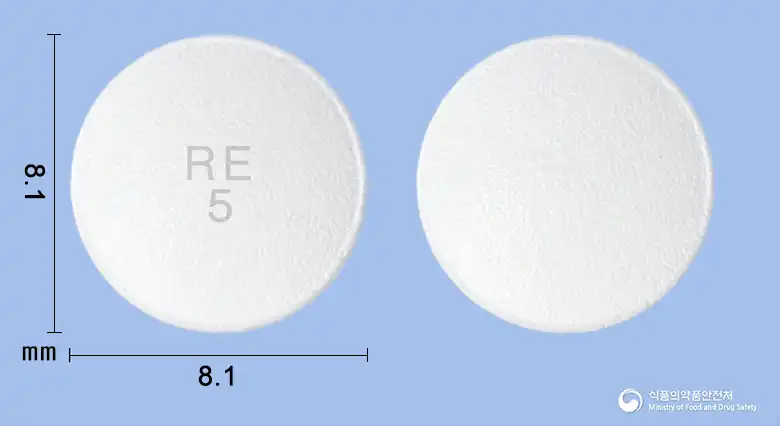
Rosuvastatin Calcium 5.2mg · Ezetimibe 10mg
Tablet · Prescription medication · Combination
Myungmoon Pharmaceutical Co., Ltd.
 Combination
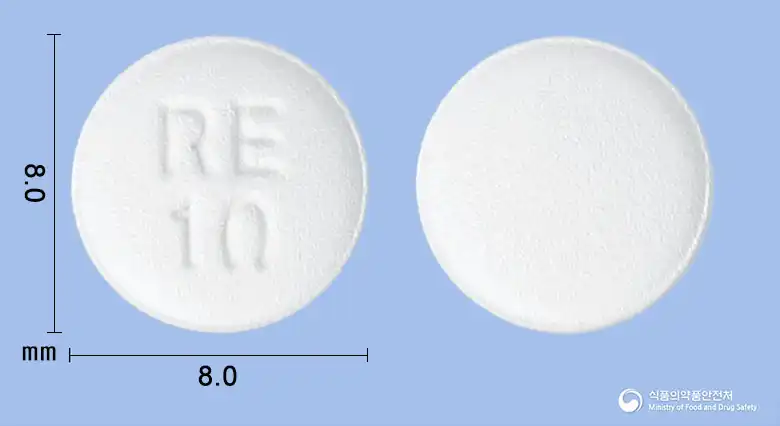
Rosuvastatin Calcium 10.4mg · Ezetimibe 10mg
Tablet · Prescription medication · Combination
Myungmoon Pharmaceutical Co., Ltd.
 Combination
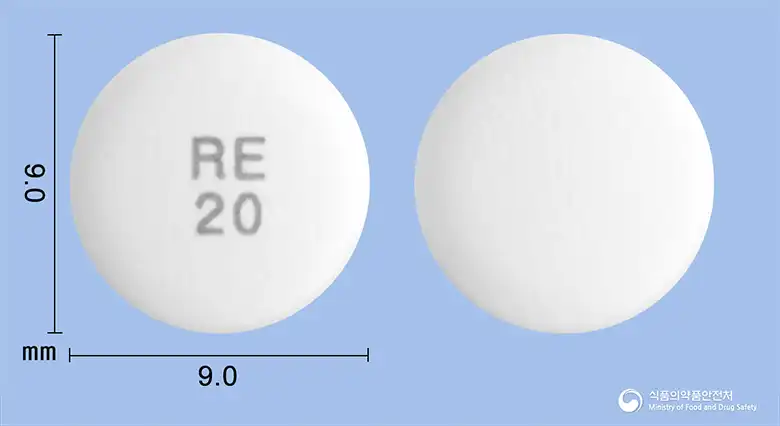
Rosuvastatin Calcium 20.8mg · Ezetimibe 10mg
Tablet · Prescription medication · Combination
Myeongmun Pharmaceutical Co., Ltd.
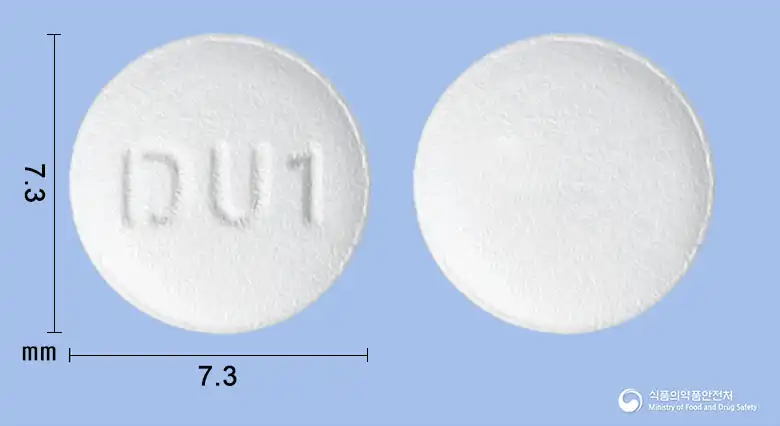 Combination
Ezetimibe 10mg · Rosuvastatin Calcium 5.2mg
Tablet · Prescription medication · Combination
Kyungdong Pharmaceutical Co., Ltd.
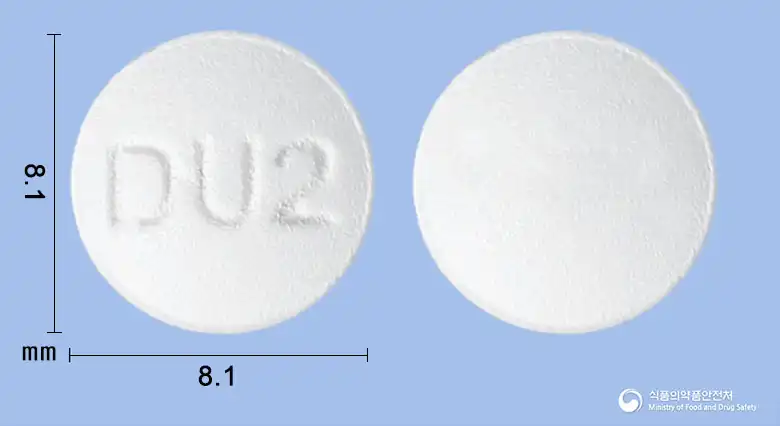 Combination
Ezetimibe 10mg · Rosuvastatin Calcium 10.4mg
Tablet · Prescription medication · Combination
Kyungdong Pharm. Co., Ltd.
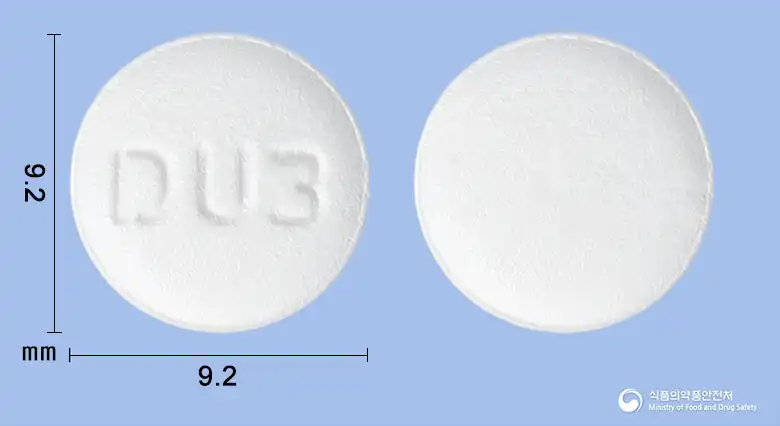 Combination
Ezetimibe 10mg · Rosuvastatin Calcium 20.8mg
Tablet · Prescription medication · Combination
Kyung Dong Pharmaceutical Co., Ltd.
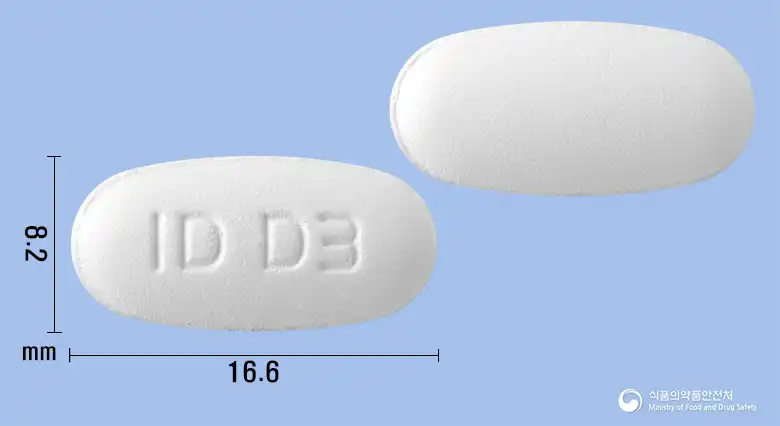 Combination
Ezetimibe 10mg · Rosuvastatin Calcium 20.8mg
Tablet · Prescription medication · Combination
Ildong Pharmaceutical Co., Ltd.
Even with the same ingredient, the dose and directions can differ by strength and dosage form. Talk to a doctor or pharmacist before switching from a medication you are already taking.
No questions yet.
For anything that needs medical judgment, consult a doctor or pharmacist.
This drug information is based on data provided by the Korea Ministry of Food and Drug Safety.
Consult a doctor or pharmacist for accurate dosage, administration, and usage instructions.