
 한국어
한국어 English
 日本語
日本語 中文(简体)
 Viewing nowCombination
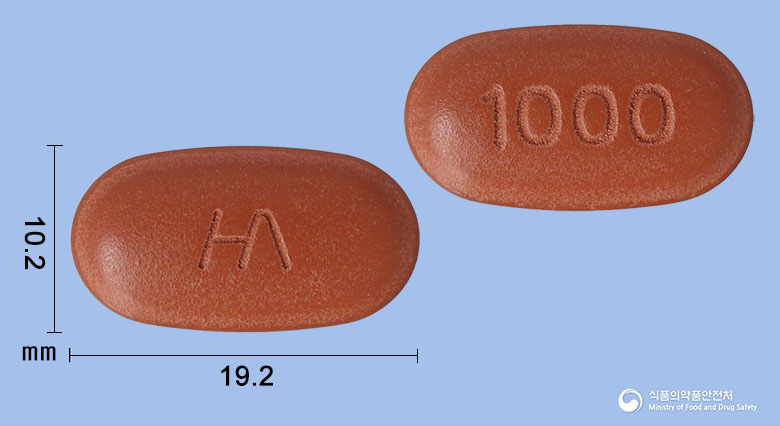
Glucita Duo Tablet 50/1000 mg
Sitagliptin Hydrochloride Hydrate 56.7mg · Metformin Hydrochloride 1000mg
Tablet · Prescription medication · Combination
Hanol Bio Pharma Co., Ltd.
MFDS item code 202204575 · Approved 2022.12.21 · Insurance code 655605610
Improvement of blood sugar control in type 2 diabetes
This medication is used alongside dietary and exercise therapy to assist in blood sugar control for patients with type 2 diabetes. The combined action of sitagliptin and metformin helps effectively improve blood glucose levels. Therefore, this medication will be very helpful for those who need blood sugar management.
This medication is generally taken twice daily with food, and to reduce gastrointestinal adverse reactions associated with metformin, the dosage should be gradually increased. 1. For patients not currently on metformin treatment: The initial dose of this medication is 50/500 mg taken twice daily, with the option to increase to 50/1000 mg, taking one tablet each time. 2. For patients receiving metformin treatment:
This medication contains sitagliptin and metformin, so several precautions are necessary when using it. First, sitagliptin may cause rare but serious allergic reactions, with symptoms such as anaphylaxis or severe skin conditions. If such symptoms are suspected, discontinue use immediately and consult with a doctor. Second, there is a risk of acute pancreatitis with sitagliptin, so if abdominal pain, nausea, or vomiting occurs after taking the medication, inform medical personnel immediately. Third, metformin has a rare but potentially fatal side effect called lactic acidosis, so patients with renal dysfunction or liver impairment should not use it. Fourth, patients with moderate to severe renal impairment, acute infections, dehydration, severe heart disease, or women who are pregnant or breastfeeding should not take this medication. Fifth, irregular eating habits, excessive exercise, and drug interactions may increase the risk of hypoglycemia or lactic acidosis, so caution is needed. Sixth, this medication can cause hypoglycemia, so blood sugar changes should be closely monitored, especially when taken with insulin or sulfonylurea medications. Seventh, alcohol consumption may increase the risk of lactic acidosis, so excessive drinking should be avoided while taking this medication. Eighth, if undergoing surgery or in situations where renal function may change drastically, temporarily suspend the use of the medication and resume only once the condition stabilizes. Ninth, if any unusual symptoms such as skin rash, severe joint pain, or blistering skin disorders occur while taking this medication, consult a doctor immediately. Finally, it is important to regularly check for drug side effects with blood tests and renal function tests, as well as periodically assess vitamin B12 levels. During the use of this medication, adhere to these precautions, and consult medical personnel immediately if any suspicious symptoms occur.
Hives, severe swelling (angioedema), chest tightness, difficulty breathing, anaphylaxis, Stevens-Johnson syndrome, severe allergic reactions, severe skin adverse reactions, severe rashes, blisters, skin peeling, pain in mucous membranes of mouth/eyes, shortness of breath or difficulty breathing, asthma attacks, respiratory abnormalities accompanied by cough and fever, jaundice of skin or eyes, systemic lethargy, liver abnormalities, sudden and very severe headaches, thunderclap headache,
Not everyone experiences these, and they can vary from person to person.
This medication should be stored in a sealed container to prevent air and moisture from entering. Additionally, avoid extremely hot or cold places, and it is advisable to store it at room temperature between 1°C and 30°C.
Dark red oval film-coated tablets
56 tablets/box [(14 tablets/PTP x 4)], 30 tablets/bottle, 200 tablets/bottle
Even with the same ingredient, strength, dosage form and how it is taken can differ.
Viewing nowCombinationSitagliptin Hydrochloride Hydrate 56.7mg · Metformin Hydrochloride 1000mg
Tablet · Prescription medication · Combination
Hanol Bio Pharma Co., Ltd.
 Combination
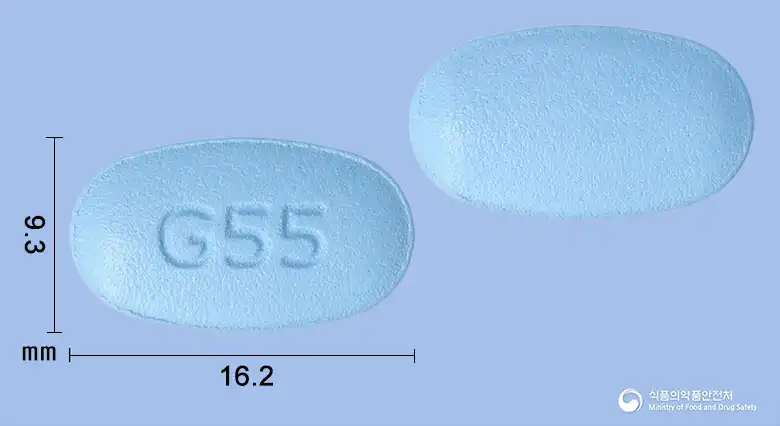
Sitagliptin Hydrochloride Hydrate 56.7mg · Metformin Hydrochloride 500mg
Tablet · Prescription medication · Combination
Shinil Pharmaceutical Co., Ltd.
 Combination
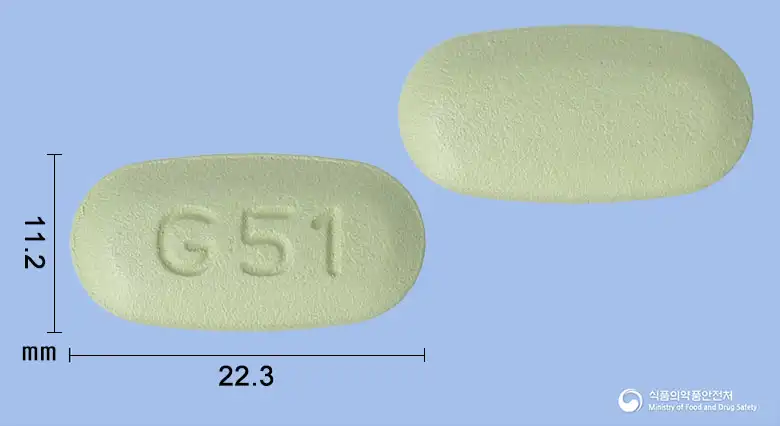
Sitagliptin Hydrochloride Hydrate 56.7mg · Metformin Hydrochloride 1000mg
Tablet · Prescription medication · Combination
Shinil Pharmaceutical Co., Ltd.
 Combination
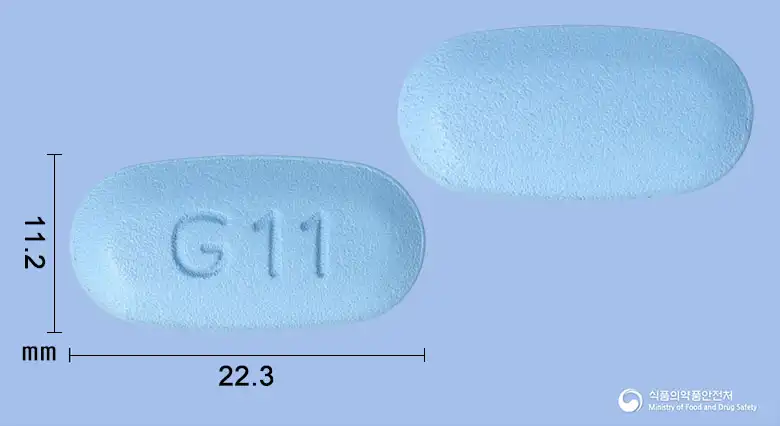
Sitagliptin Hydrochloride Hydrate 113.4mg · Metformin Hydrochloride 1000mg
Tablet · Prescription medication · Combination
Shinil Pharmaceutical Co., Ltd.
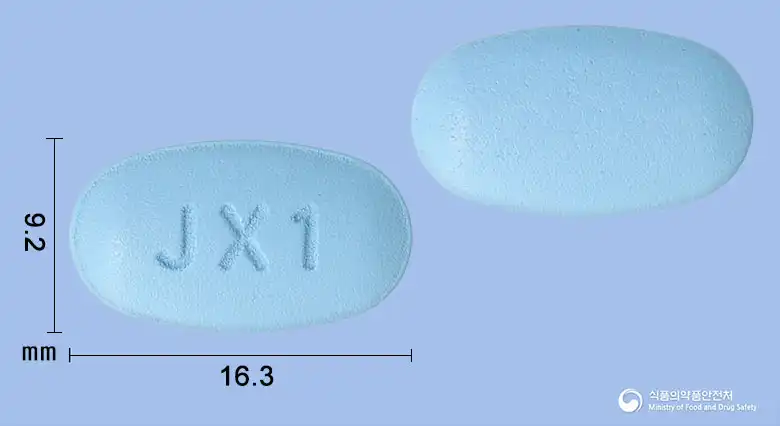 Combination
Sitagliptin Hydrochloride Hydrate 56.7mg · Metformin Hydrochloride 500mg
Tablet · Prescription medication · Combination
GL Pharma Co., Ltd.
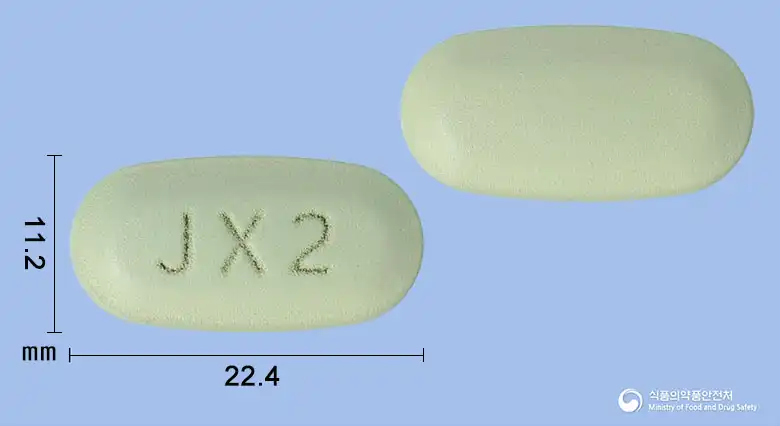 Combination
Sitagliptin Hydrochloride Hydrate 56.7mg · Metformin Hydrochloride 1000mg
Tablet · Prescription medication · Combination
GL Pharma Co., Ltd.
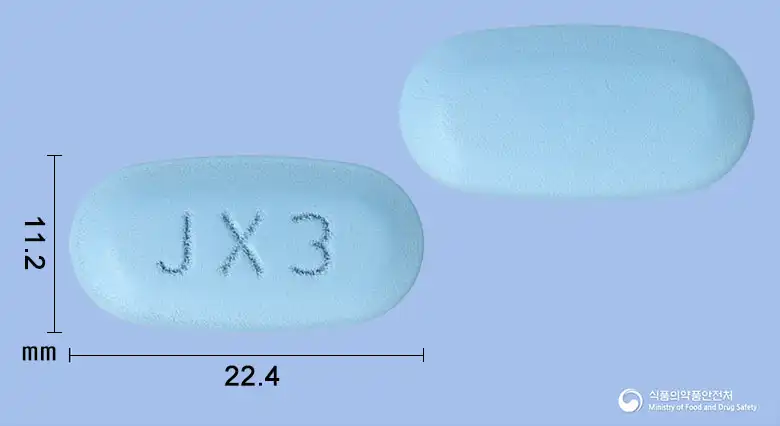 Combination
Sitagliptin Hydrochloride Hydrate 113.4mg · Metformin Hydrochloride 1000mg
Tablet · Prescription medication · Combination
GL Pharma Co., Ltd.
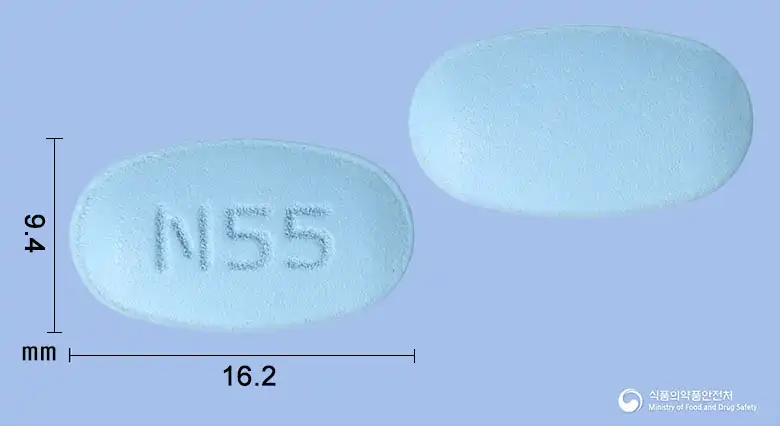 Combination
Sitagliptin Hydrochloride Hydrate 56.7mg · Metformin Hydrochloride 500mg
Tablet · Prescription medication · Combination
Korea Hutech Pharmaceutical Co., Ltd.
Even with the same ingredient, the dose and directions can differ by strength and dosage form. Talk to a doctor or pharmacist before switching from a medication you are already taking.
No questions yet.
For anything that needs medical judgment, consult a doctor or pharmacist.
This drug information is based on data provided by the Korea Ministry of Food and Drug Safety.
Consult a doctor or pharmacist for accurate dosage, administration, and usage instructions.