
 한국어
 English
 日本語
 中文(简体)
 Viewing now
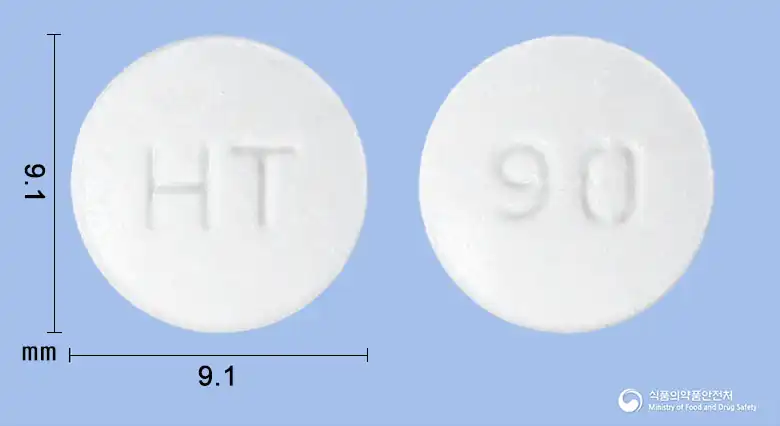
Hypervent Extended-release Tablets 90 mg (Diltiazem Hydrochloride)
Diltiazem Hydrochloride 90mg
Tablet · Prescription medication
Korea HuTex Pharmaceutical Co., Ltd.
MFDS item code 202204282 · Approved 2022.11.28 · Insurance code 649105630
Treatment of hypertension (including essential and hypertensive emergency), angina, and supraventricular tachyarrhythmias
This medication treats angina and essential hypertension (mild to moderate) when taken as an extended-release tablet or capsule. In injectable form, it is used to rapidly manage tachyarrhythmias and hypertension occurring during surgery, as well as acute hypertension (hypertensive crisis) in emergencies. In other words, this medication helps effectively improve various symptoms and diseases related to the heart and blood pressure.
(Oral: extended-release capsules) 1. Adults: The usual dose is 180㎎ of diltiazem hydrochloride orally once daily. The dose may be increased to 360㎎ per dose depending on symptoms. 2. Elderly patients and patients with hepatic or renal impairment: The initial dose is 90-120㎎ once daily. Monitor the heart rate during treatment; do not increase the dose if it falls to 50 beats or fewer. The dose may be adjusted as appropriate according to age and symptoms. (Oral: extended-release tablets 30㎎) Adults: Administer 30-60㎎ of diltiazem hydrochloride orally per dose, 3 times daily. The dose may be adjusted as appropriate according to age and symptoms. (Oral: extended-release tablets 90㎎) Adults: Administer 90㎎ of diltiazem hydrochloride orally per dose, twice daily. If necessary, the dose may be increased to 90-180㎎ per dose. The dose may be adjusted as appropriate according to age and symptoms. (Injection) Dissolve this medicine in at least 5㎖ of normal saline or glucose injection solution and administer as follows. 1. Tachyarrhythmia (supraventricular) Adults: Slowly inject 10㎎ of diltiazem hydrochloride intravenously over about 3 minutes as a single dose. 2. Emergency treatment of abnormal hypertension during surgery ① Intravenous bolus injection Adults: Slowly inject 10㎎ intravenously over about 1 minute as a single dose. ② Intravenous infusion Adults: Infuse 5-15㎍ per ㎏ of body weight intravenously over 1 minute. After lowering the blood pressure to the target level, adjust the infusion rate while monitoring blood pressure. 3. Hypertensive emergency (hypertensive crisis) Adults: Infuse 5-15㎍ per ㎏ of body weight intravenously over 1 minute. After lowering the blood pressure to the target level, adjust the infusion rate while monitoring blood pressure. The dose may be adjusted as appropriate according to age and symptoms.
This medication should not be used in patients with cardiac function problems. Particularly, individuals with severe heart failure or abnormal heart rhythms may experience worsening of symptoms when taking this medication. Patients with very low blood pressure or in shock, those allergic to this medication, and those with acute myocardial infarction or pulmonary congestion should also avoid using it. Women who are pregnant or may become pregnant should not take this medication. This medication may cause heart rhythm problems if taken with certain other medications, so co-administration should be avoided. Patients with severely impaired liver or kidney function and those with some cardiac conduction disorders should use this medication with caution, closely monitoring symptoms. While taking this medication, various side effects such as headache, constipation, cough, edema, dyspepsia, dizziness, skin rash, difficulty breathing, and erectile dysfunction may occur; if any unusual symptoms develop, consult medical personnel immediately. Abruptly discontinuing calcium channel blockers may worsen symptoms, so dose reduction should be done gradually under a physician's supervision. It is important to regularly monitor the condition through electrocardiogram tests as this medication can affect heart rate and blood pressure. This medication is primarily metabolized in the liver and excreted through the kidneys and bile, so those with impaired liver or kidney function should be particularly careful. Due to the potential for lowering blood pressure, caution is needed when driving or working at heights. Patients with bronchial asthma or respiratory hypersensitivity may experience worsening respiratory symptoms while on this medication, so monitoring is necessary. This medication can interact with several drugs, so if you are taking other medications, be sure to inform your doctor or pharmacist. Pregnant or breastfeeding women are advised not to take this medication, and if necessary, breastfeeding should be discontinued. Safety and efficacy in children have not been sufficiently confirmed, so caution should be exercised in their use. In cases of overdose, severe hypotension, heart rhythm disturbances, and kidney damage may occur; immediate medical treatment should be sought. If in capsule form, do not open or chew the capsule; swallow it whole.
Not everyone experiences these, and they can vary from person to person.
This medication is sensitive to air and humidity, so it must be stored in a tightly sealed container. It is important to maintain a storage temperature between 1 degree and 30 degrees Celsius to safely preserve the medication's effectiveness.
Round extended-release tablet, white or off-white
30 tablets/bottle, 500 tablets/bottle
Even with the same ingredient, strength, dosage form and how it is taken can differ.
Viewing nowDiltiazem Hydrochloride 90mg
Tablet · Prescription medication
Korea HuTex Pharmaceutical Co., Ltd.

Diltiazem Hydrochloride 30mg
Tablet · Prescription medication
HK Inno.N Co., Ltd.
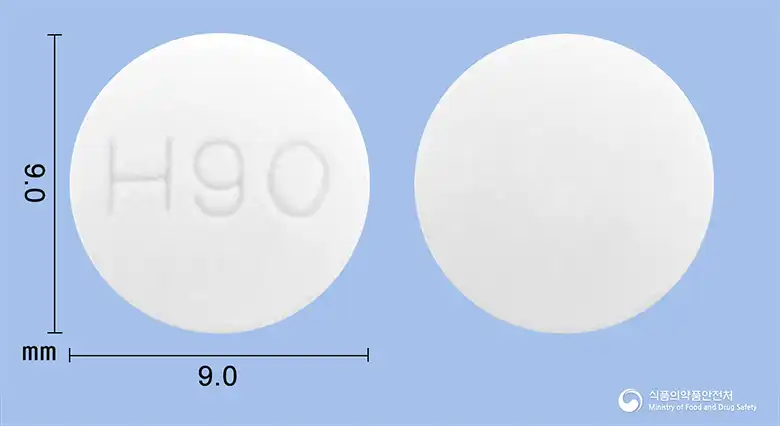
Diltiazem Hydrochloride 90mg
Tablet · Prescription medication
HK inno.N Co., Ltd.
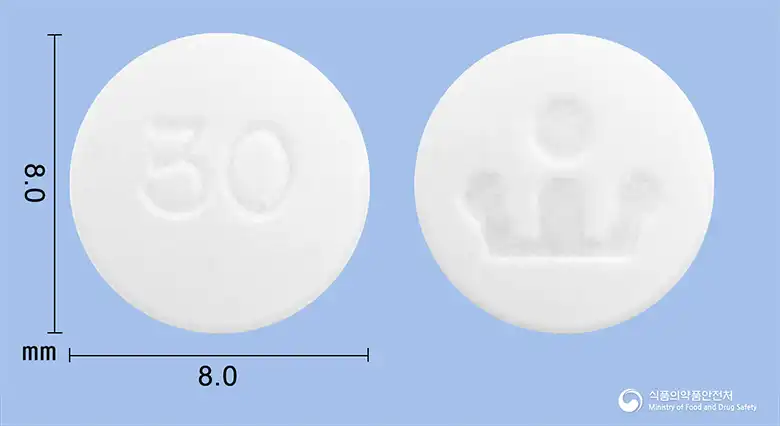
Diltiazem Hydrochloride 30mg
Tablet · Prescription medication
Hanwha Pharmaceutical Co., Ltd.
Diltiazem Hydrochloride 50mg
Injections · Prescription medication
HK inno.N Co., Ltd.
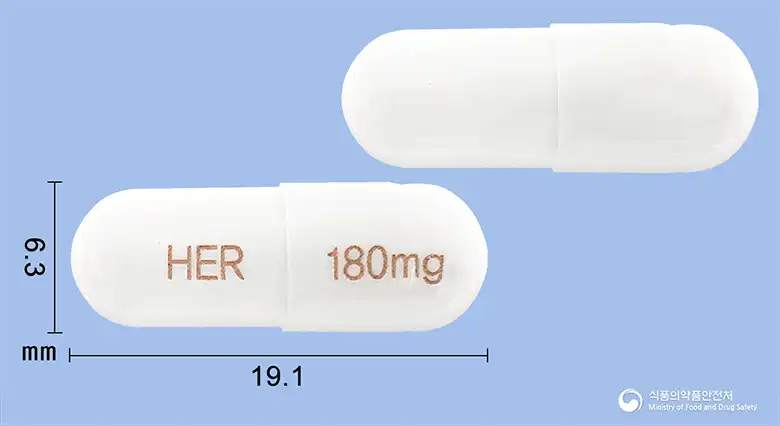
Diltiazem Hydrochloride 180mg
Hard capsule · Prescription medication
HK inno.N Co., Ltd.
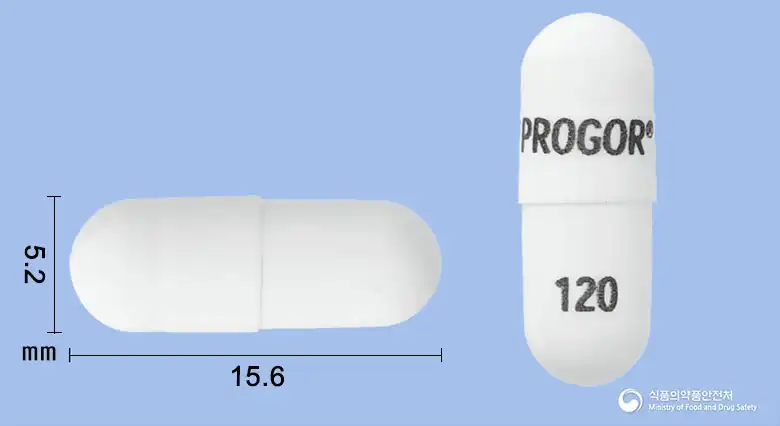
Diltiazem Hydrochloride 120mg
Hard capsule · Prescription medication
Korea Unipharm Co., Ltd.
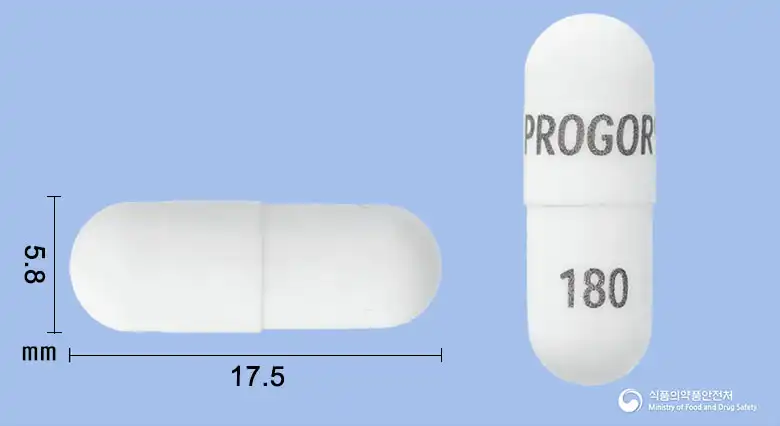
Diltiazem Hydrochloride 180mg
Hard capsule · Prescription medication
Korea Unipharma Co., Ltd.
Even with the same ingredient, the dose and directions can differ by strength and dosage form. Talk to a doctor or pharmacist before switching from a medication you are already taking.
No questions yet.
For anything that needs medical judgment, consult a doctor or pharmacist.
This drug information is based on data provided by the Korea Ministry of Food and Drug Safety.
Consult a doctor or pharmacist for accurate dosage, administration, and usage instructions.