
 한국어
 English
 日本語
 中文(简体)
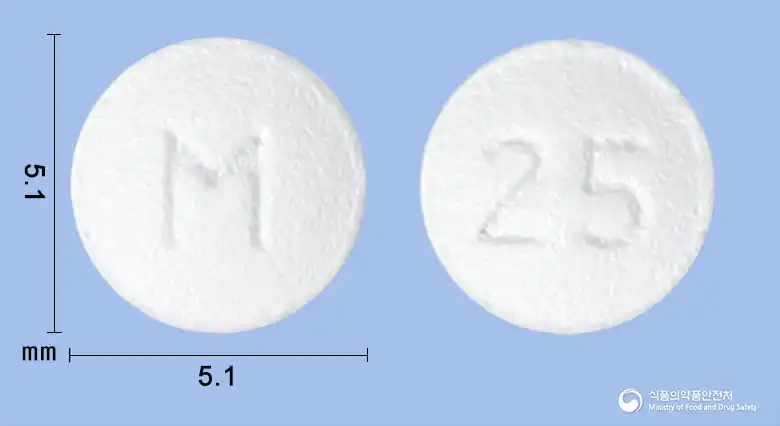 Viewing now
Tralin Tablet 25 mg (Sertraline Hydrochloride)
Sertraline Hydrochloride 55.95mg
Tablet · Prescription medication
Myungjin Pharmaceutical Co., Ltd.
MFDS item code 202204212 · Approved 2022.11.22 · Insurance code 651905250
Treatment of mood disorders (depression, premenstrual dysphoric disorder), anxiety disorders (including panic disorder), and obsessive-compulsive disorder
This medication is used for the treatment of depression, including obsessive-compulsive disorder, panic disorder, post-traumatic stress disorder, social anxiety disorder (social phobia), and premenstrual dysphoric disorder in adults and children.
1. Adults Depression and obsessive-compulsive disorder : The initial dose is 50 mg of sertraline orally once daily. The maintenance dose is 50-100 mg daily. If the effect is insufficient, the dose may be increased by 50 mg to a maximum of 200 mg daily; dose adjustments should be made at intervals of at least 1 week. Panic disorder, post-traumatic stress disorder, and social anxiety disorder : Start at a dose of 25 mg once daily and increase to 50 mg once daily after 1 week. A dose of 50-200 mg daily may be administered to achieve a clinical therapeutic effect. For patients who do not respond to a dose of 50 mg once daily, the dose may be increased to a maximum of 200 mg daily. Dose adjustments should be made at intervals of at least 1 week. This medicine should be taken once daily, either in the morning or evening. For continued maintenance therapy, adjust the dose to the lowest level that provides an adequate effect, taking the patient's response into consideration. Premenstrual dysphoric disorder : Take a dose of 50 mg once daily continuously throughout the menstrual cycle or only during the luteal phase. For continuous dosing throughout the menstrual cycle, patients who do not respond to 50 mg once daily may increase the dose by 50 mg starting on the first day of dosing in the next menstrual cycle, up to a maximum of 150 mg once daily. For dosing only during the luteal phase, patients who do not respond to 50 mg once daily may increase the dose to a maximum of 100 mg once daily. In this case, administer 50 mg once daily on days 1–3 from the start of the luteal phase and 100 mg once daily from day 4 until menstruation begins. 3. Elderly patients No special dose adjustment is necessary. Adjust the dose appropriately according to symptoms. 4. Switching from MAO inhibitors for the treatment of psychiatric disorders When discontinuing an MAO inhibitor used to treat psychiatric disorders and starting treatment with this medicine, an interval of at least 14 days must be allowed. Conversely, when starting an MAO inhibitor for the treatment of psychiatric disorders, at least 14 days must elapse after discontinuing this medicine. 5. Other MAO inhibitors, such as linezolid or methylene blue Patients receiving linezolid or intravenous methylene blue should not start this medicine because of the increased risk of serotonin syndrome. For patients requiring more urgent treatment of a psychiatric condition, including hospitalization or other interventions, treatment should be considered. If linezolid or intravenous methylene blue must be urgently administered to a patient already receiving this medicine, and no alternative to linezolid or intravenous methylene blue is available, and the benefits of treatment with linezolid or intravenous methylene blue are judged to outweigh the risk of serotonin syndrome in a particular patient, discontinue this medicine immediately and administer linezolid or intravenous methylene blue. Monitor the patient for symptoms of serotonin syndrome for 2 weeks after administration of linezolid or intravenous methylene blue, or until 24 hours after the last dose, whichever occurs first. Treatment with this medicine may be restarted 24 hours after the last dose of linezolid or intravenous methylene blue. The risks of administering methylene blue by non-intravenous routes (oral tablets or local injection) or intravenous administration of this medicine at 1mg/kg or less are unclear.
For patients 6-12 years of age, start at a dose of 25 mg once daily. For pediatric patients who do not respond to 25 mg or 50 mg once daily, the dose may be increased to a maximum of 200 mg daily. For patients 13-17 years of age, start at a dose of 50 mg once daily. For pediatric patients who do not respond to 25 mg or 50 mg once daily, the dose may be increased to a maximum of 200 mg daily. In clinical trials demonstrating the efficacy of Zoloft in pediatric patients with obsessive-compulsive disorder aged 6-17 years, doses in the range of 25-200 mg/day were administered. Dose adjustments should be made at intervals of at least 1 week. Zoloft should be taken once daily in pediatric patients, either in the morning or evening.
This medication may increase the risk of suicidal thoughts and behavior in young people with depression or psychiatric disorders, so physicians should carefully evaluate the need for treatment and the associated risks. During treatment, patients and their families should closely monitor for changes in abnormal behavior, including suicidal tendencies, aggression, and anger. Serious side effects such as serotonin syndrome or neuroleptic malignant syndrome may occur, so if these symptoms are suspected, immediate consultation with healthcare personnel is necessary. This drug should not be combined with certain other medications, particularly MAO inhibitors, as life-threatening side effects can occur when combined. Patients with moderate or severe liver impairment, those with an allergy to this medication, or patients on certain medications should not be prescribed this drug. Patients with epilepsy or mild liver impairment should be carefully monitored for a risk of seizures and increased drug concentration while taking this medication. Patients with angle-closure glaucoma or a history of glaucoma should be cautious as this medication can dilate pupils, increasing the risk of elevated intraocular pressure. This medication can cause various side effects such as drowsiness, dizziness, headache, insomnia, anxiety, changes in appetite, and also poses a risk of heart rhythm abnormalities or bleeding, making it crucial to report any unusual symptoms immediately. During pregnancy, this medication may affect the fetus, so women of childbearing potential should consult healthcare providers and use appropriate contraception. Breastfeeding women should be cautious as this medication may pass into breast milk. The safety and efficacy of this medication in children and adolescents have not been established, except for some indications, so it should be used with caution. Discontinuing this medication suddenly may result in withdrawal symptoms; therefore, discuss gradually reducing the dose with a doctor. Caution is needed when driving or operating machinery, especially when taken with other sedatives. Interactions with other medications may occur during treatment, so inform healthcare providers of all medications being taken and undergo regular monitoring. Severe side effects can manifest in cases of overdose, so strictly adhere to the prescribed dosage and seek immediate medical attention if in doubt. This medication should be stored safely out of reach of children and should not be transferred to another container arbitrarily.
Leukopenia, thrombocytopenia, hypersensitivity, anaphylactoid reaction, hypothyroidism, abnormal secretion of antidiuretic hormone, hyperprolactinemia, decreased appetite, increased appetite, diabetes, hyponatremia, hypoglycemia, hyperglycemia, insomnia, depressive symptoms, decreased libido, agitation, anxiety, hallucinations, aggression, euphoria, confusion, bruxism, psychotic disorder, nightmares, increased suicidal tendencies, drowsiness, dizziness, headache, sensory disturbances, muscle hypertonia, tremor, involuntary muscle contractions, coma, convulsions, syncope, extrapyramidal disorder, hyperactivity, restless legs syndrome, migraine, sensory loss, serotonin syndrome, abnormal muscle tone, visual impairment, mydriasis, periorbital edema, tinnitus, palpitations, tachycardia, Torsade de Pointes, facial flushing, bleeding, hypertension, cerebral vasoconstriction, yawning, bronchospasm, epistaxis, eosinophilic pneumonia, pulmonary hypertension, diarrhea, dry mouth, nausea, vomiting, abdominal pain, constipation, indigestion, gastrointestinal bleeding, pancreatitis, liver damage, rash, hyperhidrosis, urticaria, purpura, pruritus, alopecia, toxic epidermal necrolysis, Stevens-Johnson syndrome, angioedema, exfoliative rash, photosensitive skin reactions, arthralgia, muscle cramps, rhabdomyolysis, trismus, urinary retention, urinary incontinence, hematuria, nocturia, ejaculation disorders, sexual dysfunction, irregular menstruation, priapism, galactorrhea, gynecomastia, postpartum hemorrhage, fatigue, chest pain, malaise, gait disturbances, facial edema, peripheral edema, fever, asthenia, drug withdrawal syndrome, increased alanine aminotransferase, increased aspartate aminotransferase, weight loss, weight gain, abnormal laboratory test results, prolonged QT interval on electrocardiogram, abnormal platelet function test, increased serum cholesterol, fractures, dizziness, sleep disorders, anxiety, weakness, hallucinations, syncope, seizures, coma, respiratory arrest
Not everyone experiences these, and they can vary from person to person.
This medication should be stored in a tightly closed container to prevent exposure to air or moisture. Moreover, it is advisable to keep it at a temperature between 1 to 30 degrees Celsius.
White round film-coated tablet
30 tablets/bottle, 200 tablets/bottle
Even with the same ingredient, strength, dosage form and how it is taken can differ.
Viewing nowSertraline Hydrochloride 55.95mg
Tablet · Prescription medication
Myungjin Pharmaceutical Co., Ltd.
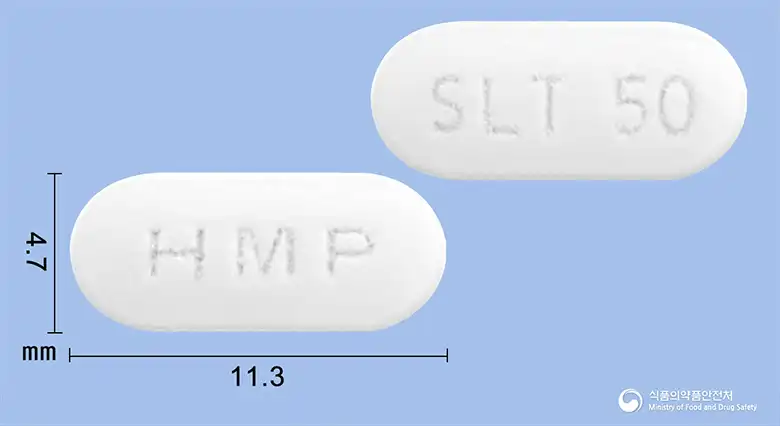
Sertraline Hydrochloride 55.95mg
Tablet · Prescription medication
Hanmi Pharmaceutical Co., Ltd.
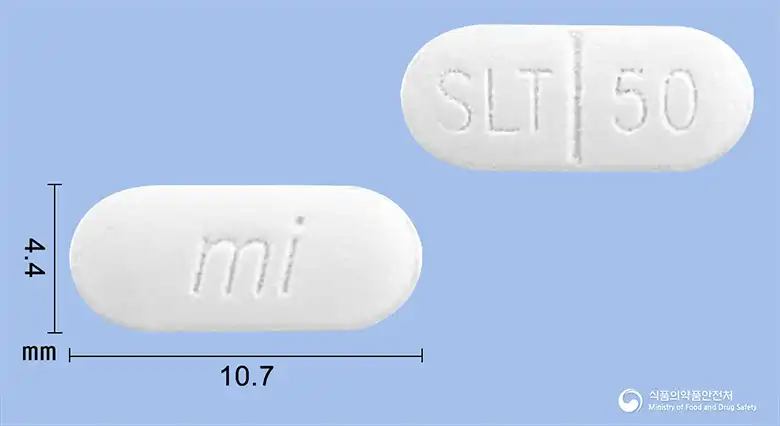
Sertraline Hydrochloride 55.95mg
Tablet · Prescription medication
Myungin Pharmaceutical Co., Ltd.
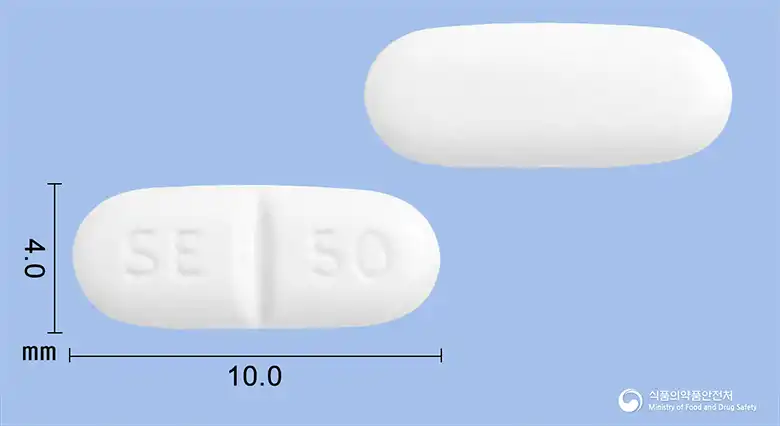
Sertraline Hydrochloride 55.95mg
Tablet · Prescription medication
Samil Pharmaceutical Co., Ltd.
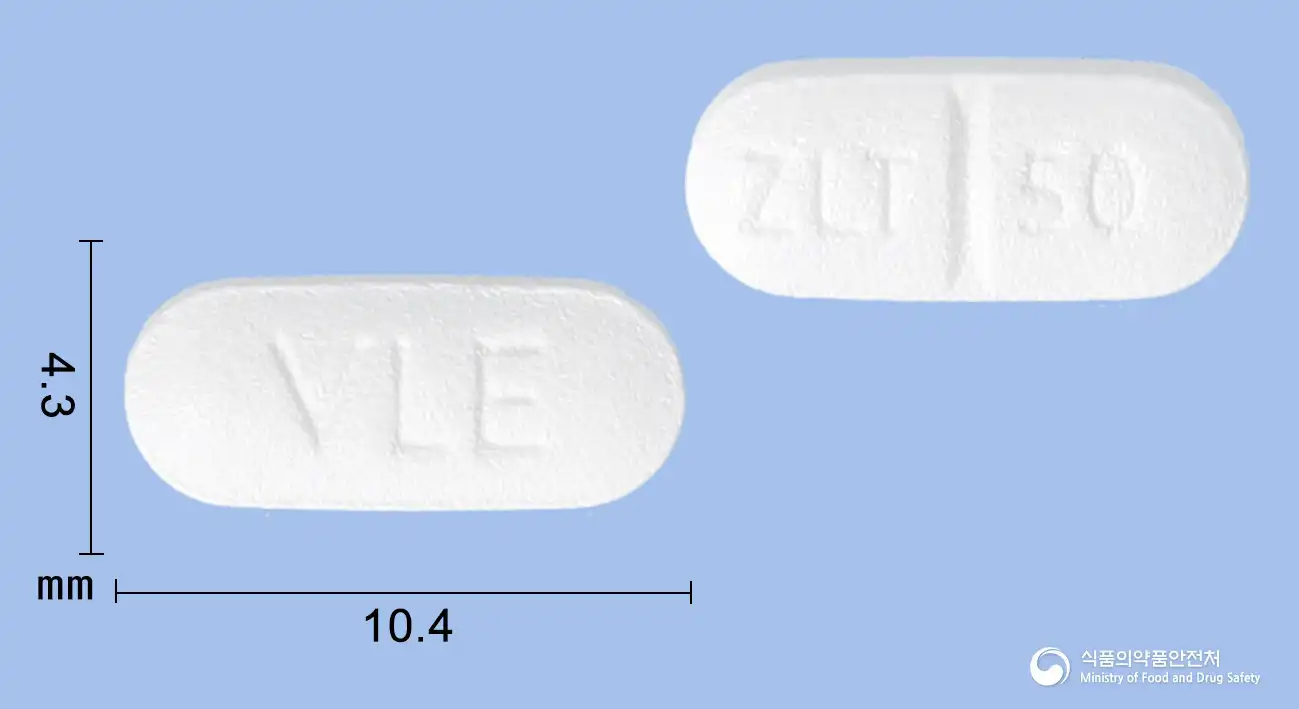
Sertraline Hydrochloride 55.95mg
Tablet · Prescription medication
Viatris Korea Co., Ltd.
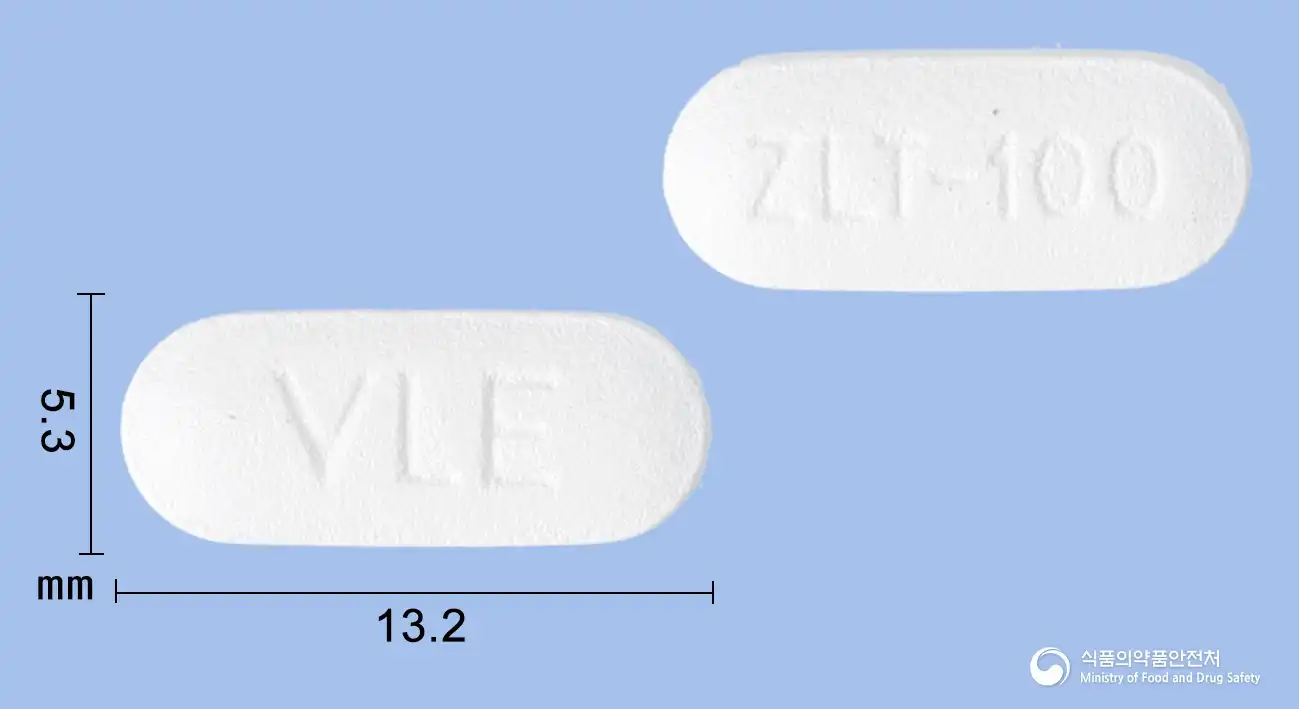
Sertraline Hydrochloride 111.9mg
Tablet · Prescription medication
Viatris Korea Co., Ltd.
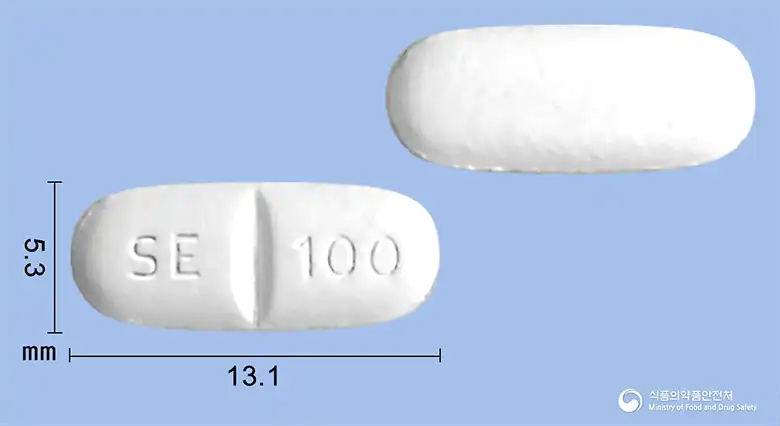
Sertraline Hydrochloride 111.9mg
Tablet · Prescription medication
Samil Pharmaceutical Co., Ltd.
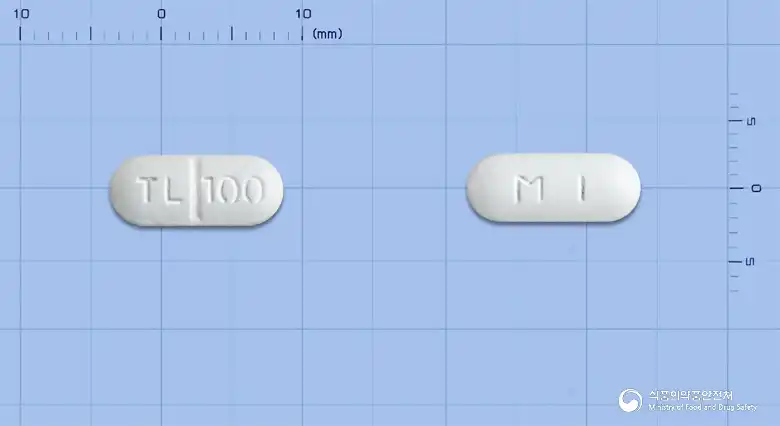
Sertraline Hydrochloride 111.9mg
Tablet · Prescription medication
Myungjin Pharmaceutical Co., Ltd.
Even with the same ingredient, the dose and directions can differ by strength and dosage form. Talk to a doctor or pharmacist before switching from a medication you are already taking.
No questions yet.
For anything that needs medical judgment, consult a doctor or pharmacist.
This drug information is based on data provided by the Korea Ministry of Food and Drug Safety.
Consult a doctor or pharmacist for accurate dosage, administration, and usage instructions.