
 한국어
 English
 日本語
 中文(简体)
Dosage form image
Viewing nowCombinationDapaen Duo Extended-Release Tablets 5/500 mg
Dapagliflozin citric acid 7.35mg · Metformin Hydrochloride 500mg
Tablet · Prescription medication · Combination
HK inno.N Co., Ltd.
MFDS item code 202204038 · Approved 2022.11.08
Improves glycemic control in adults with type 2 diabetes mellitus
This medication is administered as an adjunct to diet and exercise to help control blood sugar levels in adult patients with type 2 diabetes using dapagliflozin and metformin together. Especially in patients with difficulty in controlling blood sugar who have cardiovascular diseases or risk factors, refer to expert guidelines regarding the effects of dapagliflozin on cardiovascular events. This medication improves blood sugar safely and effectively, aiding in diabetes management.
The dose of this drug should be individualized based on the patient's current treatment regimen, efficacy, and tolerability, without exceeding the maximum recommended doses of dapagliflozin 10mg and extended-release metformin 2000mg. This drug is generally administered once daily with the evening meal. The maximum dose of this drug is dapagliflozin 10mg/extended-release metformin 2000mg once daily, administered as 2 tablets of 5mg/1000mg. Patients with no prior experience of diabetes drug therapy who have inadequate glycemic control with monotherapy: When used as initial therapy in patients with no prior experience of diabetes drug therapy, the recommended starting dose of this drug is 1 tablet of 5mg/500mg or 10mg/500mg once daily. Titrate the dose gradually to reduce gastrointestinal adverse reactions associated with metformin. For patients receiving metformin, the recommended dose of dapagliflozin is 10mg once daily, and the dose of this drug should provide the dose of metformin currently being taken or an appropriate dose therapeutically close to it. When switching from immediate-release to extended-release metformin, glycemic control should be closely monitored and the dose adjusted appropriately. For patients switching from combination therapy with dapagliflozin and metformin to this drug, the dose of this drug may be initiated at the doses of dapagliflozin and metformin previously administered. When switching from immediate-release to extended-release metformin, glycemic control should be closely monitored and the dose adjusted appropriately. When this drug is used in combination with insulin or an insulin secretagogue such as a sulfonylurea, a lower dose of insulin or the insulin secretagogue may be considered to reduce the risk of hypoglycemia. The safety and efficacy of this drug have not been specifically evaluated in patients switching to it from another glucose-lowering agent. Because any change may cause a change in glycemic control, all changes in the treatment of patients with type 2 diabetes should be made under careful monitoring. This drug should be swallowed whole and must never be crushed, cut, or chewed. Occasionally, inactive ingredients in this drug may be excreted in the stool as a soft, hydrated mass resembling a tablet. Renal impairment No dose adjustment is necessary in patients with mild renal impairment. For patients with an estimated glomerular filtration rate (eGFR) of 45 mL/min/1.73 m2 or more and less than 60 mL/min/1.73 m2 who do not have other conditions that may increase the risk of lactic acidosis, the starting dose of metformin hydrochloride, a component of this drug, is 500mg once daily, and the maximum daily dose is 1000mg. Administration of this drug is not recommended in patients with an eGFR less than 45 mL/min/1.73m2. If the estimated glomerular filtration rate (eGFR) falls below 45 mL/min/1.73m2, administration of this drug should be discontinued immediately. Renal function should be assessed every 3~6 months. Elderly patients Metformin is excreted by the kidneys, and renal function is more likely to be decreased in elderly patients; therefore, this drug should be used with caution as age increases (see Precautions for Use, 9. Administration to Elderly Patients).
This medication is used for the treatment of diabetes and may cause a rare side effect called lactic acidosis. Lactic acidosis is a dangerous condition caused by excessive accumulation of lactic acid in the body, which can sometimes be fatal, so caution is required. The risk of hypoglycemia may increase when used with insulin or sulfonylureas, so blood sugar should be closely monitored if taken with these medications. Patients with severely impaired renal function, dehydration, severe infections, or cardiovascular problems should not use this medication, and it should be temporarily discontinued before and after surgery. Women who are pregnant or breastfeeding should not take this medication, and its safety in children has not yet been established. Elderly patients may have reduced renal function, so renal function must be checked before taking this medication, and they should be cautioned regarding the risk of low blood pressure or reduced fluid volume. This medication may increase urine output, which can lead to reduced fluid volume, thus if dehydration symptoms occur, consult a doctor immediately. Genital infections or urinary tract infections may occur during use, and if related symptoms arise, immediate treatment is necessary. Vitamin B12 levels may decrease, so it is recommended to regularly check vitamin B12 levels if anemia or neurological symptoms are present. Excessive alcohol consumption may increase the risk of side effects from this medication, so alcohol should be avoided during treatment. If blood sugar control suddenly worsens or any abnormal symptoms occur while taking this medication, promptly consult healthcare professionals. Additionally, this medication may interact with other drugs, so if taking other medications, be sure to inform your doctor or pharmacist. Finally, keep this medication out of reach of children and store it in its original container to prevent degradation of quality.
Not everyone experiences these, and they can vary from person to person.
This medication may be sensitive to air or moisture, so it must be stored in a tightly closed container. The storage temperature should be maintained between 1 and 30 degrees Celsius at room temperature. Storing it this way will help maintain the effectiveness of the medication for a long time.
Orange, bilaterally convex, egg-shaped film-coated tablets
30 tablets/bottle
Even with the same ingredient, strength, dosage form and how it is taken can differ.
Dapagliflozin citric acid 7.35mg · Metformin Hydrochloride 500mg
Tablet · Prescription medication · Combination
HK inno.N Co., Ltd.
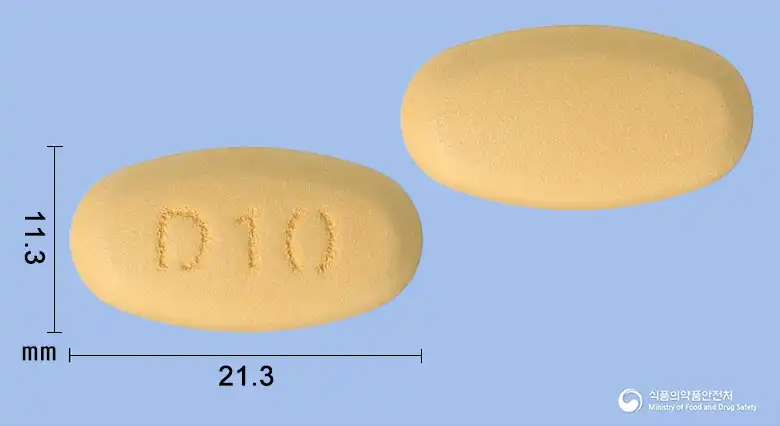 Combination
Dapagliflozin citric acid 14.7mg · Metformin Hydrochloride 1000mg
Tablet · Prescription medication · Combination
HK Inno.N Co., Ltd.
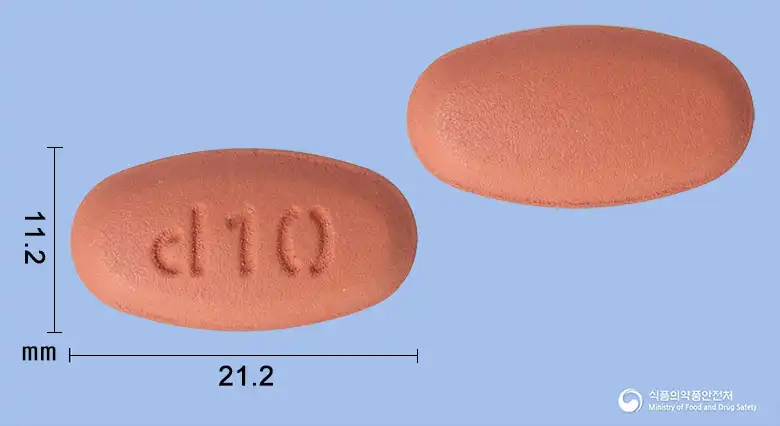 Combination
Dapagliflozin citric acid 7.35mg · Metformin Hydrochloride 1000mg
Tablet · Prescription medication · Combination
HK inno.N Co., Ltd.
Dapagliflozin citric acid 14.7mg · Metformin Hydrochloride 1000mg
Tablet · Prescription medication · Combination
Poonglim Pharmaceutical Co., Ltd.
Dapagliflozin citric acid 7.35mg · Metformin Hydrochloride 1000mg
Tablet · Prescription medication · Combination
Punglim Muhak Co., Ltd.
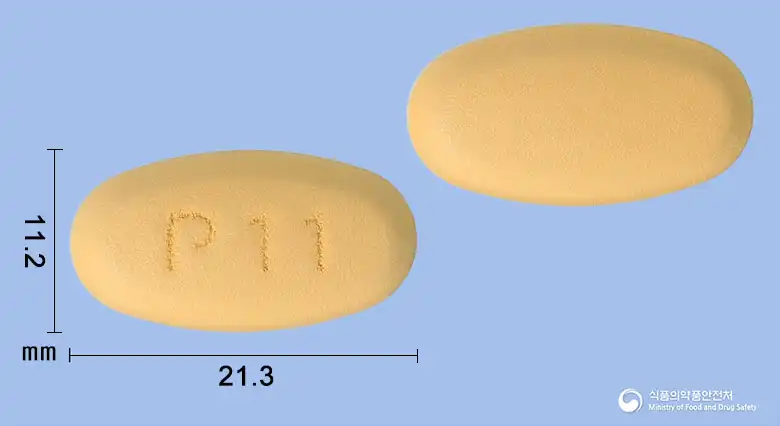 Combination
Dapagliflozin citric acid 14.7mg · Metformin Hydrochloride 1000mg
Tablet · Prescription medication · Combination
Korea Prime Pharmaceutical Co., Ltd.
Dapagliflozin citric acid 7.35mg · Metformin Hydrochloride 1000mg
Tablet · Prescription medication · Combination
Korea Prime Pharmaceutical Co., Ltd.
 Combination
Dapagliflozin citric acid 14.7mg · Metformin Hydrochloride 1000mg
Tablet · Prescription medication · Combination
KS Pharm Co., Ltd.
Even with the same ingredient, the dose and directions can differ by strength and dosage form. Talk to a doctor or pharmacist before switching from a medication you are already taking.
No questions yet.
For anything that needs medical judgment, consult a doctor or pharmacist.
This drug information is based on data provided by the Korea Ministry of Food and Drug Safety.
Consult a doctor or pharmacist for accurate dosage, administration, and usage instructions.