
 한국어
한국어 English
 日本語
日本語 中文(简体)
 Viewing now
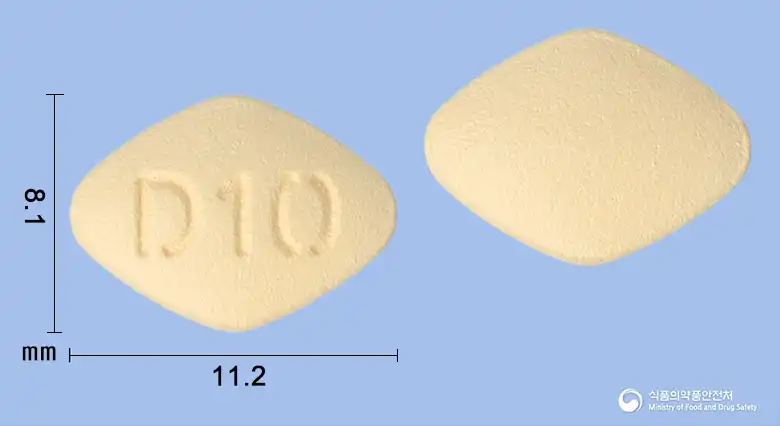
Dapaglu Tablet 10 mg (Dapagliflozin Propanediol Monohydrate)
Dapagliflozin Propanediol Hydrate 12.3mg
Tablet · Prescription medication
Samik Pharmaceuticals Co., Ltd.
MFDS item code 202203948 · Approved 2022.10.31 · Insurance code 644004670
Effect on blood sugar control and reduced cardiovascular risk in Type 2 diabetes
This medication is used in conjunction with dietary and exercise therapy to assist patients with Type 2 diabetes in controlling their blood sugar levels. It can be used alone or in combination with other medications. It is particularly suitable for patients who have difficulty controlling blood sugar and have existing cardiovascular disease or risk factors. Such patients should consult a healthcare professional as they need careful monitoring for cardiovascular events during treatment. Overall, this medication effectively improves and manages blood sugar levels in patients with Type 2 diabetes.
The recommended dose of this medication for monotherapy and additional combination therapy with insulin and other antidiabetic agents is 10 mg once daily. When this medication is used in combination with insulin or other insulin secretagogues like sulfonylureas, lower doses of insulin or insulin secretagogues may be considered to reduce the risk of hypoglycemia. In cases where patients have no prior experience with diabetes medications, the initial recommended dose when administered in combination with metformin is 5 mg once daily or 10 mg once daily.
The efficacy and safety of dapagliflozin in pediatric patients under 18 years of age have not been established. There is no related data.
This medication should not be used in patients who are allergic to the active ingredient or excipients. Patients with Type 1 diabetes or diabetic ketoacidosis should not take this medication as it can be dangerous. Contains anhydrous lactose; should not be administered to patients with genetic issues such as galactose intolerance, Lapp lactase deficiency, or glucose-galactose malabsorption. Patients undergoing dialysis should avoid using this medication. Patients with decreased fluid volume or renal function must evaluate these conditions before taking the medication and should closely monitor for symptoms of hypotension and changes in renal function. Patients with moderate to severe renal impairment may find reduced effectiveness in blood sugar control, requiring caution. This medication may increase the risk of genital and urinary tract infections; immediate treatment should be sought if symptoms appear. When taken with drugs that have a risk of hypoglycemia, symptoms of hypoglycemia may occur, requiring dose adjustments of insulins or sulfonylureas. This medication can lower blood pressure due to decreased fluid volume, so caution is necessary for the elderly or those on diuretics. Rare but severe complications such as diabetic ketoacidosis may occur; if symptoms like vomiting, abdominal pain, or dyspnea appear, inform medical professionals immediately. Rare but serious infections like necrotizing fasciitis can occur; if there is pain, redness, or swelling around the genital area or perineum, seek treatment immediately. Pregnant women should avoid using this medication, and it should be discontinued if pregnancy is confirmed. Breastfeeding women should also avoid this medication. In case of overdose, there is no specific antidote; treatment should be symptomatic, and in severe cases, medical assistance should be sought. This medication generally does not significantly affect the ability to drive or operate machinery, but caution is advised when taken with hypoglycemic drugs. Lastly, the safety and efficacy of this medication in children have not been confirmed, so it is advisable not to administer it to minors.
Not everyone experiences these, and they can vary from person to person.
This medication should be stored in a tightly closed container to prevent moisture or air exposure, and it is best kept at room temperature between 1 and 30 degrees Celsius. Proper storage helps maintain the drug's efficacy and prevents degradation.
Yellow, biconvex, diamond-shaped film-coated tablet
Bottle packaging - 30 tablets/bottle, Bottle packaging - 90 tablets/bottle
Even with the same ingredient, strength, dosage form and how it is taken can differ.
Viewing nowDapagliflozin Propanediol Hydrate 12.3mg
Tablet · Prescription medication
Samik Pharmaceuticals Co., Ltd.
Dapagliflozin Propanediol Hydrate 6.15mg
Tablet · Prescription medication
AstraZeneca Korea Co., Ltd.
Dapagliflozin Propanediol Hydrate 12.3mg
Tablet · Prescription medication
AstraZeneca Korea Co., Ltd.
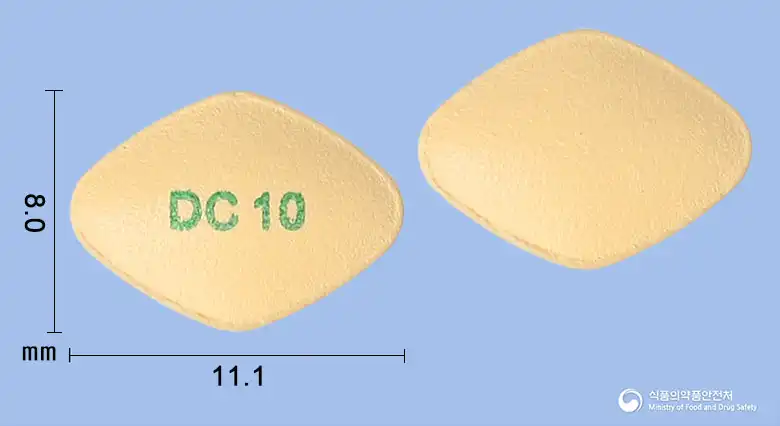
Dapagliflozin Propanediol Hydrate 12.3mg
Tablet · Prescription medication
Donggu Bio Pharmaceutical Co., Ltd.
Dapagliflozin Propanediol Hydrate 12.3mg
Tablet · Prescription medication
Il Sung IS Co., Ltd.
Dapagliflozin Propanediol Hydrate
Prescription medication
Optus Pharmaceutical Co., Ltd.
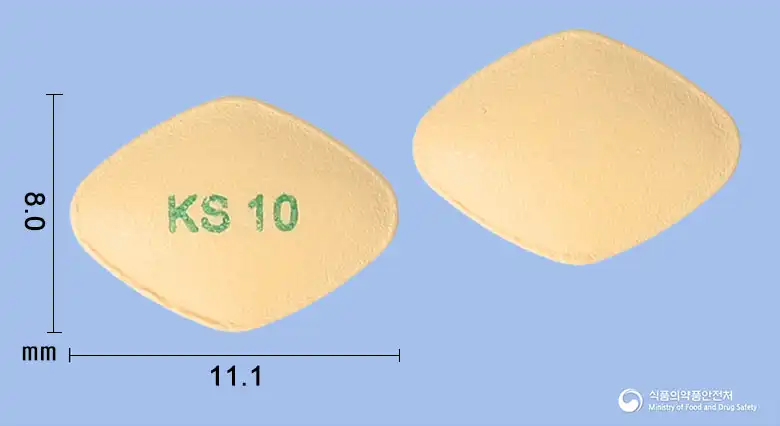
Dapagliflozin Propanediol Hydrate 12.3mg
Tablet · Prescription medication
Aprogen Biologics Co., Ltd.
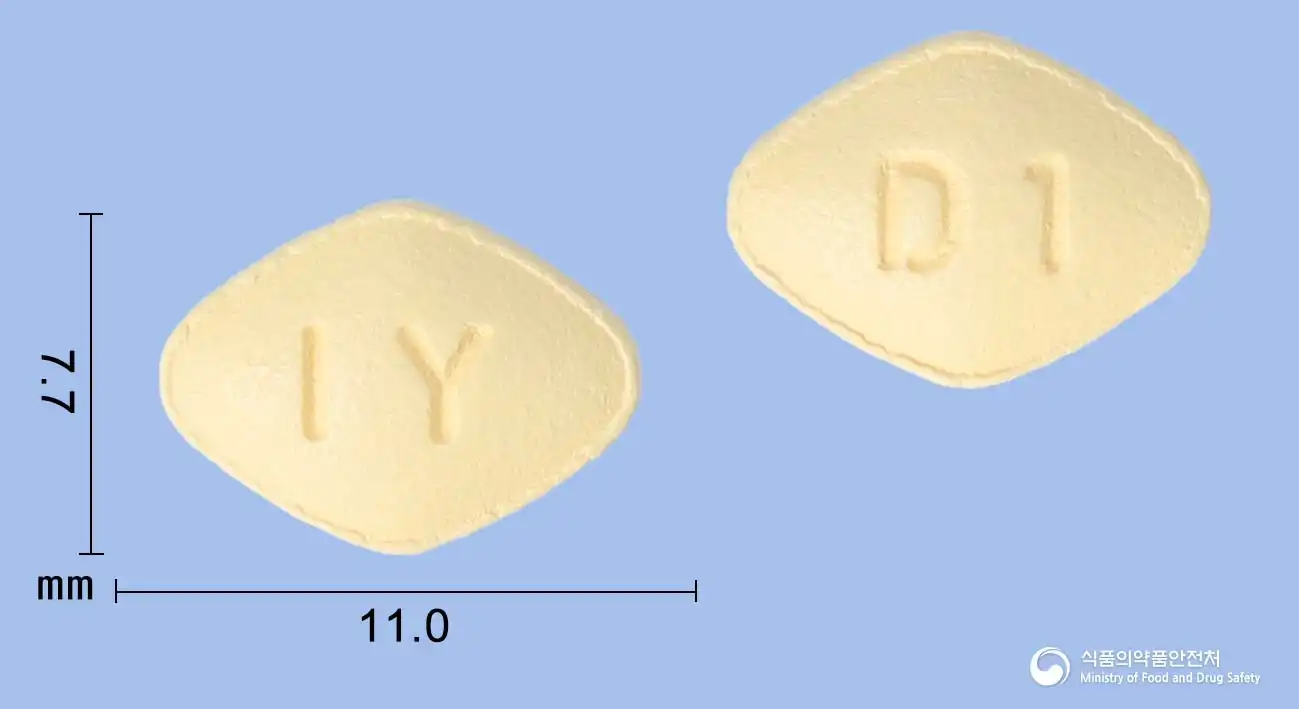
Dapagliflozin Propanediol Hydrate 12.3mg
Tablet · Prescription medication
Il Yang Pharmaceutical Co., Ltd.
Even with the same ingredient, the dose and directions can differ by strength and dosage form. Talk to a doctor or pharmacist before switching from a medication you are already taking.
No questions yet.
For anything that needs medical judgment, consult a doctor or pharmacist.
This drug information is based on data provided by the Korea Ministry of Food and Drug Safety.
Consult a doctor or pharmacist for accurate dosage, administration, and usage instructions.