
 한국어
 English
 日本語
 中文(简体)
 Viewing now
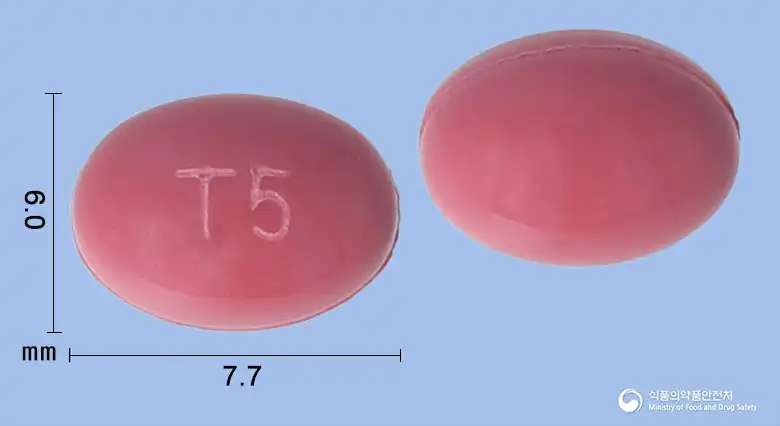
Tretinoin Soft Gelatin Capsule 5 mg (Isotretinoin)
Isotretinoin 5mg
Soft capsule · Prescription medication
Donggu Bio Pharmaceutical Co., Ltd.
MFDS item code 202203947 · Approved 2022.10.31
Treatment of severe acne (nodular, cystic, etc.) that responds poorly to other treatments
This medicine is effective in treating severe acne that is not well controlled by other treatments, particularly nodular, cystic, and conglobate forms of acne. It is specifically used for treating cystic and conglobate acne that occurs on the trunk.
The therapeutic effects and adverse reactions of this drug are dose-dependent; therefore, adjust the dose as appropriate according to the patient's symptoms and condition. ○ Initial dose Administer isotretinoin at 0.5 mg/kg body weight per day, monitoring the response. ○ Maintenance dose Administer 0.5~1.0 mg/kg body weight per day of this drug; the dose may be increased to 2.0 mg for patients with severe acne. At low doses, take once daily; at high doses, take in 2 divided doses daily with meals. A cumulative dose of 120 mg/kg body weight per course of treatment improves the rate of symptom resolution and reduces the relapse rate. The duration of treatment may vary depending on the daily dose, but is usually 16~24 weeks. Symptoms may continue to improve after treatment is discontinued. If symptoms recur, repeat the course of treatment above, but resume treatment only after a washout period of at least 8 weeks. ○ Patients with renal failure : Experience with administration is very limited. If this drug is administered, start at 10 mg per day and adjust the dose. ○ Patients with intolerance : Continue treatment at a low dose. In this case, treatment will be prolonged and the risk of relapse will increase. In such patients, continue treatment at the maximum tolerable dose to achieve optimal effects.
This medication must not be used by pregnant women or women who may become pregnant. As this drug can cause serious fetal deformities, becoming pregnant during or within one month after treatment poses significant risks. Therefore, women taking this medication must use at least two reliable methods of contraception from the beginning of treatment until one month after treatment ends. Women of childbearing potential must undergo pregnancy tests before starting treatment and each month thereafter, and must be strictly monitored as per the doctor’s instructions. Additionally, this medication should not be used by patients with impaired liver or kidney function, those with hypervitaminosis A, patients with very high lipid levels in the blood, or those allergic to soybean oil, soy, or peanuts. While taking this medication, the skin and mucous membranes may become dry, so using moisturizers and lip protectants is recommended. During treatment, regular checks of liver function and blood lipid levels should be conducted, and dosage should be adjusted as necessary. This medication can affect mental health; thus, any signs of depression or psychiatric symptoms should be discussed immediately with a physician. Furthermore, this medication may irritate the eyes and skin, necessitating avoidance of UV exposure, and procedures such as waxing or chemical peeling should be avoided during and for a certain period after treatment. This medication should be taken with sufficient water during meals, and in case of overdose, healthcare personnel should be informed immediately. Finally, this medication should not be shared with others, arbitrarily discontinued, and any remaining medication should be returned to a pharmacist.
Mucosal dry syndrome, skin dryness, skin damage, itching, nasal dryness, lip dryness, eye dryness, nosebleed, hoarseness, conjunctivitis, corneal opacity, cheilitis, skin rash, dermatitis, skin peeling, skin weakening, palm and sole skin peeling, skin infection, increased sensitivity to sunburn, reversible alopecia, fulminant acne, persistent hair loss, hirsutism, paronychia, increased granulation tissue forming abnormal nail growth, photosensitivity, suppurative granulation, hyperpigmentation, sweating, hair abnormalities, suppurative mycosis, acne exacerbation, facial dermatitis, urticaria, papular xanthoma, nodular erythema, flushing, disseminated herpes simplex, hypopigmentation, photoallergic reaction, contusions, abnormal wound healing, myalgia, arthralgia, abdominal pain, rhabdomyolysis, hyperostosis, arthritis, calcification of ligaments and tendons, decreased bone density, premature epiphyseal closure, tendonitis, sacroiliitis, headache, depression, exacerbation of depression, aggressive or violent behavior, emotional instability, behavioral disorders, suicidal thoughts, suicide attempts, suicide, psychosis, pseudotumor cerebri, seizures, drowsiness, lethargy, dizziness, insomnia, neuroexcitability, sensory disturbances, weakness, stroke, syncope, blepharitis, eye irritation, blurred vision, glare, cancer adaptation disorders, color discrimination disorders, cataracts, keratitis, difficulty wearing contact lenses, hearing impairment, vision impairment, optic neuritis, tinnitus, nonspecific gastrointestinal symptoms, nausea, hemorrhagic diarrhea, enteritis, inflammatory bowel disease, pancreatitis, bleeding and inflammation of the gums, esophagitis, esophageal ulcer, elevated serum transaminase levels, hepatitis, nasopharyngitis, bronchospasm, respiratory infection, voice changes, congestion, local and systemic infections, anemia, increased erythrocyte sedimentation rate, thrombocytopenia, thrombocytosis, neutropenia, agranulocytosis, allergic reactions, decreased erythrocyte counts, nonspecific genitourinary symptoms, glomerulonephritis, urethritis, menstrual irregularities, erectile dysfunction, decreased libido, gynecomastia, hypertriglyceridemia, decreased serum HDL, hypercholesterolemia, elevated blood glucose levels, increased serum CPK levels, diabetes, hyperuricemia, elevated ALP, AST, ALT, GGTP, LDH, vasculitis, palpitations, tachycardia, vascular thrombotic diseases, stroke, transient chest pain, fatigue, systemic hypersensitivity reactions, anaphylactic reactions, lymphadenopathy, edema, weight loss, hematuria, proteinuria, increased granulation tissue formation, delayed recovery, lymphadenomegaly, increased prolactin, detection of leukocytes and erythrocytes in urine, headache, vomiting, facial flushing, abdominal pain, dizziness, drowsiness, hypersensitivity, itching, keratitis, dry eyes, erythema multiforme, Stevens-Johnson syndrome, toxic epidermal necrolysis
Not everyone experiences these, and they can vary from person to person.
This medication is sensitive to light, so it must be stored in a container that does not allow light in. It should also be stored at room temperature between 1 and 30 degrees Celsius for optimal stability.
Purple oval soft gelatin capsule containing a thick yellowish suspension
100 capsules/box [10 capsules/PTP x 10]
Even with the same ingredient, strength, dosage form and how it is taken can differ.
Viewing nowIsotretinoin 5mg
Soft capsule · Prescription medication
Donggu Bio Pharmaceutical Co., Ltd.
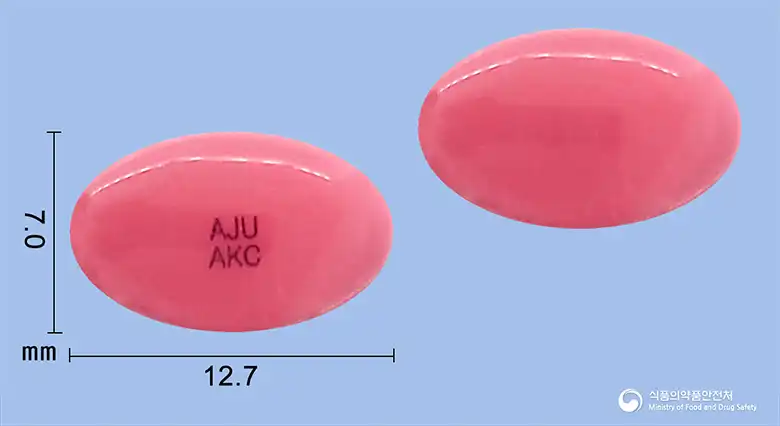
Isotretinoin 10mg
Soft capsule · Prescription medication
Aju Pharmaceutical Co., Ltd.
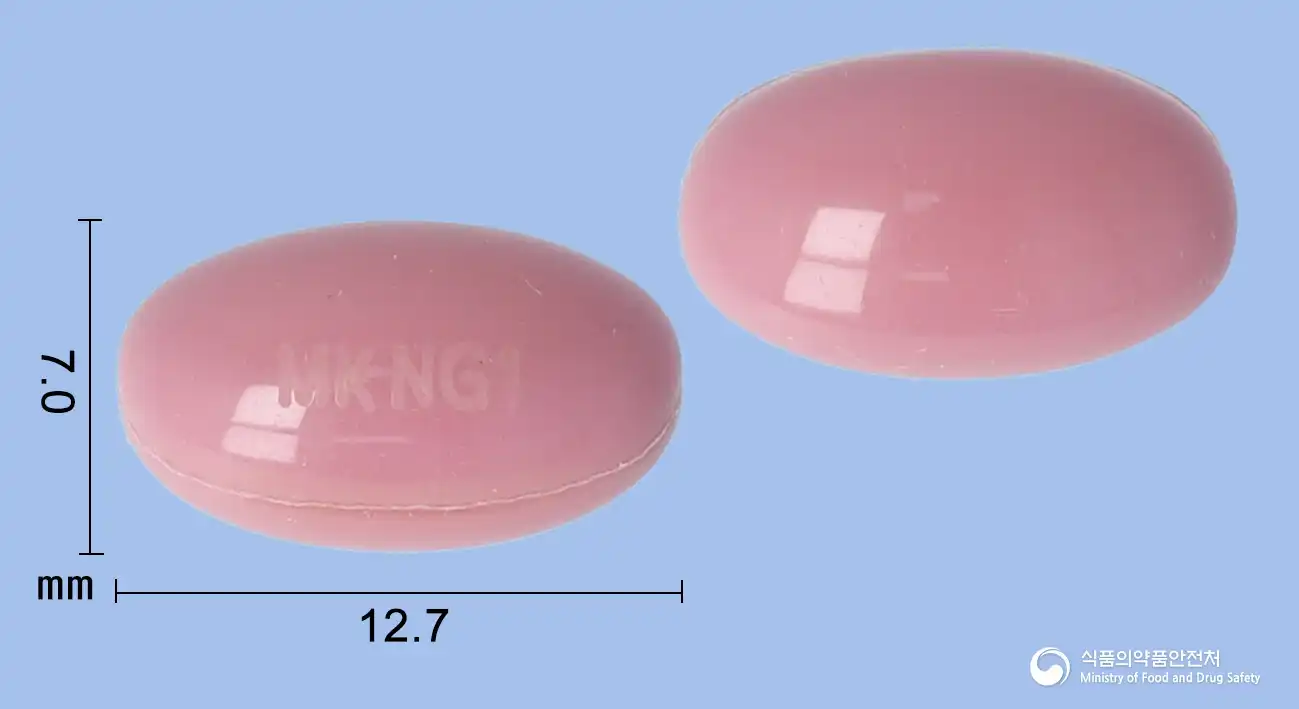
Isotretinoin 10mg
Soft capsule · Prescription medication
Medica Korea Co., Ltd.
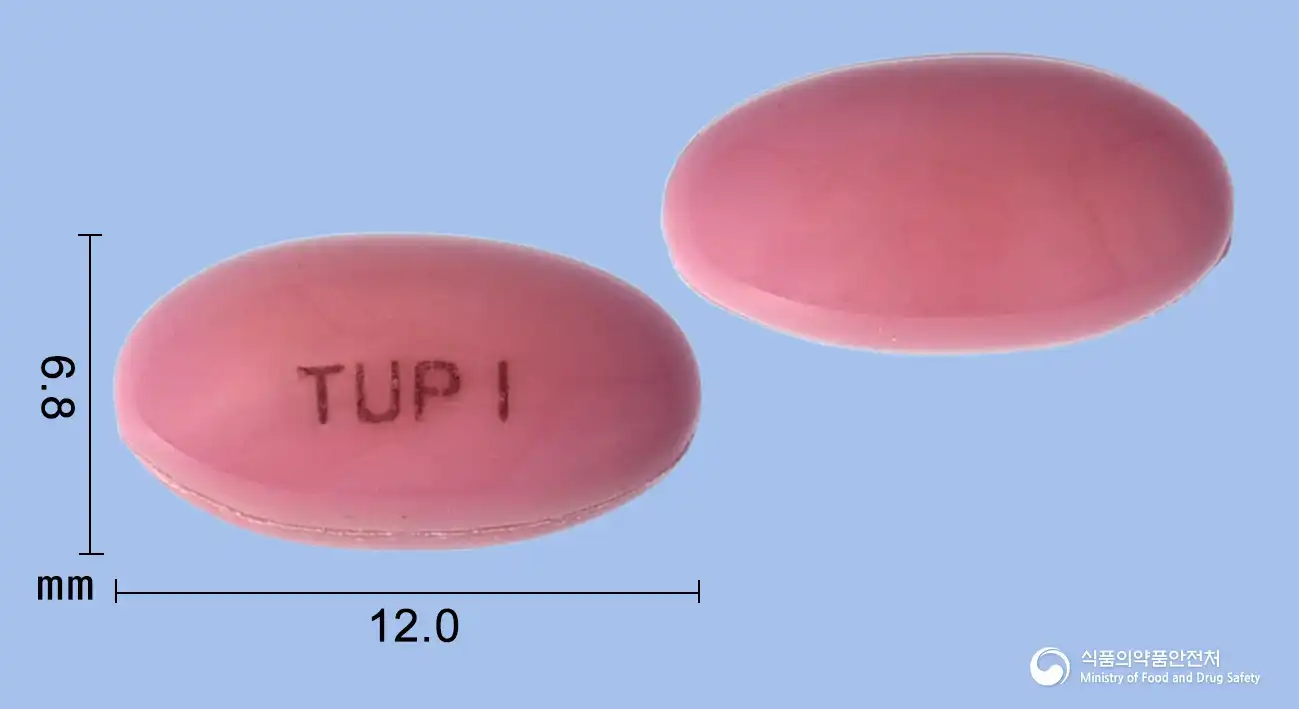
Isotretinoin 10mg
Soft capsule · Prescription medication
The U Pharmaceutical Co., Ltd.
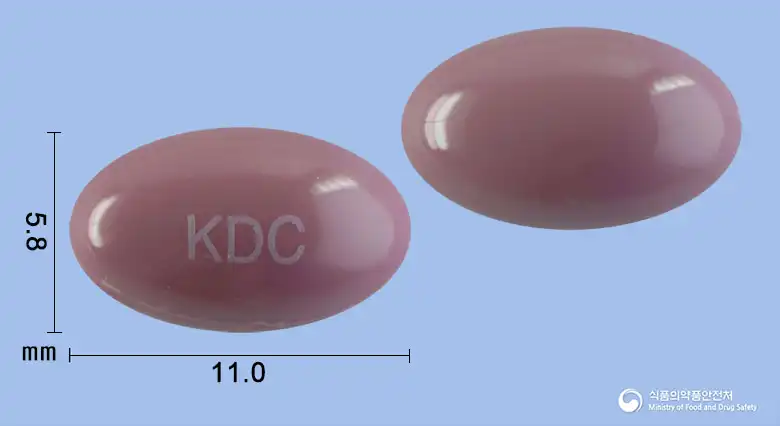
Isotretinoin 10mg
Soft capsule · Prescription medication
Koryo Pharmaceutical Co., Ltd.
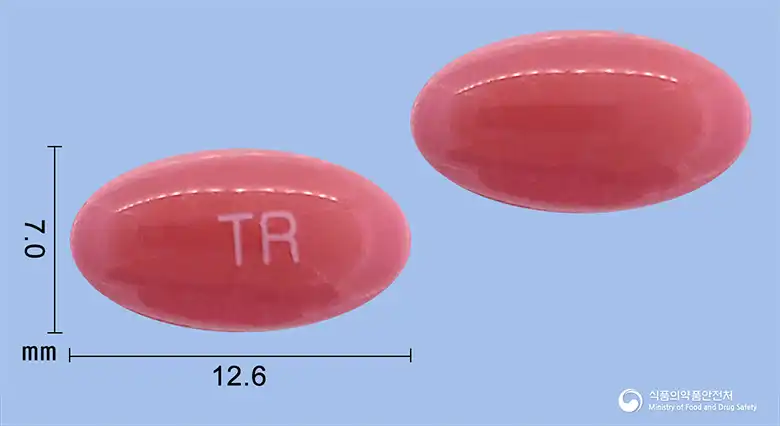
Isotretinoin 10mg
Soft capsule · Prescription medication
Kolon Pharmaceutical Co., Ltd.
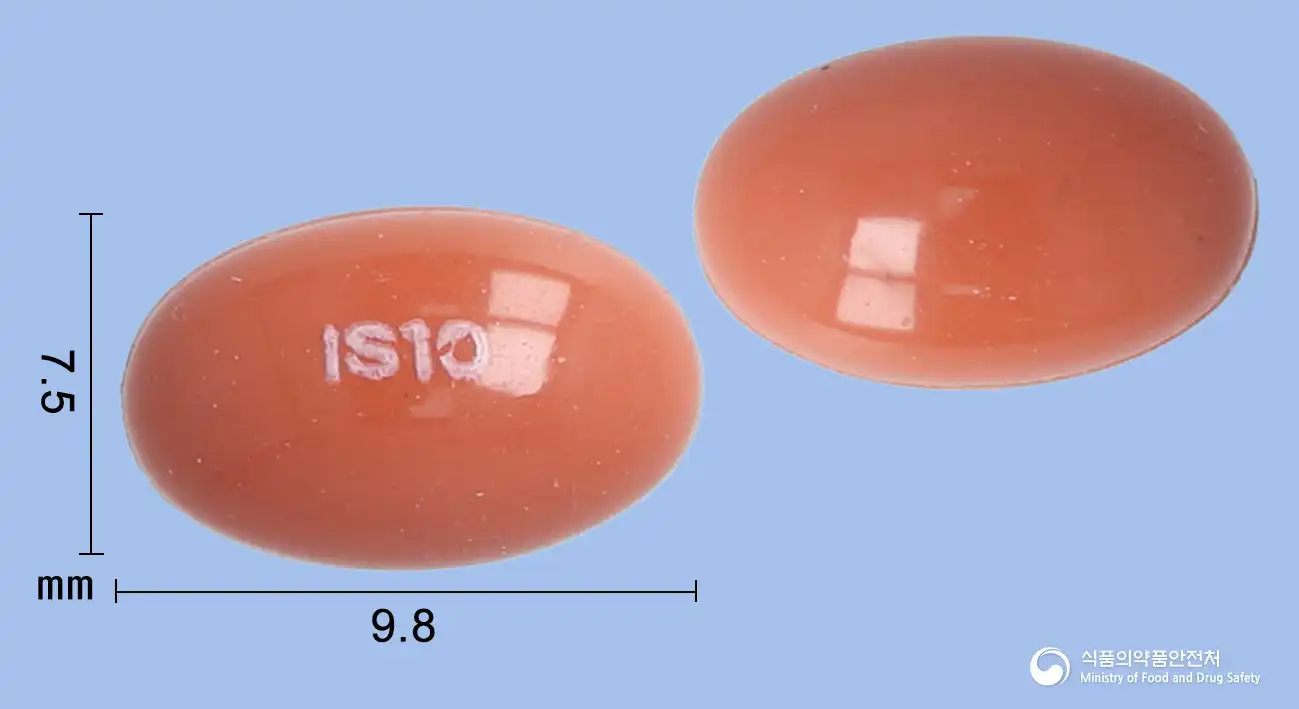
Isotretinoin 10mg
Soft capsule · Prescription medication
Hanmi Pharmaceutical Co., Ltd.
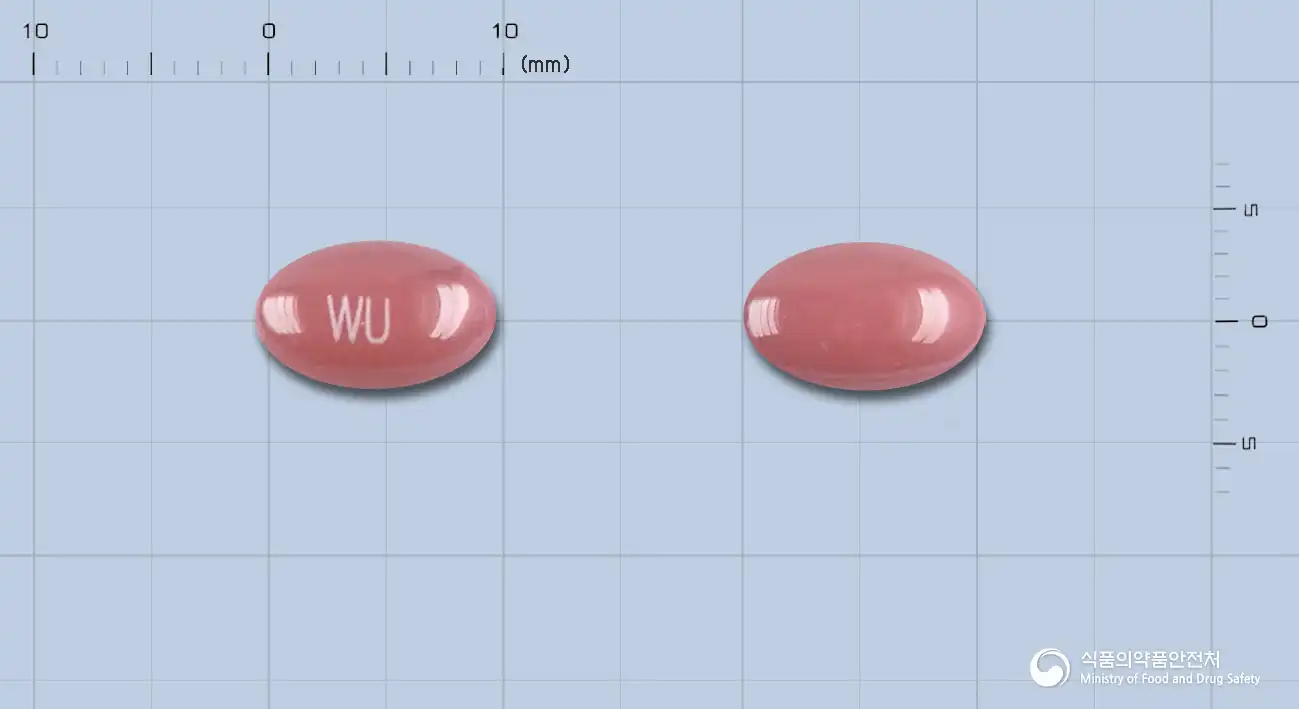
Isotretinoin 10mg
Soft capsule · Prescription medication
Withus Pharmaceutical Co., Ltd.
Even with the same ingredient, the dose and directions can differ by strength and dosage form. Talk to a doctor or pharmacist before switching from a medication you are already taking.
No questions yet.
For anything that needs medical judgment, consult a doctor or pharmacist.
This drug information is based on data provided by the Korea Ministry of Food and Drug Safety.
Consult a doctor or pharmacist for accurate dosage, administration, and usage instructions.