
 한국어
 English
 日本語
 中文(简体)
 Viewing now
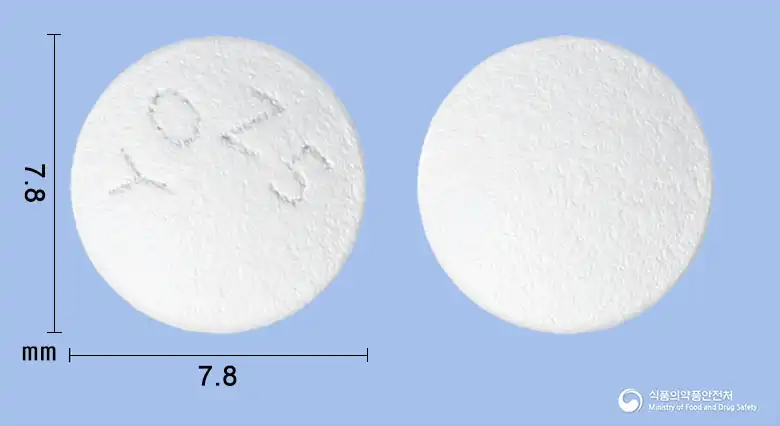
Youngjin Olanzapine Tablet 5 mg
Olanzapine 5mg
Tablet · Prescription medication
Youngjin Pharmaceutical Co., Ltd.
MFDS item code 202203601 · Approved 2022.09.19 · Insurance code 642405070
Treatment and prevention of recurrence of bipolar disorder (manic or depressive episodes, etc.); treatment of schizophrenia
This medication is used for the treatment of schizophrenia and bipolar disorder. It especially helps alleviate the symptoms in patients with schizophrenia. It is effective for treating manic and mixed episodes associated with bipolar type 1 disorder and helps prevent recurrence in patients who have responded to manic episodes. Additionally, it is used for the acute treatment of depressive episodes associated with bipolar type 1 disorder, stabilizing the patients' mental health and improving their quality of life.
The therapeutic dose of this medicine should be adjusted according to the patient's clinical condition. Increases above the usual recommended daily dose of 10 mg are recommended only after an appropriate clinical evaluation. Adults Schizophrenia The recommended initial dose is 5∼10 mg of olanzapine once daily. Maintenance treatment: Although there is no clear answer as to how long treatment with this medicine should continue, its efficacy was demonstrated in a placebo-controlled study in patients with schizophrenia whose symptoms had stabilized after taking this medicine for approximately 8 weeks and who received maintenance treatment at a dose of 10∼20 mg daily for 8 months. The need for maintenance treatment at an appropriate dose should be assessed periodically. Bipolar disorder Treatment of manic and mixed episodes associated with bipolar I disorder The initial dose is 15 mg of this medicine once daily as monotherapy, or 10 mg once daily as adjunctive therapy with lithium or valproate. Prevention of recurrence in bipolar disorder The recommended initial dose is 10 mg once daily. Patients who have been receiving this medicine to treat mania should continue the same dose to prevent recurrence. If a new manic, mixed, or depressive episode occurs, treatment with this medicine should continue, together with adjunctive therapy for mood symptoms as clinically indicated (optimizing the required dose). For schizophrenia, treatment of manic and mixed episodes associated with bipolar I disorder, and prevention of recurrence in bipolar disorder, the daily dose may be adjusted within the range of 5 mg to 20 mg based on the clinical condition. Increases above the recommended initial dose are recommended only after an appropriate clinical evaluation and should generally be made at intervals of at least 24 hours. If treatment with this medicine is discontinued, the dose should be reduced gradually and carefully. Acute treatment of depressive episodes associated with bipolar I disorder Start treatment with 5mg of olanzapine once daily, and increase to 10mg once daily. Administer this medicine before bedtime and adjust the dose as appropriate according to age and symptoms; do not exceed a daily dose of 20mg. Food does not affect drug absorption, so this medicine may be taken with or without food. Administration in special populations Elderly patients Starting at a dose of 5 mg or less daily may be considered when there is sufficient evidence based on clinical factors. Patients with renal or hepatic impairment A low initial dose (5 mg) should be considered. In moderate hepatic impairment (cirrhosis, Child-Pugh class A or B), the initial dose is 5 mg and the dose should be increased cautiously. Patients with multiple factors that delay the metabolism of this medicine (female sex, advanced age, and nonsmoking status) may also be started at a low dose. Instructions (for orally disintegrating tablets only) This medicine is fragile. Remove it from the outer package and open the blister by peeling off the foil backing. Do not press the tablet through the foil when opening the blister. Immediately after opening the blister, remove the tablet with dry hands and place it directly in the mouth. The tablet disintegrates rapidly in saliva and may be swallowed with or without a drink.
This medication can cause a life-threatening severe side effect known as Neuroleptic Malignant Syndrome; therefore, if symptoms such as high fever, muscle rigidity, or changes in mental state occur, use should be immediately discontinued and medical consultation should be sought. It is not approved for the treatment of psychosis or behavioral disorders related to dementia, and use in this patient population is discouraged due to increased mortality and risk of cerebrovascular events. Prolonged use can cause a movement disorder called tardive dyskinesia, so dose adjustment or discontinuation should be considered if abnormal symptoms appear. Diabetes or hyperglycemia may occur or worsen, thus blood sugar and weight should be monitored regularly, and medical personnel must be informed of any abnormal signs. This medication may cause drowsiness and dizziness, so caution is needed when driving or operating machinery. Since liver function may be affected, patients with liver disease require regular liver function tests, and use should be discontinued if symptoms of hepatitis appear. It can affect the cardiovascular system, so caution is needed for patients with heart disease, hypotension, or bradycardia, and continuous monitoring such as blood pressure measurements is necessary. Women who are pregnant or breastfeeding should consult their physician before use, as it may affect the fetus and newborn. This medication can interact with other medications; therefore, inform medical personnel of any current medications, especially it should not be used concomitantly with epinephrine. Sudden discontinuation may result in withdrawal symptoms such as insomnia, anxiety, or nausea, thus tapering off according to medical advice is essential. In case of overdose, risks such as decreased consciousness, heart irregularities, and respiratory distress may occur, requiring immediate emergency treatment; there is no specific antidote. This medication should be kept out of reach of children and stored away from direct sunlight and moisture at a temperature between 15 and 30 degrees.
Not everyone experiences these, and they can vary from person to person.
This medication should be stored in a tightly sealed container to prevent exposure to air and moisture. An appropriate storage temperature is preferable to maintain room temperature between 15 and 30 degrees. This way, the effectiveness and safety of the medication can be preserved for a long time.
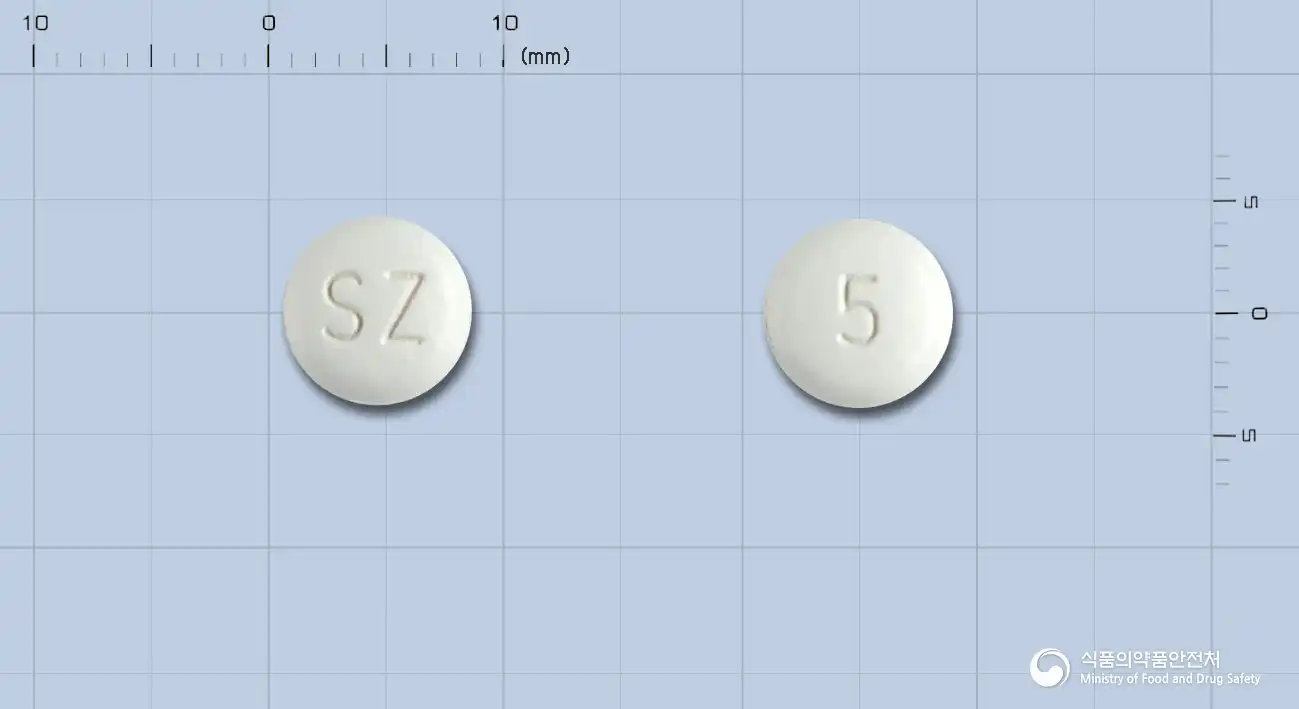
White circular film-coated tablet
Bottle - 30 tablets/bottle
Even with the same ingredient, strength, dosage form and how it is taken can differ.
Viewing nowOlanzapine 5mg
Tablet · Prescription medication
Youngjin Pharmaceutical Co., Ltd.
Olanzapine 5mg
Tablet · Prescription medication
Boryung Pharmaceutical Co., Ltd.
Olanzapine 10mg
Tablet · Prescription medication
Boryung Co., Ltd.
Olanzapine 2.5mg
Tablet · Prescription medication
Boryung Pharmaceutical Co., Ltd.
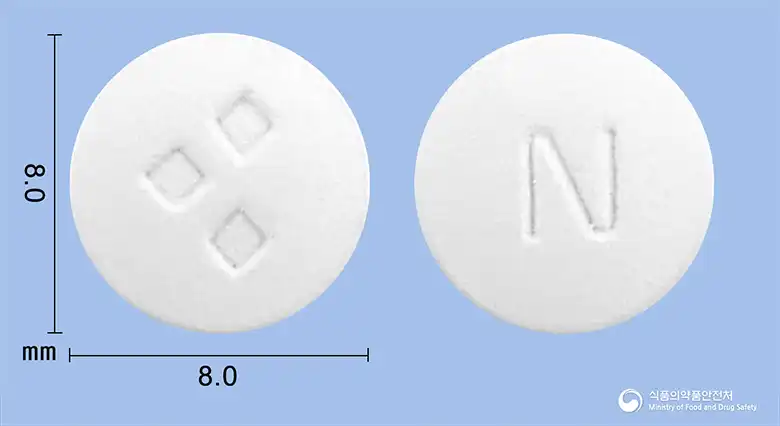
Olanzapine 5mg
Tablet · Prescription medication
Myongin Pharmaceutical Co., Ltd.
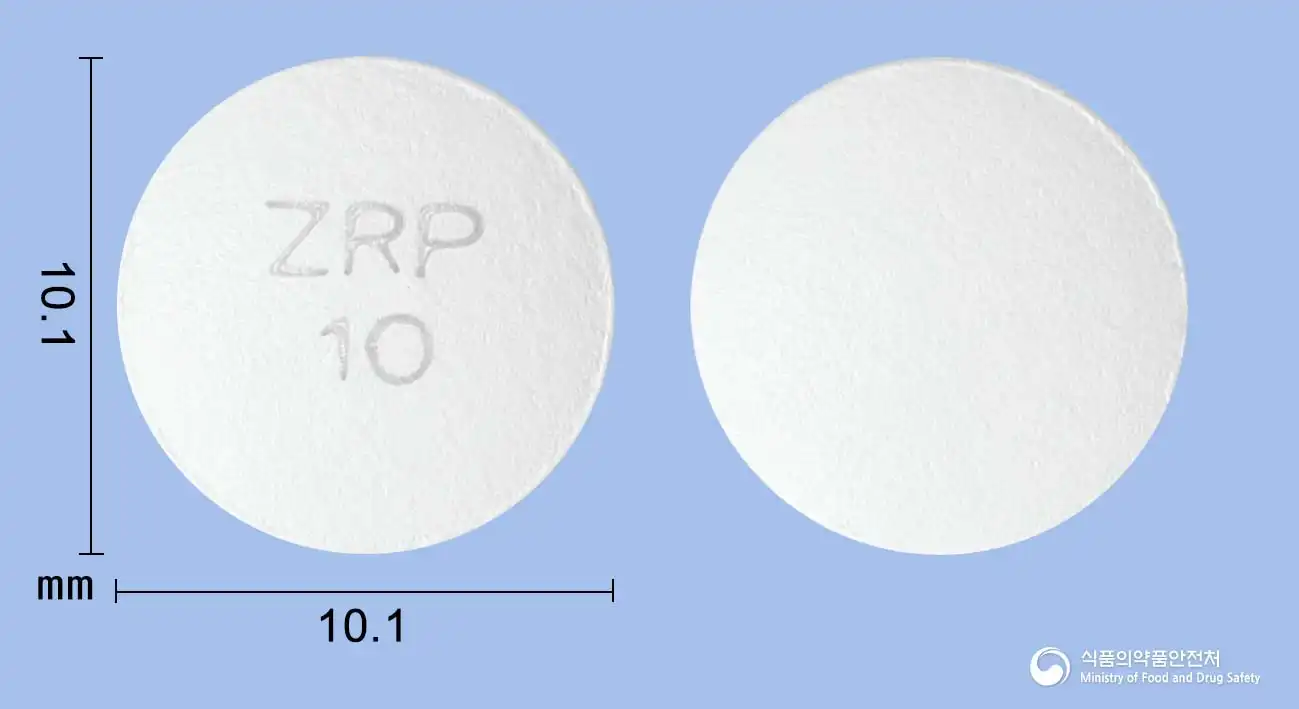
Olanzapine 10mg
Tablet · Prescription medication
Hanin Pharmaceutical Co., Ltd.
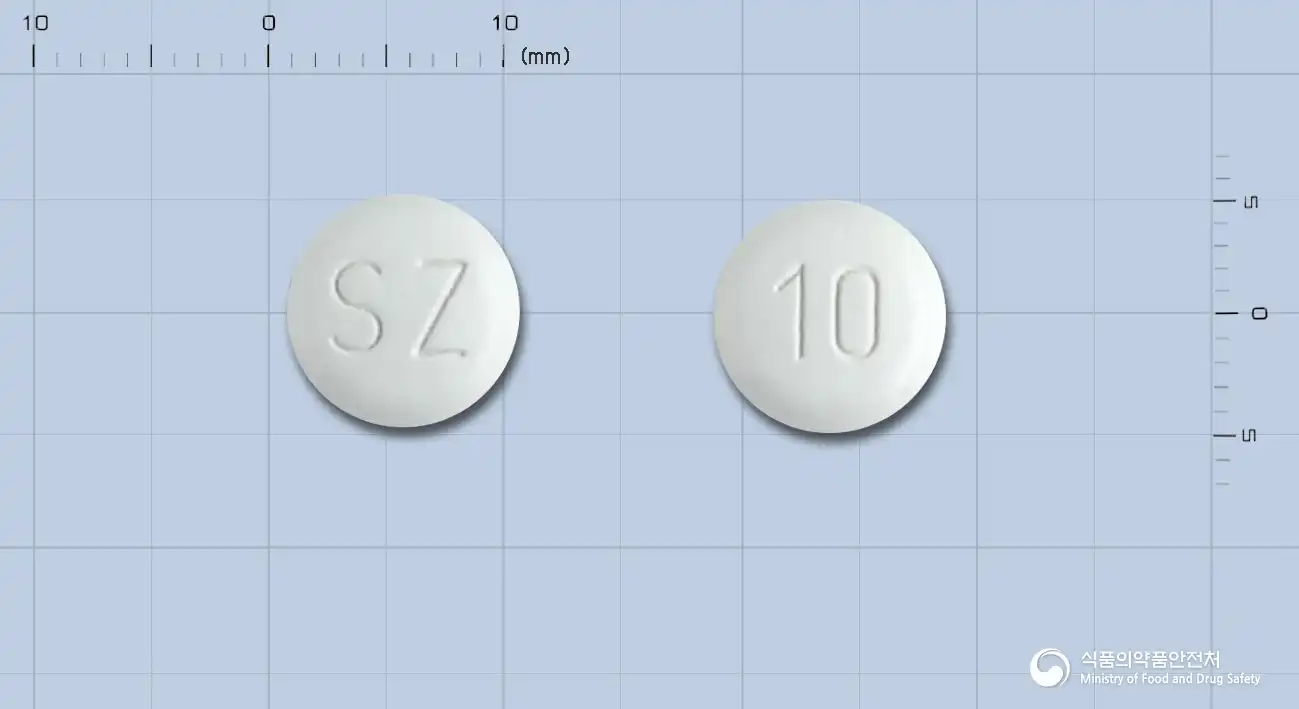
Olanzapine 10mg
Tablet · Prescription medication
Samil Pharmaceutical Co., Ltd.
Olanzapine 5mg
Tablet · Prescription medication
Samil Pharmaceutical Co., Ltd.
Even with the same ingredient, the dose and directions can differ by strength and dosage form. Talk to a doctor or pharmacist before switching from a medication you are already taking.
No questions yet.
For anything that needs medical judgment, consult a doctor or pharmacist.
This drug information is based on data provided by the Korea Ministry of Food and Drug Safety.
Consult a doctor or pharmacist for accurate dosage, administration, and usage instructions.