
 한국어
 English
 日本語
 中文(简体)
 Viewing now
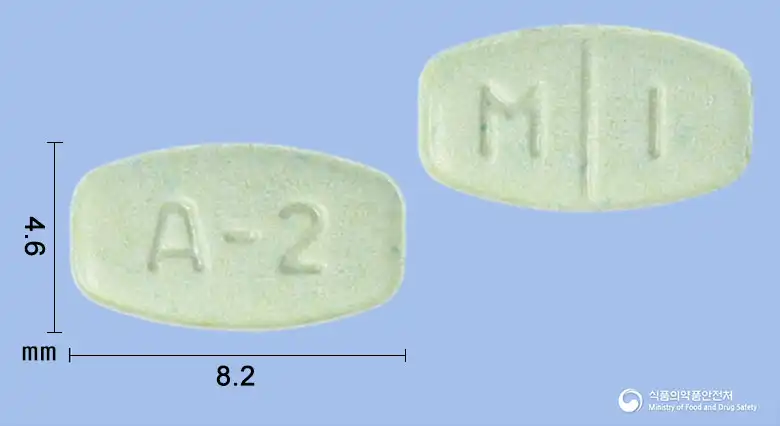
Lepizol Tablets 2 mg (Aripiprazole)
Aripiprazole 2mg
Tablet · Prescription medication
Myungjin Pharmaceutical Co., Ltd.
MFDS item code 202203419 · Approved 2022.08.29 · Insurance code 651905230
Adjunctive treatment of depression; treatment of schizophrenia and mania; relief of irritability associated with autism and Tourette disorder
This medication is used for schizophrenia, acute mania and mixed states of bipolar disorder, adjunctive treatment for major depressive disorder, irritability due to autistic disorder, and neurological and psychiatric disorders such as Tourette's disorder.
1. Schizophrenia 1) Adults - The recommended starting dose is 10 mg or 15 mg once daily, with or without food. For the treatment of schizophrenia, this medicine may be adjusted within a dose range of 10-30 mg daily. The dose should not be increased before 2 weeks, which is the time required to reach steady state. - Maintenance treatment: The efficacy of maintenance treatment with this medicine for schizophrenia was demonstrated in a clinical trial evaluating relapse at a dose of 15 mg daily versus placebo in patients with schizophrenia who had been stabilized with another antipsychotic for at least 3 months. Patients should be reassessed regularly to determine whether maintenance treatment is needed. 3) Switching from another antipsychotic When switching from an existing antipsychotic to this medicine, it is most appropriate to initiate this medicine while gradually reducing the dose of the existing medication. The period of concomitant administration of most antipsychotics should be minimized. 2. Treatment of manic and mixed episodes associated with bipolar disorder 1) Adults - The recommended starting dose, as monotherapy or as adjunctive therapy with lithium or valproate, is 15 mg once daily, with or without food. The dose may be increased to 30 mg daily according to clinical response. Doses above 30 mg daily were not evaluated in clinical trials. - Maintenance treatment: The efficacy of maintenance treatment in bipolar I disorder was demonstrated in a clinical trial in patients stabilized with this medicine (15 mg or 30 mg daily as monotherapy) for at least 6 weeks. Patients should be reassessed regularly to determine whether maintenance treatment is needed. 3. Adjunctive treatment of major depressive disorder - Adults - The recommended starting dose for adult patients taking an existing antidepressant is 2~5mg once daily, with or without food. The efficacy of this medicine as adjunctive treatment for major depressive disorder has been established at doses of 2~15mg daily. The dose should be increased gradually by no more than 5mg at intervals of at least 1 week. - Maintenance treatment: Maintenance treatment as adjunctive therapy for major depressive disorder has not been evaluated. Patients should be reassessed regularly to determine whether maintenance treatment is needed. 6. Dosage adjustment considering CYP450 interactions - Dosage adjustment is recommended for CYP2D6 poor metabolizers and patients taking a CYP3A4 inhibitor, a CYP2D6 inhibitor, or a strong CYP3A4 inducer (see Table 1). If concomitant medication is discontinued, adjust the aripiprazole dose to the previous dose; however, when discontinuing a concomitant CYP3A4 inducer, adjust the dose over 1~2 weeks. The dose may then be adjusted according to clinical response. (See the “Interactions” section of Precautions for Use.) Table 1. Dosage adjustment for CYP2D6 poor metabolizers and patients taking a CYP2D6 inhibitor, CYP3A4 inhibitor, or CYP3A4 inducer Dosage adjustment factor Aripiprazole dose CYP2D6 poor metabolizer 1/2 of the usual dose Strong CYP2D6 inhibitor (e.g., quinidine, fluoxetine, paroxetine) or strong CYP3A4 inhibitor (e.g., ketoconazole, itraconazole, clarithromycin) 1/2 of the usual dose Strong CYP3A4 inducer (e.g., carbamazepine, rifampin) 2 times the usual dose over 1~2 weeks However, when aripiprazole is used as adjunctive therapy for major depressive disorder, it should be administered without dose adjustment.
1) Adolescents (13-17 years) — The recommended dose is 10 mg daily, with or without food. Doses of 10 mg and 30 mg daily were studied in adolescent patients (13-17 years). The initial daily dose was 2 mg, increased to 5 mg after 2 days and then to 10 mg after another 2 days. Thereafter, the dose was increased in 5 mg increments. However, a dose of 30 mg daily was not more effective than 10 mg daily. Maintenance treatment has not been evaluated in adolescents with schizophrenia. Patients should be reassessed regularly to determine whether maintenance treatment is needed. Long-term safety has not been established with respect to the emergence of suicidal symptoms, growth, maturation, and cognitive and behavioral development; therefore, patients should be monitored carefully and regularly. 2) Children (10-17 years) — The recommended dose as monotherapy is 10 mg daily, with or without food. Efficacy has been demonstrated at doses of 10 mg or 30 mg daily in children (10-17 years) with bipolar I disorder. The initial dose is 2 mg daily, increased to 5 mg after 2 days and then to 10 mg after another 2 days. Thereafter, the dose should be increased in 5 mg increments. Maintenance treatment has not been evaluated in children with bipolar I disorder. Patients should be reassessed regularly to determine whether maintenance treatment is needed. Long-term safety has not been established with respect to the emergence of suicidal symptoms, growth, maturation, and cognitive and behavioral development; therefore, patients should be monitored carefully and regularly. 4. Irritability associated with autistic disorder - Children (6-17 years) — Efficacy of this medicine has been demonstrated at doses of 5 mg to 15 mg daily in children (6-17 years) with autistic disorder. The recommended starting dose is 1mg or 2mg daily, and the dose should be increased to 5 mg daily, then, if needed, to 10 mg or 15 mg daily. Dose adjustments up to 5 mg daily should be made gradually at intervals of at least 1 week. The dose of this medicine should be individualized according to tolerability and response. Maintenance treatment has not been evaluated in children with autistic disorder. Patients should be reassessed regularly to determine whether maintenance treatment is needed. Long-term safety has not been established with respect to the emergence of suicidal symptoms, growth, maturation, and cognitive and behavioral development; therefore, patients should be monitored carefully and regularly. 5. Tourette’s disorder - Children (6-18 years) — Efficacy of this medicine has been demonstrated at doses of 2 mg to 20 mg daily in children (6-18 years) with Tourette’s disorder. The initial dose is 2 mg daily, with gradual increases in 5mg increments at intervals of at least 2 weeks. The dose of this medicine should be individualized according to tolerability and response. Maintenance treatment has not been evaluated in children with Tourette’s disorder. Patients should be reassessed regularly to determine whether maintenance treatment is needed. Long-term safety has not been established with respect to the emergence of suicidal symptoms, growth, maturation, and cognitive and behavioral development; therefore, patients should be monitored carefully and regularly.
This medication may increase the risk of suicidal thoughts or behavior in children, adolescents, and young adults with major depressive disorder or other psychiatric disorders. Therefore, a doctor should carefully consider prescription for patients in this age group. Patients of all ages taking this medication should be closely monitored for worsening depression, suicidal tendencies, and abnormal behavior changes. Family members or guardians should carefully observe the patient and consult a doctor immediately if abnormal symptoms are detected. This medication may cause a serious side effect known as Neuroleptic Malignant Syndrome, which can manifest as high fever, muscle rigidity, changes in mental status, and autonomic instability. Immediate medical treatment is required if such symptoms appear. Long-term use may result in tardive dyskinesia, a disorder characterized by involuntary movements. Therefore, the duration of treatment and the dosage should be kept to a minimum, with regular monitoring of the patient's condition. In elderly patients with dementia, the use of this medication may increase the risk of death and cerebrovascular events; therefore, it is not recommended for the treatment of dementia-related psychiatric disorders. Diabetic patients or those at risk of hyperglycemia must regularly check their blood sugar levels during treatment with this medication. Consult healthcare professionals immediately if hyperglycemic symptoms occur. This medication may cause orthostatic hypotension; thus, particular caution is needed for patients with cardiovascular disease or those at high risk of hypotension when taking this medication. Patients with a history of seizures or at high risk of seizures should be closely monitored for potential seizure occurrence when using this medication. This medication may impair judgment and motor skills; therefore, it is advisable to avoid driving or operating dangerous machinery while taking it. The ability to regulate body temperature may be diminished, requiring caution during excessive exercise or exposure to high-temperature environments. This medication may increase the risk of dysphagia and aspiration pneumonia; therefore, particular care should be taken when using it in elderly patients or those with swallowing difficulties. For patients at high risk of suicide, prescribe the minimal effective dose to reduce the risk of overdose, and ensure close supervision of the patient's condition. This medication contains lactose; therefore, patients with lactose intolerance or related genetic disorders should not take this medication. Common side effects that may occur during treatment include nausea, vomiting, constipation, headache, dizziness, insomnia, anxiety, drowsiness, fatigue, weight gain, and extrapyramidal symptoms. If these symptoms are severe or persistent, consult healthcare professionals. Various side effects such as cardiac-related adverse reactions, blood sugar anomalies, muscle rigidity, and akathisia have been reported; thus, regular health monitoring during treatment is essential. If any abnormal symptoms occur while taking this medication, consult a doctor immediately, especially for suicidal thoughts, severe muscle rigidity, seizures, or severe allergic reactions, as immediate treatment is necessary.
Suicidal thoughts, suicidal behavior, anxiety, restlessness, panic attacks, insomnia, hypersensitivity, hostility, aggression, impulsivity, akathisia, hypomania, mania, hyperthermia, muscle rigidity, changes in mental state, autonomic nervous instability, increased serum creatine kinase, myoglobinuria, acute renal failure, orthostatic hypotension, position-induced dizziness, syncope, seizures, convulsions, drowsiness, nausea, vomiting, constipation, headache, dizziness, anxiety, insomnia, restlessness, extrapyramidal disorder, fatigue, increased appetite, nasopharyngitis, weight gain, sedation, tremors, blurred vision, excessive salivation, fever, drooling, hypersomnia, excessive sleep, dysmenorrhea, rhinorrhea, rash, blood abnormalities (leukopenia, neutropenia, thrombocytopenia), cardiac abnormalities (heart failure, bradycardia, cardiac arrest, atrioventricular block, atrial fibrillation, angina pectoris, palpitations, myocardial infarction, ectopic beats, sinus tachycardia, myocardial ischemia, atrial flutter, ventricular tachycardia, loss of tachycardia), eye abnormalities (periorbital edema, photophobia, diplopia, scotoma), gastrointestinal abnormalities (gastroesophageal reflux disease, tongue edema, esophagitis, pancreatitis), systemic abnormalities (fatigue, peripheral edema, chest pain, facial swelling, vascular edema, hypothermia), hepatobiliary abnormalities (hepatitis, jaundice), immune system abnormalities (hypersensitivity), injury and poisoning (falls, self-harm, heat stroke), laboratory abnormalities (increased serum creatine kinase, weight loss, increased liver enzymes, increased blood urea, increased bilirubin, increased creatinine, prolonged QT interval on ECG, increased prolactin, increased blood glucose, increased serum lactate dehydrogenase, increased glycated hemoglobin, increased GGT), metabolic and nutritional disturbances (anorexia, hyperlipidemia, diabetes, hyperglycemia, hypokalemia, hyponatremia, hypoglycemia, polyuria, diabetic ketoacidosis), musculoskeletal abnormalities (muscle rigidity, muscle weakness, muscle tone, reduced movement, rhabdomyolysis), neurological abnormalities (coordination abnormality, speech disorder, Parkinsonism, cogwheel rigidity, memory disturbances, cerebrovascular accidents, decreased exercise, tardive dyskinesia, hypotonia, hypertonia, akinesia, myoclonus, grand mal seizures, chorea, dystonia), psychiatric abnormalities (suicidal thoughts, aggression, loss of libido, hostility, suicide attempts, increased libido, anger, sexual arousal disorder, delirium, intentional self-harm, suicide, tics, homicidal thoughts, tension, sleepwalking), urinary tract abnormalities (urinary retention, polyuria, nocturia), reproductive system abnormalities (erectile dysfunction, amenorrhea, menstrual irregularities, chest pain, gynecomastia, priapism), respiratory system abnormalities (dyspnea, congestion, aspiration pneumonia), skin and subcutaneous tissue abnormalities (hyperhidrosis, rash, pruritus, photosensitivity reaction, alopecia, urticaria), vascular system abnormalities (hypertension, hypotension), dry tongue, tongue spasms, sleep talking, hirsutism, allergic reactions (anaphylaxis, angioedema, laryngeal spasms, pruritus, urticaria, oropharyngeal spasms), fluctuations in blood glucose, pathological gambling, hypersexuality, hiccups, eosinophilia, DRESS, restless legs syndrome, decreased serum prolactin, anxiety, psychosis, personality disorder, aggressive responses, uncontrollable laughter, soliloquy, stuttering, muscle tone abnormalities, erythema, fractures, death, hyperactivity, sleep disorders, ocular myoclonus, palpitations, abnormal sensations, numbness, hallucinations, dysregulation of gastrointestinal function, drooling, urinary disorders, depression
Not everyone experiences these, and they can vary from person to person.
Store this medication in a tightly closed container to protect it from air and moisture. It is advisable to keep it at room temperature between 1 and 30 degrees Celsius. Proper storage can help maintain the efficacy of the medication for a longer period.
Green rectangular tablets
30 tablets/bottle, 200 tablets/bottle
Even with the same ingredient, strength, dosage form and how it is taken can differ.
Viewing nowAripiprazole 2mg
Tablet · Prescription medication
Myungjin Pharmaceutical Co., Ltd.
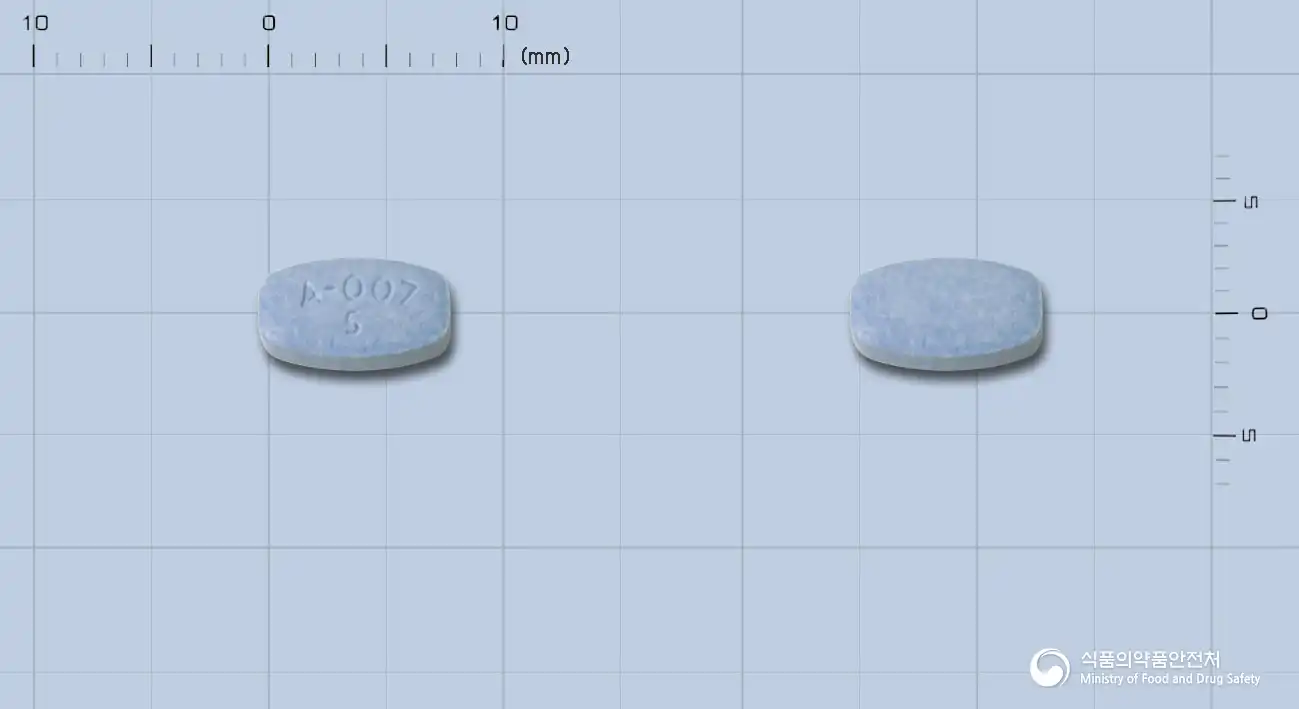
Aripiprazole 5mg
Tablet · Prescription medication
Otsuka Pharmaceutical Co., Ltd.
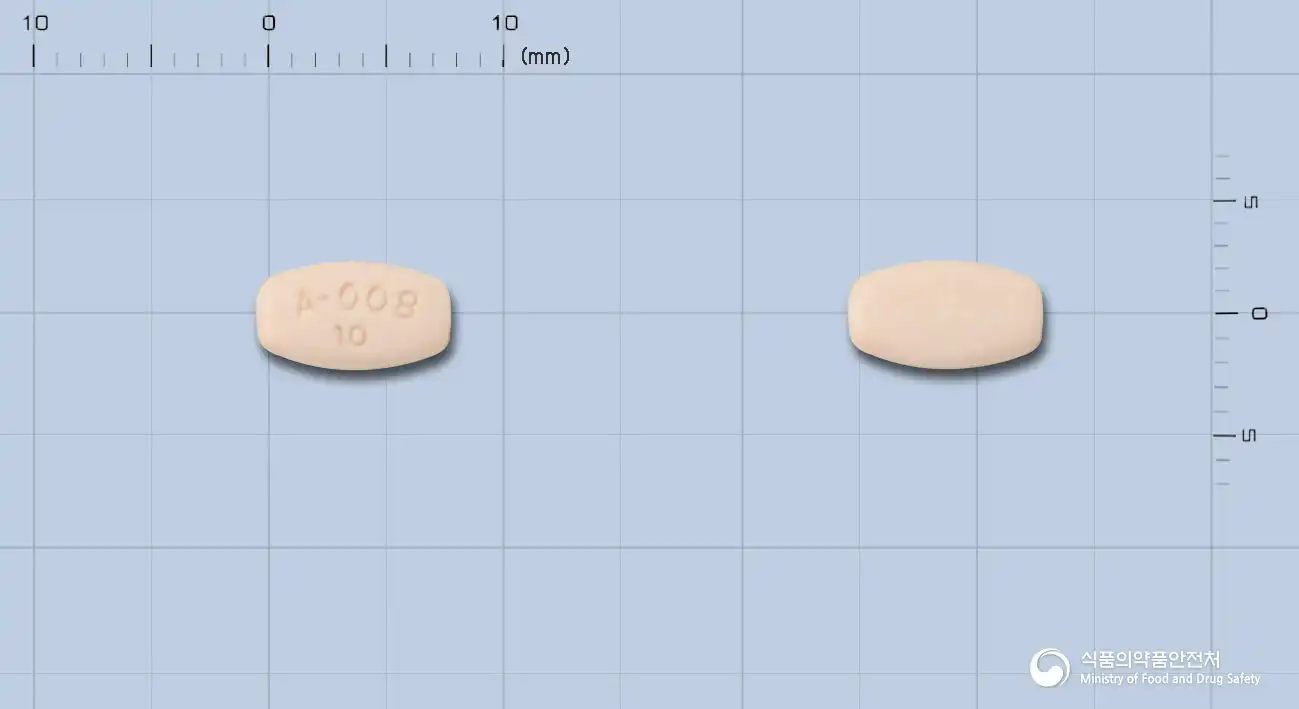
Aripiprazole 10mg
Tablet · Prescription medication
Otsuka Pharmaceutical Co., Ltd.

Aripiprazole 15mg
Tablet · Prescription medication
Otsuka Pharmaceutical Co., Ltd.
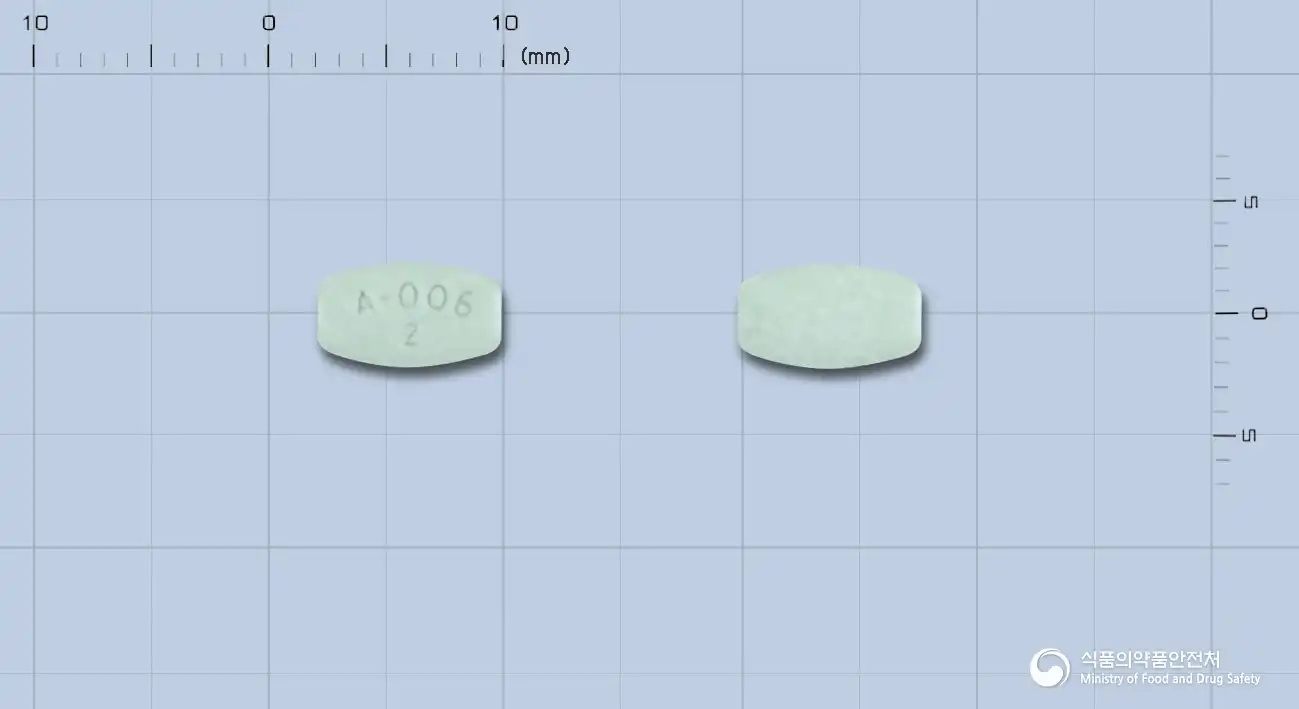
Aripiprazole 2mg
Tablet · Prescription medication
Korea Otsuka Pharmaceutical Co., Ltd.
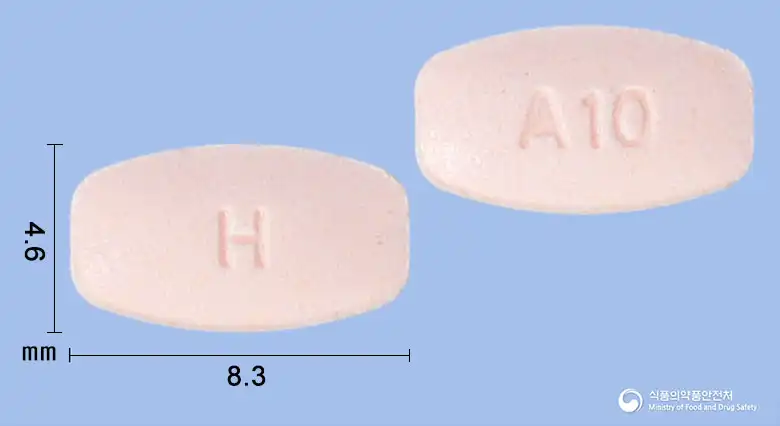
Aripiprazole 10mg
Tablet · Prescription medication
Hyundai Pharmaceutical Co., Ltd.
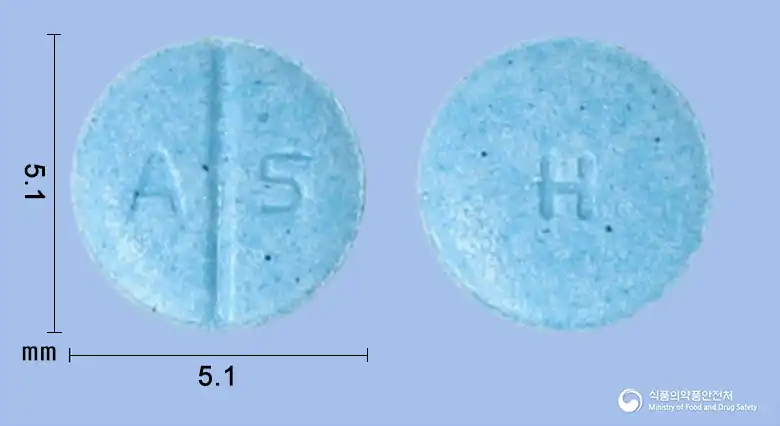
Aripiprazole 5mg
Tablet · Prescription medication
Hyundai Pharmaceutical Co., Ltd.
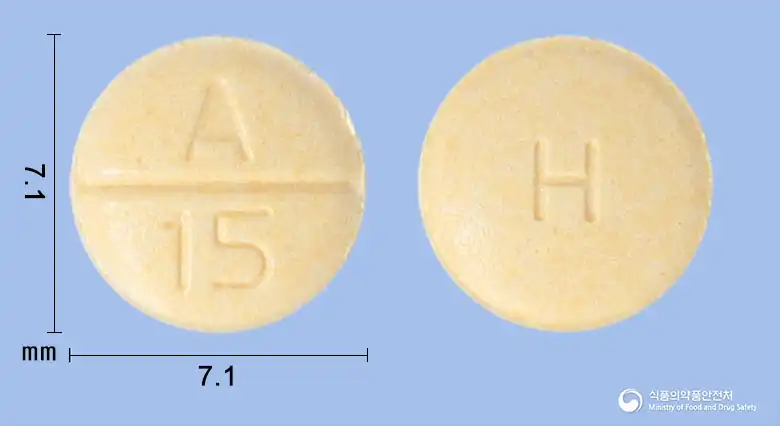
Aripiprazole 15mg
Tablet · Prescription medication
Hyundai Pharmaceutical Co., Ltd.
Even with the same ingredient, the dose and directions can differ by strength and dosage form. Talk to a doctor or pharmacist before switching from a medication you are already taking.
No questions yet.
For anything that needs medical judgment, consult a doctor or pharmacist.
This drug information is based on data provided by the Korea Ministry of Food and Drug Safety.
Consult a doctor or pharmacist for accurate dosage, administration, and usage instructions.