
 한국어
한국어 English
 日本語
日本語 中文(简体)
 Viewing nowCombination
Rapicol Cold Soft Capsules
Acetaminophen 200mg · Guaifenesin 41.6mg +4 more
Soft capsule · OTC medication · Combination
Yuhan Corporation
MFDS item code 202203017 · Notified 2022.07.20
Relief of cold symptoms (runny nose, nasal congestion, sore throat, etc.)
This medicine is used to relieve various symptoms caused by colds, such as runny nose, nasal congestion, sneezing, sore throat, cough, phlegm, chills, fever, headache, joint pain, and muscle pain.
Ages 15 and over: 2 capsules taken three times a day 30 minutes after meals
Ages 8 to under 15: 1 capsule taken three times a day 30 minutes after meals
This medicine may put a strain on the liver, so those who regularly consume more than three drinks a day should consult a doctor or pharmacist before use. Additionally, due to ingredients in this medicine, there may be rare cases of severe skin rashes or blisters, so if any abnormal skin reactions occur, discontinue use immediately and consult a professional. This medicine contains acetaminophen, so be careful not to exceed 4,000mg per day, and do not take it with other products containing acetaminophen. If symptoms such as fever, red spots, or blistering occur due to the pseudoephedrine component, discontinue use and consult a professional. Individuals with allergies to this medicine or components, a history of asthma, infants under 3 months old, those taking certain antidepressants or psychiatric medications, and those with severe hypertension or serious kidney disease should not take this medicine. Be careful not to take cough medicines, other cold medicines, antipyretic analgesics, sedatives, or antihistamines together while using this medicine. Especially, children, elderly individuals, and those with liver, kidney, heart, thyroid diseases, diabetes, hypertension, or gastrointestinal diseases should consult a healthcare professional before use. If symptoms such as rash, itching, nausea, vomiting, dizziness, or difficulty breathing appear while taking this medicine, stop taking it immediately and consult a doctor or pharmacist. This medicine should not be administered to children under 2 years of age, and if absolutely necessary, seek medical guidance. When taking it, be sure to adhere to the prescribed dosage and frequency, avoid prolonged use, refrain from alcohol, and avoid driving or operating machinery as drowsiness may occur. When taking this medicine with certain antidepressants or alcohol, the metabolism of acetaminophen may slow down, so caution is required. Additionally, when this medicine is taken alongside flucloxacillin, there may be rare but serious side effects such as metabolic acidosis, so caution is necessary.
Itching, nausea, vomiting, loss of appetite, constipation, swelling (edema), difficulty urinating, thirst, dizziness, anxiety, tremors, insomnia, high anionic gap metabolic acidosis (HAGMA)
Not everyone experiences these, and they can vary from person to person.
Do not take this medicine with MAO inhibitors (such as antidepressants, antipsychotics, mood stabilizers, and anti-Parkinson drugs), cough suppressants, other cold medicines, antipyretic analgesics, sedatives, and antihistamines. Those who have discontinued MAO inhibitors within 2 weeks should not take this medicine. Caution is required when taking barbiturate drugs, tricyclic antidepressants, alcohol, diabetes medications, gout medications, arthritis medications, anticoagulants, and steroids.
This medicine should be stored in a tightly sealed container to avoid exposure to air or moisture. It is best stored at room temperature, between 1°C and 30°C.
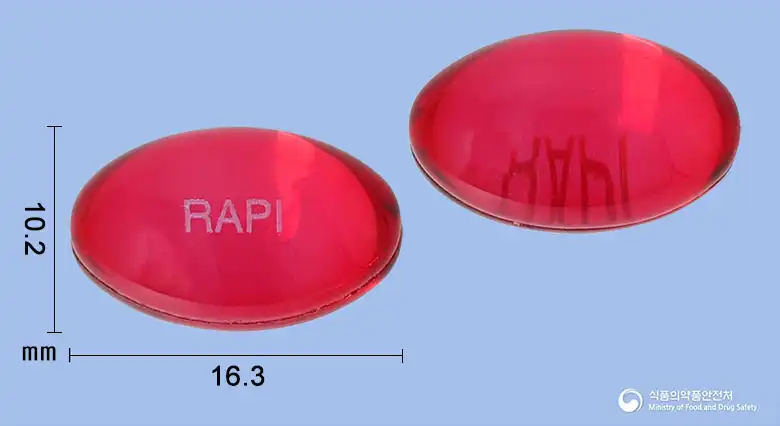
Red transparent oval soft capsule containing a transparent yellowish to pale red substance
10 capsules/PTP
Even with the same ingredient, strength, dosage form and how it is taken can differ.
Viewing nowCombinationAcetaminophen 200mg · Guaifenesin 41.6mg +4 more
Soft capsule · OTC medication · Combination
Yuhan Corporation
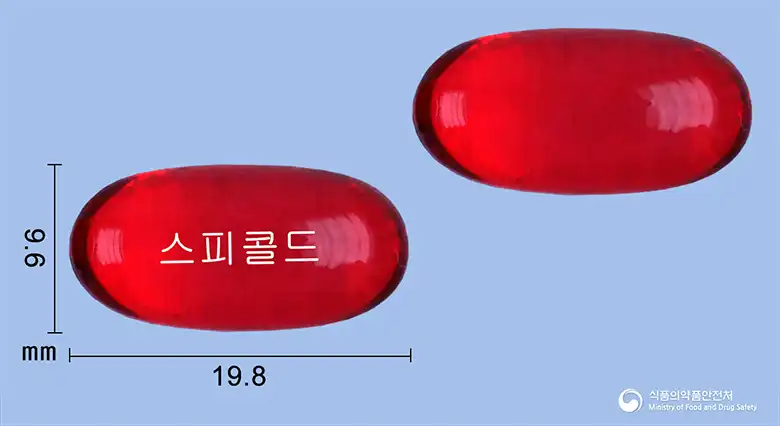 Combination
Acetaminophen 200mg · Chlorpheniramine Maleate 1.25mg +4 more
Soft capsule · OTC medication · Combination
RPI Bio Co., Ltd.
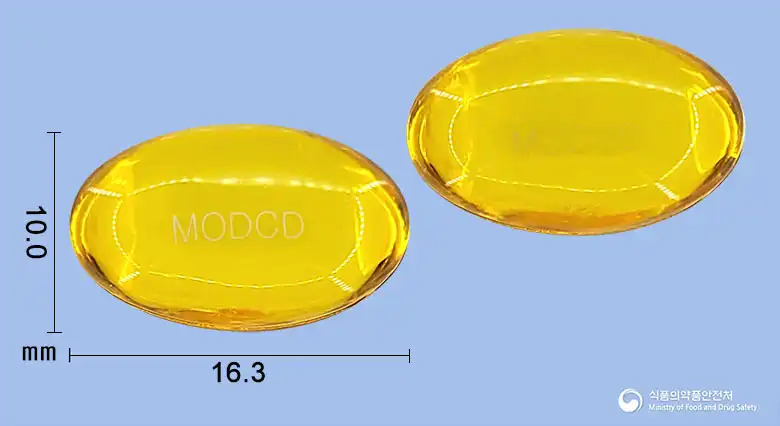 Combination
Acetaminophen 200mg · Chlorpheniramine Maleate 1.25mg +4 more
Soft capsule · OTC medication · Combination
Chung Kun Dang Pharmaceutical Corp.
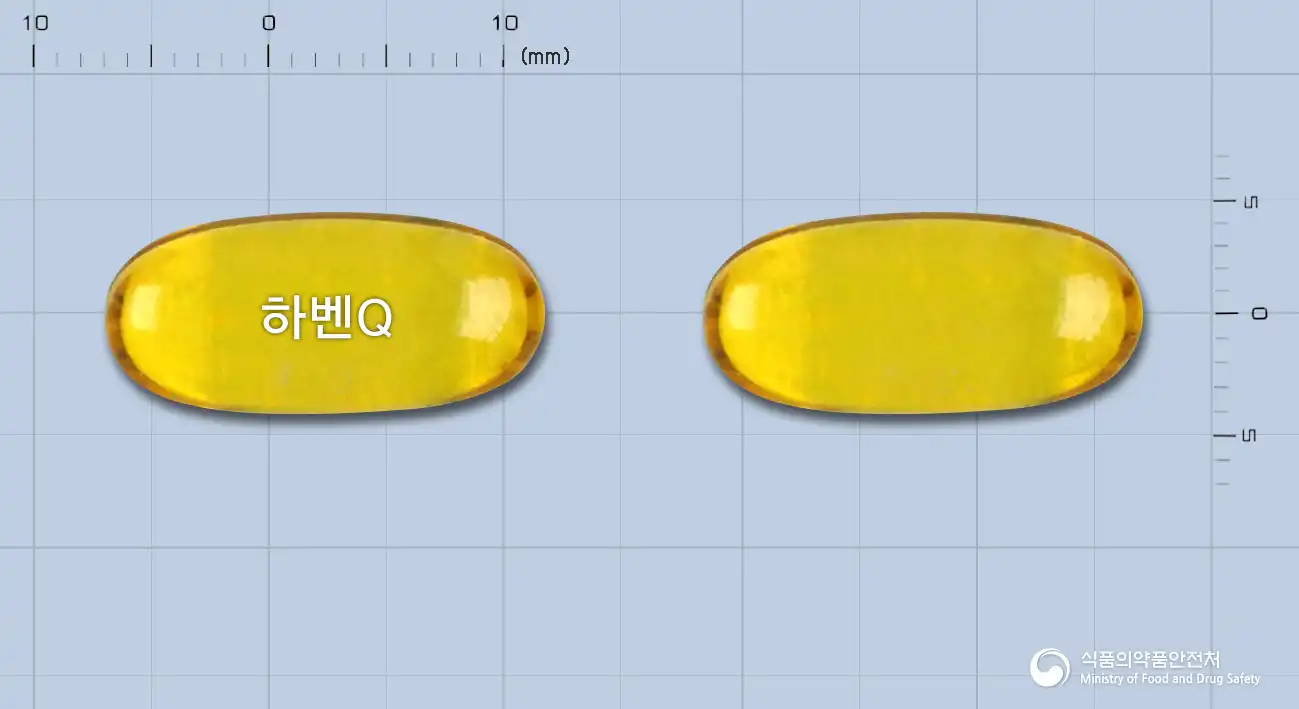 Combination
Acetaminophen 200mg · Chlorpheniramine Maleate 1.25mg +4 more
Soft capsule · OTC medication · Combination
Korea Pharmaceutical Co., Ltd.
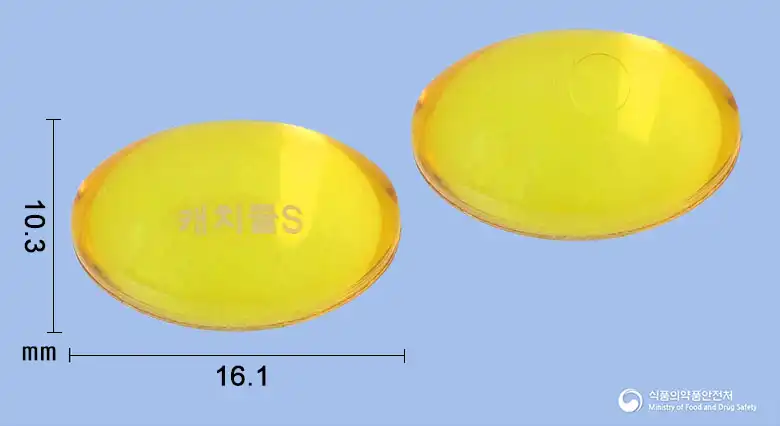 Combination
Acetaminophen 200mg · Chlorpheniramine Maleate 1.25mg +4 more
Soft capsule · OTC medication · Combination
Kolon Pharmaceutical Co., Ltd.
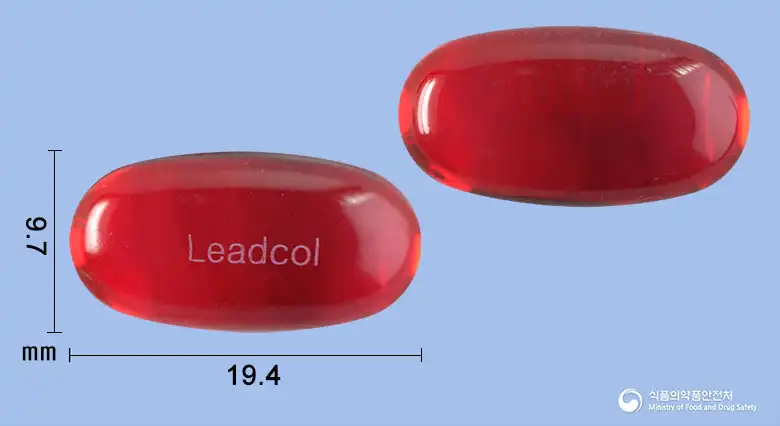 Combination
Acetaminophen 200mg · Chlorpheniramine Maleate 1.25mg +4 more
Soft capsule · OTC medication · Combination
RPI Bio Co., Ltd.
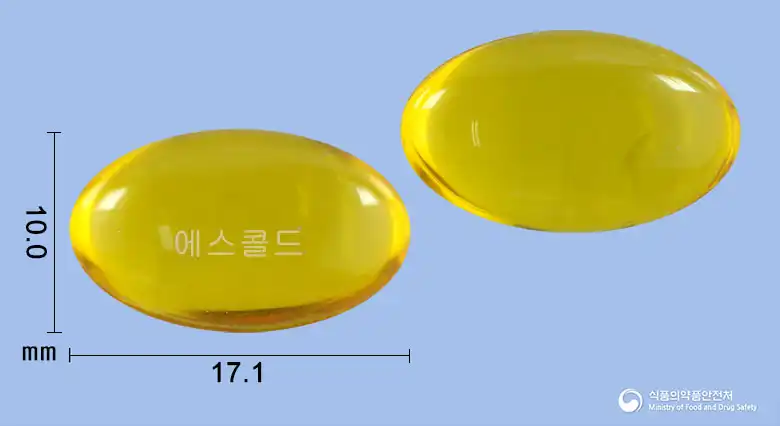 Combination
Acetaminophen 200mg · Chlorpheniramine Maleate 1.25mg +4 more
Soft capsule · OTC medication · Combination
Bukwang Pharmaceutical Co., Ltd.
Acetaminophen · Chlorpheniramine Maleate +4 more
OTC medication · Combination
Medix Pharmaceutical Co., Ltd.
Even with the same ingredient, the dose and directions can differ by strength and dosage form. Talk to a doctor or pharmacist before switching from a medication you are already taking.
QCan it be taken before meals?
Answers 1 · 2026.09.14
QCan my mother, who is on diabetes medication, take this?
Answers 1 · 2026.09.14
QI have difficulty urinating while taking cold medicine.
Answers 1 · 2026.09.14
For anything that needs medical judgment, consult a doctor or pharmacist.
This drug information is based on data provided by the Korea Ministry of Food and Drug Safety.
Consult a doctor or pharmacist for accurate dosage, administration, and usage instructions.