
 한국어
 English
 日本語
 中文(简体)
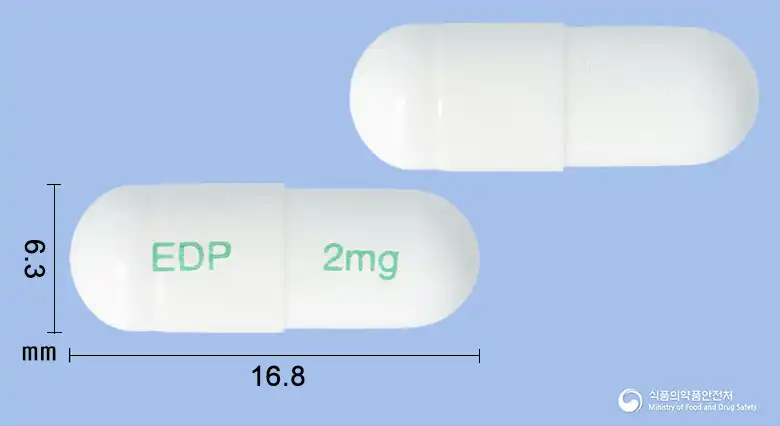 Viewing now
Polcib Capsule 2 mg (Polmacoxib)
Polmacoxib 2mg
Hard capsule · Prescription medication
(Co., Ltd.) Eden Pharma
MFDS item code 202202343 · Approved 2022.06.03 · Insurance code 628902120
Relief of symptoms of osteoarthritis (degenerative arthritis)
This medication is used to relieve pain and inflammation symptoms caused by osteoarthritis, also known as degenerative arthritis. As a selective COX-2 inhibitor, it helps reduce discomfort in the joints and aids vitality in daily life. However, it is crucial to evaluate the overall health condition and risks of individual patients before taking this medication. Adhering to these precautions allows for effective management of osteoarthritis symptoms.
Before administering this medicine, consider the potential risks and benefits of this medicine and other alternative treatments. Cardiovascular risk increases with higher doses and longer exposure to this medicine; therefore, administer it for the shortest possible duration. Efficacy beyond 6 weeks and the safety of long-term administration beyond 6 months have not been established. Adverse reactions such as hypertension, angina, and edema may occur during treatment with this medicine. Therefore, during treatment, the need to continue therapy based on symptom relief and the response to treatment should be reassessed regularly at least once a month. The recommended dose is 2mg once daily, taken after a meal. Do not exceed a daily dose of 2mg. If there is no therapeutic benefit at the recommended dose, discontinue this medicine and consider an appropriate alternative treatment. Patients with hepatic or renal impairment: Do not administer this medicine because there is no experience with its use.
This medication may cause serious side effects such as gastrointestinal bleeding if taken by individuals who regularly consume more than three alcoholic drinks a day. It is essential to consult with a doctor or pharmacist. This drug can affect the cardiovascular system, increasing the risk of myocardial infarction or stroke, so individuals with heart disease or risk factors should use the minimum dosage for the shortest duration and consult healthcare professionals immediately if symptoms occur. Serious gastrointestinal problems such as gastrointestinal bleeding, ulcers, and perforations may arise, so extra caution is necessary for the elderly or individuals with a history of gastrointestinal disorders. If symptoms such as epigastric pain, indigestion, black stools, or hematemesis appear during use, one should visit the hospital immediately. There are cases where this medication should not be taken, such as in individuals who are allergic to the medication or its components, those with uncontrolled asthma or hypertension, those with poor liver or kidney function, and pregnant or breastfeeding women. Individuals with specific conditions or those taking medications should use this drug with caution, especially heart failure, hypertension, and diabetes patients or those taking diuretics, ACE inhibitors, etc., should consult healthcare professionals before use. Various side effects such as headaches, indigestion, increased blood pressure, edema, and skin rashes may occur during use, and if abnormal symptoms persist or worsen, healthcare professionals should be informed immediately. Pregnant women or those planning to become pregnant should not take this medication; breastfeeding should also be avoided or breastfeeding stopped. The safety and efficacy of this medication have not been established in children under 18 years of age and should not be used. The elderly may have reduced kidney, liver, and heart function, requiring more careful observation and management when taking this medication. Long-term use of this drug requires regular blood tests and assessments of liver and kidney function to detect any abnormalities; if any abnormalities are found, consumption should be discontinued. Drug interactions may occur, especially with medications metabolized in the liver, anticoagulants, diuretics, lithium, and methotrexate. Therefore, it is imperative to consult with a doctor if taking such medications. Dizziness or drowsiness may occur during use, so it is advisable to avoid driving or operating machinery. In cases of overdose, symptoms such as vomiting, lethargy, drowsiness, and gastrointestinal bleeding may occur, requiring immediate medical treatment.
Gastrointestinal bleeding, serious cardiovascular thrombotic events, myocardial infarction, stroke, abdominal pain, dyspepsia, nasopharyngitis, pneumonia, tinea capitis, bronchitis, soft tissue infections, furuncle, shingles, influenza, syphilis, urinary tract infection, nail fungus, colorectal adenoma, anemia, skin papilloma, eosinophilia, hypersensitivity reactions, chemical allergies, diabetes, hypercholesterolemia, hyperkalemia, depressed mood, major depressive disorder, headache, insomnia, paresthesia, conscious depressive state, dizziness, drowsiness, lethargy, Alzheimer's type dementia, tremor, eyelid edema, eyelid swelling, blepharitis, eyelid spasm, dry eyes, keratitis, macular hole, ear discomfort, positional dizziness, palpitations, angina, foot blockade, myocardial ischemia, hypertension, arrhythmia, high blood pressure, facial flushing, abnormal blood pressure, cough, shortness of breath, asthma, rhinorrhea, pharyngodynia, wet cough, rhinitis, allergic rhinitis, epigastric pain, diarrhea, nausea, abdominal pain, vomiting, bowel motility disorders, irritable bowel syndrome, stool discoloration, food poisoning, gastric ulcer, gingivitis, dental disorders, dry mouth, enteritis, upper abdominal discomfort, gastritis, abdominal discomfort, lower abdominal pain, aphthous stomatitis, constipation, gastroesophageal reflux disease, colorectal polyps, esophagitis, hyperbilirubinemia, facial swelling, urticaria, erythema, neurodermatitis, itching, generalized itching, dry eczema, arthralgia, back pain, flat feet, joint swelling, neck pain, limb pain, plantar fasciitis, musculoskeletal pain, intervertebral disc herniation, muscle cramps, frequent urination, chronic kidney failure, microalbuminuria, urinary stones, breast pain, chest discomfort, facial edema, edema, peripheral edema, fatigue, generalized edema, influenza-like illness, weight gain, asthenia, thirst, contusion, abrasion, laceration, traffic accident, spinal compression fracture, chills, fever, insect bites, concussion, ligament rupture, ligament sprain, wound, wrist fracture, heat sensation, drug overdose, neutrophilia, reduced unsaturated iron-binding capacity, prolonged prothrombin time, decreased hemoglobin, increased alanine aminotransferase, increased aspartate aminotransferase, increased creatine phosphokinase, increased serum creatinine, stroke, sensory disturbances, sensory reduction, rash, drug rash, skin erosion, tachycardia, conjunctival injection, gastrointestinal disorders, abdominal distension, appetite loss, daydreaming, and difficulty urinating.
Not everyone experiences these, and they can vary from person to person.
This medication should be kept in a tightly sealed container to avoid exposure to air or moisture. It is advisable to maintain a storage temperature between 1 degree and 30 degrees Celsius at room temperature.
A hard capsule containing a white to light yellow powder
30 capsules/bottle, 100 capsules/bottle
Even with the same ingredient, strength, dosage form and how it is taken can differ.
Viewing nowPolmacoxib 2mg
Hard capsule · Prescription medication
(Co., Ltd.) Eden Pharma
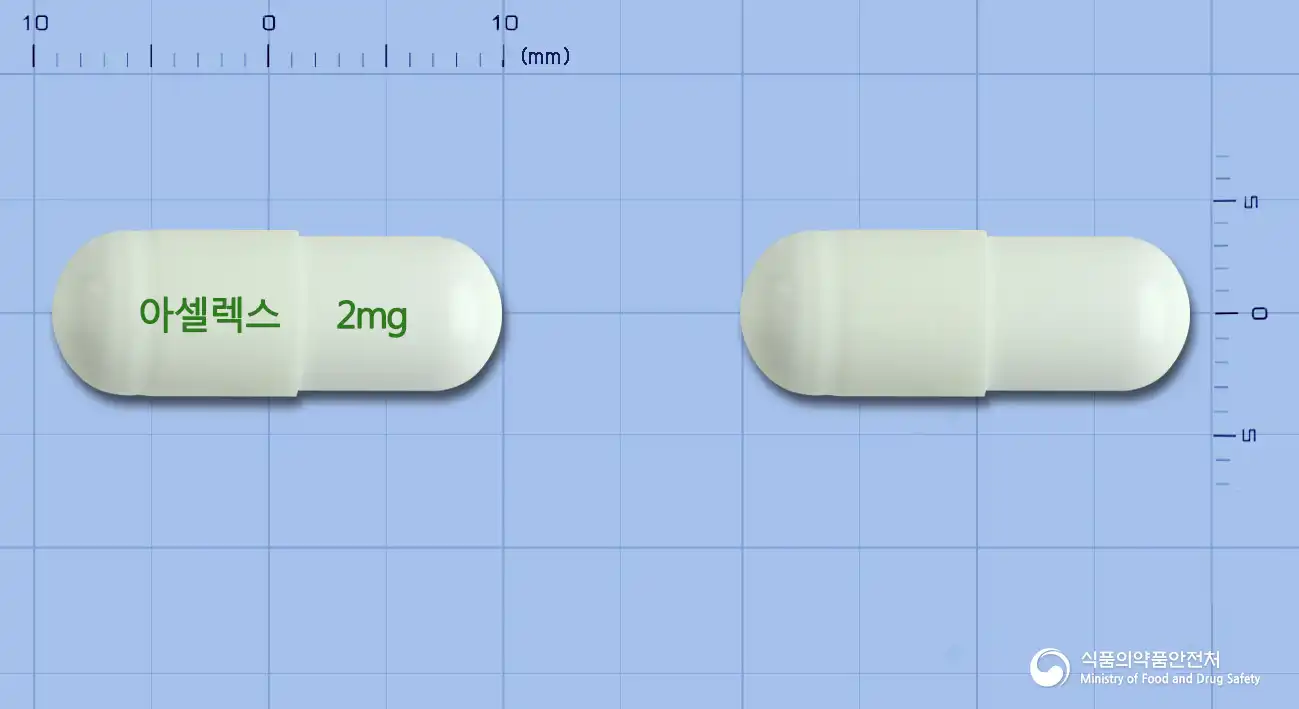
Polmacoxib 2mg
Hard capsule · Prescription medication
CGN Biotech Co., Ltd.
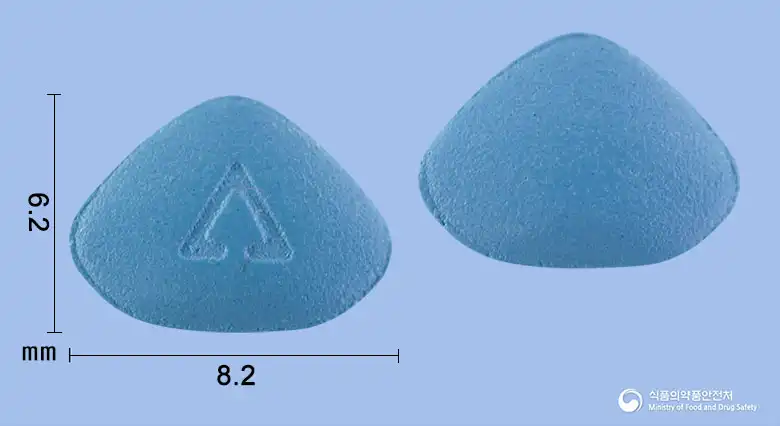
Polmacoxib 2mg
Tablet · Prescription medication
CGN Bio Co., Ltd.
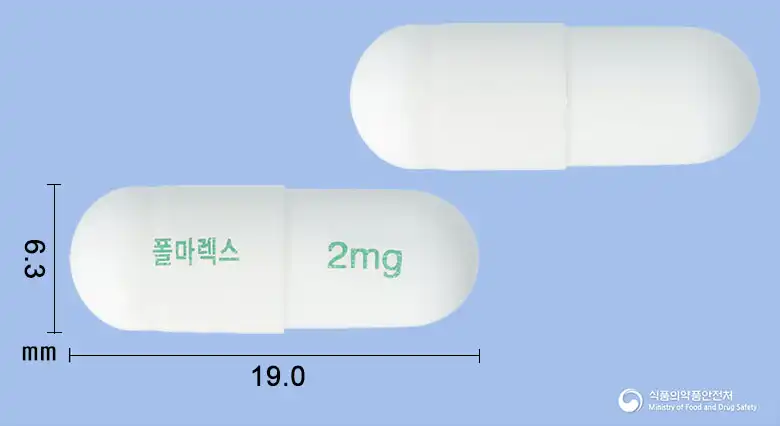
Polmacoxib 2mg
Hard capsule · Prescription medication
Huons Life Science Co., Ltd.
Polmacoxib 2mg
Hard capsule · Prescription medication
Nexpam Korea Co., Ltd.
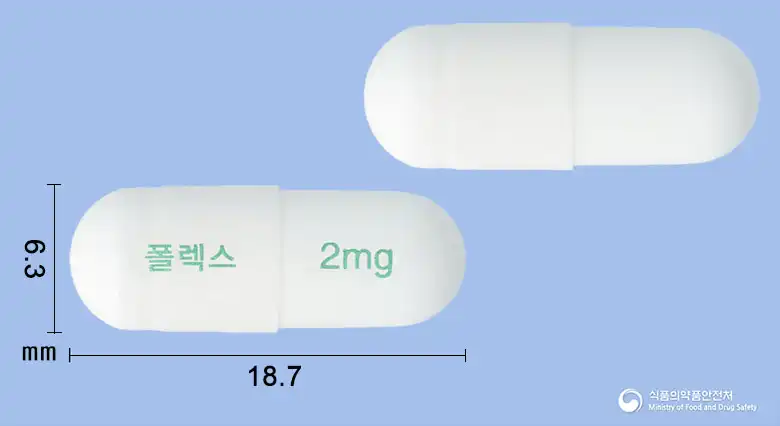
Polmacoxib 2mg
Hard capsule · Prescription medication
Korea Hutech Pharmaceutical Co., Ltd.
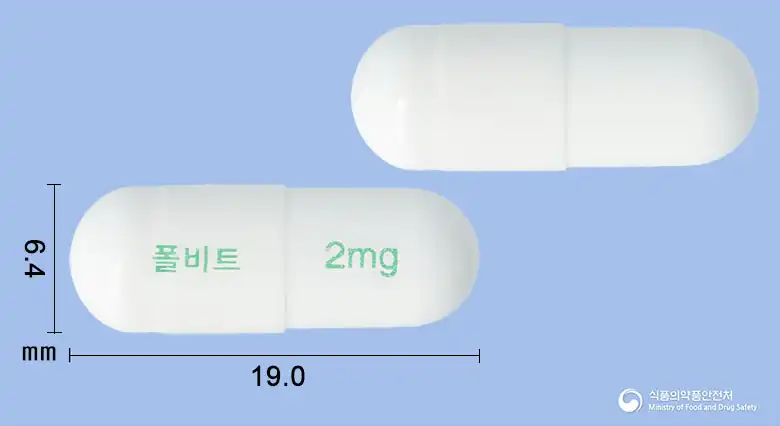
Polmacoxib 2mg
Hard capsule · Prescription medication
Hana Pharmaceutical Co., Ltd.
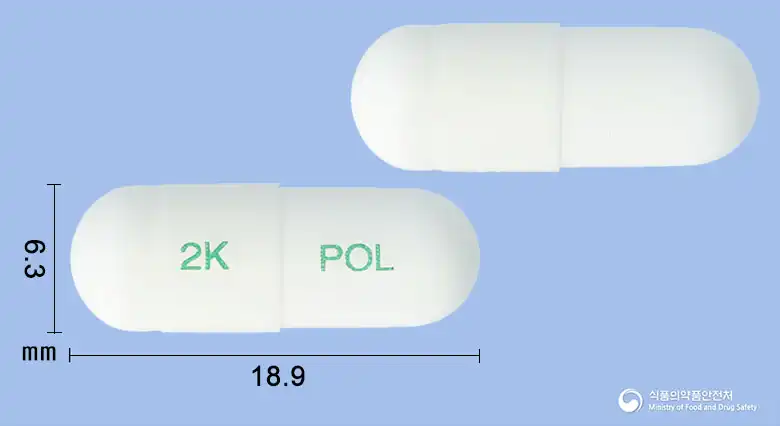
Polmacoxib 2mg
Hard capsule · Prescription medication
Gonil Biopharm Co., Ltd.
Even with the same ingredient, the dose and directions can differ by strength and dosage form. Talk to a doctor or pharmacist before switching from a medication you are already taking.
No questions yet.
For anything that needs medical judgment, consult a doctor or pharmacist.
This drug information is based on data provided by the Korea Ministry of Food and Drug Safety.
Consult a doctor or pharmacist for accurate dosage, administration, and usage instructions.