
 한국어
 English
 日本語
 中文(简体)
Dosage form image
Viewing nowTeglutik Suspension (Riluzole)
Riluzole 500mg
Suspension · Prescription medication
SK Chemical Co., Ltd.
MFDS item code 202202295 · Approved 2022.05.31 · Insurance code 644704951
Treatment to prolong survival and delay tracheostomy in amyotrophic lateral sclerosis
This medication helps to prolong the survival period of patients with amyotrophic lateral sclerosis and delays the timing of tracheostomy, thereby alleviating the progression of symptoms.
The recommended dose of this medicine for adults and elderly patients is 100mg/20ml per day, administered orally as 50mg/10ml every 12 hours, or via a PEG tube (percutaneous endoscopic gastrostomy tube). No particular additional benefit is expected from increasing the dose, but adverse reactions may increase. To prevent a reduction in bioavailability caused by food, take this medicine at least 1 hour before or 2 hours after a meal.
This medication may affect liver function; therefore, patients with liver damage or abnormal liver function must undergo a liver function test before use. In particular, patients with elevated liver enzyme levels or increased bilirubin levels should not use this medication. Since this medication can cause side effects on liver function, liver function tests should be performed monthly for three months after starting treatment, and thereafter regularly. Neutropenia, a decrease in blood cell count, may occur, so any symptoms of infection, such as fever, should be reported to healthcare professionals immediately. If respiratory symptoms occur, such as a dry cough or shortness of breath, immediate medical attention should be sought as this may indicate interstitial lung disease, and in such cases, the medication should be discontinued. Patients with hypersensitivity to this medication, severe liver disease, pregnant or breastfeeding women, and certain patients with hereditary fructose intolerance should not use this medication. Patients with impaired liver or kidney function should use this medication with special caution. This medication contains an ingredient called sorbitol, which may affect the absorption when taken with other medications or foods containing sorbitol. During treatment, side effects such as weakness, nausea, dizziness, diarrhea, and loss of appetite may occur, and these symptoms may worsen depending on the dose. If a dose is missed, the next scheduled dose should be taken normally, being careful not to double dose. Dizziness or drowsiness may occur initially, so caution should be taken when driving or operating machinery. In cases of overdose, neurological symptoms or blood abnormalities may occur, so immediate medical attention should be sought, and appropriate treatment should be given if necessary. This medication is taken orally, and can be administered through a PEG tube if necessary, but it must be checked that the tube is not blocked before administration. After use, store in a place out of reach of children and complete the dosage within 15 days after opening.
Not everyone experiences these, and they can vary from person to person.
This medication must be stored in a tightly sealed container to protect it from air or moisture. The appropriate storage temperature is room temperature between 1 degree and 30 degrees, avoiding extremely hot or cold places.
A suspension that is opaque and light brown when mixed, contained in a brown glass bottle.
1 bottle/box [300mL/bottle]
Even with the same ingredient, strength, dosage form and how it is taken can differ.
Riluzole 500mg
Suspension · Prescription medication
SK Chemical Co., Ltd.
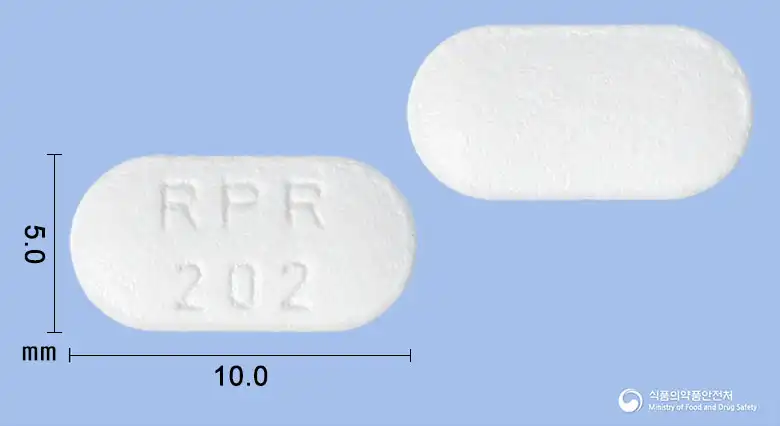
Riluzole 50mg
Tablet · Prescription medication
Sanofi-Aventis Korea Co., Ltd.
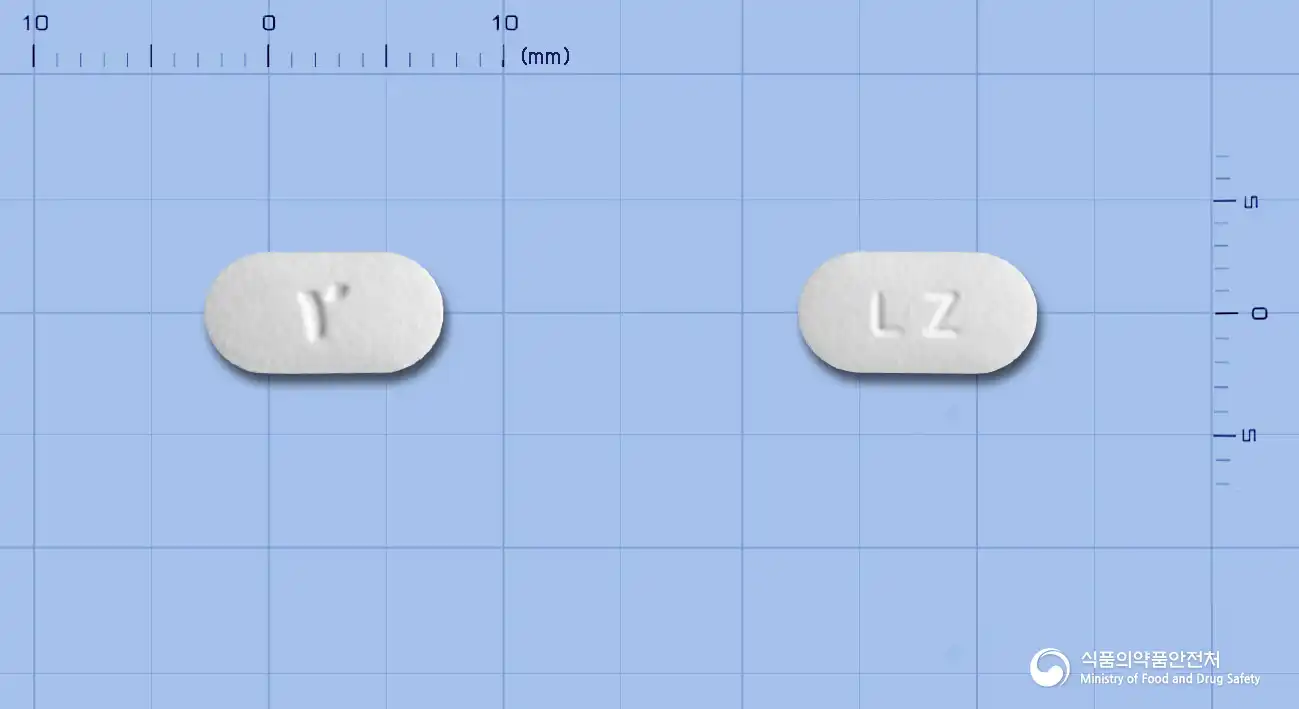
Riluzole 50mg
Tablet · Prescription medication
Youyoung Pharmaceutical Co., Ltd.
Even with the same ingredient, the dose and directions can differ by strength and dosage form. Talk to a doctor or pharmacist before switching from a medication you are already taking.
No questions yet.
For anything that needs medical judgment, consult a doctor or pharmacist.
This drug information is based on data provided by the Korea Ministry of Food and Drug Safety.
Consult a doctor or pharmacist for accurate dosage, administration, and usage instructions.