
 한국어
한국어 English
 日本語
日本語 中文(简体)
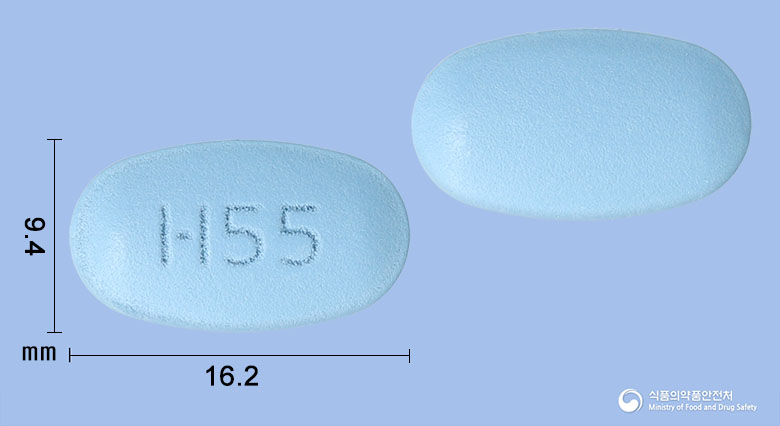 Viewing nowCombination
Janumet XR Tablet 50/500 mg
Sitagliptin Hydrochloride Hydrate 56.7mg · Metformin Hydrochloride 500mg
Tablet · Prescription medication · Combination
HLB Bio Co., Ltd.
MFDS item code 202202071 · Approved 2022.05.17 · Insurance code 647304390
Improvement of blood sugar control in type 2 diabetes
This medication is used to help control blood sugar in patients with type 2 diabetes. It assists in managing blood sugar more effectively when combined with diet and exercise therapy. The combination of sitagliptin and metformin helps regulate blood sugar levels and alleviate diabetes symptoms. Therefore, this medication is used to enhance blood sugar control in patients with type 2 diabetes.
The dosage of this medication is determined based on the patient's current therapy, efficacy, and tolerability, not exceeding the maximum recommended daily doses of sitagliptin 100 mg and metformin 2000 mg for each ingredient. This medication should be taken once daily at dinner with food, and the dosage should be gradually increased. To maintain the extended-release characteristics, it should be swallowed whole and not divided, crushed, or chewed. 100/100
This medication contains sitagliptin and metformin and is used in the treatment of diabetes. First, when taking this medication, allergic reactions may occur, so if symptoms such as rash, hives, difficulty breathing, or swelling of the face or neck appear, discontinue use immediately and consult a doctor. Additionally, this medication can cause serious pancreatic illness known as pancreatitis, so if abdominal pain, nausea, vomiting, sudden weight loss, or jaundice occurs, inform medical personnel immediately. The metformin component can cause a rare but potentially fatal metabolic disorder called lactic acidosis; therefore, symptoms such as shortness of breath, muscle pain, severe fatigue, abdominal pain, and abnormal breathing should be monitored closely. Patients with impaired kidney function or conditions such as dehydration, severe infection, or heart failure should not take this medication, and it should be discontinued before and after procedures involving radiographic contrast agents. Women who are pregnant or breastfeeding, children under 18, and patients with severe liver impairment should also not take this medication. During treatment, irregular meals, excessive exercise, and interactions with other medications may increase the risk of hypoglycemia, so blood sugar levels should be checked frequently, and immediate action should be taken if symptoms occur. It is important to regularly monitor kidney function and conduct blood tests for abnormalities while taking this medication. Alcohol consumption may increase the risk of lactic acidosis, so alcohol should be avoided while on this medication. In the case of surgery, this medication should be stopped 48 hours prior to the procedure and only resumed after confirming normal kidney function upon recovery. Hypoglycemic symptoms include dizziness, headache, sweating, and trembling; if these symptoms occur, immediate intake of sugar is necessary. This medication may cause side effects such as arthralgia or skin conditions in some patients; if adverse symptoms persist, consult a doctor. Finally, this medication may increase the risk of hypoglycemia when used with other antidiabetic medications, so it is crucial to inform healthcare providers about any other drugs being taken.
Hives, anaphylaxis, angioedema, rash, cutaneous vasculitis, Stevens-Johnson syndrome, exfoliative skin disease, fatal or non-fatal hemorrhagic necrotizing pancreatitis, acute pancreatitis, acute renal failure, severe hypoglycemia, severe lactic acidosis, lactic acidosis, severe and disabling arthralgia, bullous pemphigoid, elevated liver enzymes, liver dysfunction (jaundice), difficulty breathing, severe edema, hypertension, severe allergic reactions
Not everyone experiences these, and they can vary from person to person.
This medication should be stored in a well-sealed container to prevent air ingress, and it is safest to keep it at room temperature between 1 to 30 degrees Celsius. This storage method helps maintain the effectiveness of the medication and prevents deterioration.
Bright blue, oval-shaped extended-release film-coated tablets that are convex on both sides
28 tablets/bottle, 56 tablets/bottle, 200 tablets/bottle
Even with the same ingredient, strength, dosage form and how it is taken can differ.
Viewing nowCombinationSitagliptin Hydrochloride Hydrate 56.7mg · Metformin Hydrochloride 500mg
Tablet · Prescription medication · Combination
HLB Bio Co., Ltd.
 Combination
Sitagliptin Hydrochloride Hydrate 56.7mg · Metformin Hydrochloride 500mg
Tablet · Prescription medication · Combination
Shinil Pharmaceutical Co., Ltd.
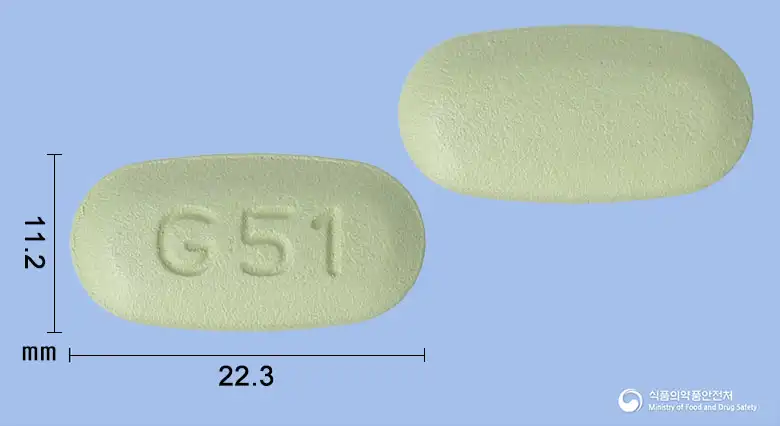 Combination
Sitagliptin Hydrochloride Hydrate 56.7mg · Metformin Hydrochloride 1000mg
Tablet · Prescription medication · Combination
Shinil Pharmaceutical Co., Ltd.
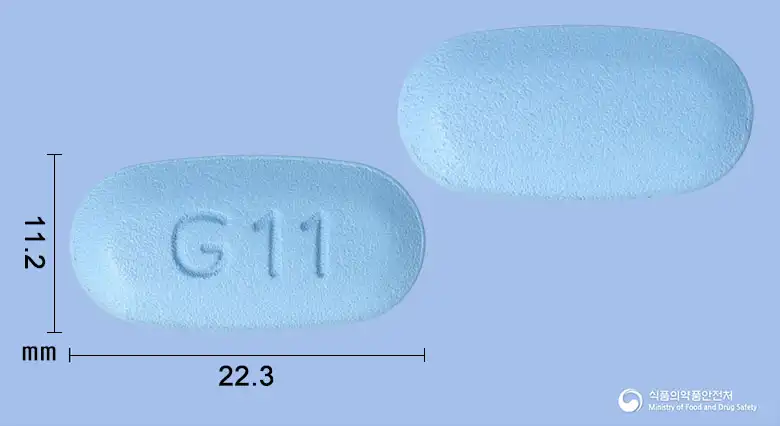 Combination
Sitagliptin Hydrochloride Hydrate 113.4mg · Metformin Hydrochloride 1000mg
Tablet · Prescription medication · Combination
Shinil Pharmaceutical Co., Ltd.
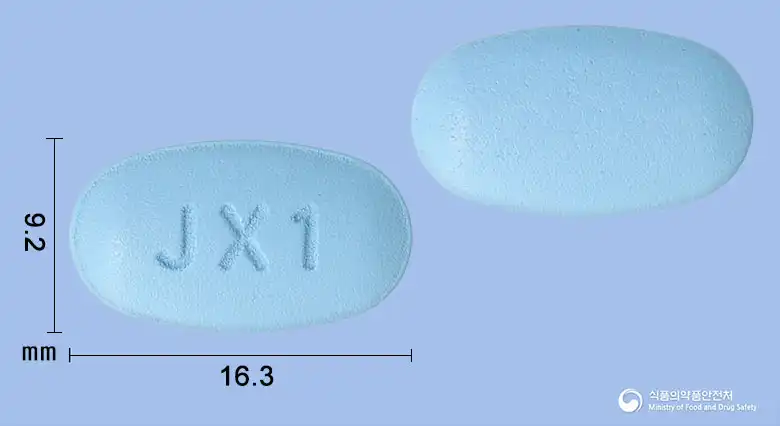 Combination
Sitagliptin Hydrochloride Hydrate 56.7mg · Metformin Hydrochloride 500mg
Tablet · Prescription medication · Combination
GL Pharma Co., Ltd.
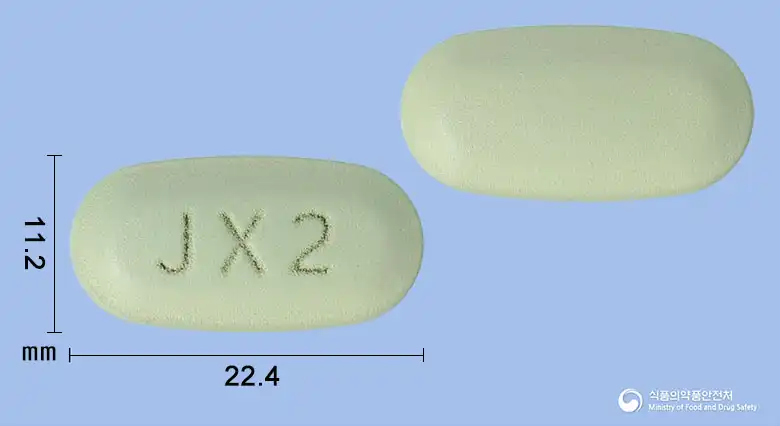 Combination
Sitagliptin Hydrochloride Hydrate 56.7mg · Metformin Hydrochloride 1000mg
Tablet · Prescription medication · Combination
GL Pharma Co., Ltd.
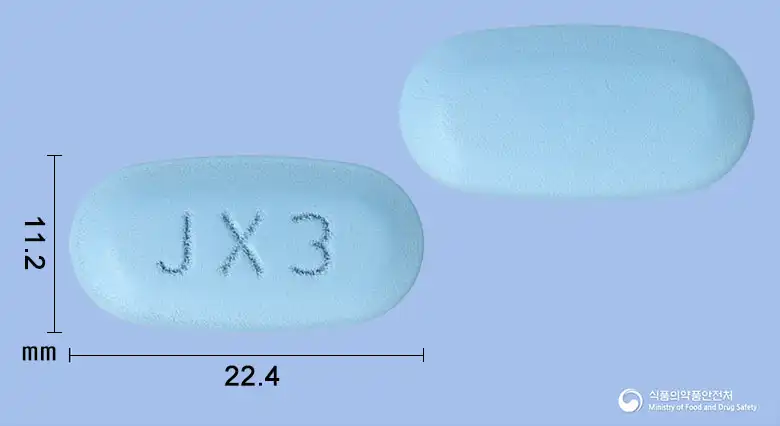 Combination
Sitagliptin Hydrochloride Hydrate 113.4mg · Metformin Hydrochloride 1000mg
Tablet · Prescription medication · Combination
GL Pharma Co., Ltd.
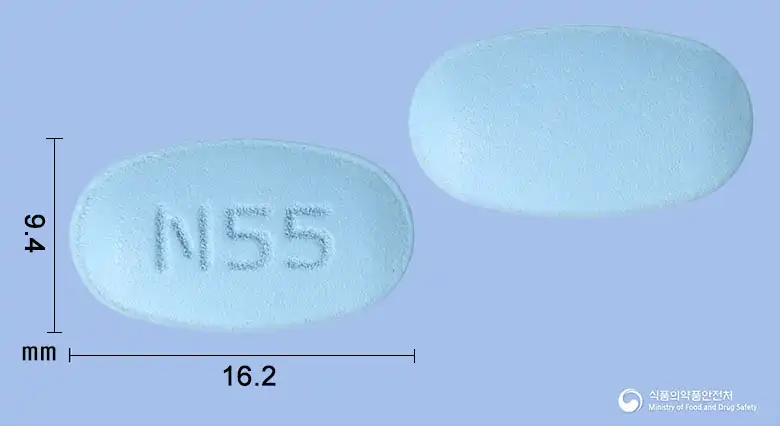 Combination
Sitagliptin Hydrochloride Hydrate 56.7mg · Metformin Hydrochloride 500mg
Tablet · Prescription medication · Combination
Korea Hutech Pharmaceutical Co., Ltd.
Even with the same ingredient, the dose and directions can differ by strength and dosage form. Talk to a doctor or pharmacist before switching from a medication you are already taking.
No questions yet.
For anything that needs medical judgment, consult a doctor or pharmacist.
This drug information is based on data provided by the Korea Ministry of Food and Drug Safety.
Consult a doctor or pharmacist for accurate dosage, administration, and usage instructions.