
 한국어
한국어 English
 日本語
日本語 中文(简体)
 Viewing nowCombination
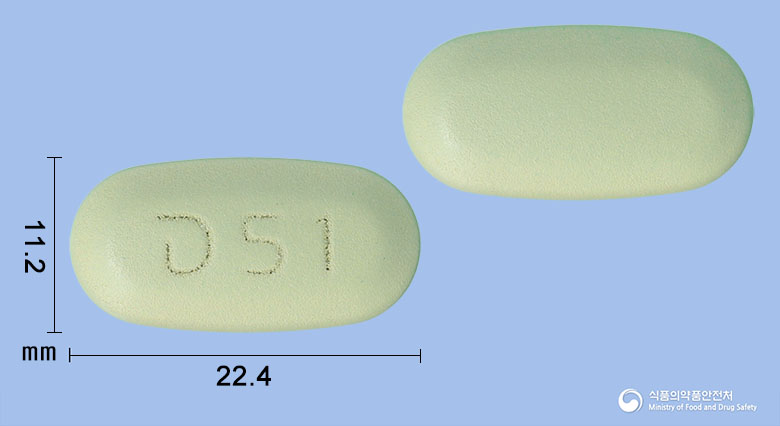
Sitafomin XR Controlled-release Tablet 50/1000 mg
Sitagliptin Hydrochloride Hydrate 56.7mg · Metformin Hydrochloride 1000mg
Tablet · Prescription medication · Combination
Daehan New Pharm Co., Ltd.
MFDS item code 202202024 · Approved 2022.05.13 · Insurance code 669908270
Improvement of blood sugar control in type 2 diabetes
This medication is an adjunct to diet and exercise for improving blood sugar control in patients with type 2 diabetes. Sitagliptin and Metformin work together to effectively lower blood glucose levels, allowing for better glycemic management. When used alongside regular intake and proper lifestyle changes, this medication is expected to have positive effects on blood sugar control.
This medication is to be taken once daily with dinner, gradually increasing the dose. The 100/1000 mg controlled-release tablet is taken once daily, 1 tablet per dose. Patients taking the 50/500 mg controlled-release tablet or the 50/1000 mg controlled-release tablet should take 1 dose of 2 tablets once daily. 1. Patients not currently receiving metformin: - The initial dose is once daily.
This medication contains two components: Sitagliptin and Metformin. Firstly, Sitagliptin helps to control blood sugar; however, it can occasionally cause serious allergic reactions or skin conditions, as well as pancreatitis, so symptoms should be closely monitored during use. Metformin is effective in lowering blood sugar, but it can be hazardous for patients with compromised kidney or liver function, potentially leading to a life-threatening condition known as lactic acidosis in severe cases. Therefore, this medication should not be administered to patients with moderate or severe renal impairment, acute heart failure, severe infections, dehydration, pregnant or breastfeeding women. Moreover, excessive alcohol consumption increases the risk of lactic acidosis, so alcohol should be avoided during treatment with this medication. During the course of taking this medication, regular kidney function and blood tests should be performed to monitor for abnormalities, and caution should be taken when experiencing irregular meals, intense exercise, or taking other medications, as there is a risk of hypoglycemia. If sudden respiratory difficulties, skin rash, swelling, severe abdominal pain, vomiting, or lethargy occur while taking this medication, immediate consultation with a doctor is recommended. If surgery is planned, this medication should be discontinued 48 hours beforehand and should not be resumed until kidney function has been confirmed as normal after the surgery. The safety and efficacy of this medication have not been established in children, and elderly patients should use it cautiously due to the risk of side effects associated with decreased kidney function. Hypoglycemic symptoms may occur, so especially when taken in combination with insulin or sulfonylureas, blood glucose levels should be monitored frequently, and symptoms should be carefully observed.
Diarrhea, upper respiratory tract infection, headache, nausea, vomiting, abdominal pain, nasopharyngitis, constipation, muscle pain, limb pain, back pain, pruritus, thrombocytopenia, rhabdomyolysis, hypoglycemia, joint pain associated with severe and disability.
Not everyone experiences these, and they can vary from person to person.
This medication should be stored in a tightly closed container to prevent air and moisture infiltration. It is recommended to maintain a storage temperature between 1°C and 30°C to preserve the drug's efficacy over time.
Bright green, oval-shaped controlled-release film-coated tablet with convex sides
28 tablets/bottle, 56 tablets/bottle, 200 tablets/bottle
Even with the same ingredient, strength, dosage form and how it is taken can differ.
Viewing nowCombinationSitagliptin Hydrochloride Hydrate 56.7mg · Metformin Hydrochloride 1000mg
Tablet · Prescription medication · Combination
Daehan New Pharm Co., Ltd.
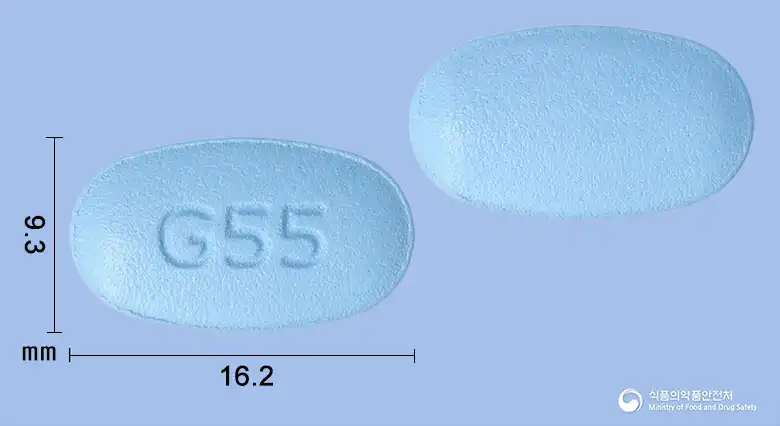 Combination
Sitagliptin Hydrochloride Hydrate 56.7mg · Metformin Hydrochloride 500mg
Tablet · Prescription medication · Combination
Shinil Pharmaceutical Co., Ltd.
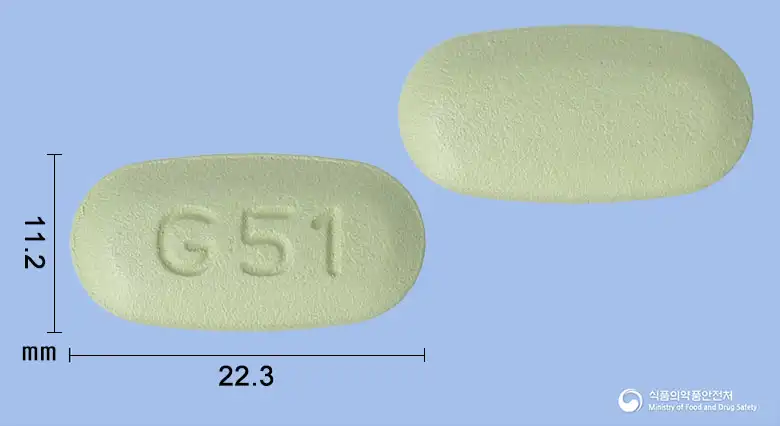 Combination
Sitagliptin Hydrochloride Hydrate 56.7mg · Metformin Hydrochloride 1000mg
Tablet · Prescription medication · Combination
Shinil Pharmaceutical Co., Ltd.
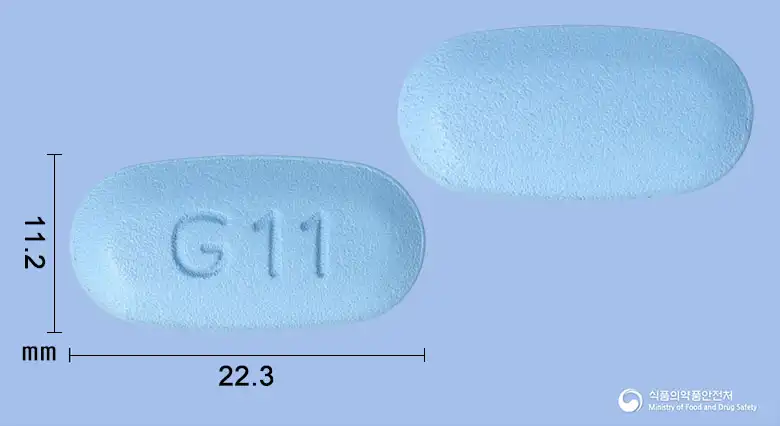 Combination
Sitagliptin Hydrochloride Hydrate 113.4mg · Metformin Hydrochloride 1000mg
Tablet · Prescription medication · Combination
Shinil Pharmaceutical Co., Ltd.
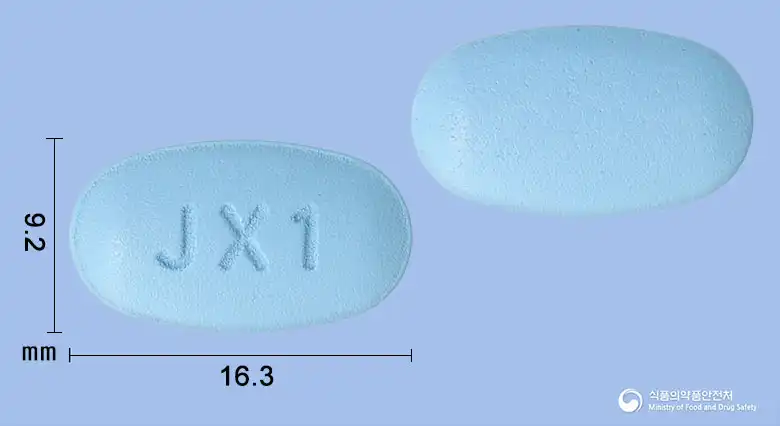 Combination
Sitagliptin Hydrochloride Hydrate 56.7mg · Metformin Hydrochloride 500mg
Tablet · Prescription medication · Combination
GL Pharma Co., Ltd.
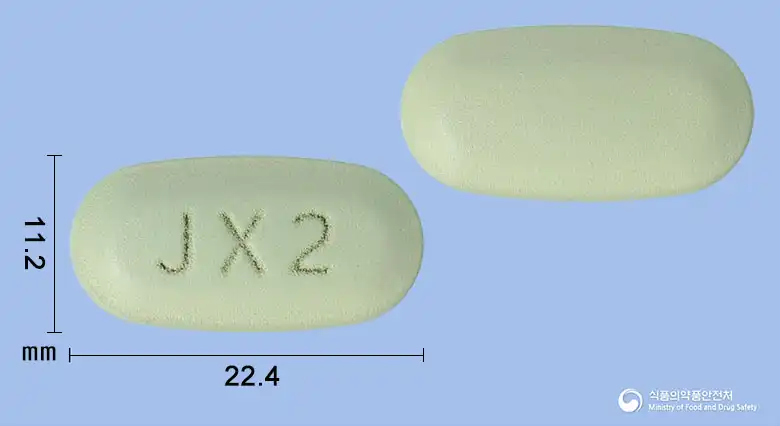 Combination
Sitagliptin Hydrochloride Hydrate 56.7mg · Metformin Hydrochloride 1000mg
Tablet · Prescription medication · Combination
GL Pharma Co., Ltd.
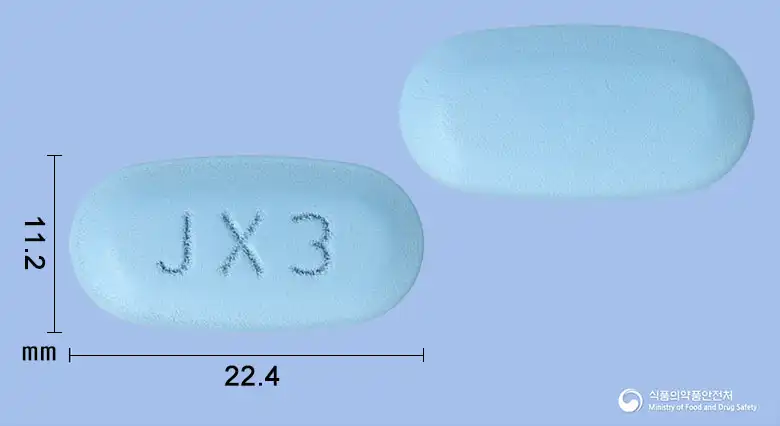 Combination
Sitagliptin Hydrochloride Hydrate 113.4mg · Metformin Hydrochloride 1000mg
Tablet · Prescription medication · Combination
GL Pharma Co., Ltd.
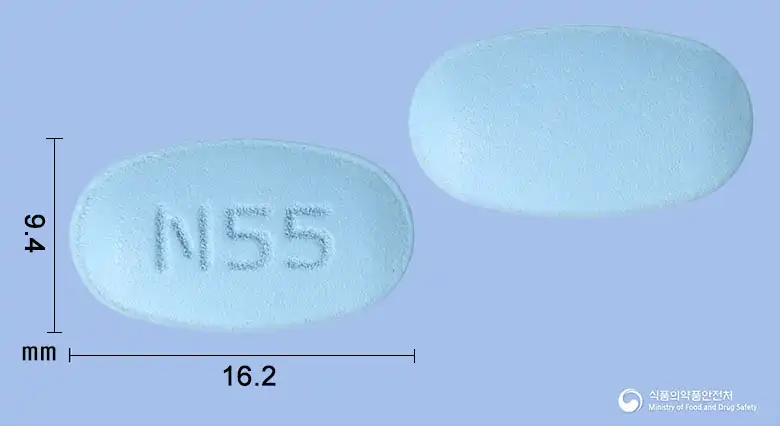 Combination
Sitagliptin Hydrochloride Hydrate 56.7mg · Metformin Hydrochloride 500mg
Tablet · Prescription medication · Combination
Korea Hutech Pharmaceutical Co., Ltd.
Even with the same ingredient, the dose and directions can differ by strength and dosage form. Talk to a doctor or pharmacist before switching from a medication you are already taking.
No questions yet.
For anything that needs medical judgment, consult a doctor or pharmacist.
This drug information is based on data provided by the Korea Ministry of Food and Drug Safety.
Consult a doctor or pharmacist for accurate dosage, administration, and usage instructions.