Medication info
Polmin Sitagliptin Extended-Release Tablets 50/1000 mg (Sitagliptin Hydrochloride Monohydrate, Metformin Hydrochloride)

Polmin Sitagliptin Extended-Release Tablets 50/1000 mg (Sitagliptin Hydrochloride Monohydrate, Metformin Hydrochloride)

Prescription medicationTablet경구
Ingredient · strength
Sitagliptin Hydrochloride Hydrate›56.7mg / 1 tabletMetformin Hydrochloride›1000mg / 1 tablet
Manufacturer / importer
(주)녹십자
Appearance
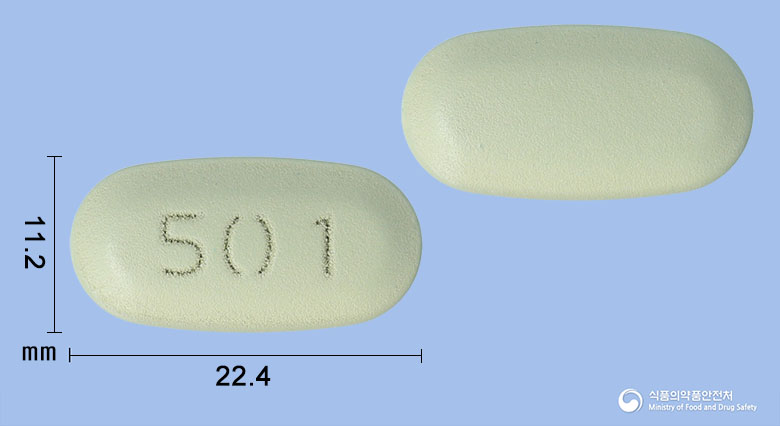
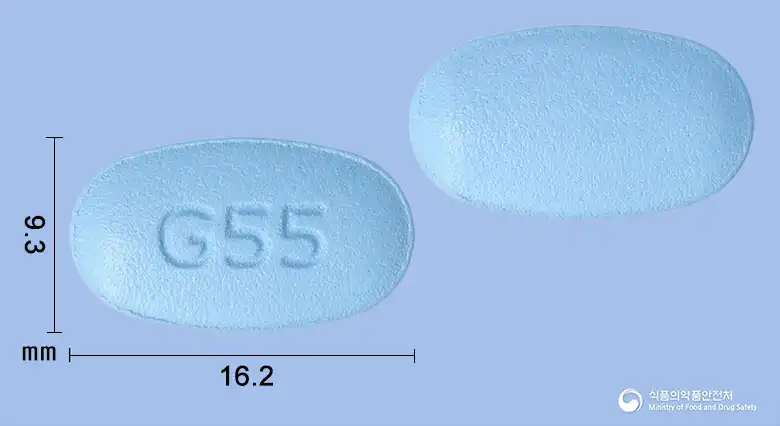
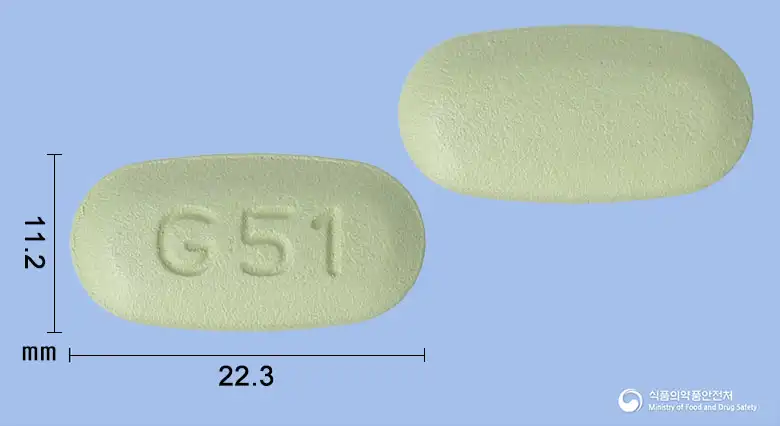
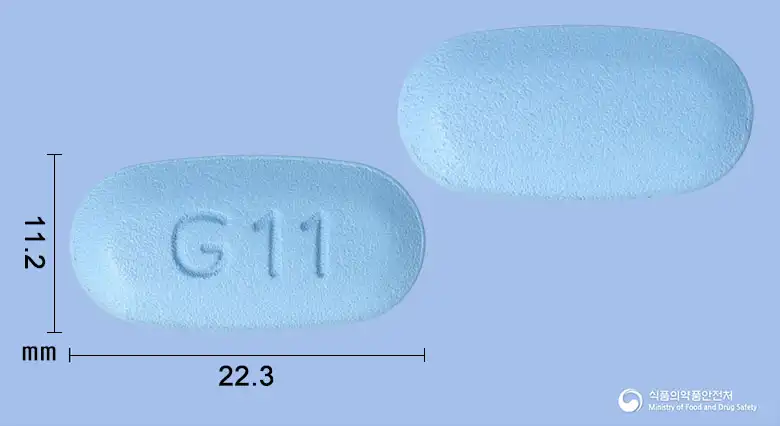
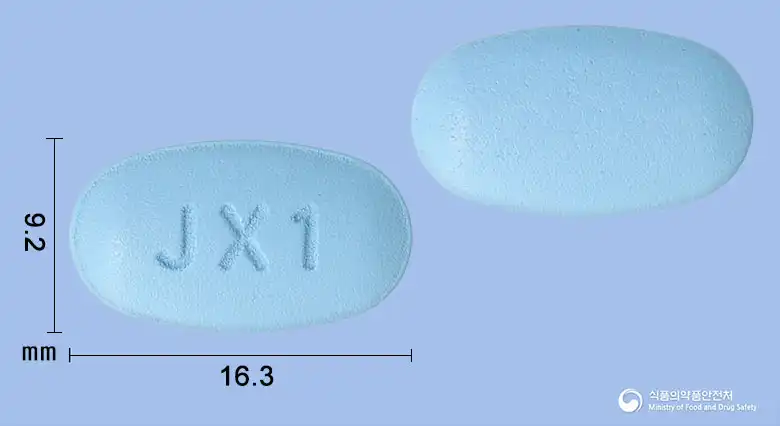
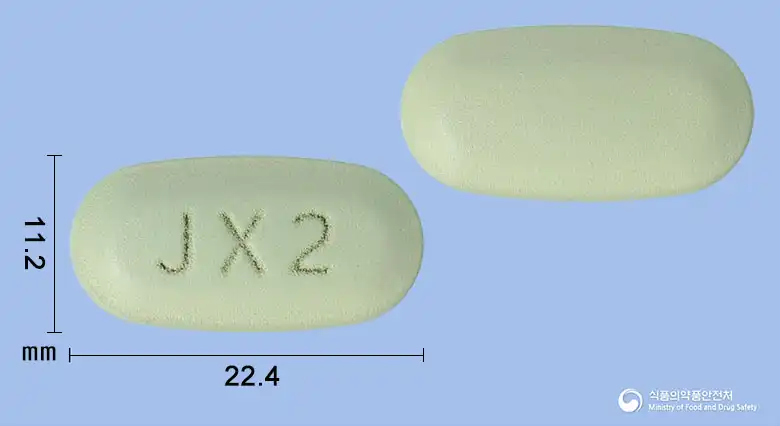
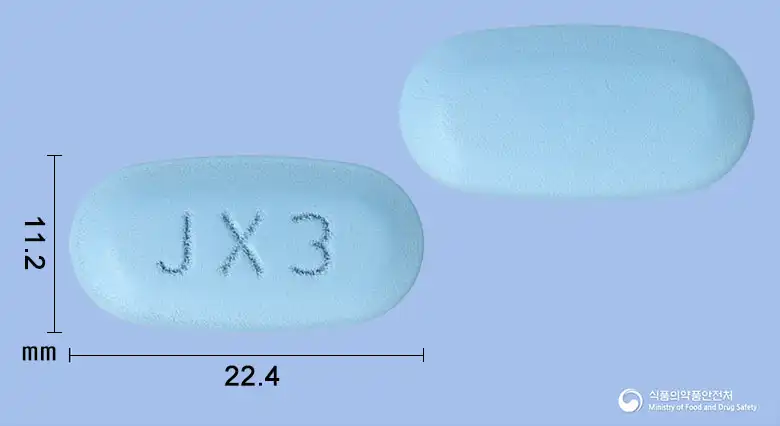
Bright green, oval-shaped, bilaterally convex extended-release film-coated tablets.
Packaging
28 tablets/bottle, 56 tablets/bottle, 200 tablets/bottle
Approval status
Active

MFDS item code 202202010 · Approved 2022.05.13 · Insurance code 643606380

Summary

Main use
Improvement of blood sugar control in type 2 diabetes
Who takes it
Adults
Adult dose
For this 100/1000 mg extended-release tablet, take 1 tablet once a day. For patients taking 50/500 mg extended-release tablets or 50/1000 mg extended-release tablets, take 2 tablets daily, both at once. 1. For patients not currently treated with metformin: The initial dose of this medication is a total daily amount of 100 mg of sitagliptin and 1000 mg of metformin. For insufficient blood sugar control, with adjustments for tolerability and response, the dose may be gradually increased to a maximum of 2000 mg of metformin per day. Do not crush or chew the tablets as this could impact the extended-release properties; they should be swallowed whole. In some cases, incomplete dissolution and excretion of the medication via feces have been reported. If repeated reports arise that the medication is found in stool, healthcare professionals should evaluate whether blood sugar is adequately controlled (refer to precautions for usage, section 5. General considerations). This medication is intended for adults only, not recommended for individuals under the age of 18. 2. For patients currently treated with metformin: - The recommended initial dose for patients who are unable to adequately control blood sugar with metformin alone is a total daily amount of sitagliptin 100 mg along with the existing metformin dosage. - For those transitioning from combination treatment with sitagliptin and metformin, treatment may begin at the existing dosing levels of sitagliptin and metformin. - Patients who are currently taking metformin in immediate-release forms at a dose of 850 mg or 1000 mg twice daily may start this medication (50/1000 mg extended-release) at a dose of 2 tablets once daily. 3. For those who are inadequately controlled on combination therapies with metformin and sulfonylureas, metformin and insulin, or metformin and thiazolidinediones: The initial dose of this medication is a total daily dosage of 100 mg of sitagliptin, with the initial metformin dose adjusted according to the patient's blood sugar levels and existing doses. Doses should be incrementally increased to minimize gastrointestinal side effects from metformin. If administered in combination with sulfonylureas or insulin, consider reducing the respective doses to minimize the risk of hypoglycemia (refer to precautions for usage, section 5. General considerations).

Ingredients

Manufacturer
(주)녹십자

Efficacy & effects

Improvement of blood sugar control in type 2 diabetes

View approved original text

This medication is used for helping patients with type 2 diabetes control their blood sugar levels. It is primarily taken along with dietary therapy and exercise, with sitagliptin and metformin working together to effectively lower and regulate blood glucose levels. This helps patients who find it difficult to manage their blood sugar maintain a more stable blood sugar state. Therefore, this medicine is used for improving blood sugar control in patients with type 2 diabetes.

How to take

Adult dose

For this 100/1000 mg extended-release tablet, take 1 tablet once a day. For patients taking 50/500 mg extended-release tablets or 50/1000 mg extended-release tablets, take 2 tablets daily, both at once. 1. For patients not currently treated with metformin: The initial dose of this medication is a total daily amount of 100 mg of sitagliptin and 1000 mg of metformin. For insufficient blood sugar control, with adjustments for tolerability and response, the dose may be gradually increased to a maximum of 2000 mg of metformin per day. Do not crush or chew the tablets as this could impact the extended-release properties; they should be swallowed whole. In some cases, incomplete dissolution and excretion of the medication via feces have been reported. If repeated reports arise that the medication is found in stool, healthcare professionals should evaluate whether blood sugar is adequately controlled (refer to precautions for usage, section 5. General considerations). This medication is intended for adults only, not recommended for individuals under the age of 18. 2. For patients currently treated with metformin: - The recommended initial dose for patients who are unable to adequately control blood sugar with metformin alone is a total daily amount of sitagliptin 100 mg along with the existing metformin dosage. - For those transitioning from combination treatment with sitagliptin and metformin, treatment may begin at the existing dosing levels of sitagliptin and metformin. - Patients who are currently taking metformin in immediate-release forms at a dose of 850 mg or 1000 mg twice daily may start this medication (50/1000 mg extended-release) at a dose of 2 tablets once daily. 3. For those who are inadequately controlled on combination therapies with metformin and sulfonylureas, metformin and insulin, or metformin and thiazolidinediones: The initial dose of this medication is a total daily dosage of 100 mg of sitagliptin, with the initial metformin dose adjusted according to the patient's blood sugar levels and existing doses. Doses should be incrementally increased to minimize gastrointestinal side effects from metformin. If administered in combination with sulfonylureas or insulin, consider reducing the respective doses to minimize the risk of hypoglycemia (refer to precautions for usage, section 5. General considerations).

Precautions

This medication contains two components: sitagliptin and metformin. Sitagliptin can rarely cause allergic reactions, which in severe cases may lead to symptoms such as anaphylaxis or angioedema, and severe skin disorders such as Stevens-Johnson syndrome. Additionally, sitagliptin may pose a risk of causing acute pancreatitis, a serious pancreatic condition, thus patients should be closely monitored for symptoms of pancreatitis after taking this medication. Metformin can cause lactic acidosis, a rare but life-threatening metabolic reaction. This condition occurs due to the accumulation of lactate in the body, and in severe cases, it can lead to death. This medication should not be used in patients with significantly impaired kidney function, severe heart disease, acute infections or dehydration, liver dysfunction, women who are pregnant or breastfeeding, and in patients with certain metabolic diseases. Caution should be exercised during administration due to the potential for interactions with irregular meals, intense exercise, and other medications which may elevate risks of hypoglycemia or lactic acidosis. While taking this medication, regular monitoring of blood sugar, kidney function, liver function, and vitamin B12 levels is needed, and if any abnormal symptoms occur, immediate consultation with a doctor is advised. In particular, if symptoms such as sudden shortness of breath, muscle pain, weakness, abdominal pain, or changes in consciousness arise, the use of this medication should be stopped immediately and medical attention should be sought. Additionally, excessive alcohol consumption should be avoided while taking this medication, and dosages may be temporarily halted pre- and post-surgery under doctor's guidance. Be cautious about hypoglycemia symptoms, and if taken with other hypoglycemic agents or insulin, the risk of hypoglycemia may be increased, thus meticulous blood sugar management is required. Lastly, the safety and efficacy of this medication have not been well established in children, hence it is not recommended for individuals under the age of 18.

Side effects and when to seek care immediately

Serious side effects

Hives, severe swelling (angioedema), anaphylaxis, severe allergic reactions, severe skin reactions (Stevens-Johnson syndrome, exfoliative skin disease), fatal/non-fatal hemorrhagic or necrotizing pancreatitis, acute pancreatitis, acute renal failure, severe and disabling arthralgia including limb pain, bullous pemphigoid, liver abnormalities (including elevated liver enzymes associated with jaundice), severe hypoglycemia, lactic acidosis, severe edema, severe heart effects.

Mild side effects

  • Diarrhea
  • upper respiratory tract infection
  • headache
  • nausea
  • vomiting
  • abdominal pain
  • nasopharyngitis
  • muscle pain
  • limb pain
  • back pain
Show 4 more
  • pruritus
  • thrombocytopenia
  • rhabdomyolysis
  • constipation

Not everyone experiences these, and they can vary from person to person.

Storage

This medication should be stored in a sealed container to protect it from air and moisture and should be kept at room temperature between 1 to 30 degrees Celsius. Storing it this way helps maintain the medication's effectiveness for a longer duration.

Appearance and packaging

Appearance

Bright green, oval-shaped, bilaterally convex extended-release film-coated tablets.

Package unit

28 tablets/bottle, 56 tablets/bottle, 200 tablets/bottle

Same-ingredient medicines

Even with the same ingredient, strength, dosage form and how it is taken can differ.

Even with the same ingredient, the dose and directions can differ by strength and dosage form. Talk to a doctor or pharmacist before switching from a medication you are already taking.

Questions about this medicine

No questions yet.

For anything that needs medical judgment, consult a doctor or pharmacist.

Related searches

Search tags

Suggested searches

This drug information is based on data provided by the Korea Ministry of Food and Drug Safety.
Consult a doctor or pharmacist for accurate dosage, administration, and usage instructions.