(Type 2 diabetes) Improvement of blood sugar control
Who takes it
Adults
Adult dose
The dosages for this medication 100/1000 mg extended-release tablet are 1 tablet once daily.
Patients taking the 50/500 mg extended-release tablet or the 50/1000 mg extended-release tablet should take 2 tablets at once, once a day.
1. For patients not currently treated with metformin:
The initial dose of this medication is a total daily amount of 100 mg sitagliptin and 1000 mg metformin, which can be gradually increased.
(Type 2 diabetes) Improvement of blood sugar control
View approved original textHide original text
This medication is used along with dietary and exercise regimens to assist in blood sugar control for patients with type 2 diabetes. Sitagliptin and metformin work together to effectively improve blood sugar levels, thereby supporting patients in maintaining more stable blood sugar management.
How to take
Adult dose
The dosages for this medication 100/1000 mg extended-release tablet are 1 tablet once daily.
Patients taking the 50/500 mg extended-release tablet or the 50/1000 mg extended-release tablet should take 2 tablets at once, once a day.
1. For patients not currently treated with metformin:
The initial dose of this medication is a total daily amount of 100 mg sitagliptin and 1000 mg metformin, which can be gradually increased.
Precautions
This medication contains sitagliptin and metformin and is primarily used for blood sugar control in patients with type 2 diabetes.
When taking this medication, severe allergic reactions, such as anaphylaxis, angioedema, and severe skin disorders may occur, so if such symptoms appear, immediately stop taking the medication and consult a doctor.
Additionally, acute pancreatitis, which is a serious side effect causing inflammation of the pancreas, has been reported. Therefore, if symptoms of pancreatitis such as abdominal pain, nausea, or vomiting occur during the initial dosage or while taking the medication, inform medical personnel immediately.
This medication should not be administered to patients with severely impaired kidney function or those with specific conditions such as heart failure, acute myocardial infarction, or serious infections, and it should also be withheld when undergoing examinations involving iodine contrast agents.
It is advisable for pregnant women, women who may become pregnant, nursing mothers, and children under the age of 18 not to use this medication.
This medication may cause hypoglycemia, so it is important to eat regularly, and if taken with other hypoglycemic agents, one should be cautious of hypoglycemia symptoms.
The metformin component can rarely cause lactic acidosis, a severe metabolic disorder, so particular caution should be taken in patients with poor kidney function, liver dysfunction, dehydration, or excessive alcohol consumption.
Regular monitoring of kidney function and blood tests to check liver and kidney status, as well as monitoring of vitamin B12 levels, is recommended.
Temporarily discontinue this medication in situations such as surgery, severe infection, and serious trauma, and restart only after symptoms have improved and kidney function has returned to normal.
During the use of this medication, avoid excessive alcohol consumption, and inform healthcare personnel if the medication is not being absorbed properly and is being excreted in the stool.
Finally, this medication may interact with other drugs, so if you are taking other medications, it is essential to inform your doctor or pharmacist, especially in elderly patients or those with impaired kidney function.
Not everyone experiences these, and they can vary from person to person.
Storage
This medication should be stored in a tightly closed container to protect it from air and moisture, and it is safe to keep it at room temperature, between 1 and 30 degrees Celsius.
By storing it this way, you can maintain the efficacy of the medication and prevent degradation.
Appearance and packaging
Appearance
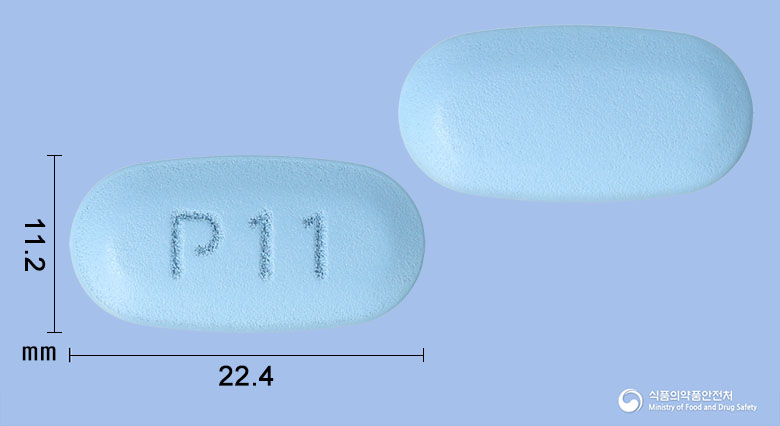
Bright blue, oval-shaped extended-release film-coated tablet with a convex surface on both sides
Even with the same ingredient, the dose and directions can differ by strength and dosage form. Talk to a doctor or pharmacist before switching from a medication you are already taking.
Questions about this medicine
No questions yet.
For anything that needs medical judgment, consult a doctor or pharmacist.
This drug information is based on data provided by the Korea Ministry of Food and Drug Safety. Consult a doctor or pharmacist for accurate dosage, administration, and usage instructions.

 한국어
한국어 English
 日本語
日本語 中文(简体)
 Viewing nowCombination