
 한국어
 English
 日本語
 中文(简体)
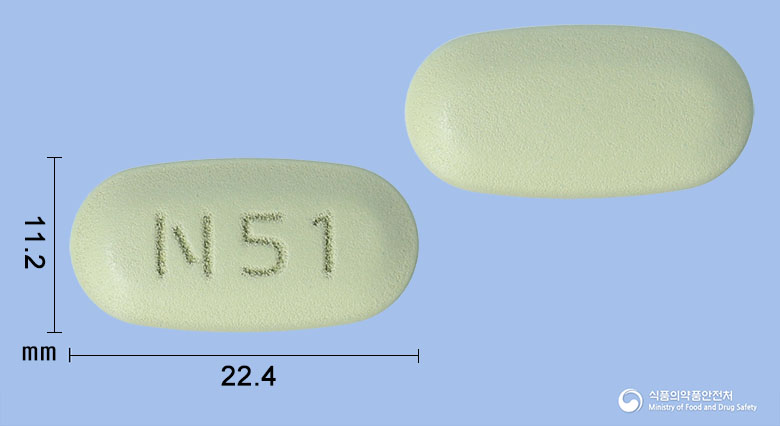 Viewing nowCombination
Nanomet XR Sustained-release Tablets 50/1000 mg
Sitagliptin Hydrochloride Hydrate 56.7mg · Metformin Hydrochloride 1000mg
Tablet · Prescription medication · Combination
Hunguk Hutech Pharmaceutical Co., Ltd.
MFDS item code 202201880 · Approved 2022.05.09 · Insurance code 649105530
This product's status changed to Approval withdrawn on 2026.02.10. It may no longer be sold, so consult a doctor or pharmacist before taking it.
Improves blood glucose control in patients with type 2 diabetes
This medication works by combining sitagliptin and metformin to help control blood sugar levels in patients with type 2 diabetes. It is particularly suitable for those who are also following a diet and exercise regimen, and is used to effectively manage blood sugar to improve symptoms of diabetes.
In antidiabetic therapy, the dose of this medicine should be determined based on each patient’s current treatment regimen, efficacy, and tolerability, without exceeding the maximum recommended daily doses of each component: sitagliptin 100 mg and metformin 2000 mg. To reduce gastrointestinal adverse reactions caused by metformin, this medicine should be taken with a meal once daily, preferably in the evening, and the dose should be increased gradually. To maintain its extended-release properties, this medicine must be swallowed whole and must not be split, crushed, ground, or chewed. Cases have been reported in which the medicine was not completely dissolved and was excreted in the feces. It is not known whether the material excreted in the feces contained the active ingredients of the medicine. If a patient repeatedly reports finding this medicine in the feces, healthcare professionals should assess whether blood glucose is being adequately controlled (see Precautions for Use, 5. General Precautions). Take 1 tablet of this medicine 100/1000 mg extended-release tablets once daily. Patients taking this medicine 50/500 mg extended-release tablets or 50/1000 mg extended-release tablets should take 2 tablets together once daily. 1. Patients not currently receiving metformin treatment: For patients with no previous experience of antidiabetic drug therapy who have difficulty achieving adequate glycemic control with monotherapy, or for whom adequate glycemic control cannot be achieved with sitagliptin monotherapy, the initial total daily dose of this medicine is sitagliptin 100 mg and metformin 1000 mg. If adequate glycemic control cannot be achieved with the initial dose, the dose may be increased gradually up to the maximum recommended daily dose of metformin 2000 mg to reduce gastrointestinal adverse reactions caused by metformin. Patients with renal impairment who are receiving a reduced dose of sitagliptin should not be switched to this medicine (see Precautions for Use, 2. Patients Who Must Not Take This Medicine). 2. Patients receiving metformin treatment: - For patients who cannot achieve adequate glycemic control with metformin monotherapy, the recommended initial dose of this medicine is a total daily dose of sitagliptin 100 mg and the patient’s current metformin dose. - Patients switching from concomitant sitagliptin and metformin therapy to this medicine may start at their current doses of sitagliptin and metformin. - Patients whose current metformin regimen is immediate-release tablets 850 mg or 1000 mg twice daily may start with 2 tablets of this medicine 50/1000 mg extended-release tablets once daily. 3. Patients who cannot achieve adequate glycemic control with concomitant metformin and sulfonylurea therapy, metformin and insulin therapy, or metformin and thiazolidinedione therapy: The initial total daily dose of this medicine is sitagliptin 100 mg, and the initial dose of metformin should take into account the patient’s blood glucose level and current dose. The dose should be increased gradually to reduce gastrointestinal adverse reactions caused by metformin. When administered concomitantly with a sulfonylurea or insulin, a reduction in the dose of the sulfonylurea or insulin may be considered to reduce the risk of hypoglycemia induced by the sulfonylurea or insulin (see Precautions for Use, 5. General Precautions). No studies have evaluated the safety and efficacy of switching to this medicine in patients previously treated with other oral antihyperglycemic agents. Any change in the treatment regimen for type 2 diabetes may cause changes in glycemic control; therefore, caution should be exercised and appropriate monitoring should be performed. Patients with renal impairment This medicine may be used in patients with moderate renal impairment, stage 3a (creatinine clearance [CrCl] ≥ 45 and <60 mL/min or estimated glomerular filtration rate (eGFR) ≥ 45 and <60 mL/min/1.73m2), who do not have other conditions that may increase the risk of lactic acidosis, with the following dose adjustment. Treatment should not be initiated with this medicine, since the starting dose of metformin is 500 mg or 850 mg once daily. The maximum recommended dose of metformin is 1000 mg daily. Renal function should be monitored carefully every 3-6 months. If renal function declines to CrCl <45 mL/min or eGFR <45 mL/min/1.73m2, this medicine should be discontinued immediately. Patients with hepatic impairment This medicine should not be administered to patients with hepatic impairment because it contains metformin (see Precautions for Use, 2. Patients Who Must Not Take This Medicine).
This medication contains sitagliptin and metformin and is used for diabetes treatment. First, regarding sitagliptin, it can cause serious allergic reactions in some patients, such as anaphylaxis, angioedema, and severe rashes or exfoliative skin diseases. If such symptoms appear within the first three months after taking the medication, you should consult your healthcare provider immediately. Moreover, pancreatitis, which is inflammation of the pancreas, may occur; thus, if symptoms such as abdominal pain, vomiting, or severe abdominal discomfort arise, you must stop taking the medication and visit a hospital immediately. The metformin component may lead to a rare but severe metabolic complication called lactic acidosis, which can be life-threatening, requiring great caution. Lactic acidosis may begin with unspecific symptoms like muscle pain, difficulty breathing, fatigue, or abdominal pain; if these occur, report to a doctor immediately and discontinue the use of the medication. Patients with moderate to severe renal impairment or those with acute illnesses affecting the kidneys, such as severe infections, dehydration, heart failure, or acute myocardial infarction, should not use this medication. Additionally, this medication should be temporarily stopped before and after examinations using radiographic contrast agents, and should be resumed only after kidney function has returned to normal. Use is not recommended in pregnant or potentially pregnant women, nursing mothers, and pediatric patients under 18 years of age. During treatment, hypoglycemia may occur, particularly when taken alongside other glucose-lowering agents; therefore, extra caution is advised. Symptoms of hypoglycemia include dizziness, cold sweat, and severe fatigue; if such symptoms appear, consume sugar immediately and consult healthcare providers. Additionally, this medication is not administered to patients with impaired liver function, and regular monitoring of kidney function, blood tests, and vitamin B12 levels is necessary. Vitamin B12 levels may decrease, so supplementation may be required if needed. Patients scheduled for surgery should discontinue this medication 48 hours before the procedure and may resume after surgery once oral intake is possible and kidney function is deemed normal. Lastly, excessive alcohol intake can increase the risk of side effects from this medication, so it is advised to avoid drinking during treatment. It is important to consult a physician immediately if any unusual symptoms develop during treatment for proper management.
Not everyone experiences these, and they can vary from person to person.
This medication may be sensitive to air or moisture, so it must be stored in a tightly sealed container. Additionally, avoid extremely hot or cold environments, and store it at room temperature between 1 and 30 degrees Celsius.
Bright green, oval-shaped sustained-release film-coated tablets with a convex surface on both sides
28 tablets/bottle, 56 tablets/bottle, 200 tablets/bottle
Even with the same ingredient, strength, dosage form and how it is taken can differ.
Viewing nowCombinationSitagliptin Hydrochloride Hydrate 56.7mg · Metformin Hydrochloride 1000mg
Tablet · Prescription medication · Combination
Hunguk Hutech Pharmaceutical Co., Ltd.
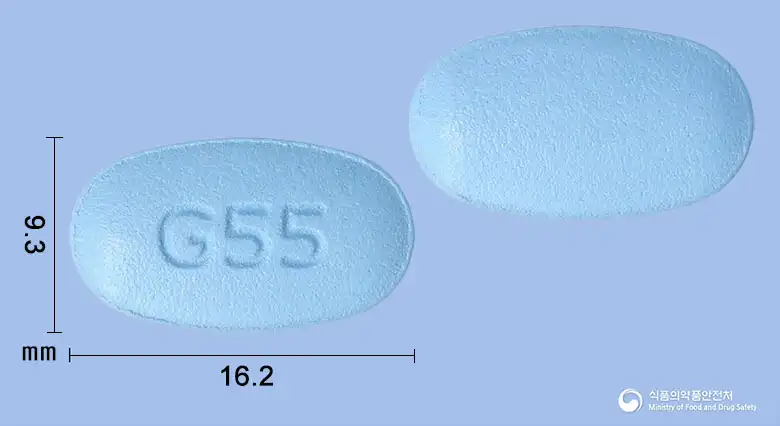 Combination
Sitagliptin Hydrochloride Hydrate 56.7mg · Metformin Hydrochloride 500mg
Tablet · Prescription medication · Combination
Shinil Pharmaceutical Co., Ltd.
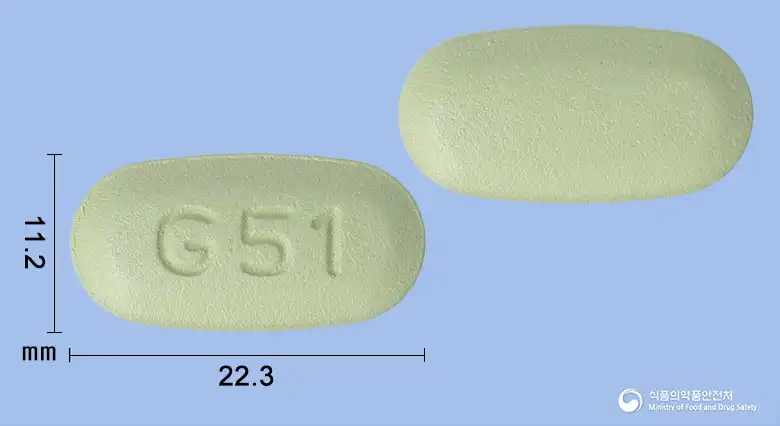 Combination
Sitagliptin Hydrochloride Hydrate 56.7mg · Metformin Hydrochloride 1000mg
Tablet · Prescription medication · Combination
Shinil Pharmaceutical Co., Ltd.
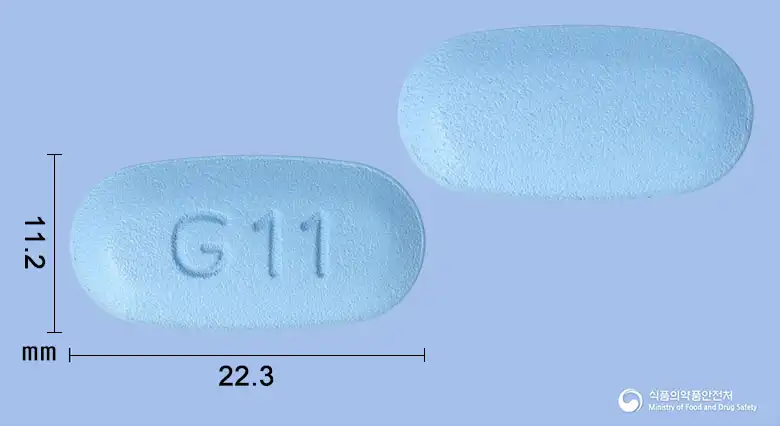 Combination
Sitagliptin Hydrochloride Hydrate 113.4mg · Metformin Hydrochloride 1000mg
Tablet · Prescription medication · Combination
Shinil Pharmaceutical Co., Ltd.
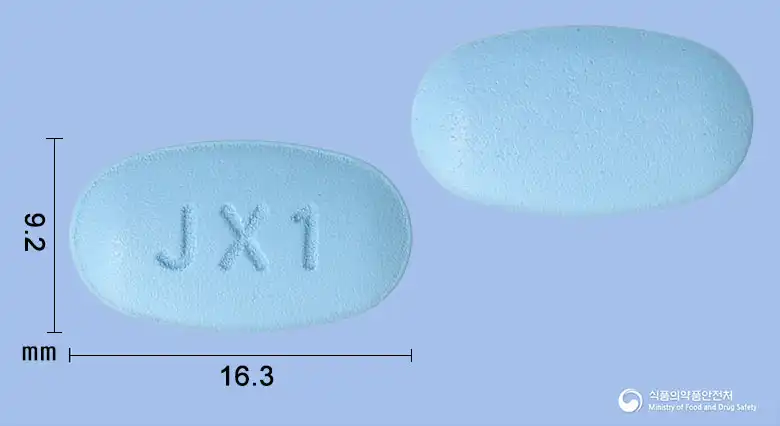 Combination
Sitagliptin Hydrochloride Hydrate 56.7mg · Metformin Hydrochloride 500mg
Tablet · Prescription medication · Combination
GL Pharma Co., Ltd.
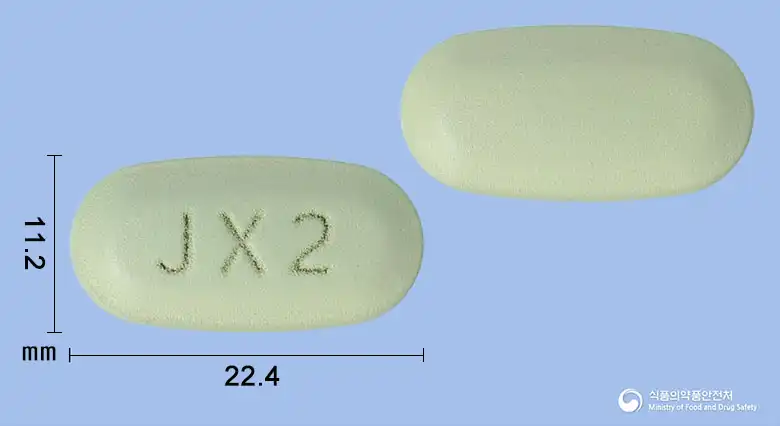 Combination
Sitagliptin Hydrochloride Hydrate 56.7mg · Metformin Hydrochloride 1000mg
Tablet · Prescription medication · Combination
GL Pharma Co., Ltd.
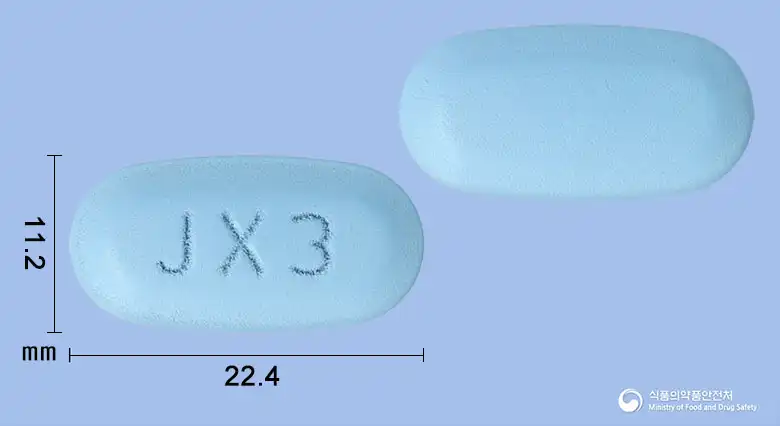 Combination
Sitagliptin Hydrochloride Hydrate 113.4mg · Metformin Hydrochloride 1000mg
Tablet · Prescription medication · Combination
GL Pharma Co., Ltd.
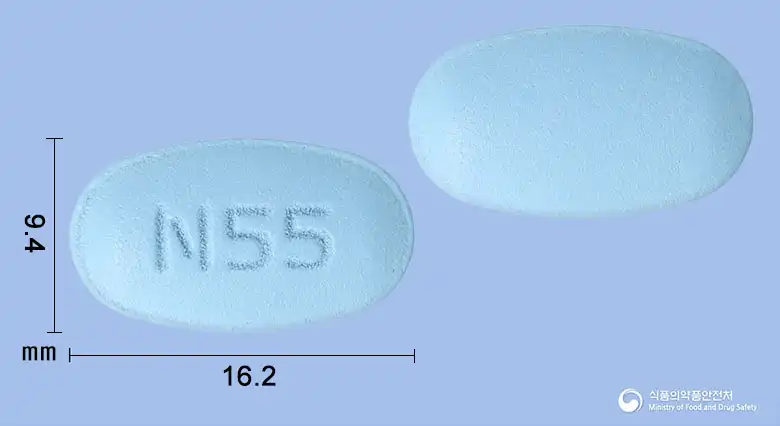 Combination
Sitagliptin Hydrochloride Hydrate 56.7mg · Metformin Hydrochloride 500mg
Tablet · Prescription medication · Combination
Korea Hutech Pharmaceutical Co., Ltd.
Even with the same ingredient, the dose and directions can differ by strength and dosage form. Talk to a doctor or pharmacist before switching from a medication you are already taking.
No questions yet.
For anything that needs medical judgment, consult a doctor or pharmacist.
This drug information is based on data provided by the Korea Ministry of Food and Drug Safety.
Consult a doctor or pharmacist for accurate dosage, administration, and usage instructions.