
 한국어
한국어 English
 日本語
日本語 中文(简体)
 Viewing nowCombination
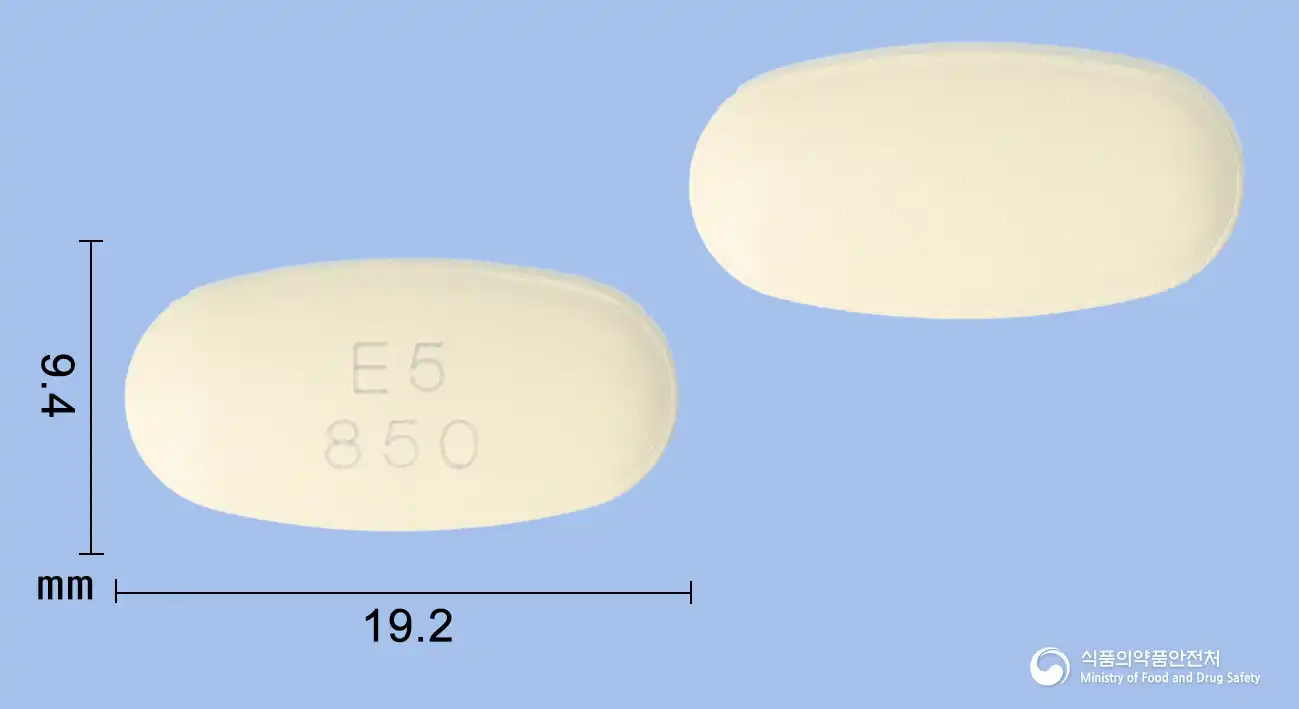
Pharma Empagrow Duo Tablet 5/850 Milligrams (Empagliflozin, Metformin Hydrochloride)
Empagliflozin 5mg · Metformin Hydrochloride 850mg
Tablet · Prescription medication · Combination
Korea Pharma Co., Ltd.
MFDS item code 202201695 · Approved 2022.04.26 · Insurance code 653007090
Blood sugar control in type 2 diabetes and prevention of cardiovascular events.
This medication is administered as an adjunct to diet and exercise to improve blood sugar control in patients with type 2 diabetes. It is particularly suitable for adult patients using Empagliflozin and Metformin in combination. In patients where blood sugar control is inadequate and who have cardiovascular disease, caution is required regarding the possibility of cardiovascular events, so it's important to follow expert guidance. This medication effectively enhances blood sugar control and aids in diabetes treatment.
The recommended dosage of this medication is 1 tablet, twice daily. The dose should be determined considering the individual patient's treatment regimen, efficacy, and tolerability, not exceeding Empagliflozin 25 mg and Metformin 2000 mg. In cases where adequate blood sugar control is not achieved with Metformin alone or in combination with other medications such as insulin, the recommended dosage is Empagliflozin 5 mg twice daily (total daily dose of 10 mg) and the current dose of Metformin.
This medication can cause rare but serious side effects such as severe lactic acidosis and should not be used by patients with impaired kidney function. Caution is needed as there is a risk of hypoglycemia when used with other diabetes medications. Patients with moderate to severe renal impairment, acute kidney problems, heart failure, acute myocardial infarction, and other serious conditions should not take this medication. Patients scheduled for tests involving iodine contrast agents must discontinue this medication before and after the test and can resume once kidney function is confirmed as normal. Women who are pregnant or breastfeeding should not use this medication, and it is not recommended for children. Side effects like hypoglycemia, urinary tract infections, genital infections, increased urination may occur; if any unusual symptoms appear, consult a doctor immediately. Elderly patients or those with dehydration risk must ensure adequate fluid intake and regular monitoring of their condition while taking this medication. Patients with impaired liver function or those consuming excessive alcohol should also avoid using this medication. While this medication helps control blood sugar, regular blood tests and monitoring of kidney function are important for safe use. Hypoglycemic symptoms can occur, so especially when taken with insulin or sulfonylureas, blood sugar levels should be monitored closely. If surgery or an acute illness occurs during treatment, consult a doctor about temporarily stopping the medication. It is advisable to avoid alcohol consumption during treatment and to check vitamin B12 levels regularly. Any unusual symptoms or discomfort during medication should be reported to healthcare professionals, and one should not discontinue or alter treatment without consultation.
Hives, severe swelling (angioedema), chest tightness, difficulty breathing, cold sweat, paleness, severe rash with fever, blisters, skin peeling, pain in mucous membranes of mouth/eyes, severe skin reactions, shortness of breath or difficulty breathing, asthma attacks, respiratory abnormality accompanied by cough and fever, yellowing of skin or eyes (jaundice), extreme lethargy, liver abnormalities, sudden and severe headaches, thunderclap headaches, seizures.
Not everyone experiences these, and they can vary from person to person.
This medication must be stored in a tightly sealed container to avoid exposure to air or moisture. It is recommended to maintain a storage temperature between 1 degree and 30 degrees Celsius to ensure the medication's efficacy.
White, oval, biconvex film-coated tablet with a yellowish tint.
10 tablets/box [10 tablets/PTP x 1], 60 tablets/box [10 tablets/PTP x 6], 30 tablets/bottle, 60 tablets/bottle
Even with the same ingredient, strength, dosage form and how it is taken can differ.
Viewing nowCombinationEmpagliflozin 5mg · Metformin Hydrochloride 850mg
Tablet · Prescription medication · Combination
Korea Pharma Co., Ltd.
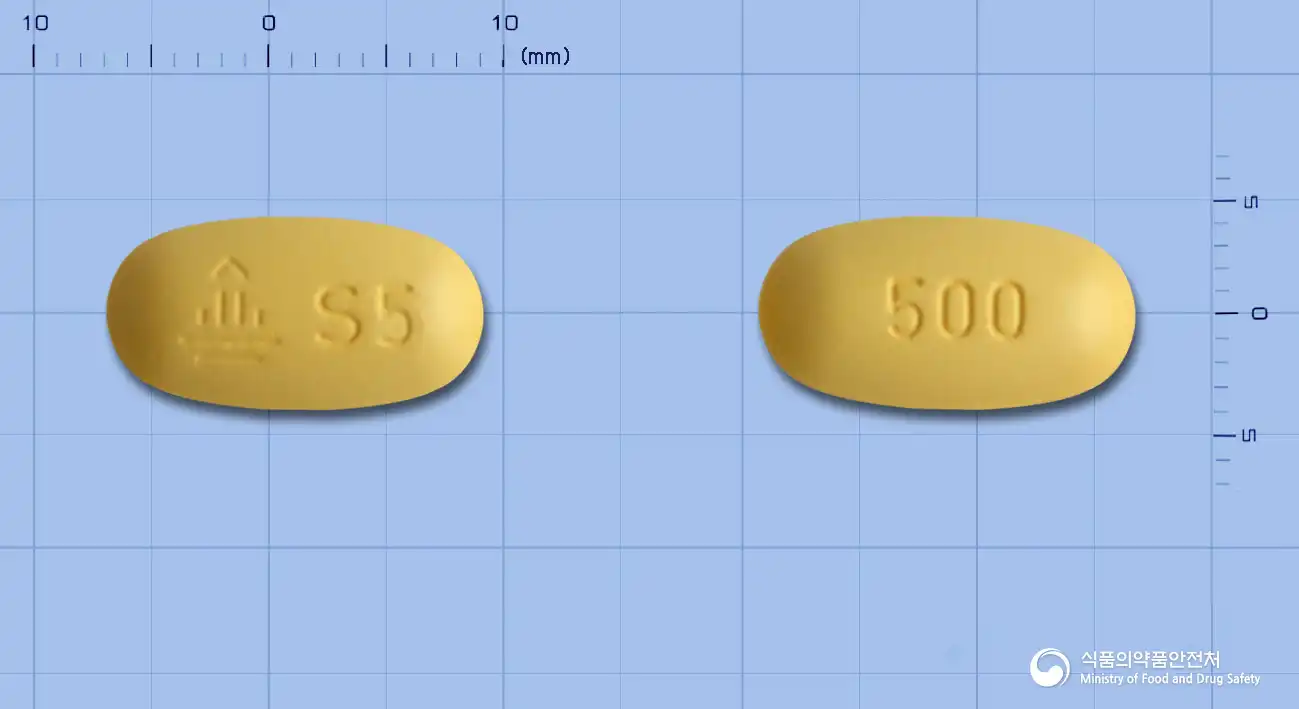 Combination
Empagliflozin 5mg · Metformin Hydrochloride 500mg
Tablet · Prescription medication · Combination
Boehringer Ingelheim Korea Co., Ltd.
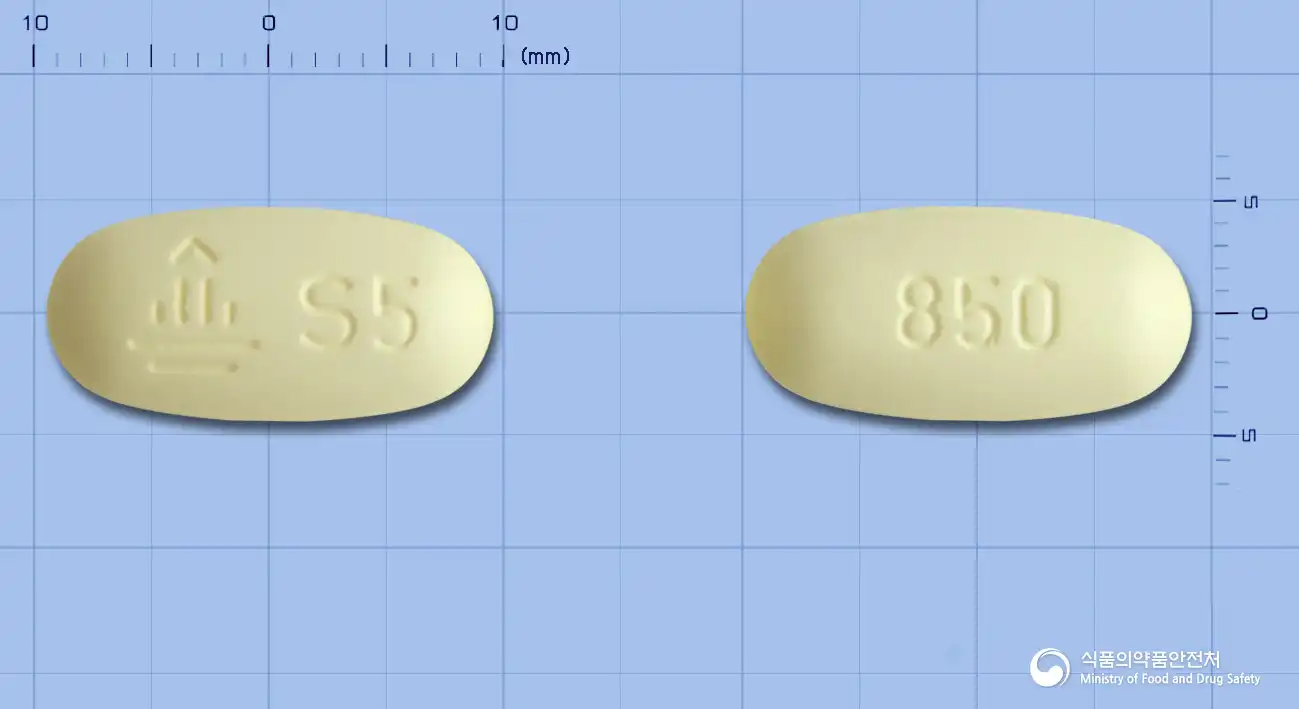 Combination
Empagliflozin 5mg · Metformin Hydrochloride 850mg
Tablet · Prescription medication · Combination
Boehringer Ingelheim Korea Co., Ltd.
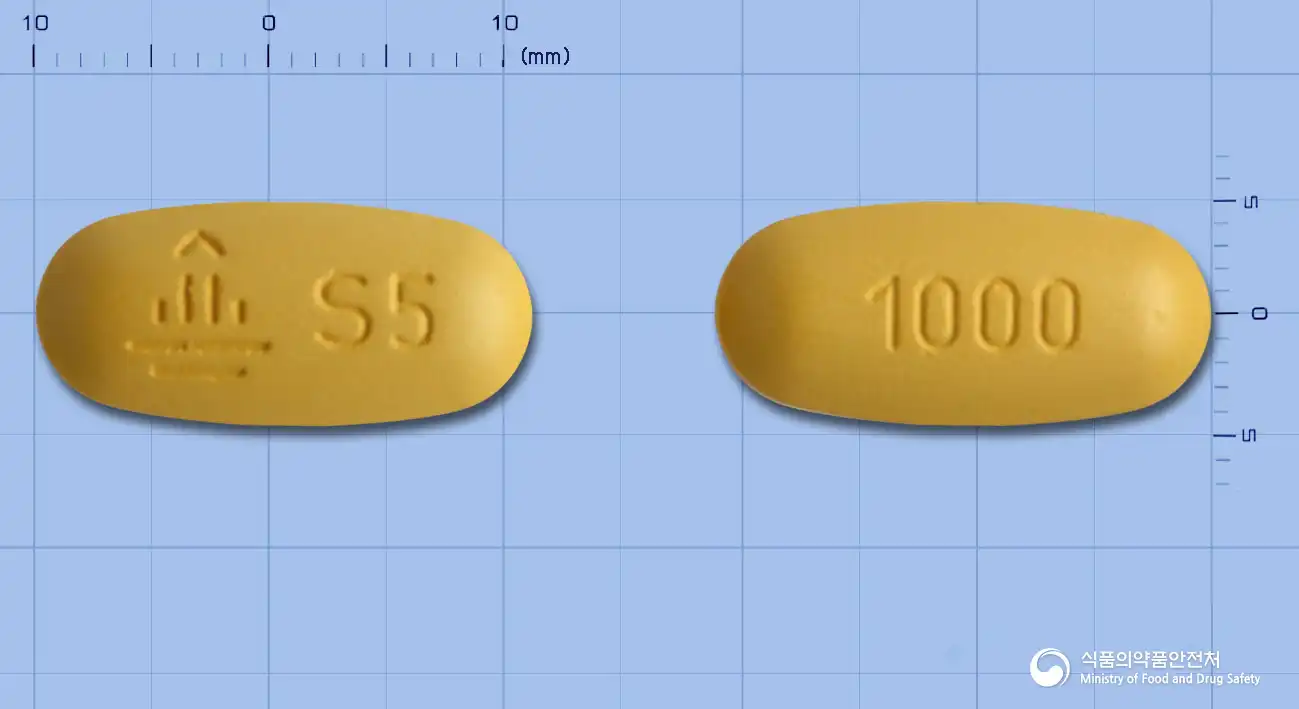 Combination
Empagliflozin 5mg · Metformin Hydrochloride 1000mg
Tablet · Prescription medication · Combination
Boehringer Ingelheim Korea Co., Ltd.
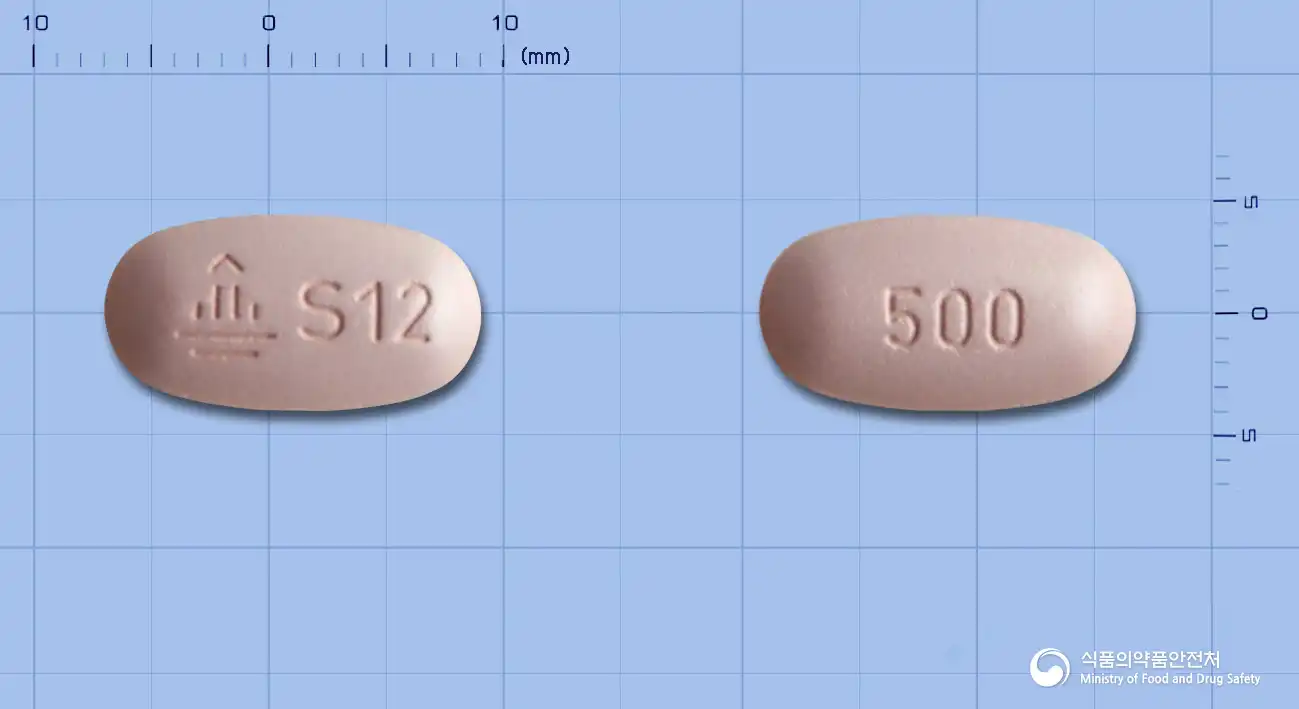 Combination
Empagliflozin 12.5mg · Metformin Hydrochloride 500mg
Tablet · Prescription medication · Combination
Boehringer Ingelheim Korea Co., Ltd.
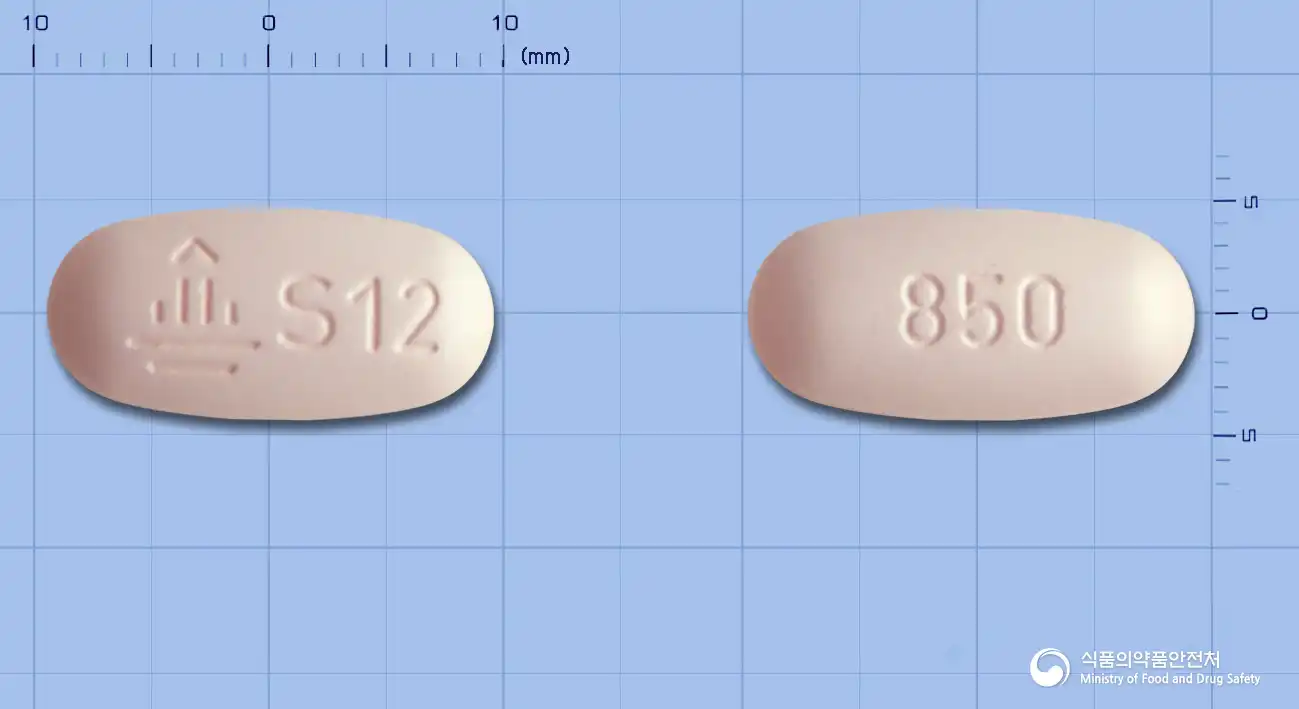 Combination
Empagliflozin 12.5mg · Metformin Hydrochloride 850mg
Tablet · Prescription medication · Combination
Boehringer Ingelheim Korea Co., Ltd.
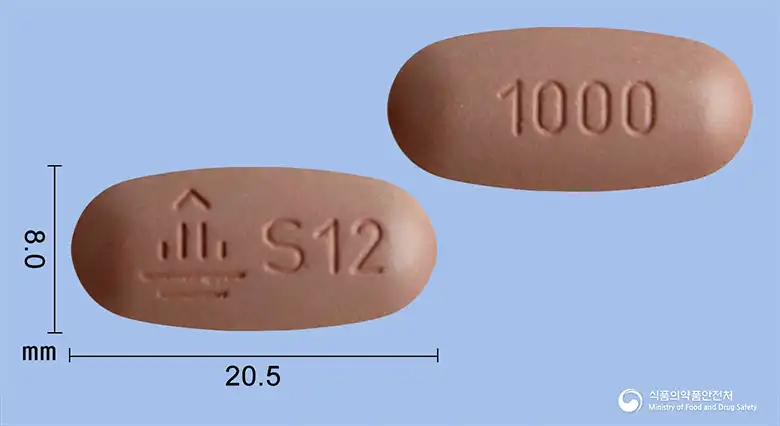 Combination
Empagliflozin 12.5mg · Metformin Hydrochloride 1000mg
Tablet · Prescription medication · Combination
Boehringer Ingelheim Korea Co., Ltd.
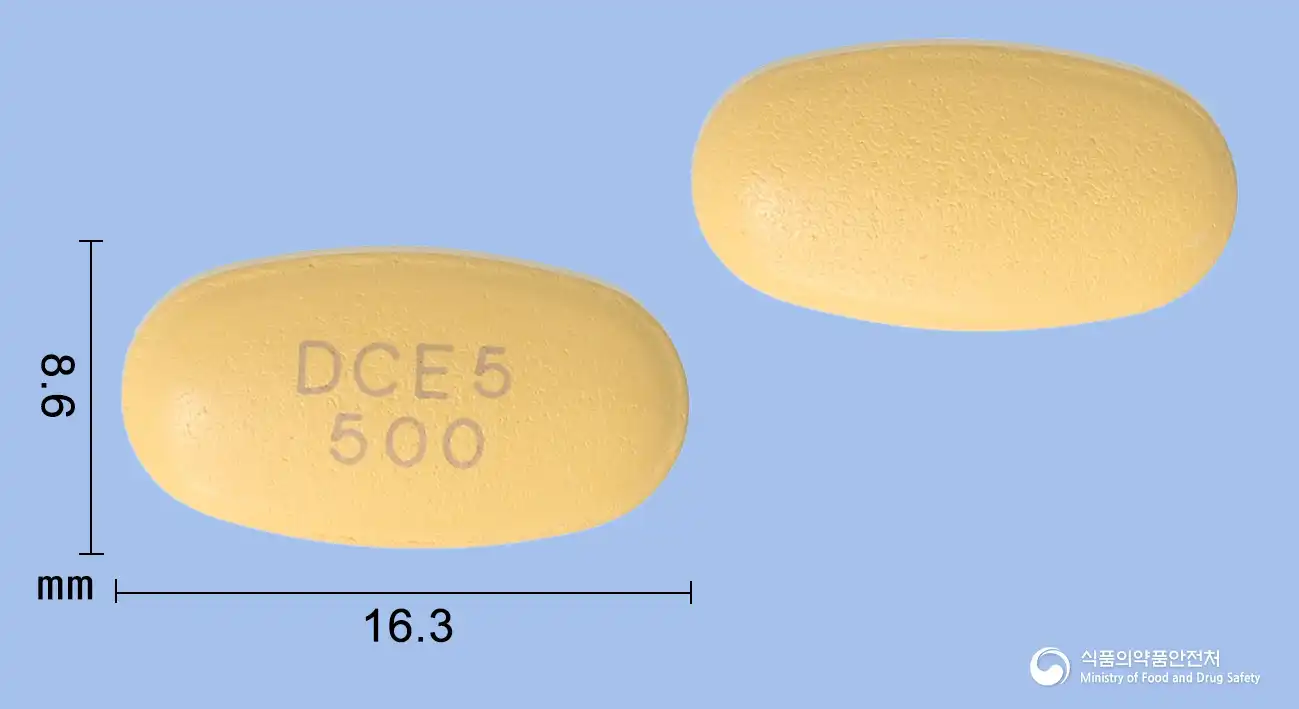 Combination
Empagliflozin 5mg · Metformin Hydrochloride 500mg
Tablet · Prescription medication · Combination
Donggu Bio Pharmaceutical Co., Ltd.
Even with the same ingredient, the dose and directions can differ by strength and dosage form. Talk to a doctor or pharmacist before switching from a medication you are already taking.
No questions yet.
For anything that needs medical judgment, consult a doctor or pharmacist.
This drug information is based on data provided by the Korea Ministry of Food and Drug Safety.
Consult a doctor or pharmacist for accurate dosage, administration, and usage instructions.