
 한국어
한국어 English
 日本語
日本語 中文(简体)
 Viewing nowCombination
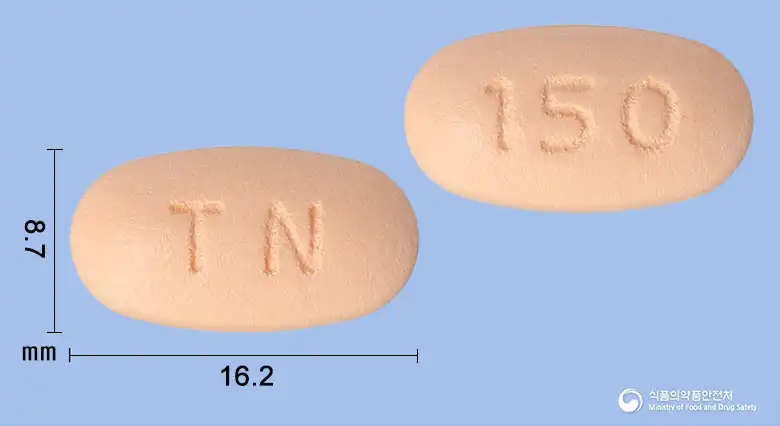
Tenelor M Sustained-release Tablet 10/500 mg
Teneligliptin Hydrochloride Hydrate 13mg · Metformin Hydrochloride 500mg
Tablet · Prescription medication · Combination
Korea Prime Pharmaceutical Co., Ltd.
MFDS item code 202201469 · Approved 2022.04.06 · Insurance code 663608570
Improvement in blood sugar control for type 2 diabetes
This medication is used in conjunction with diet and exercise to help control blood sugar in patients with type 2 diabetes. It particularly enhances blood sugar control effects by combining Teneligliptin and Metformin. If taken consistently, it may help stabilize blood sugar levels. It is prescribed appropriately according to the patient's health condition, so take it with confidence. This medication is effective in improving blood sugar control.
This medication is generally administered once daily with the evening meal and the dose is adjusted gradually to reduce gastrointestinal side effects associated with metformin. The sustained-release tablet of this medication at 20/1000 mg is taken once daily with one tablet. For patients taking the 10/750 mg or 10/500 mg sustained-release tablets, two tablets should be taken once daily simultaneously. For patients unable to achieve sufficient blood sugar control with monotherapy with metformin, the initial dose of this medication provides teneligliptin 20 mg once daily along with the existing dose of metformin. Patients converting from combination therapy of teneligliptin and metformin may start this medication at the existing doses of teneligliptin and metformin. Blood sugar control should be closely monitored when converting from immediate-release metformin to sustained-release formulation, and adjustments to the dose should be made appropriately. In cases of concomitant use with sulfonylureas, a reduction in the dose of sulfonylureas may be considered to decrease the risk of hypoglycemia. The maximum recommended dose is teneligliptin 20 mg and sustained-release metformin 2000 mg. The safety and efficacy of this medication have not been specifically evaluated in patients who have switched from other hypoglycemic agents to this medication. Any changes in the treatment of type 2 diabetes that may cause alterations in blood sugar control should be performed under careful monitoring. To maintain sustained-release properties, this medication should be swallowed whole and not split, crushed, chewed, or altered in any way.
This medication can very rarely cause a serious condition called lactic acidosis. Lactic acidosis is a dangerous state caused by excessive accumulation of lactic acid in the body, which can threaten life if untreated. Caution should be taken when this medication is taken together with insulin or sulfonylurea medications, as hypoglycemia may occur. Hypoglycemia can lead to dizziness, trembling, and in severe cases, loss of consciousness due to excessively low blood sugar levels. This medication should not be used in patients with moderate to severe renal impairment, heart failure, acute cardiac issues, or severe infections. Additionally, it should be stopped before and after examinations using radiocontrast iodine, and resumed only after confirming normal kidney function. It is also safer not to administer this medication to pregnant women or women who may become pregnant, patients with severely impaired liver function, severe lung disease, or those with very poor nutritional status. During the use of this medication, patients should be well aware of hypoglycemic symptoms, and if such symptoms occur, they should immediately consume foods containing sugar. Furthermore, if severe abdominal pain or vomiting occurs, such as in acute pancreatitis, they should seek medical attention immediately. This medication should have liver and kidney functions regularly checked, especially as elderly individuals are more likely to experience renal function decline, and therefore additional caution is necessary. Alcohol consumption can increase the risk of lactic acidosis, so it is advisable to avoid drinking alcohol while taking this medication. In situations where oral intake is difficult due to surgery or severe infection, this medication should be temporarily discontinued, and resumed only after recovery and confirmation of normal kidney function. This medication can very rarely cause allergic reactions such as bullous pemphigoid, which may cause blisters on the skin, so immediate consultation with a specialist is required if any skin abnormalities occur. Finally, this medication has not been shown to be safe or effective in children, so it is best not to use it.
Hives, severe swelling (edema), chest tightness, difficulty breathing, cold sweat, pallor, high fever with severe rashes, blisters, skin peeling, pain in oral/eye mucous membranes, shortness of breath or difficulty breathing, asthma attacks, respiratory abnormalities accompanied by cough and fever, yellowing of the skin or eyes (jaundice), generalized severe lethargy, sudden and very severe headaches, lightning headache, seizures, altered consciousness, vision abnormalities, paralysis, urination abnormalities
Not everyone experiences these, and they can vary from person to person.
This medication should be stored in a tightly closed container to prevent air and moisture from entering. It is recommended to maintain a storage temperature between 1 degree and 30 degrees Celsius at room temperature.
Orange oval-shaped sustained-release film-coated tablet
30 tablets/bottle
Even with the same ingredient, strength, dosage form and how it is taken can differ.
Viewing nowCombinationTeneligliptin Hydrochloride Hydrate 13mg · Metformin Hydrochloride 500mg
Tablet · Prescription medication · Combination
Korea Prime Pharmaceutical Co., Ltd.
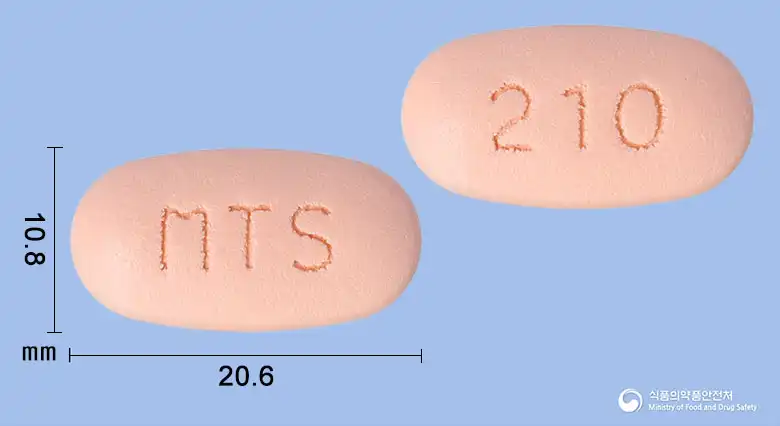 Combination
Teneligliptin Hydrochloride Hydrate 26mg · Metformin Hydrochloride 1000mg
Tablet · Prescription medication · Combination
Mothers Pharmaceutical Co., Ltd.
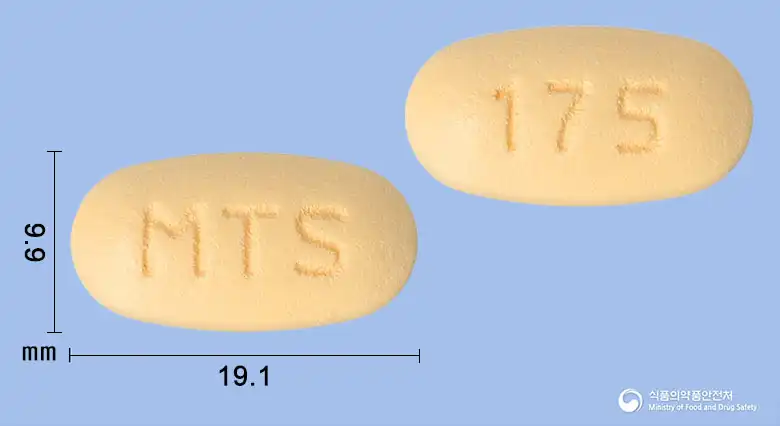 Combination
Teneligliptin Hydrochloride Hydrate 13mg · Metformin Hydrochloride 750mg
Tablet · Prescription medication · Combination
Mothers Pharmaceutical Co., Ltd.
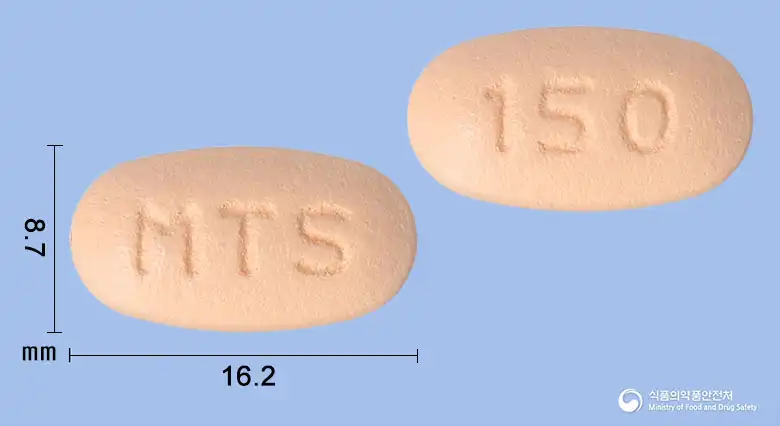 Combination
Teneligliptin Hydrochloride Hydrate 13mg · Metformin Hydrochloride 500mg
Tablet · Prescription medication · Combination
Mothers Pharmaceutical Co., Ltd.
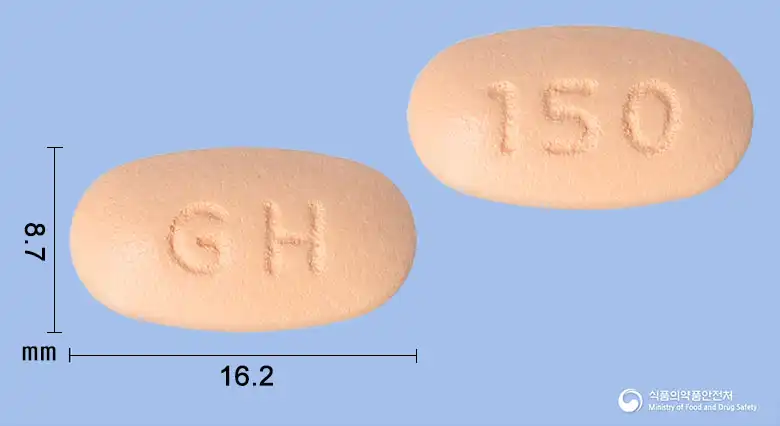 Combination
Teneligliptin Hydrochloride Hydrate 13mg · Metformin Hydrochloride 500mg
Tablet · Prescription medication · Combination
(Yoo) Hanpung Pharmaceutical Co., Ltd.
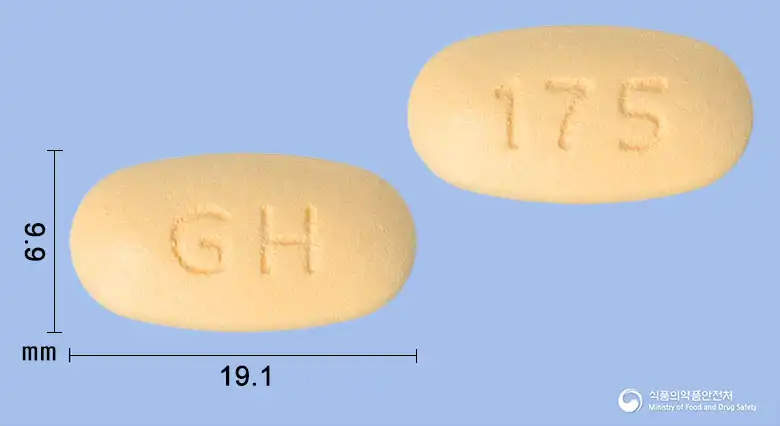 Combination
Teneligliptin Hydrochloride Hydrate 13mg · Metformin Hydrochloride 750mg
Tablet · Prescription medication · Combination
Hanpoong Pharmaceutical Co., Ltd.
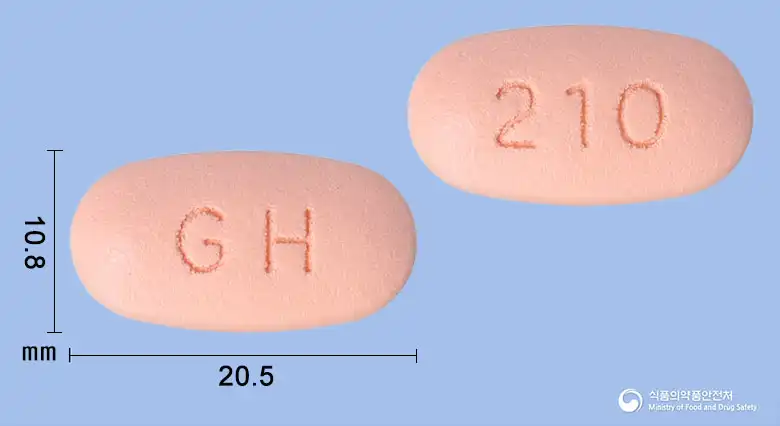 Combination
Teneligliptin Hydrochloride Hydrate 26mg · Metformin Hydrochloride 1000mg
Tablet · Prescription medication · Combination
Hanpung Pharmaceutical Co., Ltd.
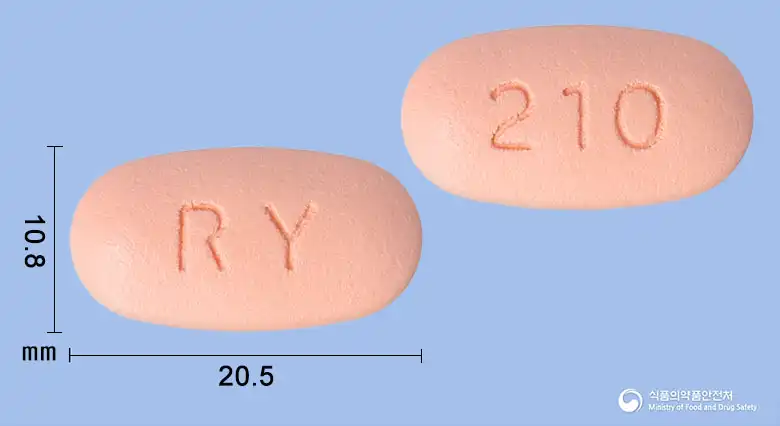 Combination
Teneligliptin Hydrochloride Hydrate 26mg · Metformin Hydrochloride 1000mg
Tablet · Prescription medication · Combination
Iyeon Pharmaceutical Co., Ltd.
Even with the same ingredient, the dose and directions can differ by strength and dosage form. Talk to a doctor or pharmacist before switching from a medication you are already taking.
No questions yet.
For anything that needs medical judgment, consult a doctor or pharmacist.
This drug information is based on data provided by the Korea Ministry of Food and Drug Safety.
Consult a doctor or pharmacist for accurate dosage, administration, and usage instructions.