
 한국어
한국어 English
 日本語
日本語 中文(简体)
 Viewing nowCombination
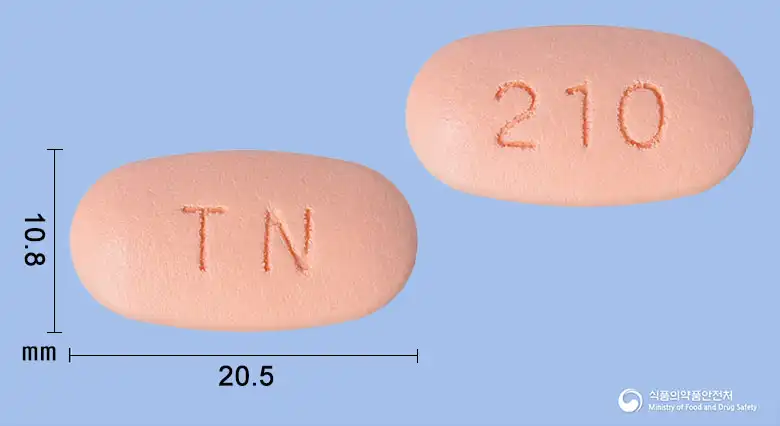
Tenelon M Extended Release Tablet 20/1000 mg
Teneligliptin Hydrochloride Hydrate 26mg · Metformin Hydrochloride 1000mg
Tablet · Prescription medication · Combination
Korea Prime Pharmaceutical Co., Ltd.
MFDS item code 202201468 · Approved 2022.04.06 · Insurance code 663608580
Improvement in blood glucose control in type 2 diabetes
This medication is an adjunct treatment used with diet and exercise to help control blood sugar levels in patients with type 2 diabetes. Teneligliptin and metformin work together to help manage blood sugar more effectively. By taking this medication, blood sugar levels may improve, leading to positive effects in diabetes management.
Typically, this medication is administered once daily with the evening meal; the 20/1000 mg extended-release tablet is taken as 1 tablet once daily. The 10/750 mg or 10/500 mg extended-release tablets are taken as 2 tablets simultaneously once daily. The initial dose is teneligliptin 20 mg once daily along with the usual dosing of metformin. The maximum recommended daily dose is teneligliptin 20 mg and extended-release metformin 2000 mg.
This medication helps control blood sugar levels, and there are several important precautions to be aware of when using it. First, this medication can rarely cause a serious condition known as lactic acidosis, which is a potentially dangerous state caused by an excess of lactic acid in the body. Lactic acidosis is more likely to occur in patients with impaired kidney function, so this medication will not be used in patients with moderate or severe renal impairment. Additionally, when this medication is used together with insulin or other diabetes medications, there is a risk of hypoglycemia, so care should be taken. If symptoms of hypoglycemia appear, it is necessary to immediately consume food containing sugar. This medication is not to be given to patients with impaired kidney function, heart failure, acute infections or severe trauma, liver dysfunction, or to women who are pregnant or may become pregnant. Furthermore, if a test using a radiographic iodine contrast agent is planned, the medication should be stopped 48 hours prior to the test and can be resumed only after confirming normal kidney function. During the course of taking this medication, kidney function should be regularly monitored, and extra caution is required, especially in the elderly or those with reduced kidney function. If symptoms such as persistent abdominal pain, vomiting, severe constipation, dizziness, shortness of breath, fever, rash, or blisters occur, immediate consultation with a physician is necessary. These symptoms could indicate serious side effects such as acute pancreatitis, interstitial pneumonia, or similar drug eruptions. Moreover, this medication can lower B12 vitamin levels, so it is advisable to periodically check B12 levels through blood tests. Alcohol consumption should be avoided while taking this medication, and in cases of sudden dehydration, vomiting, or diarrhea, it is necessary to temporarily stop the medication and consult a physician. If a surgery is planned, the medication should be ceased 48 hours before the surgery and can only be restarted after confirming stable kidney function post-surgery. Lastly, this medication is not recommended for women who are pregnant or breastfeeding; if applicable, it should be avoided.
Not everyone experiences these, and they can vary from person to person.
This medication should be stored in a tightly sealed container to prevent air and moisture from entering, and it is best kept at room temperature between 1 to 30 degrees Celsius. Storing it this way helps maintain the medication's efficacy for a longer period.
Pink oval extended-release film-coated tablet
30 tablets/bottle
Even with the same ingredient, strength, dosage form and how it is taken can differ.
Viewing nowCombinationTeneligliptin Hydrochloride Hydrate 26mg · Metformin Hydrochloride 1000mg
Tablet · Prescription medication · Combination
Korea Prime Pharmaceutical Co., Ltd.
 Combination
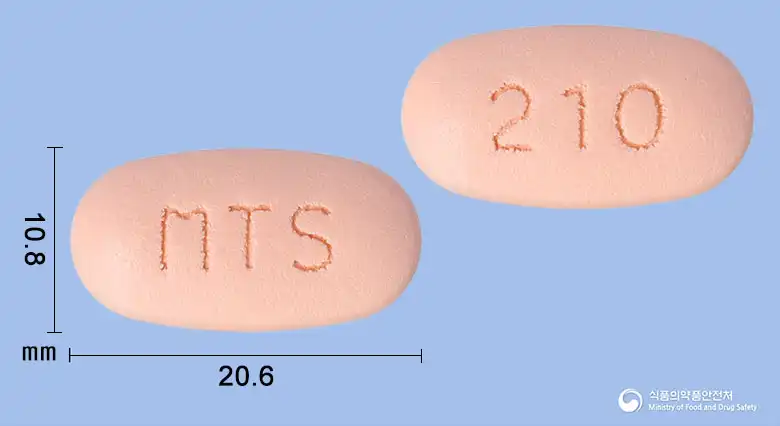
Teneligliptin Hydrochloride Hydrate 26mg · Metformin Hydrochloride 1000mg
Tablet · Prescription medication · Combination
Mothers Pharmaceutical Co., Ltd.
 Combination
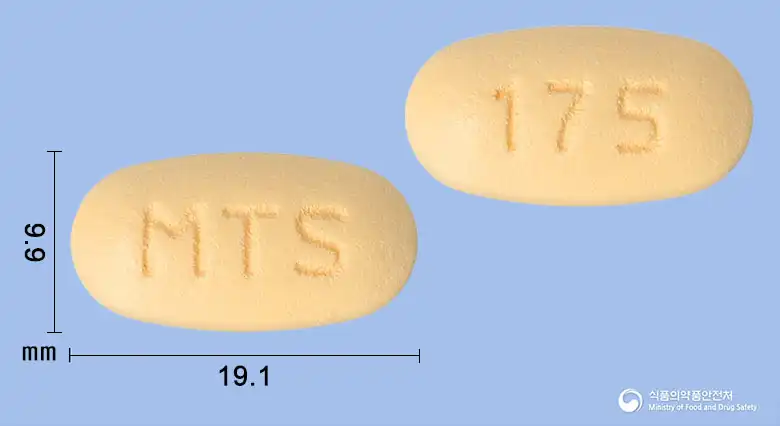
Teneligliptin Hydrochloride Hydrate 13mg · Metformin Hydrochloride 750mg
Tablet · Prescription medication · Combination
Mothers Pharmaceutical Co., Ltd.
 Combination
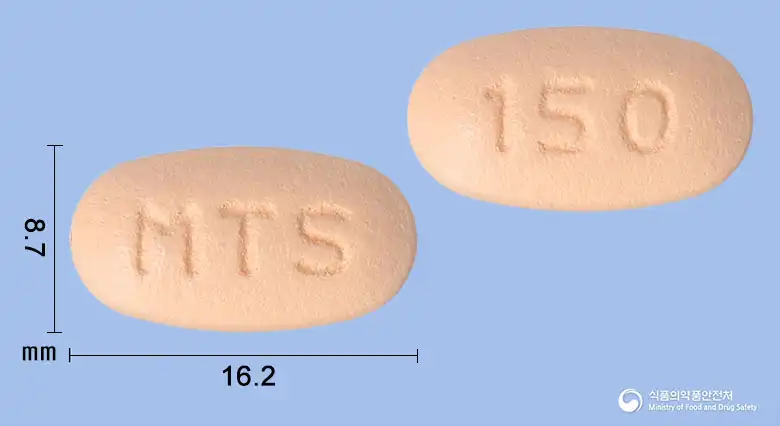
Teneligliptin Hydrochloride Hydrate 13mg · Metformin Hydrochloride 500mg
Tablet · Prescription medication · Combination
Mothers Pharmaceutical Co., Ltd.
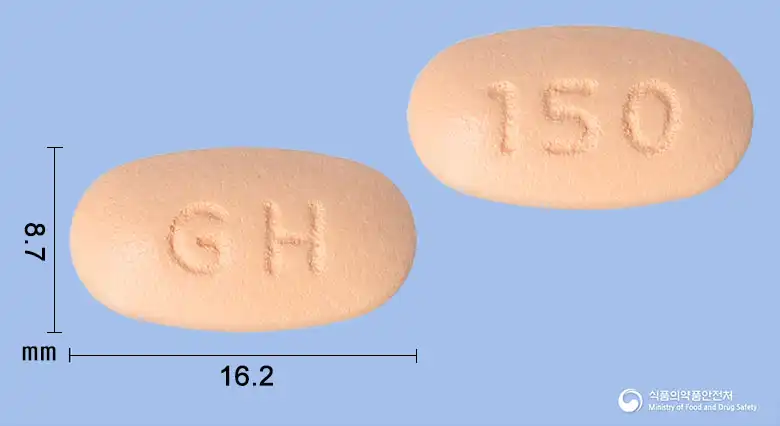 Combination
Teneligliptin Hydrochloride Hydrate 13mg · Metformin Hydrochloride 500mg
Tablet · Prescription medication · Combination
(Yoo) Hanpung Pharmaceutical Co., Ltd.
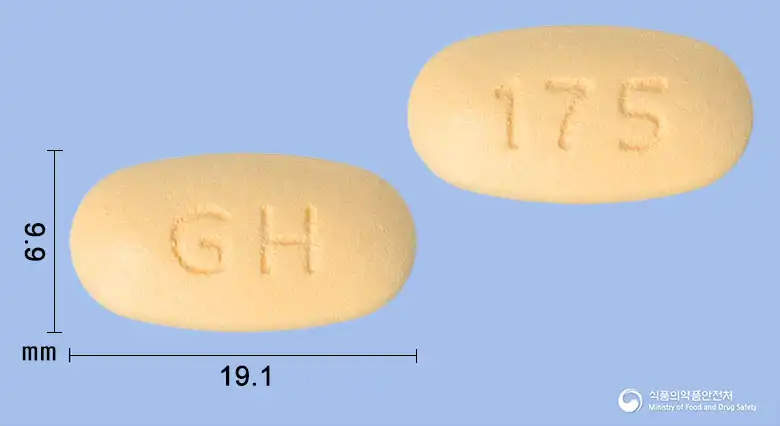 Combination
Teneligliptin Hydrochloride Hydrate 13mg · Metformin Hydrochloride 750mg
Tablet · Prescription medication · Combination
Hanpoong Pharmaceutical Co., Ltd.
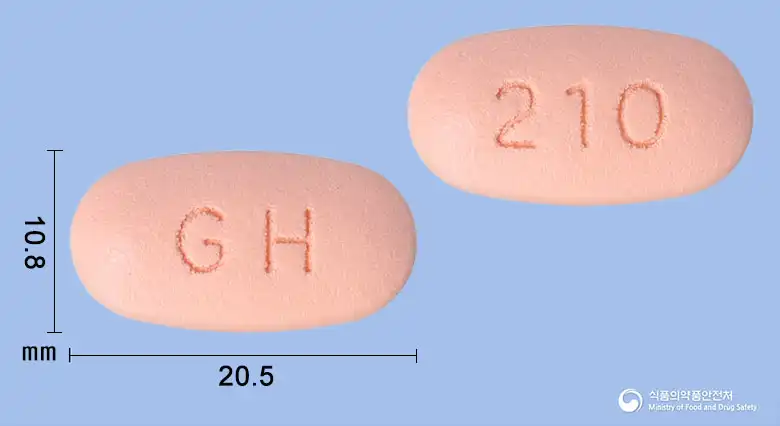 Combination
Teneligliptin Hydrochloride Hydrate 26mg · Metformin Hydrochloride 1000mg
Tablet · Prescription medication · Combination
Hanpung Pharmaceutical Co., Ltd.
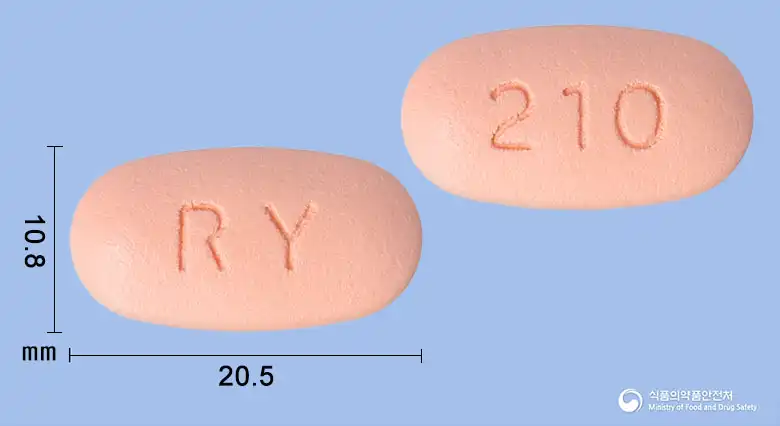 Combination
Teneligliptin Hydrochloride Hydrate 26mg · Metformin Hydrochloride 1000mg
Tablet · Prescription medication · Combination
Iyeon Pharmaceutical Co., Ltd.
Even with the same ingredient, the dose and directions can differ by strength and dosage form. Talk to a doctor or pharmacist before switching from a medication you are already taking.
No questions yet.
For anything that needs medical judgment, consult a doctor or pharmacist.
This drug information is based on data provided by the Korea Ministry of Food and Drug Safety.
Consult a doctor or pharmacist for accurate dosage, administration, and usage instructions.