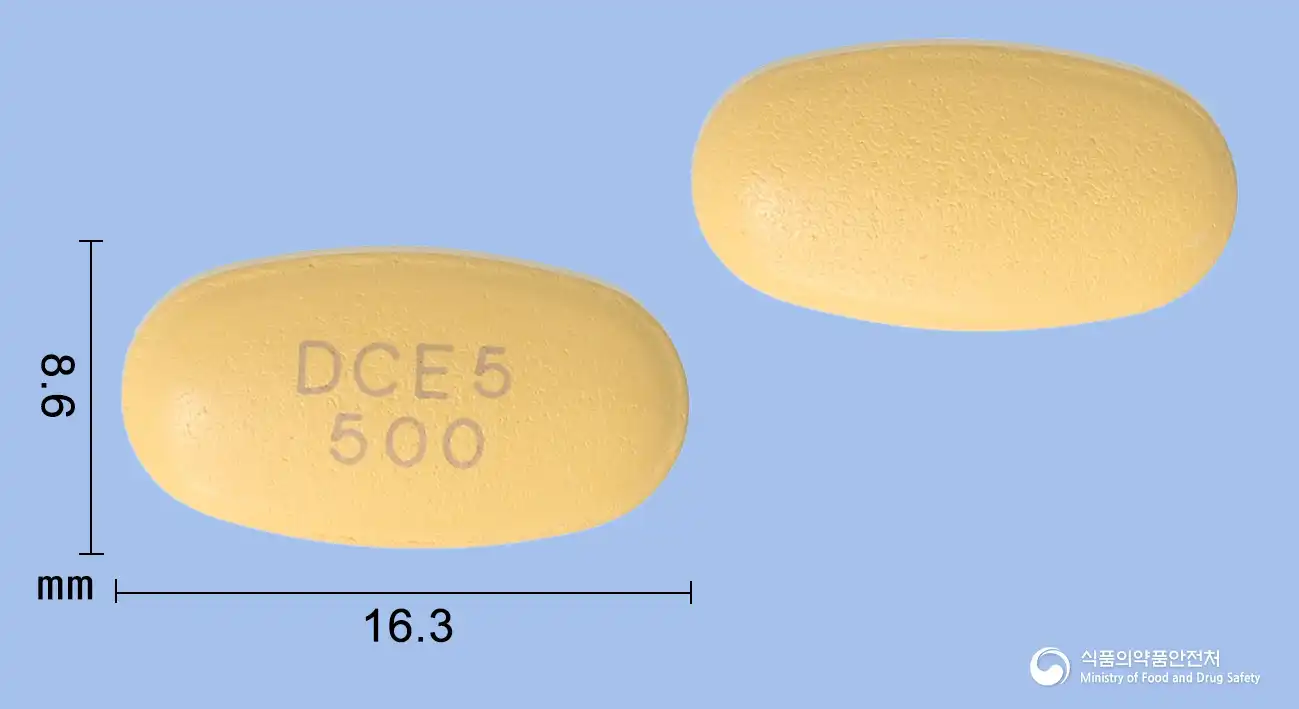
10 tablets/box [(10 tablets/PTP x 1)], 60 tablets/box [(10 tablets/PTP x 6)], 60 tablets/bottle
Approval status
Active
MFDS item code 202201445 · Approved 2022.04.05
Summary
Main use
Blood sugar control in type 2 diabetes and prevention of cardiovascular events
Who takes it
Adults
Adult dose
The recommended dosage of this medication is 1 tablet, taken twice daily.
For patients who cannot achieve adequate blood sugar control with metformin alone or in combination with other medications such as insulin, the recommended dosage is 5 mg of empagliflozin twice daily (total daily dose of 10 mg) along with the existing dose of metformin.
If tolerance to 10 mg of empagliflozin (total daily dose) is good, further blood sugar control may be required.
Blood sugar control in type 2 diabetes and prevention of cardiovascular events
View approved original textHide original text
This medication is used to complement diet and exercise therapy to aid blood sugar control in adults with type 2 diabetes. It is particularly effective in patients whose blood sugar is not adequately controlled, and caution is required for patients with established cardiovascular disease. This medication helps improve blood sugar levels and aids in diabetes management.
How to take
Adult dose
The recommended dosage of this medication is 1 tablet, taken twice daily.
For patients who cannot achieve adequate blood sugar control with metformin alone or in combination with other medications such as insulin, the recommended dosage is 5 mg of empagliflozin twice daily (total daily dose of 10 mg) along with the existing dose of metformin.
If tolerance to 10 mg of empagliflozin (total daily dose) is good, further blood sugar control may be required.
Precautions
This medication may cause a rare but serious side effect called severe lactic acidosis, so caution is necessary.
When taking this medication with other diabetes drugs such as insulin or sulfonylureas, the risk of hypoglycemia may increase, so care should be taken.
This medication should not be used in certain patients with moderate to severe renal impairment, acute kidney problems, severe infections, or heart failure.
When undergoing tests using iodinated contrast materials, this medication must be discontinued before and after the examination due to the risk of renal damage and lactic acidosis, and should be resumed only after normal kidney function is confirmed.
Patients who are at risk of decreased fluid volume, such as those who are dehydrated due to vomiting or diarrhea, should be cautious when taking this medication and may need to temporarily discontinue it.
This medication may increase the risk of urinary and genital infections, so any signs of infection should be reported to a healthcare professional immediately.
Hypoglycemic symptoms may occur during treatment, so if symptoms such as dizziness, cold sweat, or severe fatigue appear, blood sugar levels should be checked, and appropriate measures should be taken.
Women who are pregnant or may become pregnant, and breastfeeding women should not take this medication and should consider alternative treatment options if necessary.
Elderly patients are at higher risk of renal function decline, so regular kidney function monitoring is required, and maximum dosage should be avoided while considering proper dosage adjustments.
It is advisable to avoid alcohol intake during the use of this medication, as alcohol may increase the risk of lactic acidosis.
Additionally, this medication may reduce vitamin B12 levels, so periodic monitoring of vitamin B12 levels is recommended for long-term use.
If surgery is planned, this medication should be discontinued 48 hours prior to the surgery and resumed only after normal kidney function has been confirmed post-surgery.
In cases of overdose, serious side effects such as hypoglycemia or lactic acidosis may occur, and immediate medical treatment should be sought.
Caution is needed when driving or operating machinery while on this medication, and activities should be restrained if symptoms such as dizziness or drowsiness occur.
Patients taking this medication should regularly check their blood sugar levels, kidney function, electrolyte levels, etc., and consult with healthcare professionals if any abnormal signs occur.
Side effects and when to seek care immediately
Serious side effects
Hives, angioedema, perineal necrosis, ketoacidosis, lactic acidosis, urosepsis, pyelonephritis, liver function test abnormalities, hepatitis, acute kidney injury, liver abnormalities (jaundice), severe allergic reactions, severe skin reactions, respiratory problems, sudden and severe headache, thunderclap headache, seizures, confusion, vision changes, paralysis, significantly reduced urine output, severe swelling throughout the body with accompanying high blood pressure
Mild side effects
Nausea
vomiting
diarrhea
abdominal pain
loss of appetite
constipation
taste disorders
itching
rash
hives
Show 23 moreCollapse
erythema
angioedema
increased urination
difficulty urinating
thirst
increased blood creatinine
increased hematocrit
decreased vitamin B12
hypoglycemia
nasopharyngitis
upper respiratory infection
bronchitis
soft tissue infection
chronic sinusitis
gastroenteritis
periodontitis
dental abscess
tonsillitis
pneumonia
pulmonary tuberculosis
sepsis
subcutaneous abscess
tinea corporis
Not everyone experiences these, and they can vary from person to person.
Storage
This medication may be sensitive to air or humidity, so it should be stored in a tightly sealed container. It is best to maintain the storage temperature between 1 degree and 30 degrees Celsius to preserve the medication's efficacy over time.
Even with the same ingredient, the dose and directions can differ by strength and dosage form. Talk to a doctor or pharmacist before switching from a medication you are already taking.
Questions about this medicine
No questions yet.
For anything that needs medical judgment, consult a doctor or pharmacist.
This drug information is based on data provided by the Korea Ministry of Food and Drug Safety. Consult a doctor or pharmacist for accurate dosage, administration, and usage instructions.

 한국어
한국어 English
 日本語
日本語 中文(简体)