
 한국어
한국어 English
 日本語
日本語 中文(简体)
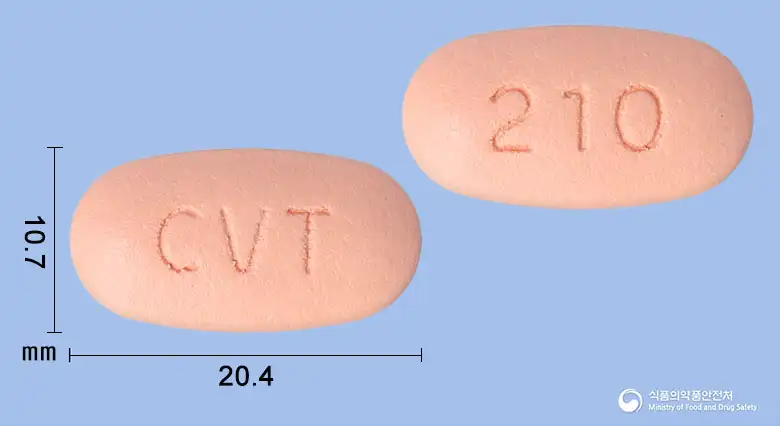 Viewing nowCombination
Tenegliptin M Extended-release Tablet 20/1000 mg
Teneligliptin Hydrochloride Hydrate 26mg · Metformin Hydrochloride 1000mg
Tablet · Prescription medication · Combination
Korea Pavis Pharmaceutical Co., Ltd.
MFDS item code 202201429 · Approved 2022.04.04 · Insurance code 621804470
Improvement in blood sugar control for type 2 diabetes
This medication helps improve blood sugar control in patients with type 2 diabetes by combining teneligliptin and metformin. When administered alongside diet and exercise therapy, it effectively manages blood sugar levels. It is used to enhance blood sugar control and alleviate diabetes symptoms.
This medication is typically administered once daily with dinner. The 20/1000 mg extended-release tablet is taken once daily at a dose of 1 tablet. The 10/750 mg or 10/500 mg extended-release tablets are taken once daily at a dose of 2 tablets simultaneously. The initial dosage should provide teneligliptin 20 mg once daily along with the existing dosing regimen of metformin. The maximum recommended dose per day is teneligliptin 20 mg and extended-release metformin.
This medication is used for the treatment of diabetes and helps regulate blood sugar levels. During the course of treatment, there may be very rare occurrences of a serious side effect called lactic acidosis. Lactic acidosis is a condition resulting from excessive buildup of lactic acid in the body and can be life-threatening in severe cases, hence caution is required. Patients with moderate to severe renal impairment, heart failure, acute myocardial infarction, severe infections, or certain other diseases should not take this medication. Furthermore, the medication should be discontinued before undergoing tests that use radiologic contrast agents, and it should only be resumed after kidney function has been confirmed normal following the tests. It is also safer for women who are pregnant or may become pregnant to avoid taking this medication. The risk of hypoglycemia may increase if this medication is used in conjunction with other antidiabetic medications, so one must be well-informed about the symptoms of hypoglycemia and how to manage them. If any unusual symptoms such as persistent abdominal pain, vomiting, shortness of breath, skin rash, severe dizziness occur during treatment, consult a physician immediately. This medication is not recommended for patients with poor liver function, and patients should undergo regular kidney function and blood tests to monitor their health status. It is advisable to avoid alcohol, as excessive intake can increase the risk of lactic acidosis. After surgery or severe trauma, the medication should be temporarily discontinued as per the physician's instructions. Elderly patients often experience decreased kidney function, so renal function should be closely monitored when taking this medication. Vitamin B12 levels may decrease during treatment, so regular blood tests may be necessary. This medication is not recommended for children, as its safety and efficacy have not been established. When taking this medication, caution should be exercised when driving or engaging in hazardous work due to the risk of hypoglycemia or dizziness. In case of overdose, contact a healthcare facility immediately for appropriate treatment, which may involve dialysis in certain cases. Keep this medication out of reach of children, and do not transfer it to other containers.
Hives, severe swelling (edema), chest tightness, difficulty breathing, cold sweat, pallor, severe rash with high fever, blisters, skin peeling, mucosal pain in mouth/eyes, shortness of breath or difficulty breathing, asthma attack, cough + fever with respiratory distress, yellowing of skin or eyes (jaundice), profound lethargy, sudden and severe headache, thunderclap headache, seizures, altered consciousness, visual disturbances, paralysis, urination
Not everyone experiences these, and they can vary from person to person.
Store this medication in a sealed container to prevent air from entering, and keep it at a temperature between 1°C and 30°C at room temperature. Storing it this way preserves the medication's effectiveness and prevents degradation.
Pink oval-shaped extended-release film-coated tablet
30 tablets/bottle
Even with the same ingredient, strength, dosage form and how it is taken can differ.
Viewing nowCombinationTeneligliptin Hydrochloride Hydrate 26mg · Metformin Hydrochloride 1000mg
Tablet · Prescription medication · Combination
Korea Pavis Pharmaceutical Co., Ltd.
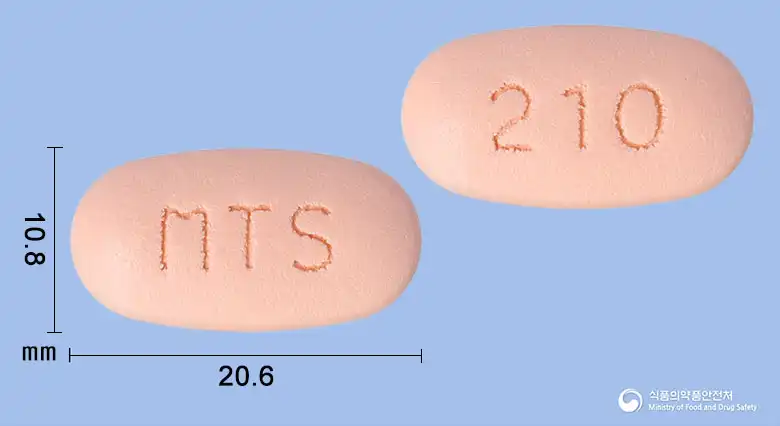 Combination
Teneligliptin Hydrochloride Hydrate 26mg · Metformin Hydrochloride 1000mg
Tablet · Prescription medication · Combination
Mothers Pharmaceutical Co., Ltd.
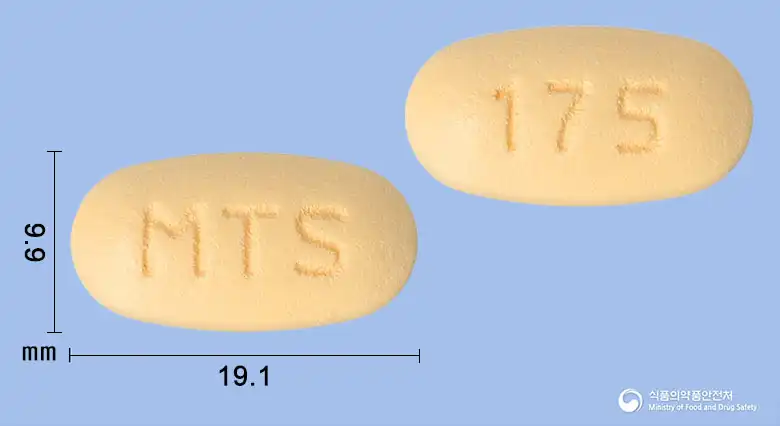 Combination
Teneligliptin Hydrochloride Hydrate 13mg · Metformin Hydrochloride 750mg
Tablet · Prescription medication · Combination
Mothers Pharmaceutical Co., Ltd.
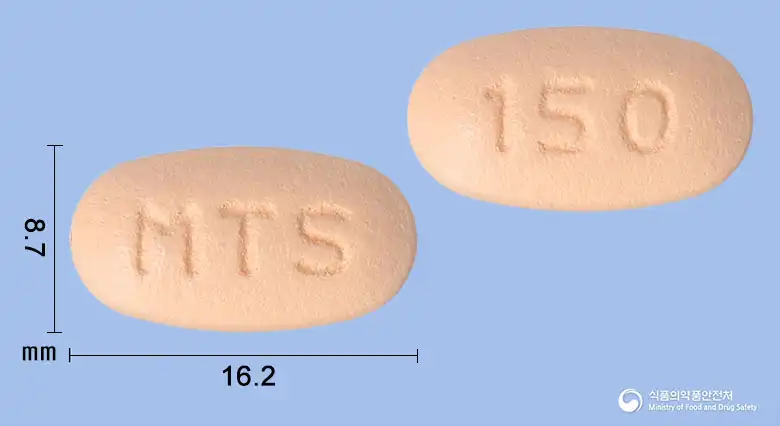 Combination
Teneligliptin Hydrochloride Hydrate 13mg · Metformin Hydrochloride 500mg
Tablet · Prescription medication · Combination
Mothers Pharmaceutical Co., Ltd.
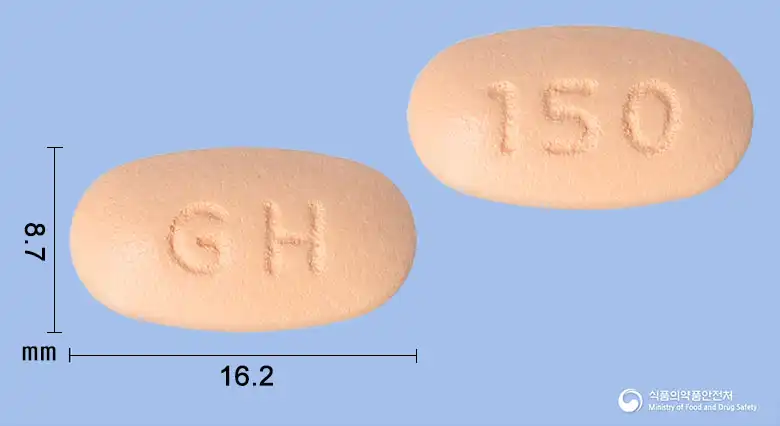 Combination
Teneligliptin Hydrochloride Hydrate 13mg · Metformin Hydrochloride 500mg
Tablet · Prescription medication · Combination
(Yoo) Hanpung Pharmaceutical Co., Ltd.
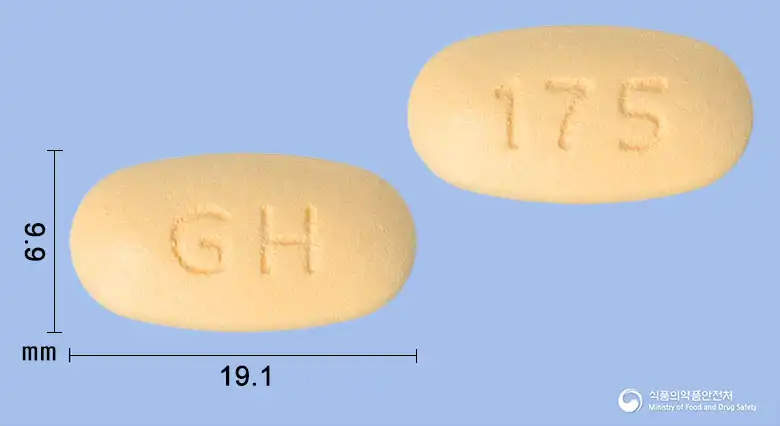 Combination
Teneligliptin Hydrochloride Hydrate 13mg · Metformin Hydrochloride 750mg
Tablet · Prescription medication · Combination
Hanpoong Pharmaceutical Co., Ltd.
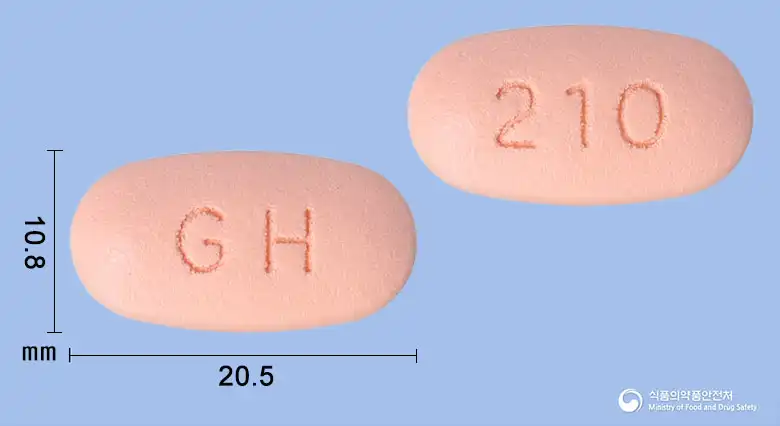 Combination
Teneligliptin Hydrochloride Hydrate 26mg · Metformin Hydrochloride 1000mg
Tablet · Prescription medication · Combination
Hanpung Pharmaceutical Co., Ltd.
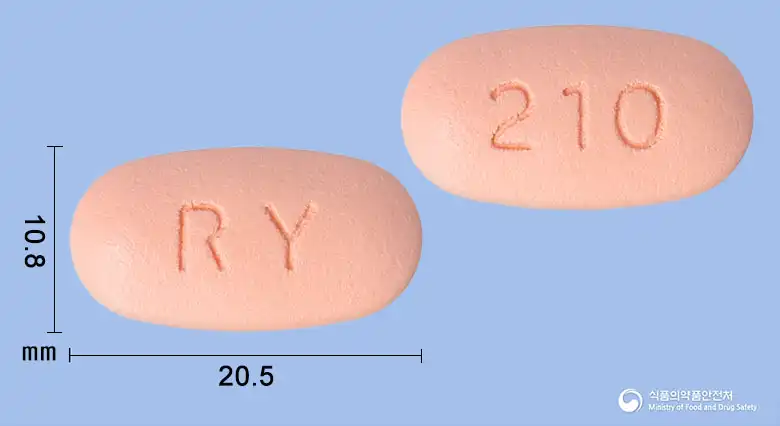 Combination
Teneligliptin Hydrochloride Hydrate 26mg · Metformin Hydrochloride 1000mg
Tablet · Prescription medication · Combination
Iyeon Pharmaceutical Co., Ltd.
Even with the same ingredient, the dose and directions can differ by strength and dosage form. Talk to a doctor or pharmacist before switching from a medication you are already taking.
No questions yet.
For anything that needs medical judgment, consult a doctor or pharmacist.
This drug information is based on data provided by the Korea Ministry of Food and Drug Safety.
Consult a doctor or pharmacist for accurate dosage, administration, and usage instructions.