
 한국어
한국어 English
 日本語
日本語 中文(简体)
 Viewing nowCombination
Jadiwon Duo 5/500 mg
Empagliflozin 5mg · Metformin Hydrochloride 500mg
Tablet · Prescription medication · Combination
Genupharm Co., Ltd.
MFDS item code 202201406 · Approved 2022.04.04 · Insurance code 698004710
Effect on blood sugar control in type 2 diabetes and prevention of cardiovascular events
This medication helps improve blood sugar control in adult patients with type 2 diabetes through the combined administration of empagliflozin and metformin. It is especially used as an adjunct to lifestyle modifications such as diet and exercise. Furthermore, for safety and effectiveness in patients with cardiovascular disease and type 2 diabetes, it is recommended to refer to professional clinical trial information. Overall, this medication plays an important role in improving blood sugar management and diabetes treatment.
The recommended dosage of this medication is 1 tablet once or twice a day. It should be determined in consideration of each patient's current treatment regimen, efficacy, and tolerability without exceeding the maximum recommended daily dosage of empagliflozin 25 mg and metformin 2000 mg. For patients having trouble achieving blood sugar control with metformin alone or in combination with other medications, the dosage is 5 mg of empagliflozin taken twice daily. If tolerability is good, it may increase to 10 mg total daily dose. When switching patients from empagliflozin (total daily dose of 10 mg or 25 mg) and metformin combination therapy to this medication, administer them the current doses of empagliflozin and metformin. When this medication is used in conjunction with sulfonylureas or insulin, consider reducing their doses to minimize the risk of hypoglycemia (please refer to the warnings regarding adverse reactions and interactions). This medication should be taken with meals to reduce gastrointestinal side effects related to metformin. If a dose is missed, it should be taken as soon as remembered. However, one should not take a double dose, and in such cases, skip the missed dose. Special Populations Patients with kidney impairment No dosage adjustment is needed for patients with mild kidney impairment. Because this medication contains metformin, it may be used with dosage adjustment for patients with an estimated glomerular filtration rate (eGFR) of 45-59 ml/min/1.73m2 or creatinine clearance (CrCl) of 45-59 ml/min who do not have additional symptoms that would increase the risk of lactic acidosis. The initial metformin dose in these patients is 500 mg or 850 mg once daily, and initiation should start with individual single doses of empagliflozin and metformin. The maximum allowable daily dose of metformin hydrochloride with this medication is 1000 mg, administered in two doses of 500 mg each. Kidney function should be closely monitored every 3-6 months (please refer to the warnings, regarding patients with special care). If CrCl < 45 ml/min or eGFR < 45 ml/min/1.73m2, this medication must be discontinued immediately (please refer to the warnings regarding patients not to administer). Elders Patients aged 75 years or older should consider the risk of reduced kidney function and fluid volume loss.
This medication is primarily used for diabetes treatment and contains two ingredients that help regulate blood sugar levels. It may lead to a rare side effect known as severe lactic acidosis, which is a dangerous condition caused by excessive accumulation of lactic acid in the body. Patients with impaired kidney function, those with acute infections or dehydration, and those with cardiac diseases such as heart failure or acute myocardial infarction should not use this medication. Pregnant or breastfeeding women should also avoid taking this medication, and it should not be used by individuals allergic to its components. During the use of this medication, caution is needed as it may pose a risk of hypoglycemia when used in combination with other drugs that lower blood sugar. Additionally, since this medication is affected by kidney function, kidney function should be checked before starting and monitored regularly during treatment. Discontinuation of this medication is necessary for a certain period before and after procedures or examinations involving iodinated contrast agents, and it should be restarted only after kidney function has returned to normal. This medication may increase the risk of urinary tract infections or genital infections, so immediate consultation with healthcare providers is necessary if any symptoms of infection appear. Since vitamin B12 levels may decrease, monitoring of vitamin B12 concentrations is needed with long-term use. Alcohol consumption can increase the risk of side effects with this medication, so excessive drinking should be avoided during treatment. Elderly patients or those at risk for fluid loss should use this medication with particular caution, and if hypoglycemic symptoms or adverse reactions occur, they should notify healthcare providers immediately. Furthermore, no special blood sugar testing methods (such as 1,5-AG tests) are recommended during the use of this medication, apart from routine blood sugar control methods. The safety and efficacy of this medication have not been established in children, so it is advisable not to use it in individuals under 18 years of age. In case of overdose, blood dialysis may be required, so it is essential to adhere to the prescribed dosage and keep it out of reach of children.
Hives, severe swelling (edema), chest tightness, difficulty breathing, cold sweat, paleness, severe rash with high fever, blisters, skin peeling, pain in mucous membranes of the mouth/eyes, shortness of breath or difficulty breathing, asthma attack, breathing difficulties accompanied by cough and fever, jaundice (yellowing of skin or eyes), profound lassitude, sudden and severe headache, lightning headache, seizures, loss of consciousness, visual disturbances, paralysis, urination
Nausea, vomiting, diarrhea, abdominal pain, loss of appetite, constipation, taste disturbance, hypoglycemia (when combined with insulin and/or sulfonylureas), urinary tract infection, genital infection, increased urination, itching, rash, increased serum creatinine, thirst, headache, dizziness, insomnia, weight loss, weight gain, increase in blood pressure, musculoskeletal pain, fever, weakness, fatigue, facial and peripheral edema, shortness of breath, cough, nosebleeds, allergic rhinitis,
Not everyone experiences these, and they can vary from person to person.
This medication is sensitive to air and moisture, so it is important to store it in a sealed container. The storage temperature should be maintained between 1 degree and 30 degrees Celsius at room temperature, avoiding direct sunlight and placing it in a cool place.
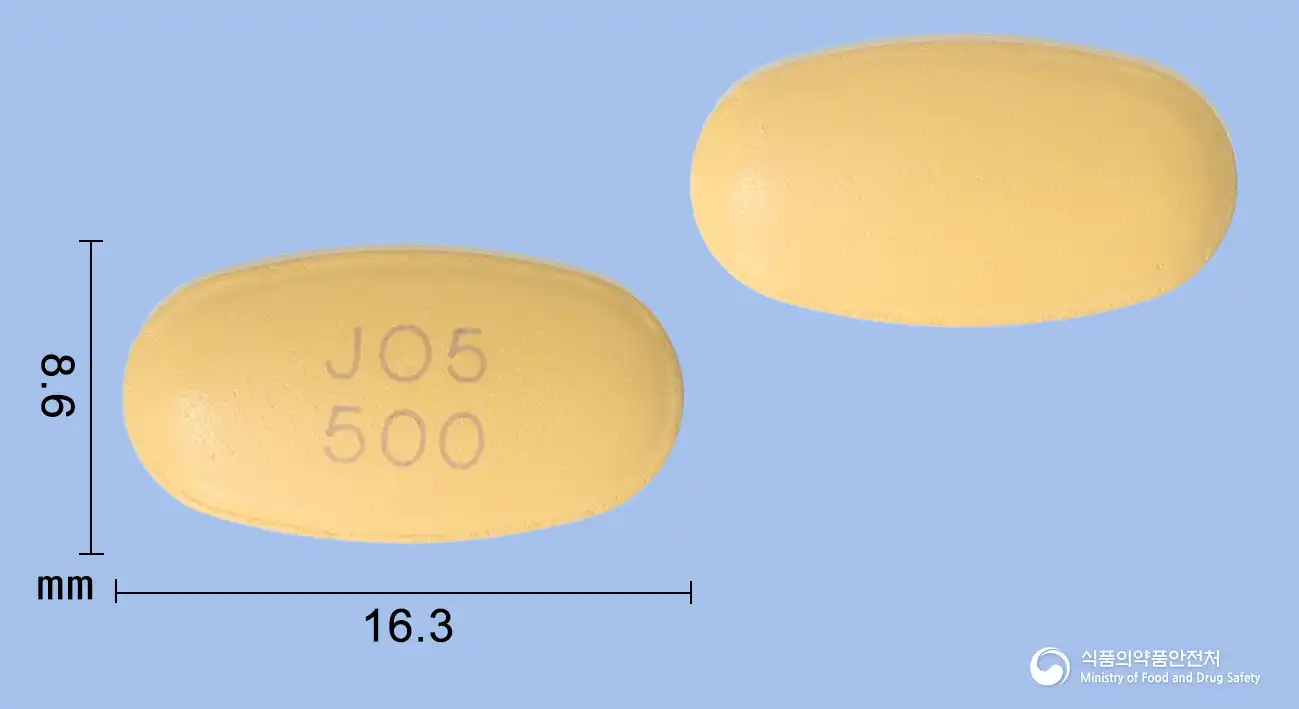
Orange-yellow, bilaterally convex, oval film-coated tablet
60 tablets/bottle, 30 tablets/bottle, 60 tablets/box [(10 tablets/PTP x 6)], 10 tablets/box [(10 tablets/PTP x 1)]
Even with the same ingredient, strength, dosage form and how it is taken can differ.
Viewing nowCombinationEmpagliflozin 5mg · Metformin Hydrochloride 500mg
Tablet · Prescription medication · Combination
Genupharm Co., Ltd.
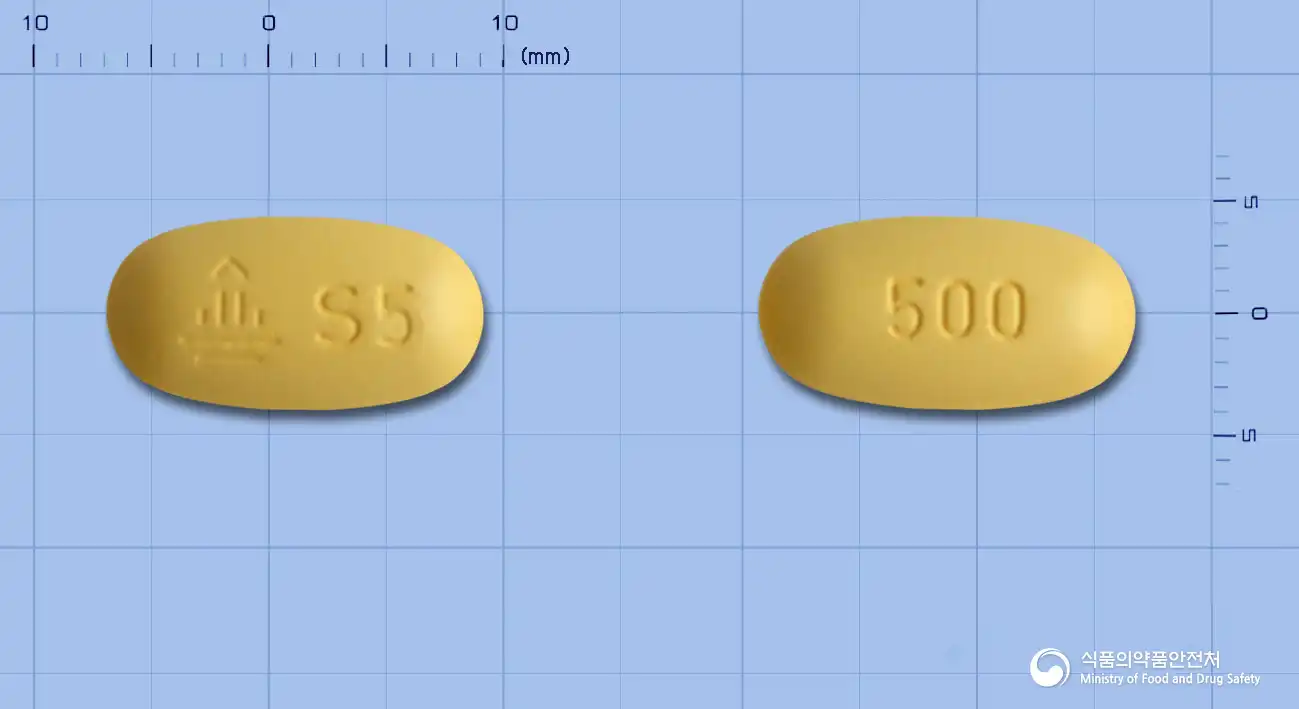 Combination
Empagliflozin 5mg · Metformin Hydrochloride 500mg
Tablet · Prescription medication · Combination
Boehringer Ingelheim Korea Co., Ltd.
 Combination
Empagliflozin 5mg · Metformin Hydrochloride 850mg
Tablet · Prescription medication · Combination
Boehringer Ingelheim Korea Co., Ltd.
 Combination
Empagliflozin 5mg · Metformin Hydrochloride 1000mg
Tablet · Prescription medication · Combination
Boehringer Ingelheim Korea Co., Ltd.
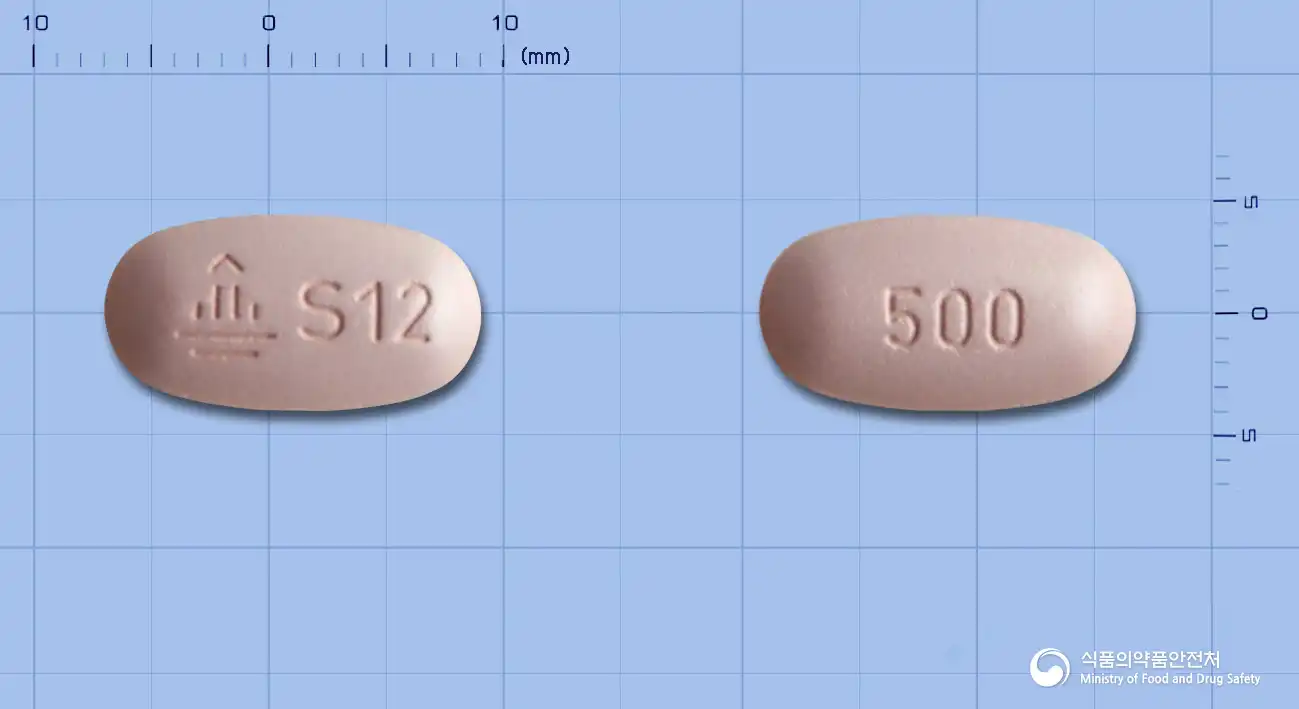 Combination
Empagliflozin 12.5mg · Metformin Hydrochloride 500mg
Tablet · Prescription medication · Combination
Boehringer Ingelheim Korea Co., Ltd.
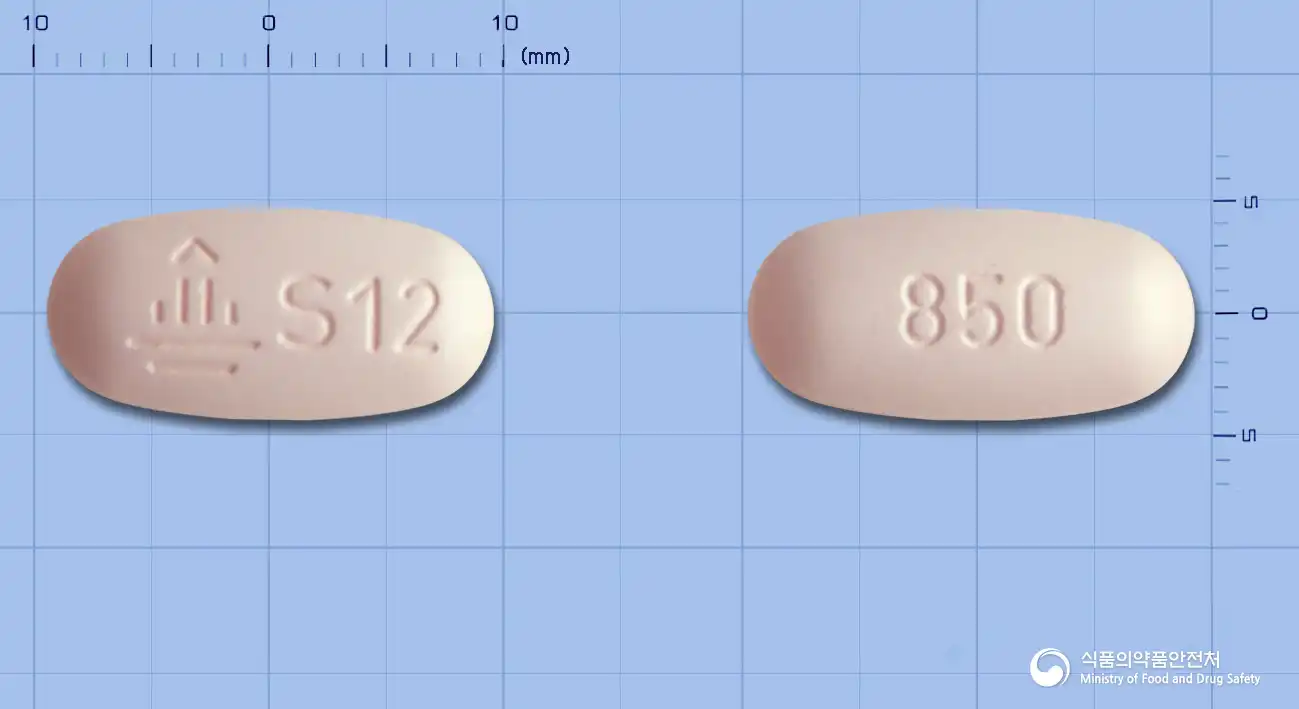 Combination
Empagliflozin 12.5mg · Metformin Hydrochloride 850mg
Tablet · Prescription medication · Combination
Boehringer Ingelheim Korea Co., Ltd.
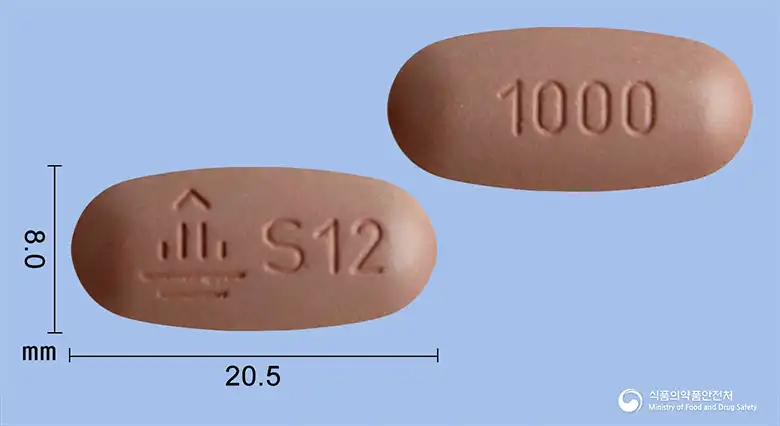 Combination
Empagliflozin 12.5mg · Metformin Hydrochloride 1000mg
Tablet · Prescription medication · Combination
Boehringer Ingelheim Korea Co., Ltd.
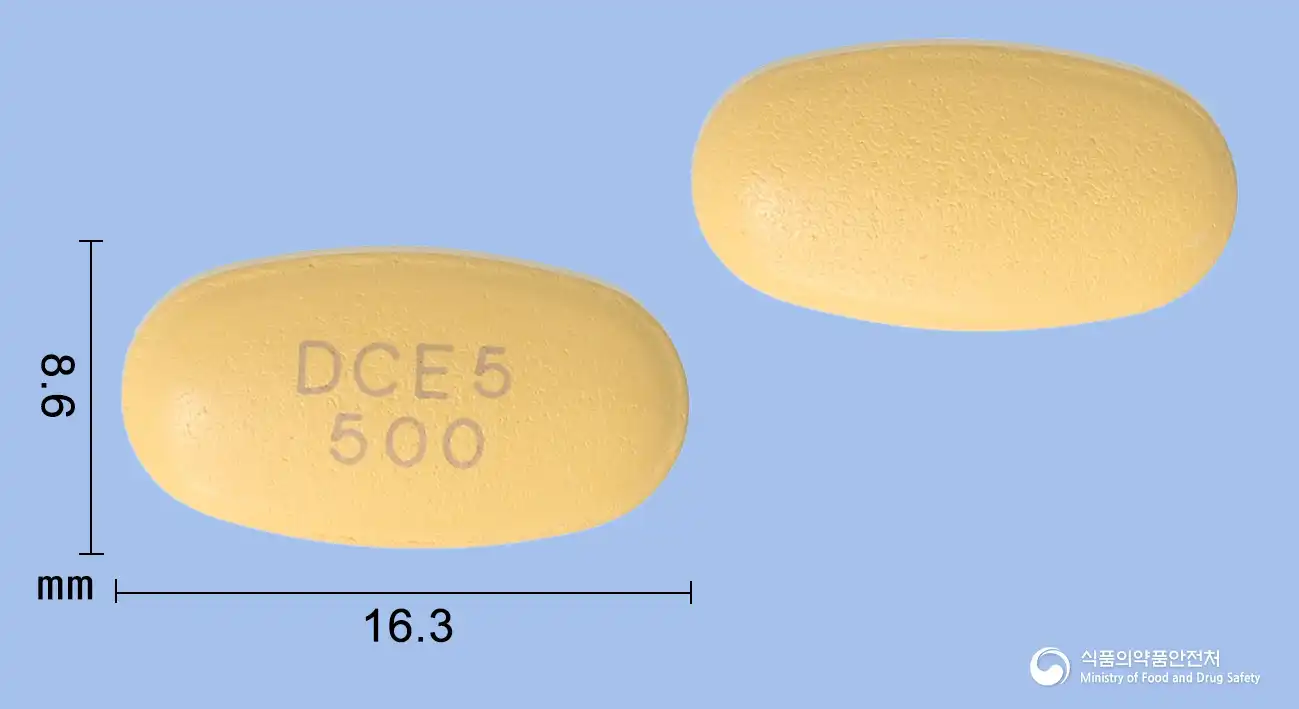 Combination
Empagliflozin 5mg · Metformin Hydrochloride 500mg
Tablet · Prescription medication · Combination
Donggu Bio Pharmaceutical Co., Ltd.
Even with the same ingredient, the dose and directions can differ by strength and dosage form. Talk to a doctor or pharmacist before switching from a medication you are already taking.
No questions yet.
For anything that needs medical judgment, consult a doctor or pharmacist.
This drug information is based on data provided by the Korea Ministry of Food and Drug Safety.
Consult a doctor or pharmacist for accurate dosage, administration, and usage instructions.