
 한국어
한국어 English
 日本語
日本語 中文(简体)
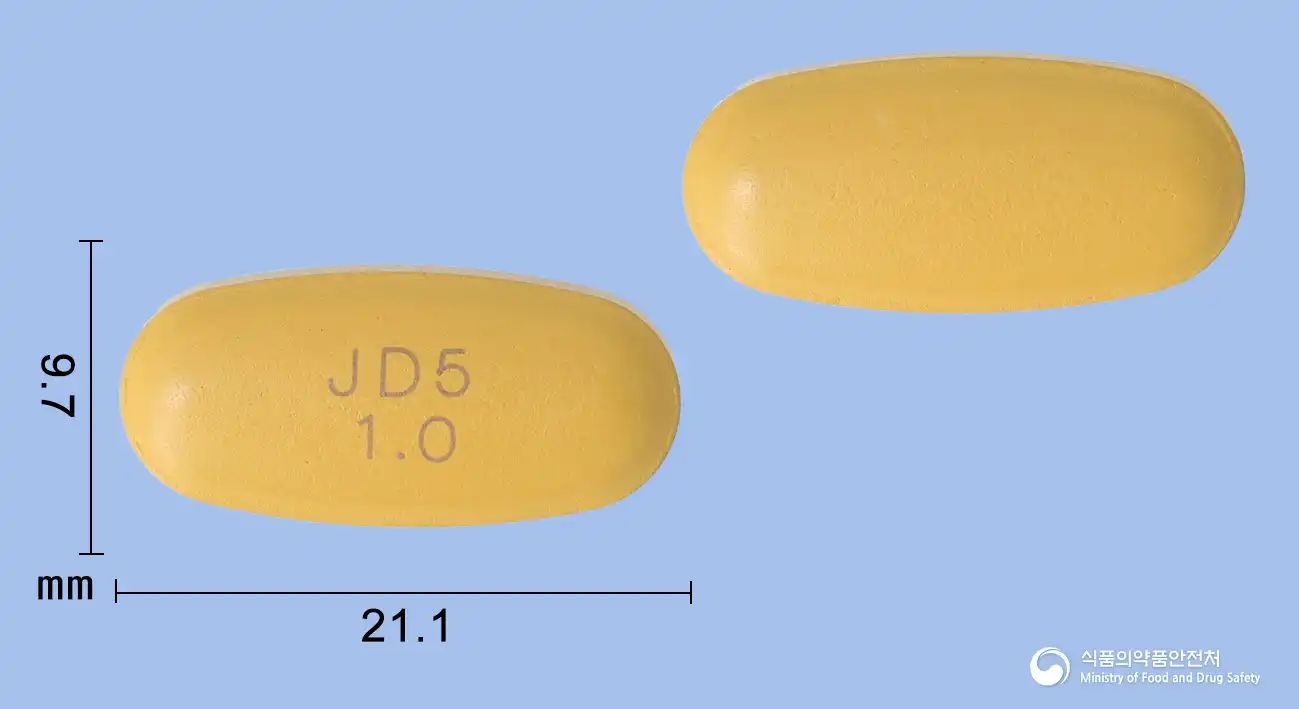 Viewing nowCombination
Jadiflozin M Tablet 5/1000 mg (Empagliflozin, Metformin Hydrochloride)
Empagliflozin 5mg · Metformin Hydrochloride 1000mg
Tablet · Prescription medication · Combination
Youngpoong Pharmaceutical Co., Ltd.
MFDS item code 202201354 · Approved 2022.04.04 · Insurance code 661905700
Blood glucose control in type 2 diabetes and prevention of cardiovascular events
This medication is used to help control blood glucose levels in adults with type 2 diabetes when empagliflozin and metformin are administered in combination. It particularly aids in effective blood glucose management alongside dietary and exercise therapy. This medication may also be used in adult type 2 diabetes patients with cardiovascular disease whose blood glucose is poorly controlled, but should be used cautiously following expert clinical trial information. Overall, this medication is useful for improving blood glucose control in patients with type 2 diabetes.
The recommended dosage for this medication is 1 tablet once, twice a day. The dosage should not exceed empagliflozin 25 mg and metformin 2000 mg per day, considering each patient's current treatment regimen, efficacy, and tolerance. If blood glucose control is inadequate, administer empagliflozin 5 mg twice a day (a total of 10 mg per day) alongside the current metformin dosage. If tolerance is good, the dosage can be increased to empagliflozin 25 mg per day.
This medication helps manage blood glucose levels. While taking this medication, there may be a risk of a rare side effect known as severe lactic acidosis. Lactic acidosis can lead to excessive lactate buildup in the body and can be dangerous, so if symptoms occur, consult a physician immediately. Additionally, hypoglycemia may occur when taken alongside insulin or other diabetes medications, so blood glucose levels should be monitored frequently. This medication should not be taken by patients with severely impaired kidney function, acute infections, dehydration, or severe cardiac issues. If iodine contrast is administered for radiological examinations, this medication should be paused for a certain period before and after the test, and it should only be resumed after confirming normal kidney function. It is safest for pregnant or nursing women to avoid this medication. Elderly patients or those with impaired kidney function should undergo kidney function tests before taking this medication and have their kidney function monitored regularly. This medication may increase urination and raise the risk of urinary tract infections or genital infections, so inform a physician immediately if related symptoms occur. Sufficient hydration is necessary due to the risk of dehydration or hypotension while taking this medication, and if there are severe diarrhea or vomiting, the medication should be temporarily paused and a physician consulted. Vitamin B12 levels may decrease over time, so it's advisable to monitor vitamin B12 status with blood tests if taken for an extended period. Alcohol consumption may increase the risk of side effects from this medication, so it is advisable to avoid excessive drinking during treatment. Specific blood glucose tests (such as 1,5-AG tests) are not recommended to accurately assess blood glucose control during medication use. If symptoms of hypoglycemia occur, consume sugar immediately, and if symptoms are severe, visit a medical institution. Patients scheduled for surgery should stop taking this medication 48 hours before surgery and should only resume after confirming normal kidney function post-surgery. This medication is not recommended for children and may require dose adjustments for the elderly. In the case of overdose, professional treatment such as dialysis may be necessary, so it's crucial to adhere to the prescribed doses.
Not everyone experiences these, and they can vary from person to person.
Store this medication in a closed container to protect it from air and moisture. It is advisable to maintain a storage temperature between 1 to 30 degrees Celsius at room temperature. This will help preserve the medication's effectiveness and safety over time.
Yellow, biconvex, oval film-coated tablet with a brown hue.
10 tablets/box (10 tablets/PTP x 1), 60 tablets/box (10 tablets/PTP x 6), 30 tablets/bottle, 60 tablets/bottle
Even with the same ingredient, strength, dosage form and how it is taken can differ.
Viewing nowCombinationEmpagliflozin 5mg · Metformin Hydrochloride 1000mg
Tablet · Prescription medication · Combination
Youngpoong Pharmaceutical Co., Ltd.
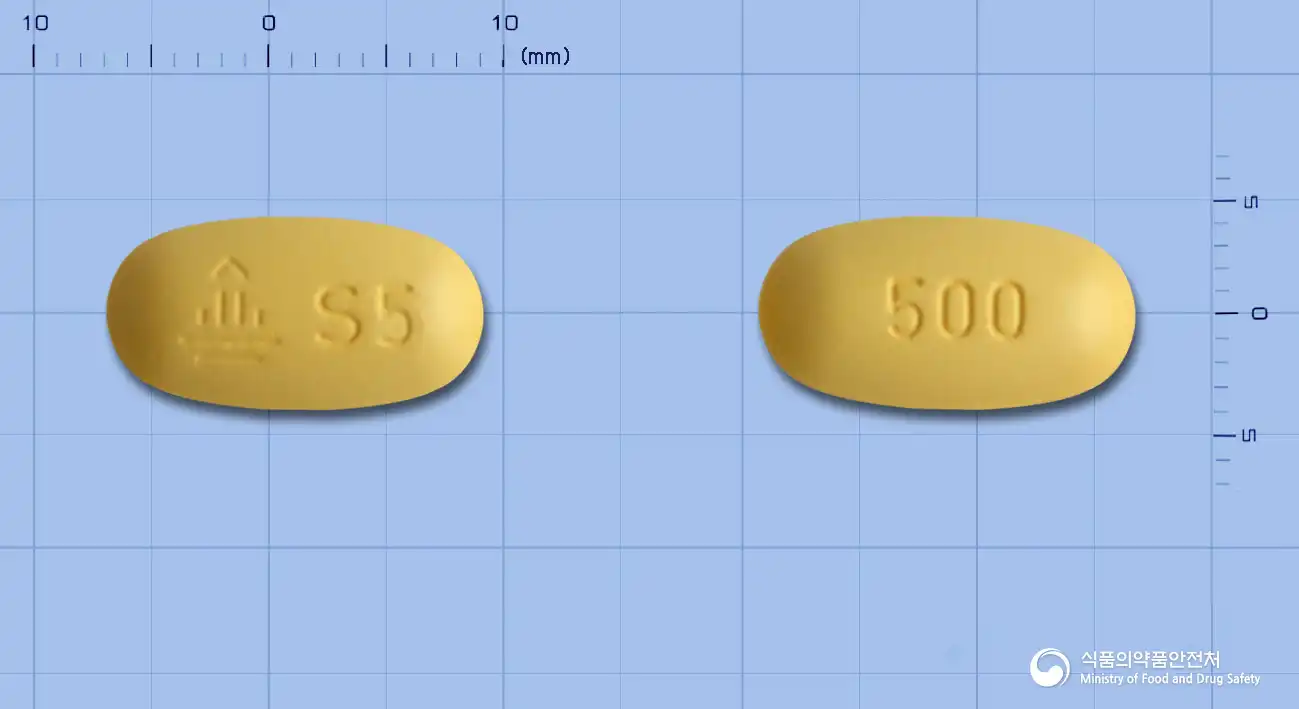 Combination
Empagliflozin 5mg · Metformin Hydrochloride 500mg
Tablet · Prescription medication · Combination
Boehringer Ingelheim Korea Co., Ltd.
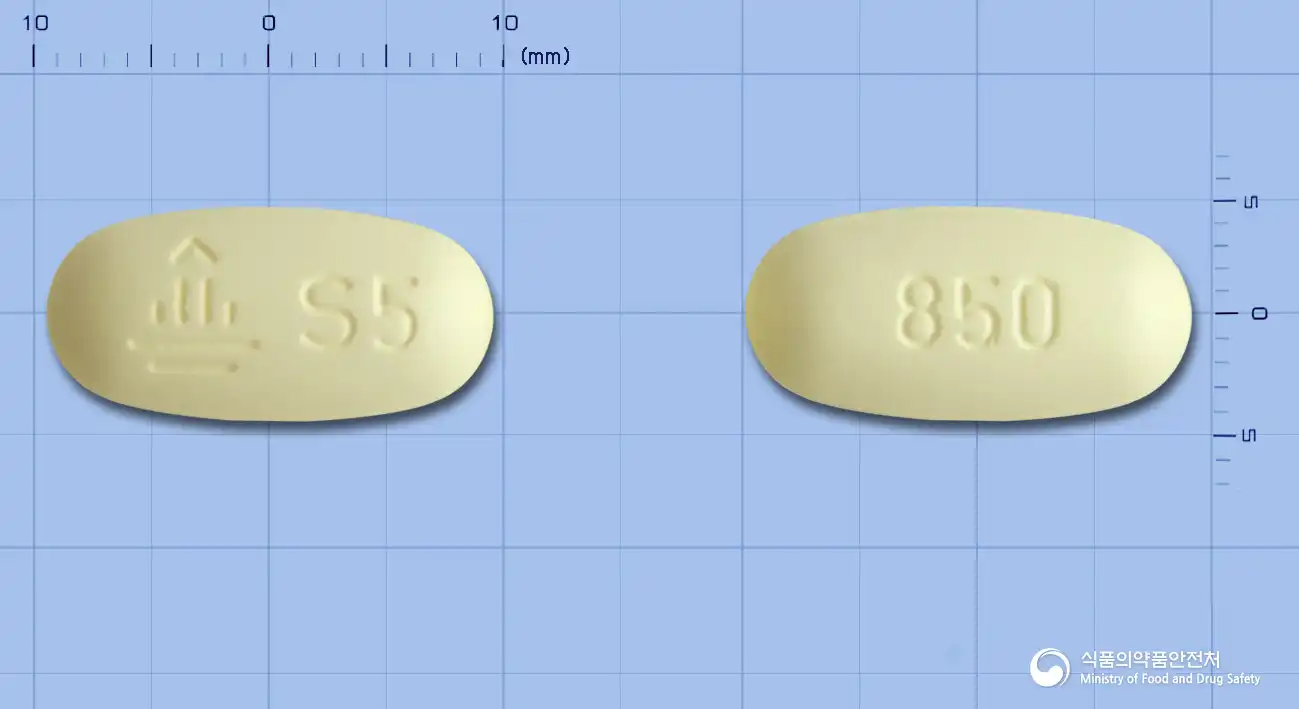 Combination
Empagliflozin 5mg · Metformin Hydrochloride 850mg
Tablet · Prescription medication · Combination
Boehringer Ingelheim Korea Co., Ltd.
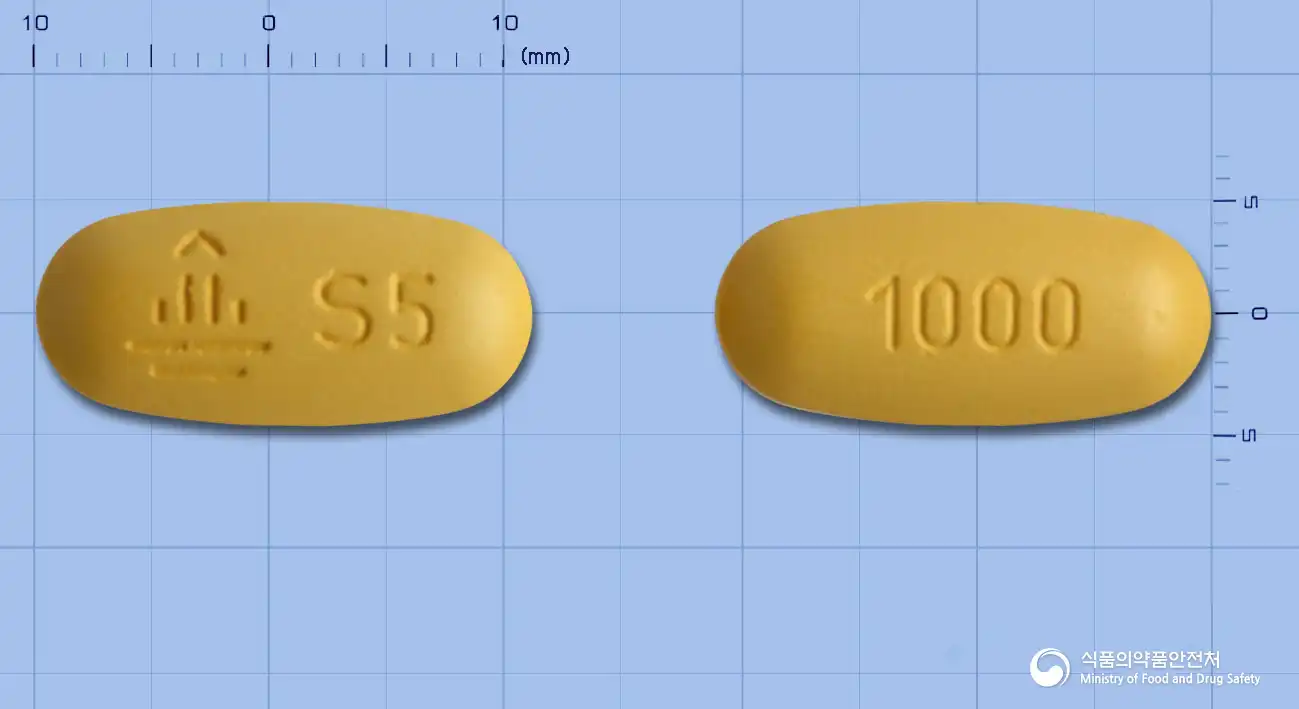 Combination
Empagliflozin 5mg · Metformin Hydrochloride 1000mg
Tablet · Prescription medication · Combination
Boehringer Ingelheim Korea Co., Ltd.
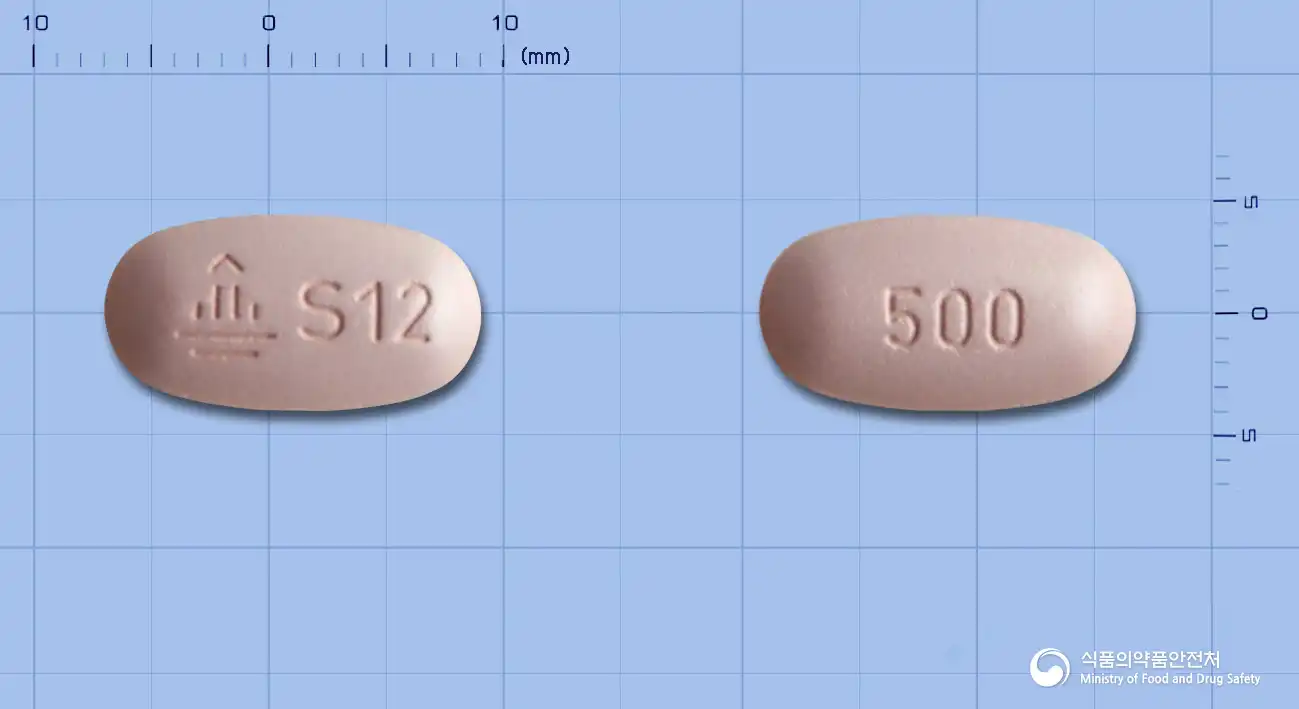 Combination
Empagliflozin 12.5mg · Metformin Hydrochloride 500mg
Tablet · Prescription medication · Combination
Boehringer Ingelheim Korea Co., Ltd.
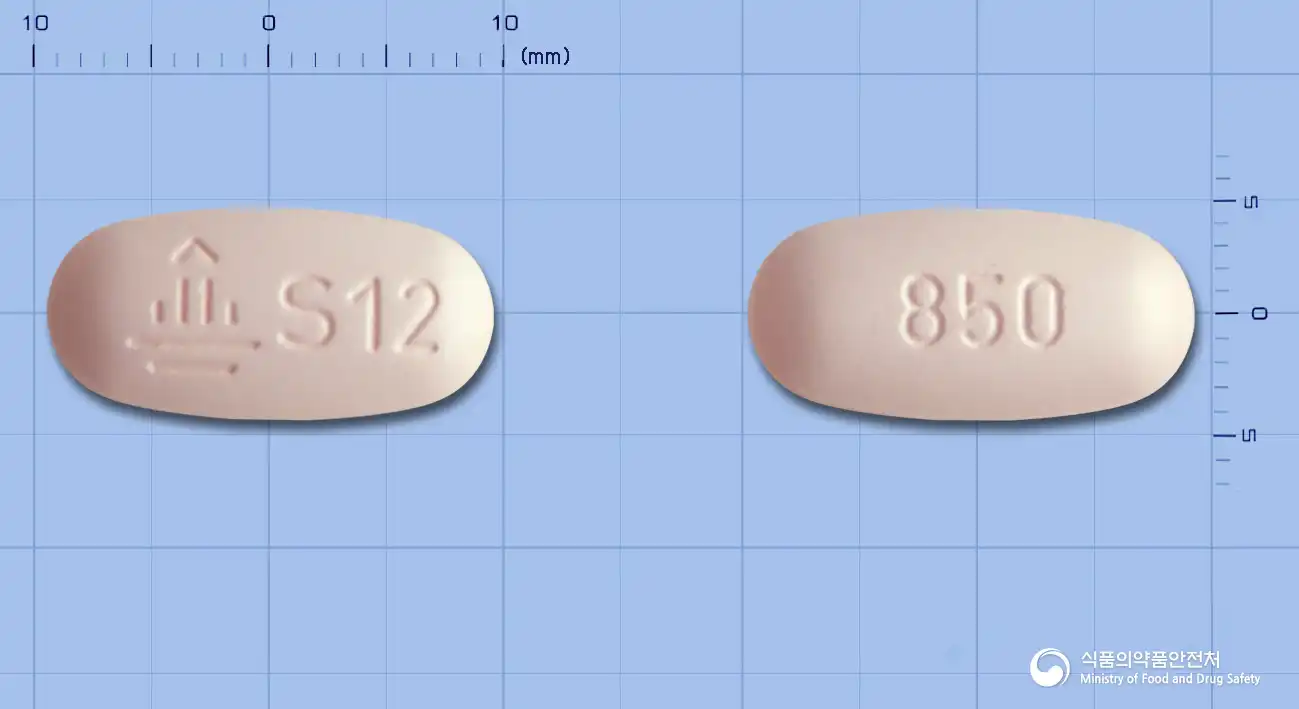 Combination
Empagliflozin 12.5mg · Metformin Hydrochloride 850mg
Tablet · Prescription medication · Combination
Boehringer Ingelheim Korea Co., Ltd.
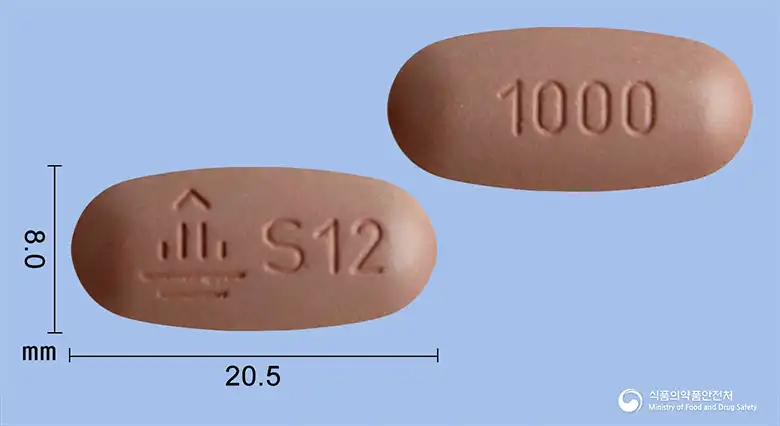 Combination
Empagliflozin 12.5mg · Metformin Hydrochloride 1000mg
Tablet · Prescription medication · Combination
Boehringer Ingelheim Korea Co., Ltd.
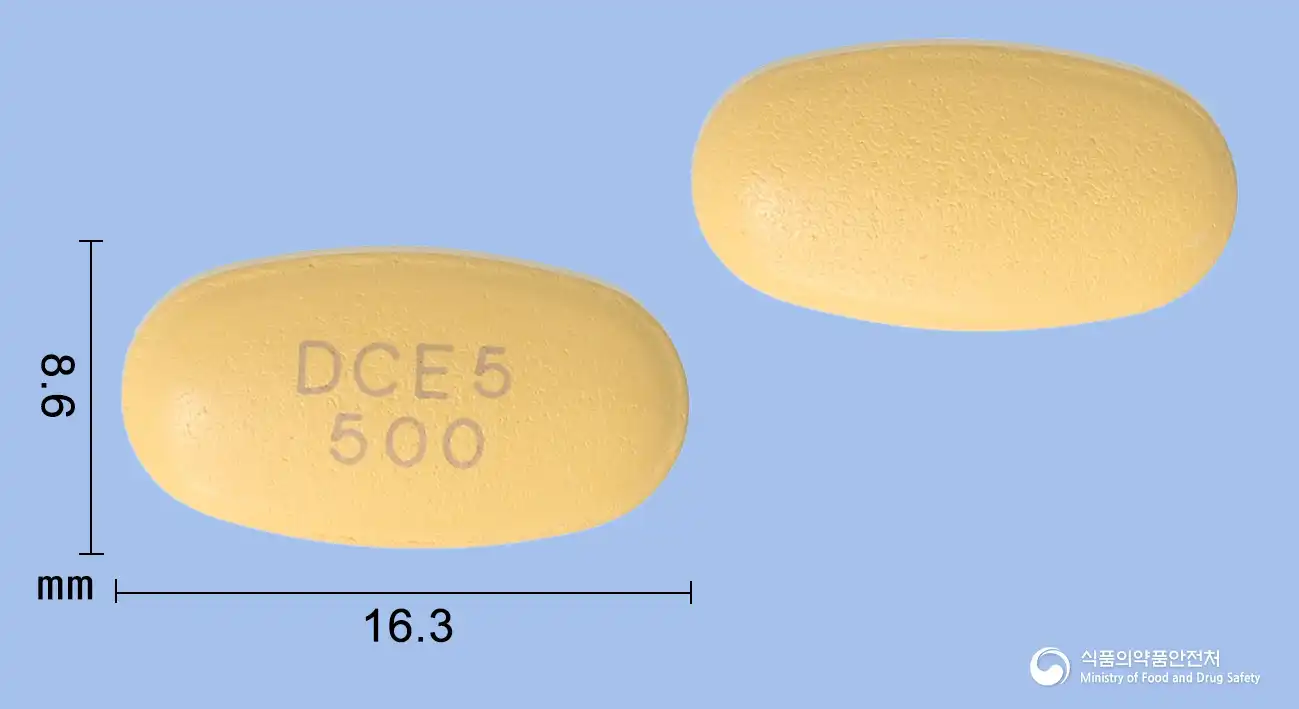 Combination
Empagliflozin 5mg · Metformin Hydrochloride 500mg
Tablet · Prescription medication · Combination
Donggu Bio Pharmaceutical Co., Ltd.
Even with the same ingredient, the dose and directions can differ by strength and dosage form. Talk to a doctor or pharmacist before switching from a medication you are already taking.
No questions yet.
For anything that needs medical judgment, consult a doctor or pharmacist.
This drug information is based on data provided by the Korea Ministry of Food and Drug Safety.
Consult a doctor or pharmacist for accurate dosage, administration, and usage instructions.