Medication info
Emplozin Duo Tablet 5/850 mg (Empagliflozin, Metformin Hydrochloride)

Emplozin Duo Tablet 5/850 mg (Empagliflozin, Metformin Hydrochloride)

Prescription medicationTabletOral
Ingredient · strength
Empagliflozin›5mg / 1 tabletMetformin Hydrochloride›850mg / 1 tablet
Manufacturer / importer
FarmGen Science Co., Ltd.
Appearance
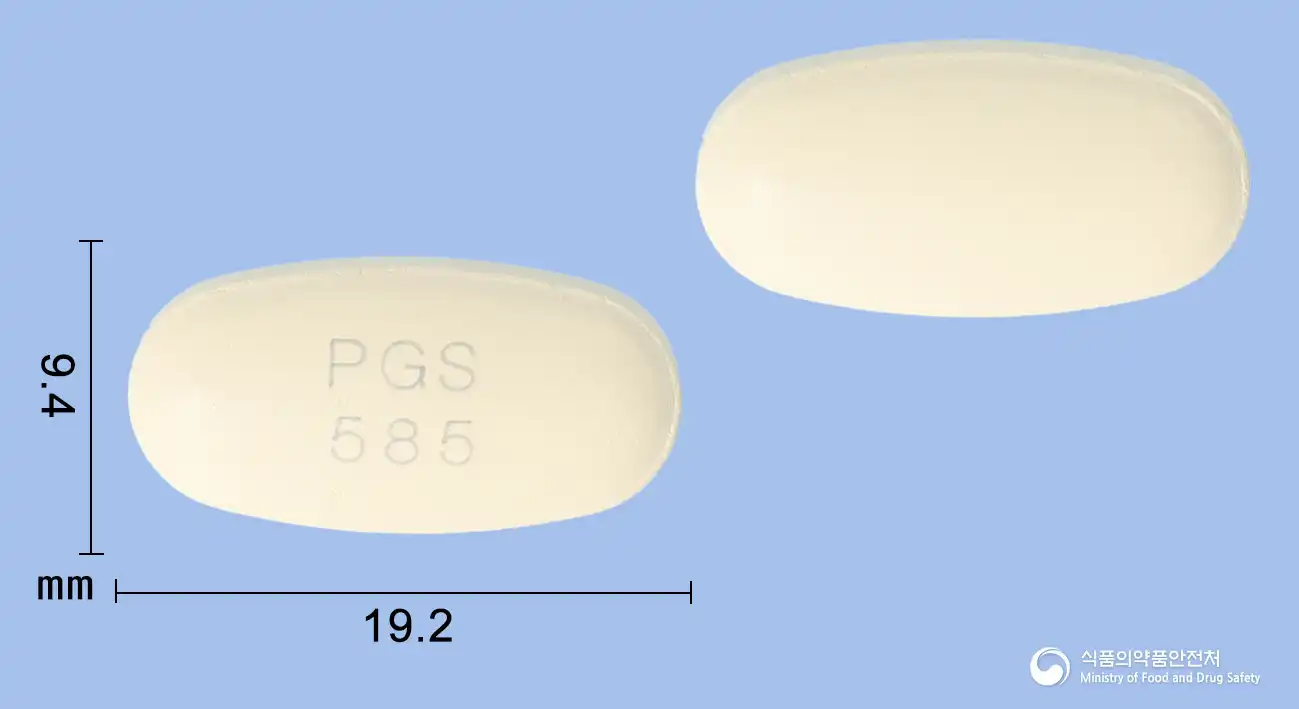
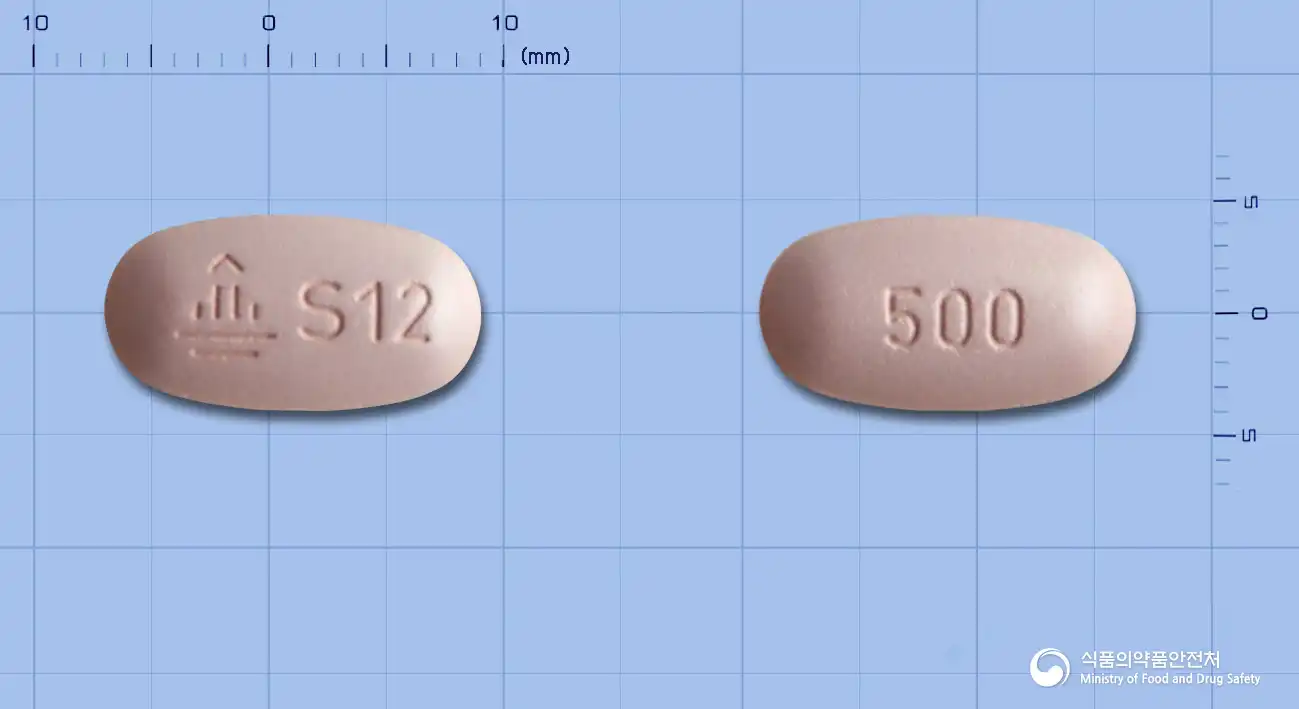
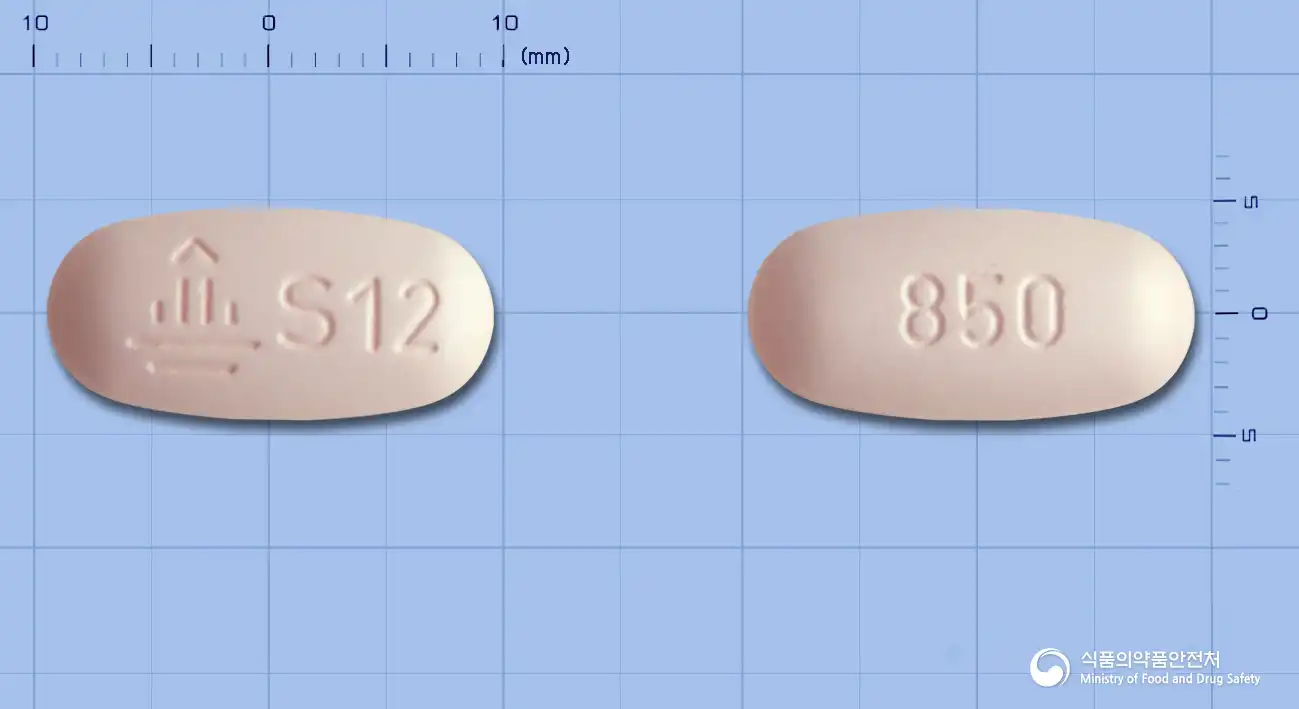
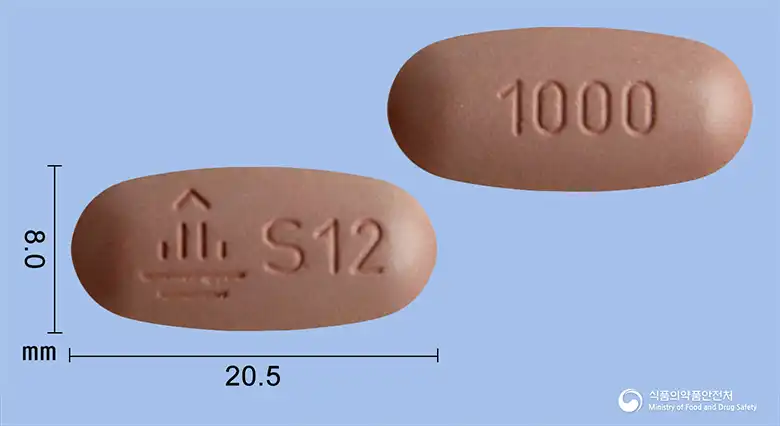
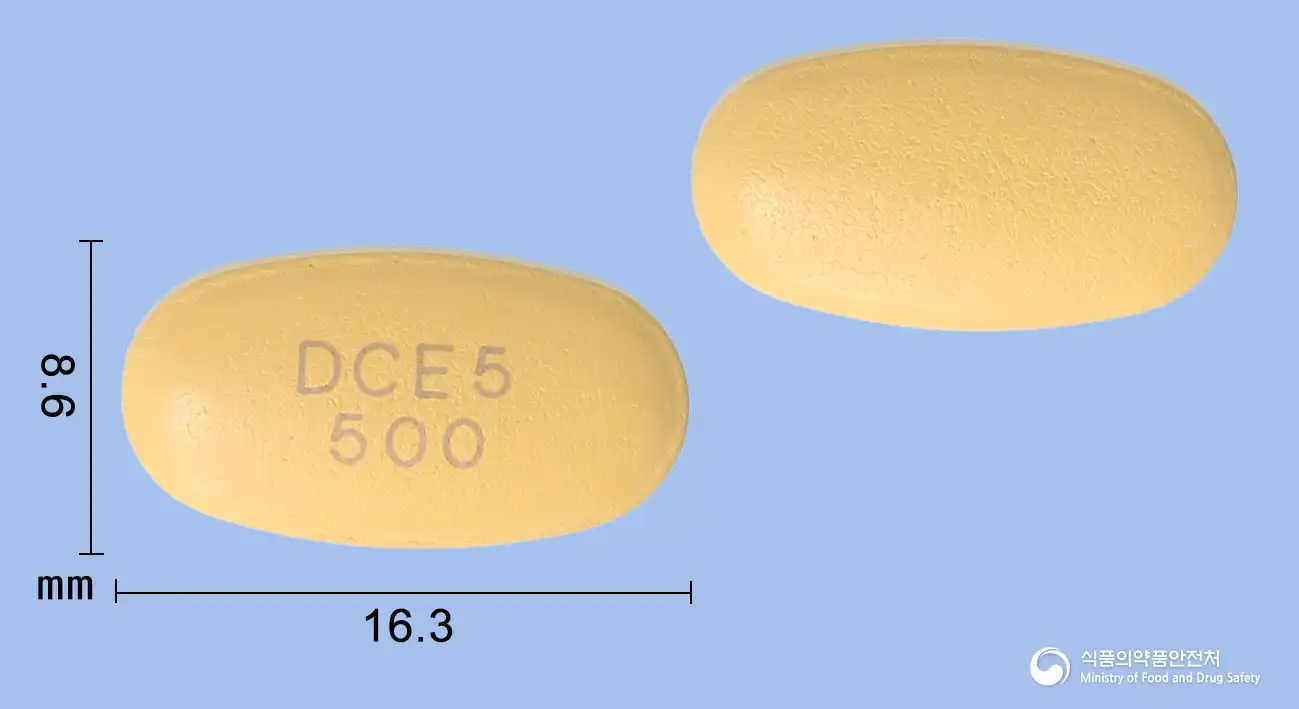
White film-coated tablet with a yellowish hue, oval shape, and double convex surface
Packaging
10 tablets/box [(10 tablets/PTP x 1)], 60 tablets/box [(10 tablets/PTP x 6)], 60 tablets/bottle, 30 tablets/bottle
Approval status
Active

MFDS item code 202201347 · Approved 2022.04.04 · Insurance code 670105340

Summary

Main use
Improvement of glycemic control in adults with type 2 diabetes mellitus
Who takes it
Adults
Adult dose
The recommended dose of this medicine is 1 tablet twice daily. The dose should be determined based on each patient's current treatment regimen, efficacy, and tolerability, without exceeding the maximum recommended daily doses of each component: empagliflozin 25 mg and metformin 2000 mg. ⦁ For patients whose blood glucose is not adequately controlled with metformin alone or in combination with other medicines such as insulin, the recommended dose is empagliflozin 5 mg twice daily (total daily dose 10 mg) and the patient's current metformin dose. If empagliflozin 10 mg (total daily dose) is well tolerated and additional glycemic control is needed, the dose may be increased to empagliflozin 25 mg (total daily dose). ⦁ Patients switching to this medicine from combination therapy with empagliflozin (total daily dose 10 mg or 25 mg) and metformin should receive their previous doses of empagliflozin and metformin. When this medicine is used concomitantly with a sulfonylurea or insulin, a reduction in the dose of the sulfonylurea or insulin may be considered to reduce the risk of hypoglycemia (see Precautions for Use, 4. Adverse Reactions and 6. Interactions). This medicine should be taken with meals to reduce gastrointestinal adverse reactions associated with metformin. If you miss a dose, take it as soon as you remember. However, do not take twice the dose at one time; in this case, skip the missed dose. Special Populations Patients with Renal Impairment No dose adjustment is required for patients with mild renal impairment. Because this medicine contains metformin, it may be used with dose adjustment in patients with an estimated glomerular filtration rate (eGFR) of 45-59 ml/min/1.73m2 or a CrCl of 45-59 ml/min who have no other condition that may increase the risk of lactic acidosis. In these patients, the starting dose of metformin is 500 mg or 850 mg once daily, so treatment should be initiated with the individual single-ingredient products empagliflozin and metformin. The maximum daily dose of metformin hydrochloride that may be administered with this medicine is 1000 mg, which may be given as 500 mg twice daily. Renal function should be carefully monitored every 3-6 months (see Precautions for Use, 3. Patients Requiring Caution, item 1)). If renal function declines to CrCl < 45 ml/min or eGFR < 45 ml/min/1.73m2, discontinue this medicine immediately (see Precautions for Use, 2. Do not administer to the following patients, item 2)). Elderly Patients In patients aged 75 years or older, consider renal function and the risk of volume depletion.

Ingredients

Manufacturer
FarmGen Science Co., Ltd.

Efficacy & effects

Improvement of glycemic control in adults with type 2 diabetes mellitus

  • Type 2 diabetes with difficult blood sugar control
  • cardiovascular disease
View approved original text

This drug is used as an adjunct treatment to diet and exercise to improve blood sugar control in adults with type 2 diabetes. It is specifically administered to patients whose blood sugar is not adequately controlled by combining Empagliflozin and Metformin. Additionally, for patients with confirmed cardiovascular disease, attention to the impact on cardiovascular events should be taken into account per expert guidance. Thus, this drug improves blood sugar control and aids in diabetes treatment.

How to take

Adult dose

The recommended dose of this medicine is 1 tablet twice daily. The dose should be determined based on each patient's current treatment regimen, efficacy, and tolerability, without exceeding the maximum recommended daily doses of each component: empagliflozin 25 mg and metformin 2000 mg. ⦁ For patients whose blood glucose is not adequately controlled with metformin alone or in combination with other medicines such as insulin, the recommended dose is empagliflozin 5 mg twice daily (total daily dose 10 mg) and the patient's current metformin dose. If empagliflozin 10 mg (total daily dose) is well tolerated and additional glycemic control is needed, the dose may be increased to empagliflozin 25 mg (total daily dose). ⦁ Patients switching to this medicine from combination therapy with empagliflozin (total daily dose 10 mg or 25 mg) and metformin should receive their previous doses of empagliflozin and metformin. When this medicine is used concomitantly with a sulfonylurea or insulin, a reduction in the dose of the sulfonylurea or insulin may be considered to reduce the risk of hypoglycemia (see Precautions for Use, 4. Adverse Reactions and 6. Interactions). This medicine should be taken with meals to reduce gastrointestinal adverse reactions associated with metformin. If you miss a dose, take it as soon as you remember. However, do not take twice the dose at one time; in this case, skip the missed dose. Special Populations Patients with Renal Impairment No dose adjustment is required for patients with mild renal impairment. Because this medicine contains metformin, it may be used with dose adjustment in patients with an estimated glomerular filtration rate (eGFR) of 45-59 ml/min/1.73m2 or a CrCl of 45-59 ml/min who have no other condition that may increase the risk of lactic acidosis. In these patients, the starting dose of metformin is 500 mg or 850 mg once daily, so treatment should be initiated with the individual single-ingredient products empagliflozin and metformin. The maximum daily dose of metformin hydrochloride that may be administered with this medicine is 1000 mg, which may be given as 500 mg twice daily. Renal function should be carefully monitored every 3-6 months (see Precautions for Use, 3. Patients Requiring Caution, item 1)). If renal function declines to CrCl < 45 ml/min or eGFR < 45 ml/min/1.73m2, discontinue this medicine immediately (see Precautions for Use, 2. Do not administer to the following patients, item 2)). Elderly Patients In patients aged 75 years or older, consider renal function and the risk of volume depletion.

Precautions

This drug helps control blood sugar. However, there are several precautions to consider before using this medication. First, this medication can very rarely cause a serious condition called lactic acidosis. Lactic acidosis results from excessive accumulation of lactic acid in the body and can be life-threatening if untreated. Second, this medication may cause symptoms of hypoglycemia, or excessively low blood sugar, when used with other diabetes medications, so caution is required. Third, patients with moderate or severe renal impairment or specific conditions such as acute kidney problems, severe infections, heart failure, or diabetic ketoacidosis should not use this drug. Fourth, the intake of this drug should be temporarily discontinued before and after surgery or imaging tests using iodine contrast agents, and should be resumed only after confirming normal kidney function. Fifth, this drug should be used with caution in patients with dehydration, cardiovascular issues, or liver dysfunction, and excessive alcohol consumption should be avoided. Sixth, kidney function should be regularly monitored during treatment with this drug, particularly in older adults or those with impaired kidney function. Seventh, this drug may increase the risk of urinary tract infections or genital infections, so medical consultation should be sought immediately if symptoms of infection occur. Eighth, because vitamin B12 levels may decrease, checking vitamin B12 levels is advisable during long-term usage. Ninth, women who are pregnant or may become pregnant, and breastfeeding women should not use this medication. Finally, if symptoms of hypoglycemia, lactic acidosis, or infection occur while taking this drug, consult a physician immediately, and do not arbitrarily stop or change the medication.

Side effects

  • Hypoglycemia
  • urinary tract infection
  • genital infection
  • increased urination
  • nausea
  • vomiting
  • diarrhea
  • abdominal pain
  • loss of appetite
  • constipation
Show 257 more
  • abnormal liver function tests
  • hepatitis
  • altered taste
  • itching
  • rash
  • hives
  • erythema vascular edema
  • dysuria
  • interstitial nephritis
  • thirst
  • increased serum lipids
  • increased serum creatinine
  • decreased glomerular filtration rate
  • increased hematocrit
  • ketoacidosis
  • lactic acidosis
  • decreased fluid volume
  • perineal necrosis
  • vulvovaginitis
  • balanitis
  • hypotension
  • dehydration
  • low blood pressure
  • decreased blood volume
  • orthostatic hypotension
  • syncope
  • chronic gastritis
  • cerebral infarction
  • soft tissue infection
  • pneumonia
  • ankle fracture
  • epicondylitis
  • facial bone fracture
  • musculoskeletal pain
  • myocardial infarction
  • urosepsis
  • pyelonephritis
  • constipation
  • gastritis
  • abdominal discomfort
  • anal incontinence
  • dry mouth
  • gastrointestinal disorder
  • gastroesophageal reflux disease
  • oral discomfort
  • salivary gland pain
  • headache
  • sensory impairment
  • positional vertigo
  • dizziness
  • asthenia
  • chest discomfort
  • chest pain
  • fever
  • facial swelling
  • chills
  • strange feeling
  • edema
  • pain
  • pain at the puncture site
  • vascular stent stenosis
  • vascular stent thrombosis
  • increased alanine aminotransferase
  • increased aspartate aminotransferase
  • weight loss
  • vulvar pruritus
  • benign prostatic hyperplasia
  • diabetic retinopathy
  • diplopia
  • hypertension
  • insomnia
  • diarrhea
  • nausea
  • gastric ulcer
  • colitis
  • ischemic colitis
  • colonic hemorrhage
  • appendiceal abscess
  • appendicitis
  • meningitis
  • chronic otitis media
  • peritonsillar abscess
  • pulmonary tuberculosis
  • sepsis
  • subcutaneous abscess
  • tubal-ovarian abscess
  • vestibular neuritis
  • headache
  • cerebral infarction
  • intracranial aneurysm
  • fever
  • vascular stent stenosis
  • vascular stent thrombosis
  • increased alanine aminotransferase
  • increased aspartate aminotransferase
  • diarrhea
  • dyspepsia
  • abdominal pain
  • gastritis
  • gastrointestinal disorder
  • upper respiratory tract infection
  • bronchitis
  • chronic sinusitis
  • gastroenteritis
  • Helicobacter infection
  • periodontitis
  • chronic tonsillitis
  • conjunctivitis
  • influenza
  • laryngitis
  • chronic otitis media
  • paronychia
  • peritonsillar abscess
  • pneumonia
  • pulmonary tuberculosis
  • sepsis
  • subcutaneous abscess
  • tinea corporis
  • dental abscess
  • tubal-ovarian abscess
  • vestibular neuritis
  • nasopharyngitis
  • upper respiratory tract infection
  • periodontitis
  • dental abscess
  • positional vertigo
  • sensory impairment
  • perceptual disturbances
  • amnesia
  • carotid stenosis
  • diabetic neuropathy
  • facial paralysis
  • intracranial aneurysm
  • memory impairment
  • neuralgia
  • Parkinsonism
  • polyneuropathy
  • sensory disturbance
  • drowsiness
  • CNS-origin vertigo
  • headache
  • positional vertigo
  • facial paralysis
  • drowsiness
  • fatigue
  • peripheral edema
  • facial edema
  • peripheral swelling
  • fever
  • facial swelling
  • edema
  • chest pain
  • fatigue
  • peripheral swelling
  • facial swelling
  • edema
  • weight gain
  • abnormal electrocardiogram
  • decreased hemoglobin
  • increased hemoglobin
  • positive Helicobacter test
  • positive urine red blood cells
  • ureteral calculi
  • acute kidney injury
  • chronic kidney disease
  • hematuria
  • overactive bladder
  • renal mass
  • urinary retention
  • urinary pain
  • abnormal urination
  • cervical inflammation
  • hyperglycemia
  • hyponatremia
  • dermal cyst
  • seborrheic dermatitis
  • atopic dermatitis
  • diabetic foot
  • nummular eczema
  • heat rash
  • sebaceous gland hyperplasia
  • lumbar spinal stenosis
  • myalgia
  • limb pain
  • musculoskeletal chest pain
  • arthralgia
  • cervical stenosis
  • fibromyalgia
  • flank pain
  • fracture pain
  • muscle weakness
  • osteoarthritis
  • osteoporosis
  • rotator cuff syndrome
  • astigmatism
  • cataract
  • allergic conjunctivitis
  • blurred vision
  • corneal abrasion
  • glaucoma
  • macular fibrosis
  • ocular discomfort
  • ocular congestion
  • pathological myopia
  • retinal detachment
  • retinal crystalline deposits
  • retinal vein occlusion
  • macular retinal detachment
  • eyelid swelling
  • visual impairment
  • vitreous floaters
  • vitreous hemorrhage
  • epistaxis
  • asthma
  • exertional dyspnea
  • wet cough
  • allergic rhinitis
  • residual sputum
  • cough
  • epistaxis
  • allergic rhinitis
  • limb injuries
  • skin lacerations
  • contusions
  • rib fractures
  • concussion
  • corneal abrasion
  • falls
  • hand fractures
  • iliolumbar ligament syndrome
  • open globe injury
  • pelvic fracture
  • road traffic accident
  • splenic injury
  • sternum fracture
  • angina pectoris
  • palpitations
  • Prinzmetal angina
  • coronary artery disease
  • tachycardia
  • atherosclerosis
  • deep vein thrombosis
  • diabetic vascular disorder
  • peripheral artery occlusive disease
  • anxiety
  • depression
  • sleep disorders
  • otalgia
  • positional vertigo
  • vertigo
  • anemia
  • lymphadenopathy
  • hypothyroidism
  • thyroid mass
  • vulvar pruritus
  • genital pruritus
  • anxiety

Not everyone experiences these, and they can vary from person to person.

Storage

This medication should be stored in a tightly sealed container to prevent air and moisture from entering, and the storage temperature should be maintained between 1 degree Celsius and 30 degrees Celsius. Proper storage will help maintain the drug's effectiveness for a longer period.

Appearance and packaging

Appearance

White film-coated tablet with a yellowish hue, oval shape, and double convex surface

Package unit

10 tablets/box [(10 tablets/PTP x 1)], 60 tablets/box [(10 tablets/PTP x 6)], 60 tablets/bottle, 30 tablets/bottle

Same-ingredient medicines

Even with the same ingredient, strength, dosage form and how it is taken can differ.

Even with the same ingredient, the dose and directions can differ by strength and dosage form. Talk to a doctor or pharmacist before switching from a medication you are already taking.

Questions about this medicine

No questions yet.

For anything that needs medical judgment, consult a doctor or pharmacist.

Related searches

Search tags

Suggested searches

This drug information is based on data provided by the Korea Ministry of Food and Drug Safety.
Consult a doctor or pharmacist for accurate dosage, administration, and usage instructions.