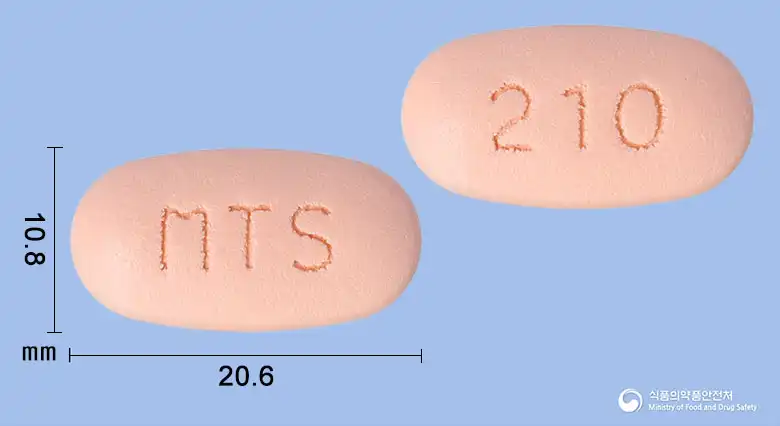
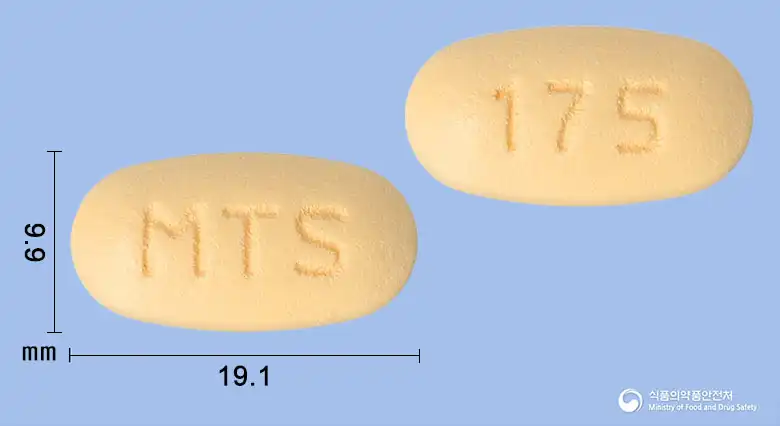
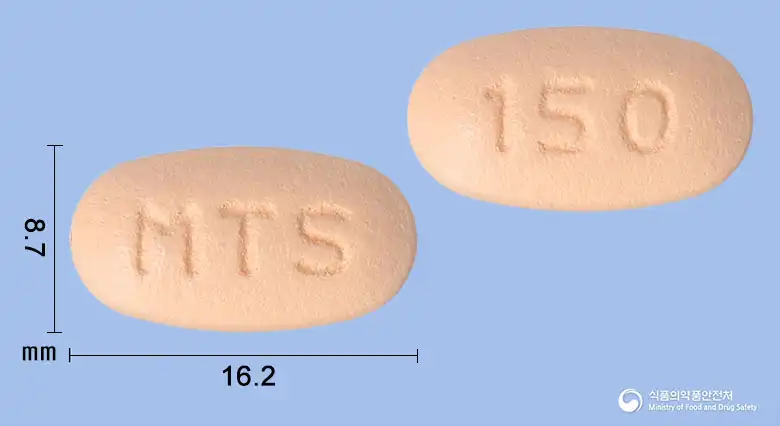
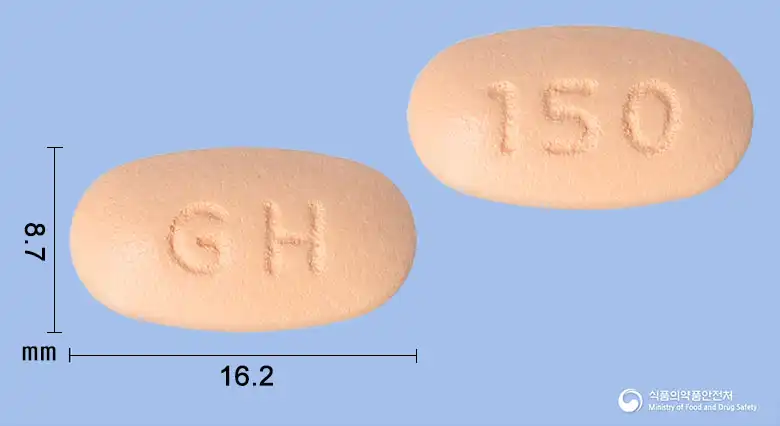
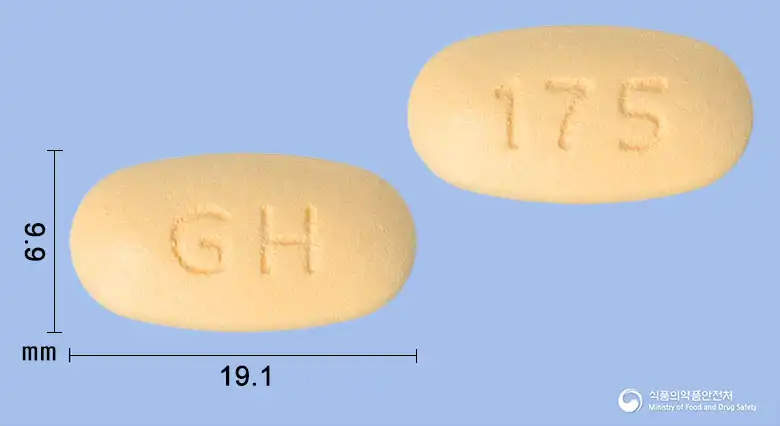
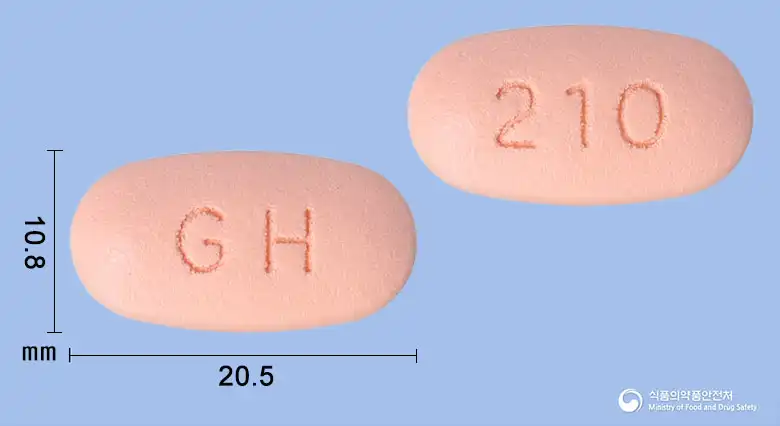
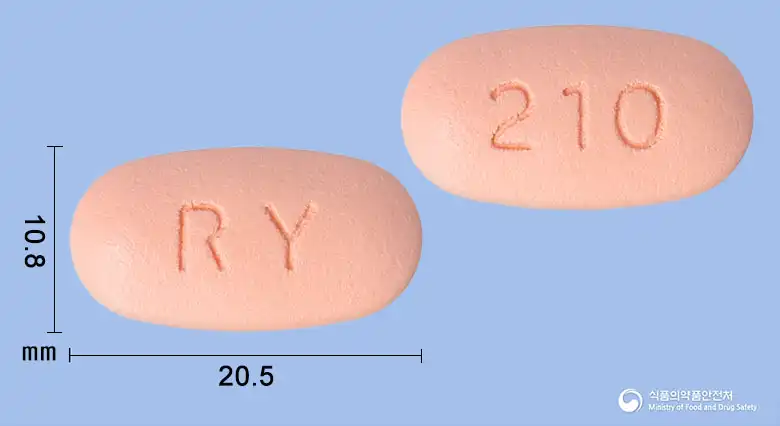
Improvement of blood sugar control in type 2 diabetes
Who takes it
Adults
Adult dose
This medication is generally administered once daily with the evening meal.
For this medication with a dosage of 20/1000 mg, take once daily, 1 tablet at a time.
Patients taking this 10/750 mg or 10/500 mg sustained release tablet should take once daily, 2 tablets simultaneously at a time.
The initial dosage should provide Teneligliptin 20 mg once daily and the current dose of Metformin.
Upon conversion to sustained release form
Improvement of blood sugar control in type 2 diabetes
View approved original textHide original text
This medication helps improve blood sugar control in patients with type 2 diabetes by using Teneligliptin and Metformin together. The effectiveness of blood sugar management can be enhanced when taken alongside dietary therapy and exercise. Therefore, it is recommended for those who desire effective blood sugar control and is used in the treatment of diabetes.
How to take
Adult dose
This medication is generally administered once daily with the evening meal.
For this medication with a dosage of 20/1000 mg, take once daily, 1 tablet at a time.
Patients taking this 10/750 mg or 10/500 mg sustained release tablet should take once daily, 2 tablets simultaneously at a time.
The initial dosage should provide Teneligliptin 20 mg once daily and the current dose of Metformin.
Upon conversion to sustained release form
Precautions
This medication is used for the treatment of diabetes.
It is crucial to consider kidney function when taking this medication. If the kidneys are unable to properly excrete the medication, it can lead to dangerous conditions; thus, patients with poor kidney function should not take this medication.
Additionally, it is safer for patients with severe heart failure or cardiovascular diseases, liver dysfunction, acute infections, or severe trauma to avoid this medication.
This medication can cause a rare but serious side effect known as lactic acidosis. Lactic acidosis occurs when there is an excessive accumulation of lactic acid in the body, with symptoms including fatigue, muscle pain, difficulty breathing, and abdominal pain. If such symptoms occur, it is important to inform a doctor immediately.
This medication can cause hypoglycemia, thus it is essential to closely monitor for hypoglycemic symptoms, especially when taken along with insulin or other antidiabetic medications. If hypoglycemic symptoms occur, appropriate measures such as consuming foods containing sugar are necessary.
Alcohol consumption should be avoided while taking this medication, as it may increase the risk of lactic acidosis.
Furthermore, this medication can lower vitamin B12 levels; therefore, regular blood tests to check vitamin B12 levels are recommended in cases of long-term use.
If undergoing surgery or tests that use radiocontrast agents, this medication should be discontinued for a certain period and can be resumed only after confirming normal kidney function.
Women who are pregnant or may become pregnant should avoid this medication, and it is also recommended to avoid it while breastfeeding.
Elderly patients may have a risk of decreased kidney function; thus, they should receive regular kidney function tests and take controlled dosages.
During the use of this medication, there is a potential for drug interactions; therefore, it is vital to inform healthcare providers of any other medications being taken.
Lastly, the safety and efficacy of this medication have not been established in children, so it is not used for pediatric patients.
Patients should adhere to the precautions mentioned above and consult medical personnel immediately if any unusual symptoms occur.
Side effects and when to seek care immediately
Serious side effects
Hives, severe swelling (edema), chest tightness, difficulty breathing, cold sweat, pallor → severe allergic reaction
Severe rash with high fever, blisters, skin peeling, pain in mouth/eye mucosa → severe skin abnormal reaction
Shortness of breath or difficulty breathing, asthma attack, cough + fever with respiratory anomalies → respiratory problems
Not everyone experiences these, and they can vary from person to person.
Storage
This medication should be stored in a tightly sealed container to prevent air from entering, and it is best to keep it at room temperature between 1 to 30 degrees Celsius.
Storing it in this manner will help maintain the effectiveness of the medication for an extended period.
Even with the same ingredient, the dose and directions can differ by strength and dosage form. Talk to a doctor or pharmacist before switching from a medication you are already taking.
Questions about this medicine
No questions yet.
For anything that needs medical judgment, consult a doctor or pharmacist.
This drug information is based on data provided by the Korea Ministry of Food and Drug Safety. Consult a doctor or pharmacist for accurate dosage, administration, and usage instructions.

 한국어
한국어 English
 日本語
日本語 中文(简体)
 Viewing nowCombination