
 한국어
한국어 English
 日本語
日本語 中文(简体)
 Viewing nowCombination
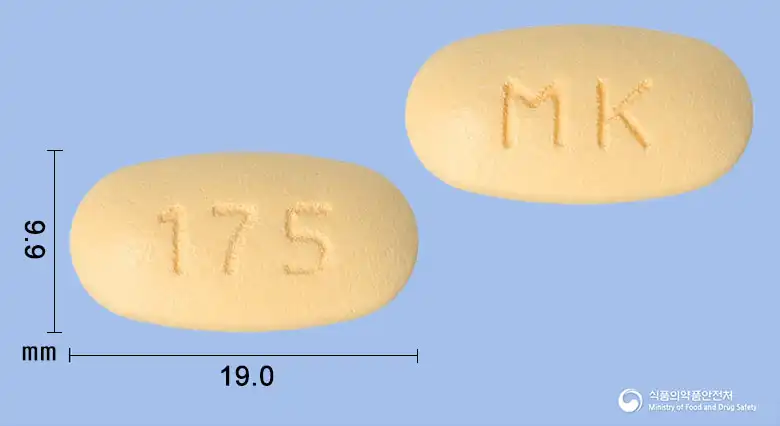
Tenel M Sustained-Release Tablets 10/750 mg
Teneligliptin Hydrochloride Hydrate 13mg · Metformin Hydrochloride 750mg
Tablet · Prescription medication · Combination
Medica Korea Co., Ltd.
MFDS item code 202201310 · Approved 2022.04.04 · Insurance code 646005500
Improvement of blood sugar control in type 2 diabetes
This medication helps regulate blood sugar levels in patients with type 2 diabetes by using Teneligliptin and Metformin together. It is used to effectively improve blood sugar levels in conjunction with diet and exercise therapy.
The usual dose of this medication is once daily with the evening meal. The 20/1000 mg sustained-release tablet is taken once daily, 1 tablet per dose. The 10/750 mg or 10/500 mg sustained-release tablets are taken once daily, 2 tablets at the same time. The initial dose should provide Teneligliptin 20 mg once daily and the previously prescribed dose of Metformin. To maintain its sustained-release characteristics, do not split, crush, or chew the tablets.
This medication helps control blood sugar levels. However, it can very rarely cause a dangerous condition known as lactic acidosis, which requires caution. Lactic acidosis occurs when lactic acid accumulates excessively in the body and can be life-threatening in severe cases. Additionally, hypoglycemia can occur when taking this medication with insulin or other diabetes medications, so blood sugar status should be monitored closely. This medication should not be administered to patients with moderate or severe renal impairment. Patients with very poor cardiac function or acute kidney disease should not use this medication. If undergoing tests using radiologic iodine contrast agents, this medication should be stopped at least 48 hours prior to the test, and resumed only after confirming normal renal function post-examination. This medication is not used for type 1 diabetes patients or patients with diabetic ketoacidosis. Also, any patient who has had an allergic reaction to any components of this medication should avoid using it. In cases of severe infection, serious injury, before and after surgery, the use of this medication should be temporarily halted, and it should be resumed after renal function returns to normal. It is advisable for individuals with very poor nutritional status or impaired liver function, and those who consume alcohol excessively to avoid this medication. Pregnant women or women who may become pregnant should not take this medication, and breastfeeding mothers should consult their healthcare professional. During treatment with this medication, patients should be well aware of hypoglycemia symptoms and take immediate appropriate actions if symptoms appear. Additionally, this medication can cause side effects such as bowel obstruction, liver dysfunction, pneumonia, skin rashes, acute pancreatitis; if any of these symptoms occur, immediate consultation with a physician is necessary. Elderly patients may have reduced renal function, so regular kidney function tests should be conducted, and dose adjustments may be necessary. In case of overdose, immediate medical attention should be sought, and if necessary, blood dialysis may be performed to remove the drug. This medication has not established safety and efficacy in children, thus it is not used in pediatric patients. When storing the medication, it should be kept out of reach of children and not transferred to other containers. Finally, patients should avoid alcohol during treatment and consult their healthcare provider or pharmacist when combining with other medications.
Hives, severe swelling (edema), difficulty breathing, liver dysfunction, acute pancreatitis, lactic acidosis, severe allergic reactions, interstitial pneumonia, blistering dermatitis, lactic acidosis related symptoms (fatigue, myalgia, dyspnea, weakness, abdominal pain), hypoglycemia, severe edema, increased blood pressure, cerebral infarction, hepatic coma, sudden and severe headache, seizures, disorientation, visual disturbances, paralysis, pulmonary congestion, difficulty breathing, nodular skin lesions
Not everyone experiences these, and they can vary from person to person.
This medication should be stored in a tightly closed container that does not allow air in, preferably at room temperature between 1 to 30 degrees Celsius. Proper storage helps maintain the medication's efficacy over time.
Yellow oval-shaped sustained-release film-coated tablets
30 tablets/bottle
Even with the same ingredient, strength, dosage form and how it is taken can differ.
Viewing nowCombinationTeneligliptin Hydrochloride Hydrate 13mg · Metformin Hydrochloride 750mg
Tablet · Prescription medication · Combination
Medica Korea Co., Ltd.
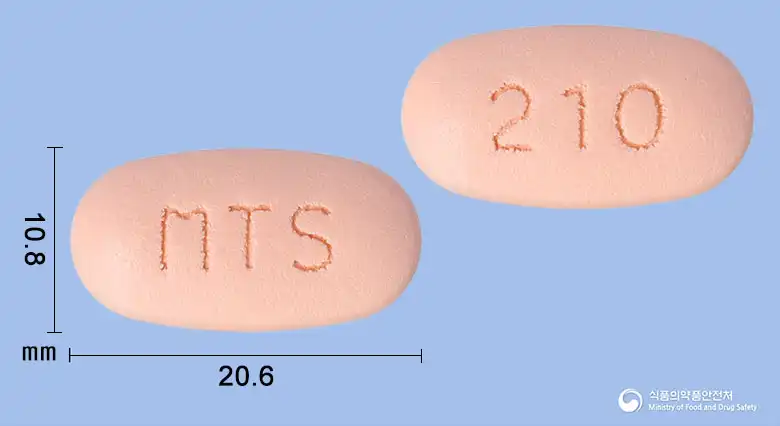 Combination
Teneligliptin Hydrochloride Hydrate 26mg · Metformin Hydrochloride 1000mg
Tablet · Prescription medication · Combination
Mothers Pharmaceutical Co., Ltd.
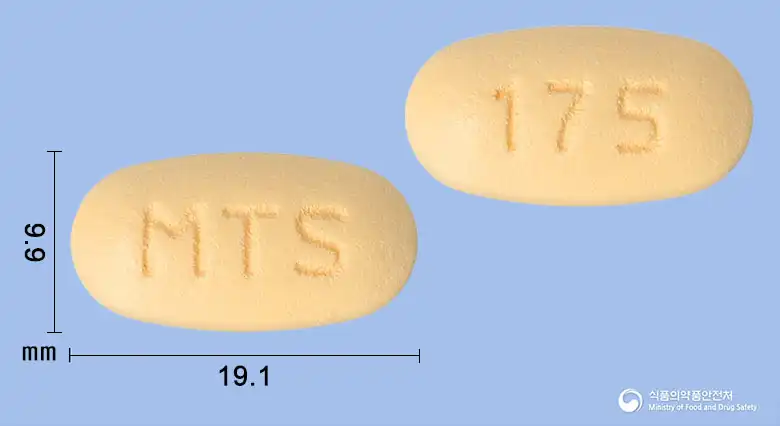 Combination
Teneligliptin Hydrochloride Hydrate 13mg · Metformin Hydrochloride 750mg
Tablet · Prescription medication · Combination
Mothers Pharmaceutical Co., Ltd.
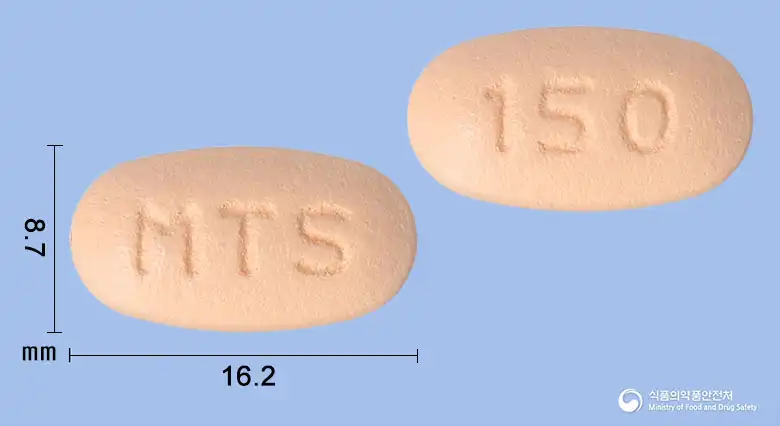 Combination
Teneligliptin Hydrochloride Hydrate 13mg · Metformin Hydrochloride 500mg
Tablet · Prescription medication · Combination
Mothers Pharmaceutical Co., Ltd.
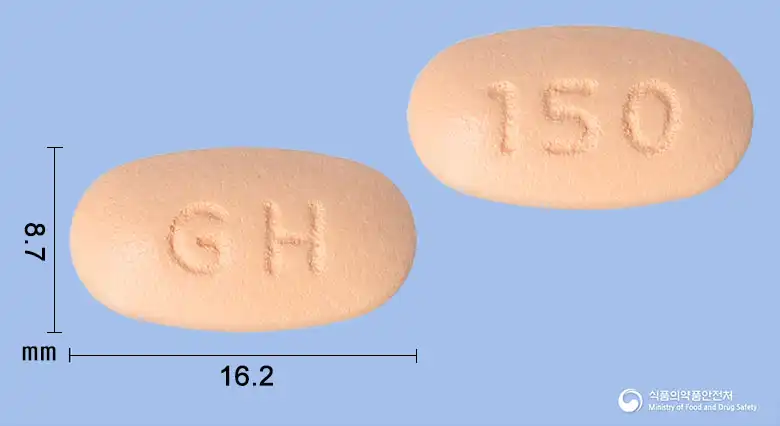 Combination
Teneligliptin Hydrochloride Hydrate 13mg · Metformin Hydrochloride 500mg
Tablet · Prescription medication · Combination
(Yoo) Hanpung Pharmaceutical Co., Ltd.
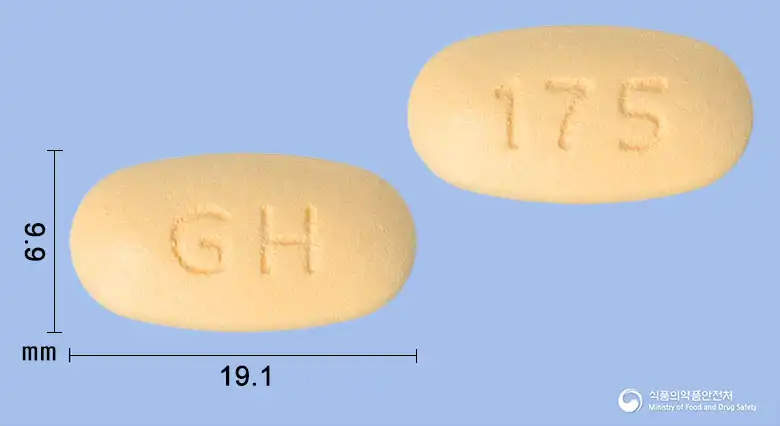 Combination
Teneligliptin Hydrochloride Hydrate 13mg · Metformin Hydrochloride 750mg
Tablet · Prescription medication · Combination
Hanpoong Pharmaceutical Co., Ltd.
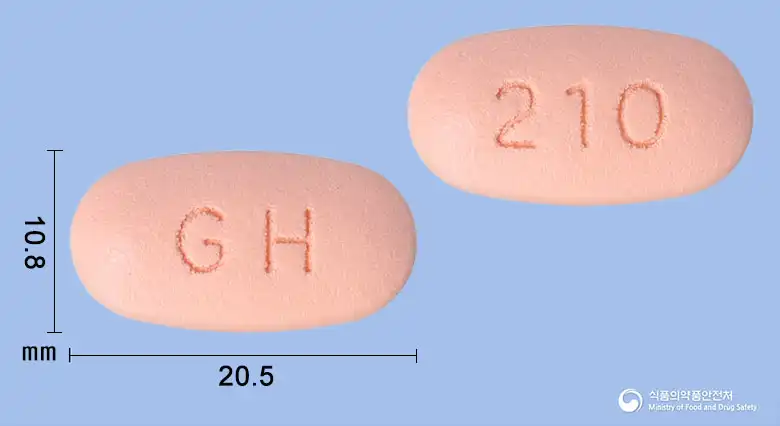 Combination
Teneligliptin Hydrochloride Hydrate 26mg · Metformin Hydrochloride 1000mg
Tablet · Prescription medication · Combination
Hanpung Pharmaceutical Co., Ltd.
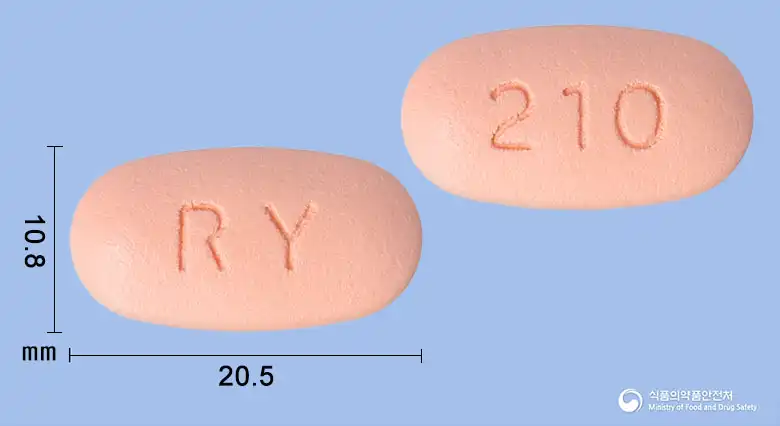 Combination
Teneligliptin Hydrochloride Hydrate 26mg · Metformin Hydrochloride 1000mg
Tablet · Prescription medication · Combination
Iyeon Pharmaceutical Co., Ltd.
Even with the same ingredient, the dose and directions can differ by strength and dosage form. Talk to a doctor or pharmacist before switching from a medication you are already taking.
No questions yet.
For anything that needs medical judgment, consult a doctor or pharmacist.
This drug information is based on data provided by the Korea Ministry of Food and Drug Safety.
Consult a doctor or pharmacist for accurate dosage, administration, and usage instructions.