
 한국어
한국어 English
 日本語
日本語 中文(简体)
 Viewing nowCombination
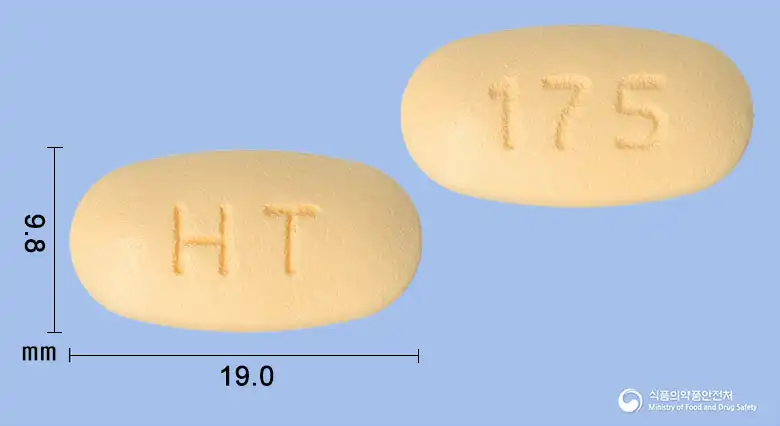
Danalya MR Tablet 10/750 mg
Teneligliptin Hydrochloride Hydrate 13mg · Metformin Hydrochloride 750mg
Tablet · Prescription medication · Combination
Korea Hutech Pharmaceuticals Co., Ltd.
MFDS item code 202201307 · Approved 2022.04.04 · Insurance code 649105460
Improvement of blood sugar control in type 2 diabetes
This medication is designed as an adjunct for patients with type 2 diabetes who take both teneligliptin and metformin to help regulate blood sugar levels. It is used effectively in conjunction with dietary and exercise therapy to improve blood sugar levels.
This medication is typically administered once daily with the evening meal, with gradual dosage adjustment to minimize gastrointestinal side effects associated with metformin. The 20/1000 mg extended-release formulation is taken once daily, 1 tablet at a time. Patients taking the 10/750 mg or 10/500 mg extended-release tablets take 2 tablets simultaneously once daily. Patients not achieving adequate blood sugar control with metformin monotherapy should start with this medication at an initial dose of 20 mg of teneligliptin once daily, along with the existing dose of metformin. For patients switching from combination therapy of teneligliptin and metformin to this product, the dosage may start with the existing doses of teneligliptin and metformin. When converting from immediate-release metformin to the extended-release form, close monitoring of blood sugar control is required, and dosage adjustments should be made accordingly. When co-administered with sulfonylureas, reducing the dose of sulfonylureas may be considered to decrease the risk of hypoglycemia. The maximum recommended daily dose is 20 mg of teneligliptin and 2000 mg of extended-release metformin. The safety and efficacy of this medication have not been specifically evaluated in patients switching from other blood glucose-lowering agents. Any changes in treatment for type 2 diabetes should be closely monitored due to potential impacts on blood sugar control. To maintain its controlled-release properties, this medication should not be split, crushed, broken, or chewed but swallowed whole.
This medication is prescribed for patients to lower blood sugar levels, particularly those with type 2 diabetes. While taking this medication, a rare but serious condition called lactic acidosis may occur, so caution is advised. Lactic acidosis is a dangerous condition that results from the excessive accumulation of lactic acid in the body, with symptoms including difficulty breathing, muscle pain, weakness, and abdominal pain. Patients with moderate to severe renal impairment, those with heart failure or acute myocardial infarction, and patients with liver dysfunction should not use this medication. Additionally, patients scheduled for tests using radiopaque agents should discontinue this medication 48 hours prior to the test and resume only after confirming normal renal function post-test. Women who are pregnant or may become pregnant, patients with severe infections or trauma, or those in a state of malnutrition should also avoid this medication. This medication may increase the risk of hypoglycemia when used alongside other diabetes medications, so patients should be well-informed about hypoglycemia symptoms and take measures such as consuming sugar immediately if symptoms appear. Side effects such as constipation, abdominal discomfort, headache, and dizziness may occur, so if these symptoms persist, consulting a doctor is recommended. Regular monitoring of kidney function and blood tests, especially vitamin B12 levels, is recommended during the use of this medication. Alcohol consumption may increase the risk of lactic acidosis, so it is advisable to avoid drinking during treatment. Elderly patients or those with impaired kidney function should take this medication with particular caution, and dose adjustment may be necessary. If blisters or skin abnormalities occur during treatment, immediate consultation with a physician is advised, and drug discontinuation should be considered in cases of severe joint pain. In cases of overdose, it is imperative to visit a hospital immediately for appropriate treatment, and blood dialysis may be necessary for drug removal. This medication has not been established for safety and efficacy in children and should not be used in this population. Finally, this medication should be stored out of reach of children, and it is advisable not to transfer it to other containers.
Not everyone experiences these, and they can vary from person to person.
This medication should be stored in a tightly sealed container to prevent air exposure, and it is recommended to keep it at room temperature between 1 degree Celsius and 30 degrees Celsius. Storing it this way helps maintain the drug's efficacy.
Yellow oval-shaped controlled-release film-coated tablet
30 tablets/bottle
Even with the same ingredient, strength, dosage form and how it is taken can differ.
Viewing nowCombinationTeneligliptin Hydrochloride Hydrate 13mg · Metformin Hydrochloride 750mg
Tablet · Prescription medication · Combination
Korea Hutech Pharmaceuticals Co., Ltd.
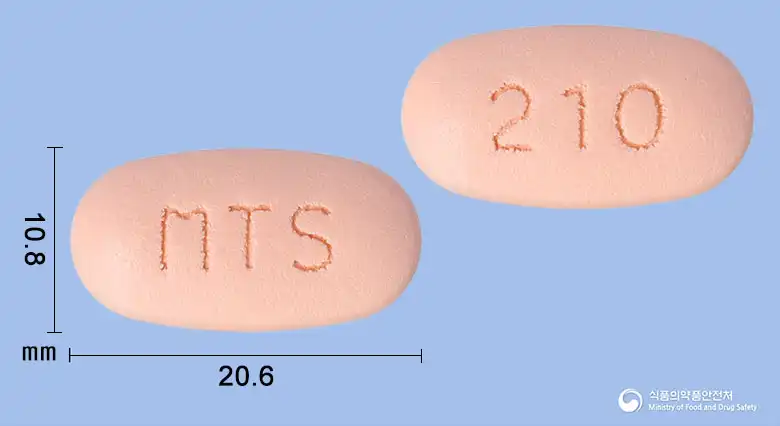 Combination
Teneligliptin Hydrochloride Hydrate 26mg · Metformin Hydrochloride 1000mg
Tablet · Prescription medication · Combination
Mothers Pharmaceutical Co., Ltd.
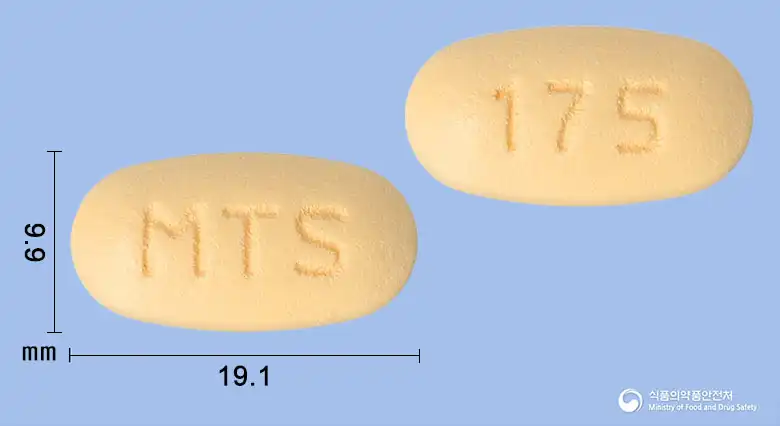 Combination
Teneligliptin Hydrochloride Hydrate 13mg · Metformin Hydrochloride 750mg
Tablet · Prescription medication · Combination
Mothers Pharmaceutical Co., Ltd.
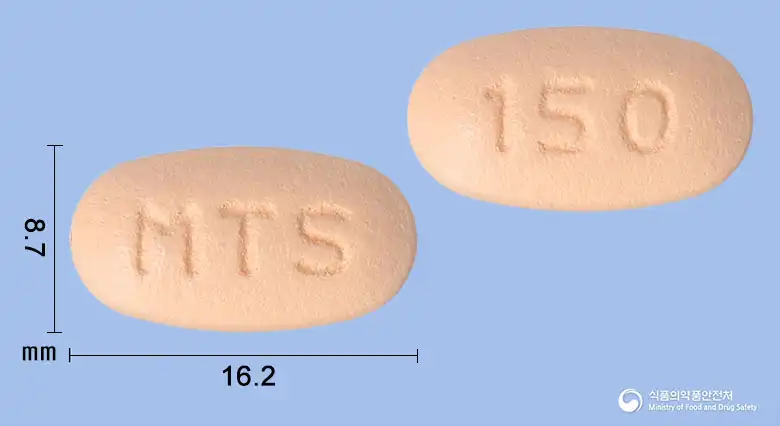 Combination
Teneligliptin Hydrochloride Hydrate 13mg · Metformin Hydrochloride 500mg
Tablet · Prescription medication · Combination
Mothers Pharmaceutical Co., Ltd.
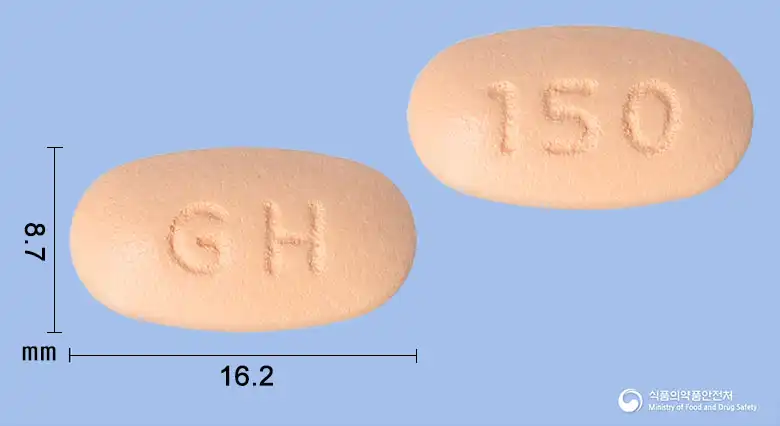 Combination
Teneligliptin Hydrochloride Hydrate 13mg · Metformin Hydrochloride 500mg
Tablet · Prescription medication · Combination
(Yoo) Hanpung Pharmaceutical Co., Ltd.
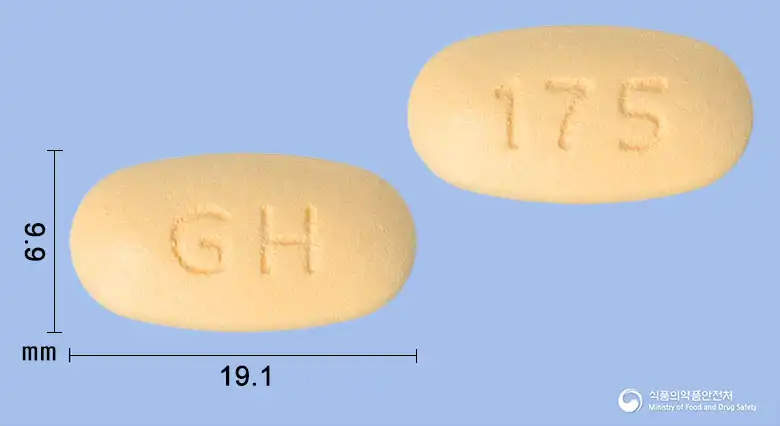 Combination
Teneligliptin Hydrochloride Hydrate 13mg · Metformin Hydrochloride 750mg
Tablet · Prescription medication · Combination
Hanpoong Pharmaceutical Co., Ltd.
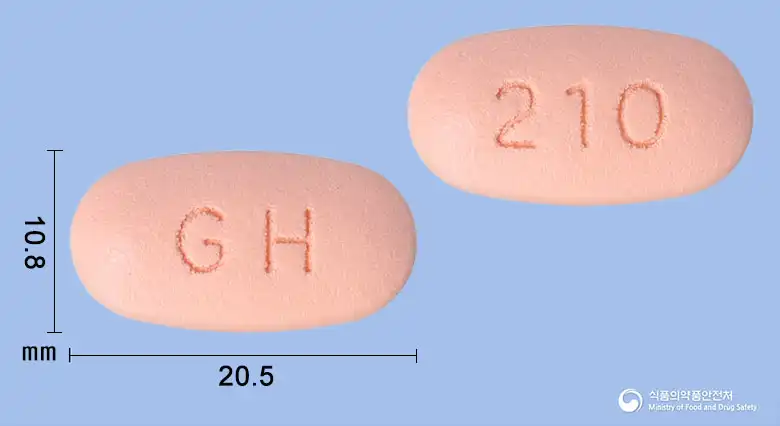 Combination
Teneligliptin Hydrochloride Hydrate 26mg · Metformin Hydrochloride 1000mg
Tablet · Prescription medication · Combination
Hanpung Pharmaceutical Co., Ltd.
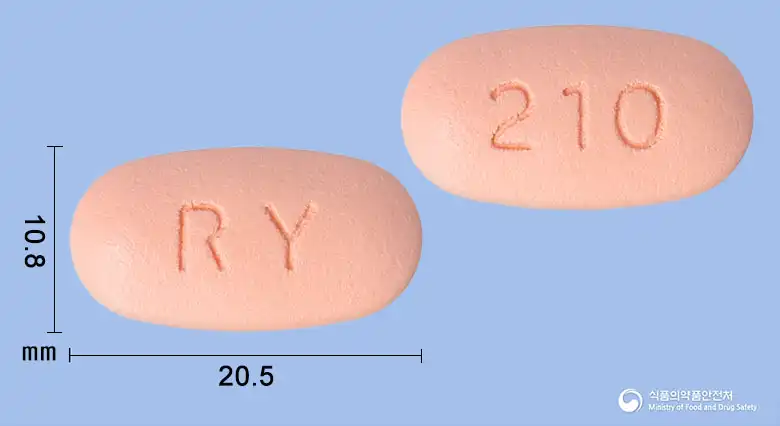 Combination
Teneligliptin Hydrochloride Hydrate 26mg · Metformin Hydrochloride 1000mg
Tablet · Prescription medication · Combination
Iyeon Pharmaceutical Co., Ltd.
Even with the same ingredient, the dose and directions can differ by strength and dosage form. Talk to a doctor or pharmacist before switching from a medication you are already taking.
No questions yet.
For anything that needs medical judgment, consult a doctor or pharmacist.
This drug information is based on data provided by the Korea Ministry of Food and Drug Safety.
Consult a doctor or pharmacist for accurate dosage, administration, and usage instructions.