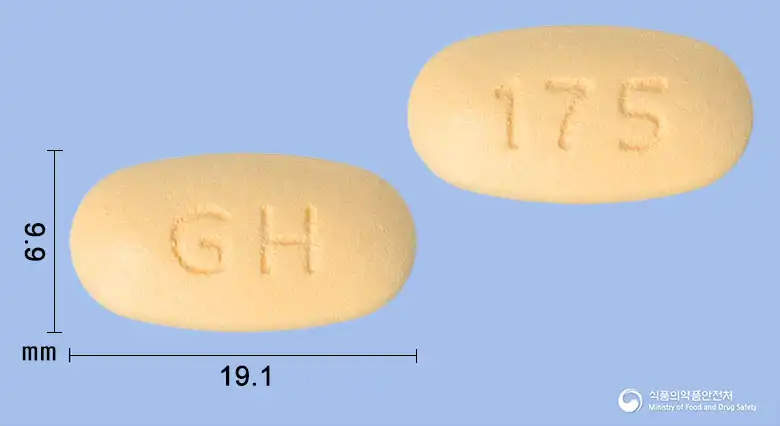
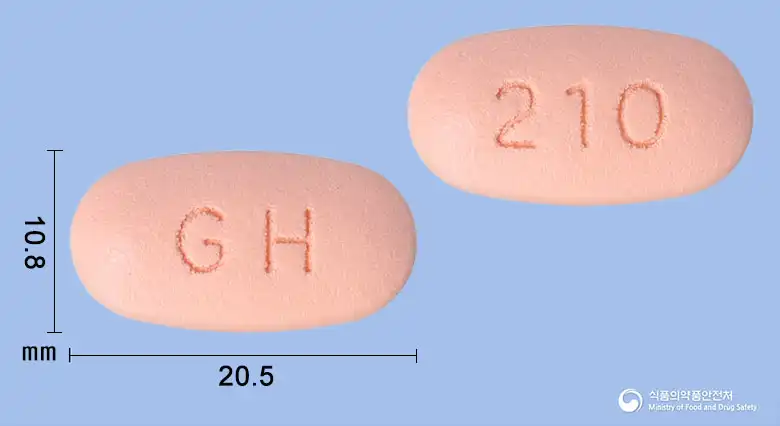
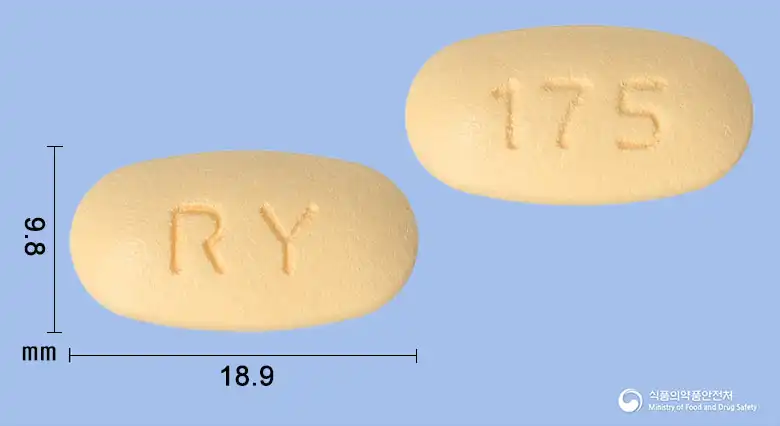
Improvement of blood sugar control in type 2 diabetes
Who takes it
Adults
Adult dose
This medication is generally administered once daily with the evening meal, with gradual dosage adjustments to minimize gastrointestinal side effects associated with metformin. The 20/1000 mg extended-release tablet is taken once daily, with one tablet per dose. Patients taking the 10/750 mg or 10/500 mg extended-release tablet take two tablets simultaneously once daily. For patients who cannot achieve sufficient blood sugar control with metformin monotherapy, the starting dose of this medication should provide teneligliptin 20 mg once daily along with the existing metformin dosage. Patients switching from combined therapy of teneligliptin and metformin to this medication can initiate treatment at their current teneligliptin and metformin dosages. Blood sugar control should be closely monitored during the conversion from immediate-release to extended-release metformin, and dosage adjustments should be appropriately made. When combined with sulfonylureas, consideration should be given to reducing the sulfonylurea dose to decrease the risk of hypoglycemia. The maximum recommended dose is teneligliptin 20 mg and extended-release metformin 2000 mg. The safety and efficacy of this medication in patients switching from other glucose-lowering agents have not been specifically evaluated. Any changes in therapy for type 2 diabetes should be conducted with careful monitoring due to potential changes in blood sugar control. To maintain the extended-release properties, this medication should be swallowed whole without splitting, crushing, dissolving, or chewing.
Improvement of blood sugar control in type 2 diabetes
View approved original textHide original text
This medication is used as an adjunct to diet and exercise to improve blood sugar control in patients with type 2 diabetes. It effectively controls blood sugar through the combined administration of teneligliptin and metformin, helping in the management of diabetes.
How to take
Adult dose
This medication is generally administered once daily with the evening meal, with gradual dosage adjustments to minimize gastrointestinal side effects associated with metformin. The 20/1000 mg extended-release tablet is taken once daily, with one tablet per dose. Patients taking the 10/750 mg or 10/500 mg extended-release tablet take two tablets simultaneously once daily. For patients who cannot achieve sufficient blood sugar control with metformin monotherapy, the starting dose of this medication should provide teneligliptin 20 mg once daily along with the existing metformin dosage. Patients switching from combined therapy of teneligliptin and metformin to this medication can initiate treatment at their current teneligliptin and metformin dosages. Blood sugar control should be closely monitored during the conversion from immediate-release to extended-release metformin, and dosage adjustments should be appropriately made. When combined with sulfonylureas, consideration should be given to reducing the sulfonylurea dose to decrease the risk of hypoglycemia. The maximum recommended dose is teneligliptin 20 mg and extended-release metformin 2000 mg. The safety and efficacy of this medication in patients switching from other glucose-lowering agents have not been specifically evaluated. Any changes in therapy for type 2 diabetes should be conducted with careful monitoring due to potential changes in blood sugar control. To maintain the extended-release properties, this medication should be swallowed whole without splitting, crushing, dissolving, or chewing.
Precautions
This medication is used for the treatment of diabetes and helps regulate blood sugar levels.
However, there are several precautions to consider while taking this medication.
First, this medication can rarely cause a serious condition called lactic acidosis, which is a dangerous state caused by excessive accumulation of lactic acid in the body.
Patients with impaired kidney function or heart problems, as well as those with acute infections or trauma, should avoid taking this medication due to potential risks.
Additionally, this medication should be temporarily discontinued before radiological examinations, and should only be resumed after confirming normal renal function post-examination.
Women who are pregnant or may become pregnant are advised not to take this medication for safety reasons.
This medication may cause hypoglycemia when used with other glucose-lowering agents, so patients must be aware of hypoglycemia symptoms and how to manage them.
Regular checks of liver and kidney function during treatment are crucial to ensure there are no abnormalities.
Furthermore, alcohol consumption should be avoided as it may increase the risk of lactic acidosis.
Some patients may experience side effects such as indigestion, diarrhea, and dizziness, while rare but serious adverse reactions like liver dysfunction, pneumonia, or skin rashes may occur.
If severe abdominal pain, vomiting, or skin blisters or rashes occur, immediate consultation with a physician is necessary.
Elderly patients may have reduced kidney function, so dose adjustment and monitoring of kidney function are especially important.
During treatment with this medication, regular testing of blood sugar and vitamin B12 levels is essential to prevent deficiencies.
In case of overdose, seek medical attention immediately for appropriate treatment, and blood dialysis may be performed to remove the medication if necessary.
Finally, this medication has not been established as safe or effective in children and should not be used.
It is crucial to use this medication safely under regular medical supervision and according to the physician's instructions.
Side effects and when to seek care immediately
Serious side effects
Lactic acidosis, severe hypoglycemia, acute pancreatitis, intestinal obstruction, severe allergic reactions (hives), respiratory distress, severe edema, jaundice (yellowing of the skin or eyes), serious neurological symptoms (sudden and severe headache, thunderclap headache, seizures, confusion, visual disturbances, paralysis), severe edema or urinary abnormalities (changes in urine volume)
Mild side effects
Hypoglycemia
constipation
dizziness
abdominal bloating
abdominal discomfort
nausea
abdominal pain
distension
stomatitis
gastric polyps
Show 20 moreCollapse
colonic polyps
duodenal ulcers
gastroesophageal reflux disease
diarrhea
decreased appetite
elevated amylase
elevated lipase
elevated AST (GOT)
elevated ALT (GPT)
elevated GGT
elevated ALP
proteinuria
ketonuria
potential hematuria
eczema
rash
itching
allergic dermatitis
arthralgia
CK (CPK)
Not everyone experiences these, and they can vary from person to person.
Storage
This medication should be stored in a tightly sealed container to prevent air exposure. The appropriate storage temperature is room temperature between 1 degree and 30 degrees Celsius. Avoid storing in excessively hot or cold places.
Even with the same ingredient, the dose and directions can differ by strength and dosage form. Talk to a doctor or pharmacist before switching from a medication you are already taking.
Questions about this medicine
No questions yet.
For anything that needs medical judgment, consult a doctor or pharmacist.
This drug information is based on data provided by the Korea Ministry of Food and Drug Safety. Consult a doctor or pharmacist for accurate dosage, administration, and usage instructions.

 한국어
한국어 English
 日本語
日本語 中文(简体)
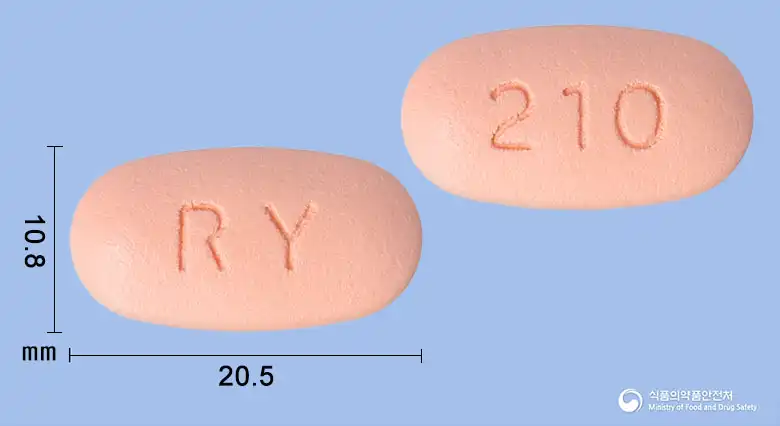 Viewing nowCombination