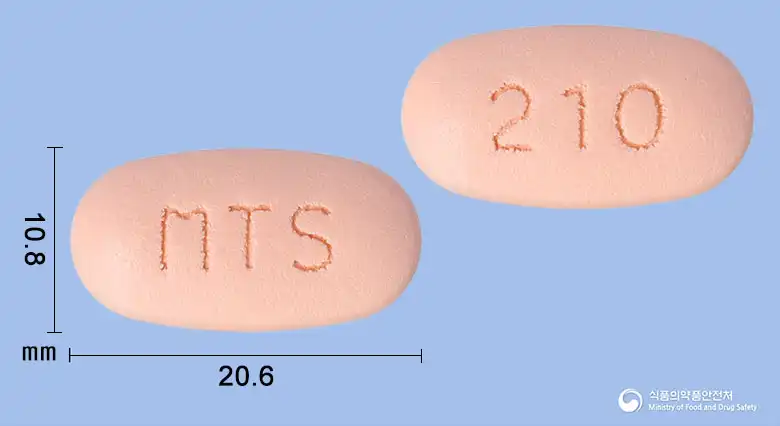
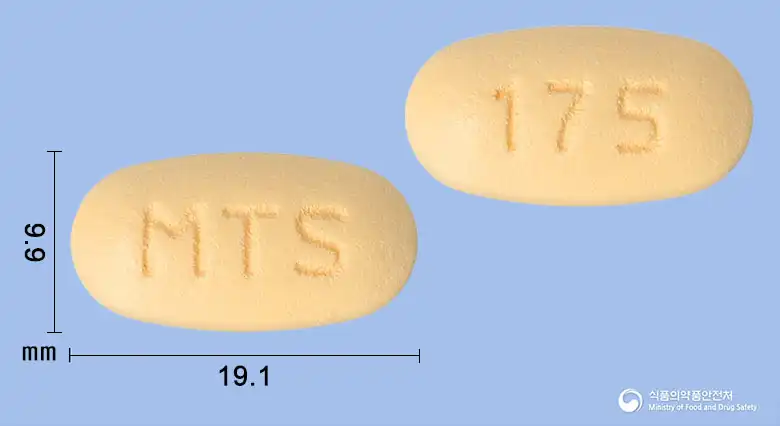
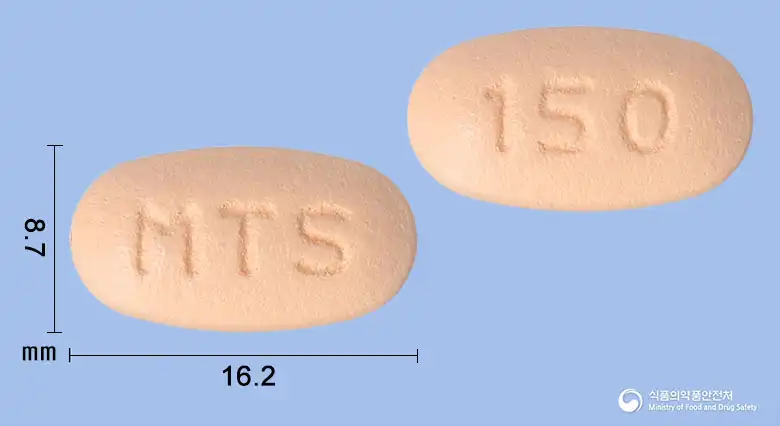
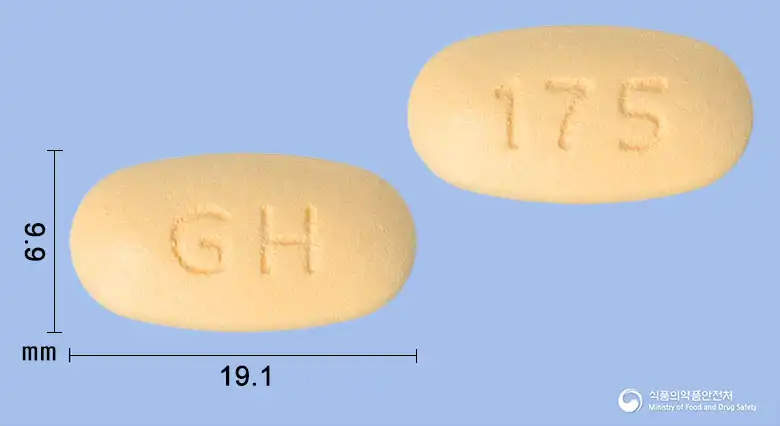
Improvement of blood sugar control in type 2 diabetes
Who takes it
Adults
Adult dose
Generally, this medication is administered once daily with the evening meal.
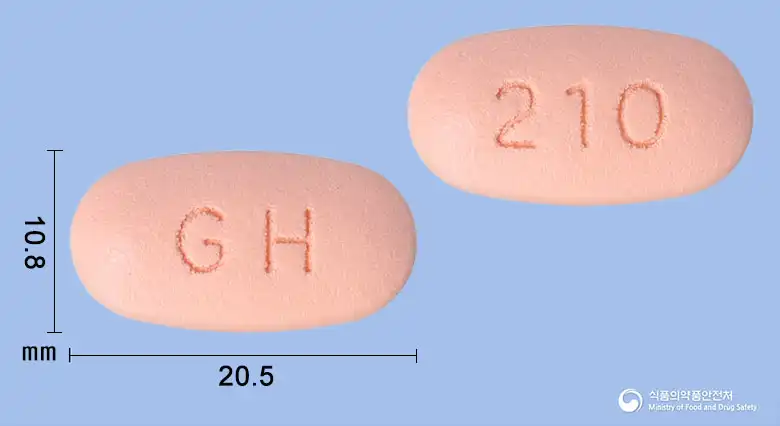
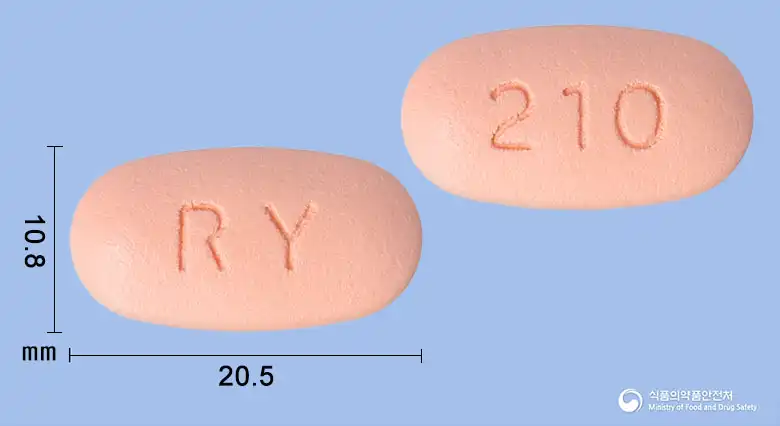
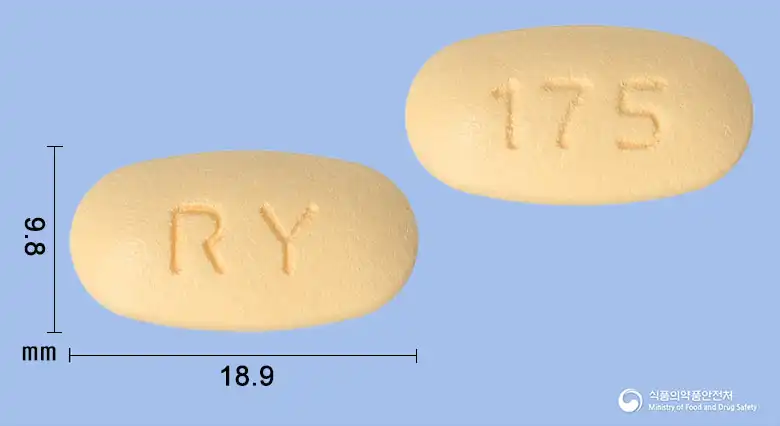
The 20/1000 mg extended-release tablet is taken once daily, one tablet at a time.
The 10/750 mg or 10/500 mg extended-release tablets are taken once daily, two tablets at the same time.
The maximum recommended daily dose is 20 mg of teneligliptin and 2000 mg of extended-release metformin.
For the extended-release properties to be maintained, do not split, crush, chew, or break the tablets.
Improvement of blood sugar control in type 2 diabetes
View approved original textHide original text
This medication has been developed to assist patients with type 2 diabetes in combining dietary therapy and exercise therapy. It effectively enhances blood sugar control by using Teneligliptin and Metformin together. In other words, this medication helps to maintain stable blood sugar levels, greatly aiding in diabetes management. Improved blood sugar control is achieved when used continuously along with lifestyle improvements.
How to take
Adult dose
Generally, this medication is administered once daily with the evening meal.
The 20/1000 mg extended-release tablet is taken once daily, one tablet at a time.
The 10/750 mg or 10/500 mg extended-release tablets are taken once daily, two tablets at the same time.
The maximum recommended daily dose is 20 mg of teneligliptin and 2000 mg of extended-release metformin.
For the extended-release properties to be maintained, do not split, crush, chew, or break the tablets.
Precautions
This medication is used for the treatment of diabetes and works to lower blood sugar. However, caution is needed as some patients may experience a rare side effect known as severe lactic acidosis.
Patients with moderately impaired renal function, congestive heart failure, acute cardiac disease, or severe infections should not use this medication. Additionally, it should be discontinued before undergoing tests using radiocontrast iodine, and can be resumed only after confirming normal renal function post-examination.
The risk of hypoglycemia may increase when this medication is used in conjunction with insulin or sulfonylurea agents, so patients should be well-informed about the symptoms of hypoglycemia and how to manage them.
It is also advisable for patients with impaired liver function or those who consume alcohol excessively to avoid this medication. This medication is not to be administered to pregnant women or those capable of becoming pregnant.
During treatment, regular checks of renal and liver function should be conducted to ensure there are no abnormalities, and any sudden symptoms such as vomiting, diarrhea, dehydration, severe abdominal pain, respiratory difficulty, or fatigue should be reported to healthcare personnel immediately.
The safety of this medication has not been established in children, and dosage adjustments and caution are required in the elderly due to the common occurrence of renal function decline.
In case of overdose, immediate hospital visit is necessary for appropriate treatment, especially as patients with poor renal function may require hemodialysis.
Patients should avoid alcohol consumption while taking this medication and should consult a physician or pharmacist before starting any new medications due to possible drug interactions.
If breastfeeding, it should be discussed with healthcare professionals as this medication may be excreted in breast milk.
Side effects and when to seek care immediately
Serious side effects
Hives, severe swelling (edema), chest tightness, difficulty breathing, cold sweat, paleness, severe rash with high fever, blisters, skin peeling, pain in oral/ocular mucosa, shortness of breath or difficulty breathing, asthma attacks, cough with fever accompanied respiratory issues, yellowing of skin or eyes (jaundice), severe lethargy, sudden and severe headache, thunderclap headache, seizures, confusion of consciousness, visual disturbances, paralysis, urination
Mild side effects
Hypoglycemia
constipation
dizziness
headache
weakness
hunger
fatigue
facial swelling
diarrhea
dyspepsia
Show 21 moreCollapse
nausea
itching
shingles
rhinitis
cold sweat
joint pain
abdominal bloating
abdominal discomfort
vomiting
abdominal swelling
stomatitis
gastric polyp
colon polyp
duodenal ulcer
reflux esophagitis
decreased appetite
elevated amylase
elevated lipase
elevated AST (GOT)
elevated ALT (GPT)
elevated GGT
Not everyone experiences these, and they can vary from person to person.
Storage
This medication should be stored in a tightly sealed container to prevent exposure to air and moisture, preferably at a temperature between 1 degree and 30 degrees Celsius.
Storing it this way can help maintain the medication's effectiveness for a longer period.
Even with the same ingredient, the dose and directions can differ by strength and dosage form. Talk to a doctor or pharmacist before switching from a medication you are already taking.
Questions about this medicine
No questions yet.
For anything that needs medical judgment, consult a doctor or pharmacist.
This drug information is based on data provided by the Korea Ministry of Food and Drug Safety. Consult a doctor or pharmacist for accurate dosage, administration, and usage instructions.

 한국어
한국어 English
 日本語
日本語 中文(简体)
 Viewing nowCombination