
 한국어
 English
 日本語
 中文(简体)
 Viewing now
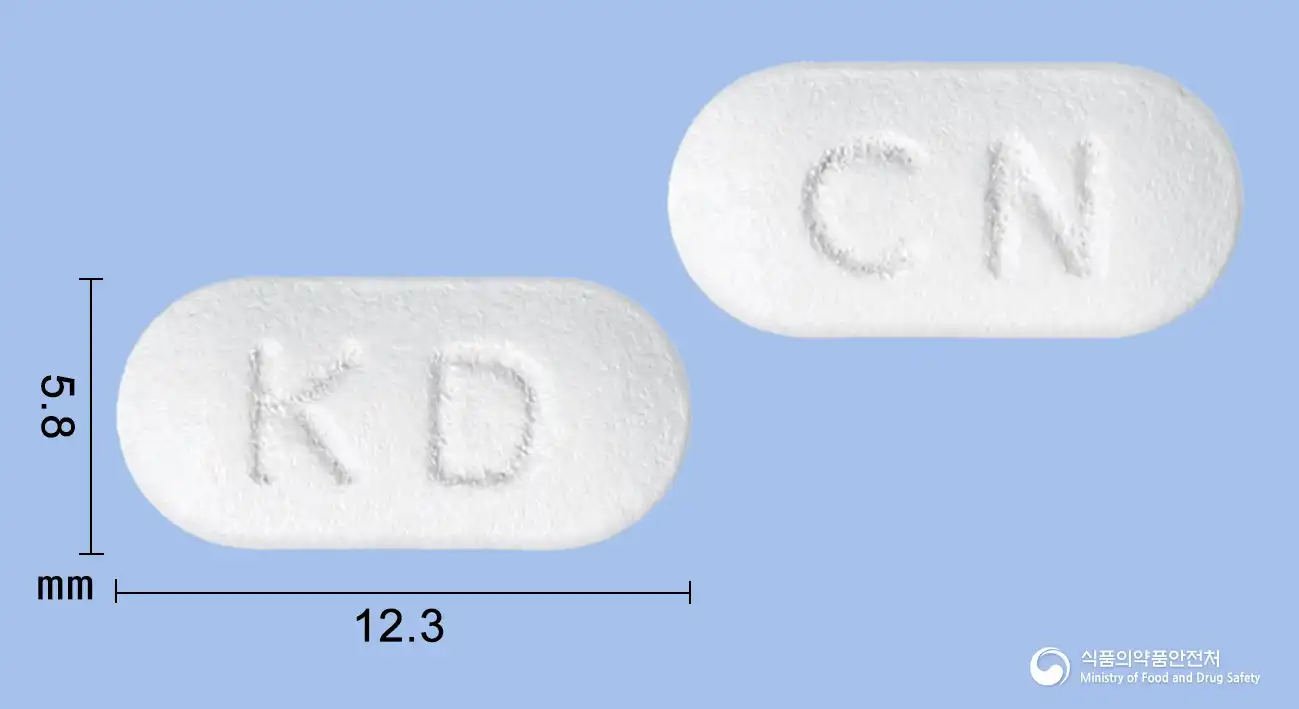
Ceptoren Tablet 100mg (Cefditoren Pivoxil)
Cefditoren Pivoxil 100mg
Tablet · Prescription medication
Kyung Dong Pharmaceutical Co., Ltd.
MFDS item code 202201222 · Approved 2022.03.29
Treatment of respiratory, ear, nose and throat, skin and soft tissue, ocular, genitourinary, dental, and biliary tract infections
This medication is effective against a variety of bacteria and is very useful for the treatment of various infections. For example, it is used for skin and soft tissue infections such as lymphangitis, chronic pyodermatitis, mastitis, and perianal abscess. It is also effective for respiratory infections such as pharyngitis, bronchitis, tonsillitis, and pneumonia, as well as urinary tract infections such as pyelonephritis and cystitis. In women, it is used to treat gynecological infections such as salpingitis and intrauterine infections, and it is also utilized in otolaryngological infections such as otitis media and sinusitis. This medication is effective in treating abdominal infections such as infections around the eyes and teeth, cholecystitis, and cholangitis. Thus, this medication is used for the treatment of multiple infections caused by a wide range of bacteria to improve patient conditions.
Adults: Administer cefditoren pivoxil orally at a dose of 100 mg (potency) 3 times daily after meals. Adjust the dose appropriately according to symptoms; for severe cases or when the effect is considered insufficient, administer 200 mg (potency) per dose 3 times daily after meals.
This medication should not be administered to patients who have had allergic reactions or shock to the components of this medication. Patients who are hypersensitive to milk proteins or have a history of allergy should not take this medication. Patients with carnitine deficiency or those who may develop carnitine deficiency due to a congenital metabolic disorder should not use this medication. Patients who have had hypersensitivity reactions to the components of this medication or cephalosporin antibiotics should use this medication with special caution. Patients with a history of allergic reactions to penicillin antibiotics should take this medication with caution, especially if they have a tendency towards allergies. Patients with severely impaired kidney function should be closely monitored during administration as the concentration of this medication may increase. Patients who have difficulties with oral intake, those on parenteral nutrition, the elderly, or those in poor systemic condition should be carefully monitored for symptoms of vitamin K deficiency. This medication can rarely cause severe allergic reactions such as shock or anaphylaxis, so if any discomfort, dizziness, difficulty breathing, or other symptoms arise during administration, it should be discontinued immediately. If skin rashes, hives, itching, or fever occur, this medication should be discontinued and appropriate treatment should be sought. Regular blood tests are necessary as abnormalities may be detected; if liver or kidney function abnormalities are suspected, consult a physician immediately. Gastrointestinal symptoms such as diarrhea, abdominal pain, or vomiting may occur; if symptoms are severe, discontinue administration and seek treatment. If respiratory symptoms or pneumonia symptoms appear, discontinue use immediately and seek appropriate treatment. This medication can cause vitamin K deficiency and vitamin B complex deficiency symptoms, so nutritional status should be carefully managed. If severe skin adverse reactions such as Stevens-Johnson syndrome appear, discontinue use immediately. During treatment with this medication, headaches or other unusual symptoms may occur, and liver function tests and blood tests should be performed regularly if taken over a long period. Pregnant or breastfeeding women should use this medication with caution as its safety has not been established, particularly paying attention to possible carnitine depletion in late pregnancy. For children or infants, special caution is needed as the safety has not been adequately confirmed, and low birth weight infants or young children may be at risk of hypoglycemia. The elderly may experience prolonged medication retention in the body due to decreased kidney function; thus, careful observation and adjustment of dosing intervals are needed. This medication may interact with other medications, so consult with a physician when taking it with antacids, proton pump inhibitors, probenecid, etc. Taking this medication with meals can enhance absorption, so it is recommended to take it after meals. To prevent the emergence of resistant bacteria, the minimum effective duration should be confirmed and used only as necessary. After administration, store out of reach of children and keep away from moisture and light. Transferring this medication to another container may adversely affect quality, so it should be avoided.
Not everyone experiences these, and they can vary from person to person.
This medication is sensitive to light, so it should be stored in a tightly sealed container that does not allow light to enter. It is best to store at room temperature between 1 degree and 30 degrees Celsius.
White oblong film-coated tablet
100 tablets/PTP (10 tablets/PTP × 10)
Even with the same ingredient, strength, dosage form and how it is taken can differ.
Viewing nowCefditoren Pivoxil 100mg
Tablet · Prescription medication
Kyung Dong Pharmaceutical Co., Ltd.
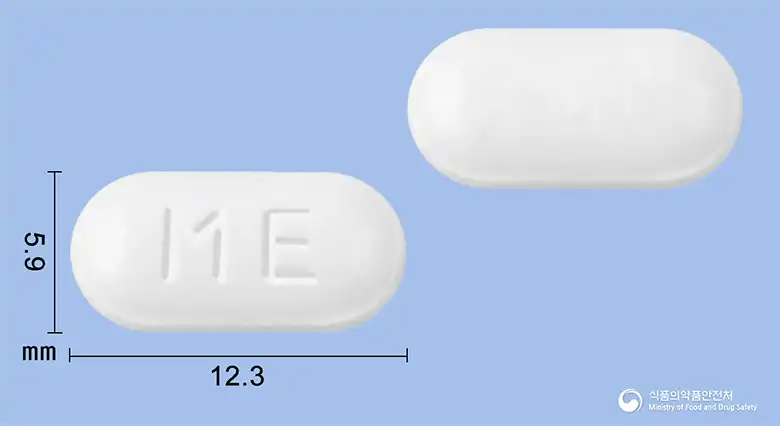
Cefditoren Pivoxil 100mg
Tablet · Prescription medication
Boryung Pharmaceutical Co., Ltd.
Cefditoren Pivoxil 100mg
Prescription medication
Boryung Co., Ltd.
Cefditoren Pivoxil 100mg
Tablet · Prescription medication
Youngjin Pharmaceutical Co., Ltd.
Cefditoren Pivoxil 100mg
Prescription medication
International Pharmaceutical Co., Ltd.
Even with the same ingredient, the dose and directions can differ by strength and dosage form. Talk to a doctor or pharmacist before switching from a medication you are already taking.
No questions yet.
For anything that needs medical judgment, consult a doctor or pharmacist.
This drug information is based on data provided by the Korea Ministry of Food and Drug Safety.
Consult a doctor or pharmacist for accurate dosage, administration, and usage instructions.