
 한국어
한국어 English
 日本語
日本語 中文(简体)
 Viewing nowCombination
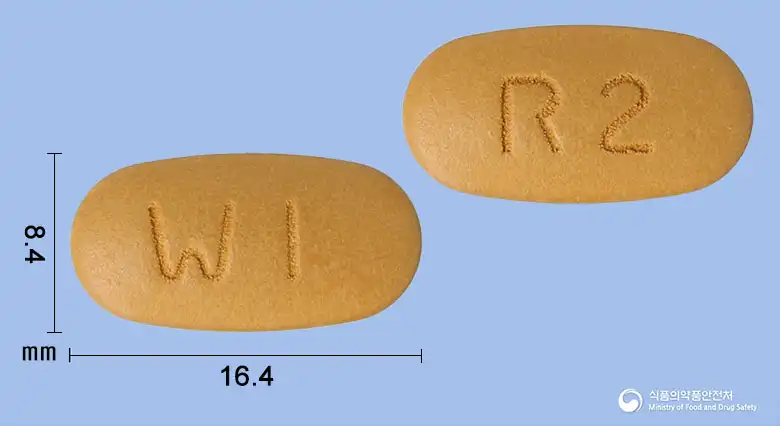
Rabemore Tablet 20/500 mg
Sodium Bicarbonate 500mg · Rabeprazole Sodium 20mg
Tablet · Prescription medication · Combination
Hwanin Pharmaceutical Co., Ltd.
MFDS item code 202200470 · Approved 2022.01.27 · Insurance code 657203900
Effective for the treatment of gastric ulcers and duodenal ulcers, and symptom relief and maintenance therapy effect for gastroesophageal reflux disease
This medication is effective for treating gastric ulcer and duodenal ulcer. It also helps relieve symptoms of erosive or ulcerative gastroesophageal reflux disease. It is used for long-term maintenance therapy of gastroesophageal reflux disease, allowing for continuous management of symptoms. This drug is used to improve issues related to the stomach and esophagus.
1) Gastric Ulcer, Duodenal Ulcer: Typically, the adult dose is 10/500 mg taken orally once a day. Depending on the symptoms, the dose can be increased to 20/500 mg once a day. Usually, gastric ulcers are treated for up to 8 weeks, and duodenal ulcers for 6 weeks. 2) Erosive or Ulcerative Gastroesophageal Reflux Disease: 10/500 mg or 20/500 mg once a day for 4 to 8 weeks. If not resolved after 8 weeks of proton pump inhibitor (PPI) therapy, further treatment of 10/500 mg or 20/500 mg may be taken orally twice a day for an additional 8 weeks, but 20/500 mg twice daily is limited to patients found to have significant mucosal damage. 3) Symptom Relief for Gastroesophageal Reflux Disease: 10/500 mg once a day. If symptoms are not controlled after 4 weeks, further medical consultation is necessary. After symptoms resolve, 10/500 mg can be given once daily as an on-demand regimen to manage any subsequent symptoms. 4) Long-term Maintenance Therapy for Gastroesophageal Reflux Disease: Depending on the patient, 10/500 mg or 20/500 mg may be taken orally once daily.
Safety in children has not been established.
This medication should not be used in certain patients. Patients with allergies or a history of hypersensitivity to this drug or its components, those taking Atazanavir or Lopinavir, pregnant or breastfeeding women should not take this medication. Caution is required for patients with liver or kidney problems, elderly patients, patients with weak heart or lung function, and those with severe gastrointestinal ulcers. This drug contains sodium bicarbonate, so caution is needed for patients requiring limited sodium intake or those at risk for electrolyte imbalances. During the use of this medication, various side effects such as skin rash, itching, blood abnormalities, liver function issues, heart abnormalities, gastrointestinal symptoms, and neurological symptoms may occur, and if symptoms appear, it is important to consult a doctor immediately. Especially, serious side effects like interstitial pneumonia or acute interstitial nephritis may occur, and if symptoms like fever, cough, shortness of breath, or decreased kidney function appear, immediate medical attention should be sought. Prolonged use of this medication requires regular blood tests and liver function tests, and attention should be given to increased fracture risk and hypomagnesemia. Additionally, because this medication suppresses gastric acid secretion, there may be a slight increase in the risk of bacterial infection in the gastrointestinal tract. Caution is advised while driving or operating machinery as drowsiness may occur. This drug may interact with other medications; therefore, consultation with healthcare professionals is necessary, particularly when taken in combination with Warfarin, Methotrexate, Atazanavir, or Lopinavir. Pregnant or breastfeeding women should not take this medication, and elderly patients should be cautious as side effects may appear more readily due to decreased liver function. The safety of this medication in children has not been established, so it is advisable not to use it. In case of overdose, no specific antidote exists, so appropriate treatment should be given based on the symptoms, and this medication should be swallowed whole and not chewed or crushed. Store this medication out of reach of children and do not transfer it to another container. Prolonged use may increase the risk of gastric polyps, so it is advisable to use the minimum effective dose and duration. While taking this medication, autoimmune conditions such as lupus erythematosus may occur, so if related symptoms appear, inform healthcare providers immediately.
Hives, severe swelling (edema), chest tightness, difficulty breathing, angioedema, cold sweat, pallor, fulminant hepatitis, liver dysfunction, jaundice, severe skin adverse reactions (severe rash, blistering, skin peeling, pain in mouth/eye mucosa), asthmatic attacks, respiratory distress, acute interstitial nephritis, heart failure, sudden death, coma, hyperammonemia, rhabdomyolysis, disorientation, delirium, anaphylaxis, thrombocytopenia, agranulocytosis
Not everyone experiences these, and they can vary from person to person.
This medication should be stored in a tightly closed container to avoid exposure to air or moisture, preferably at room temperature between 1 to 30 degrees Celsius. Proper storage will help maintain the efficacy of the medication for a longer period.
Brownish yellow oval film-coated tablets
28 tablets/bottle
Even with the same ingredient, strength, dosage form and how it is taken can differ.
Viewing nowCombinationSodium Bicarbonate 500mg · Rabeprazole Sodium 20mg
Tablet · Prescription medication · Combination
Hwanin Pharmaceutical Co., Ltd.
 Combination
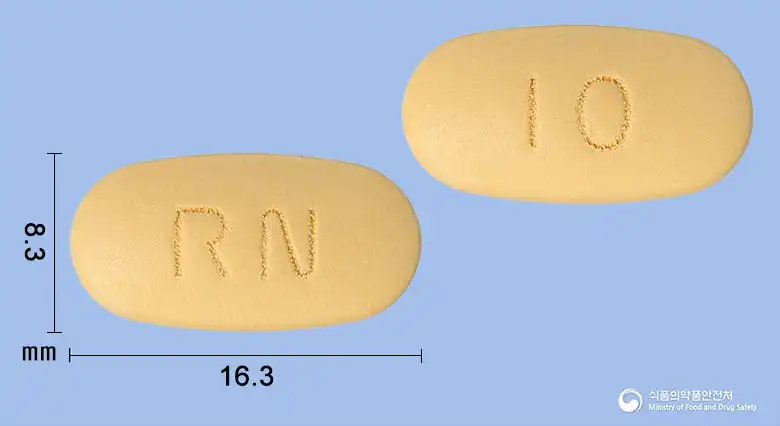
Sodium Bicarbonate 500mg · Rabeprazole Sodium 10mg
Tablet · Prescription medication · Combination
Youngjin Pharmaceutical Co., Ltd.
 Combination
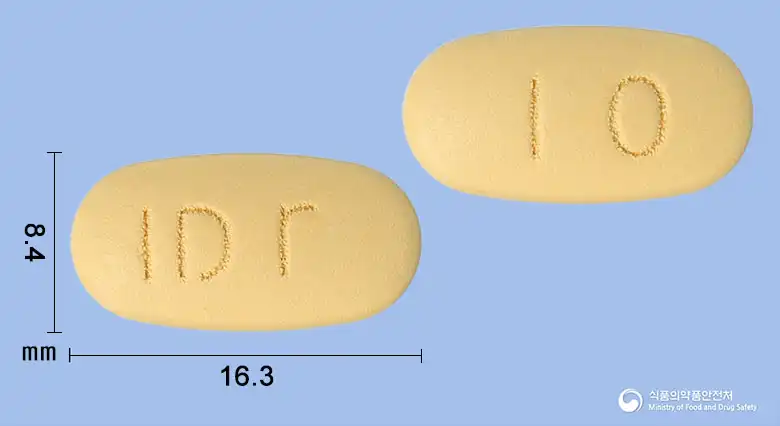
Sodium Bicarbonate 500mg · Rabeprazole Sodium 10mg
Tablet · Prescription medication · Combination
Ildong Pharmaceutical Co., Ltd.
 Combination
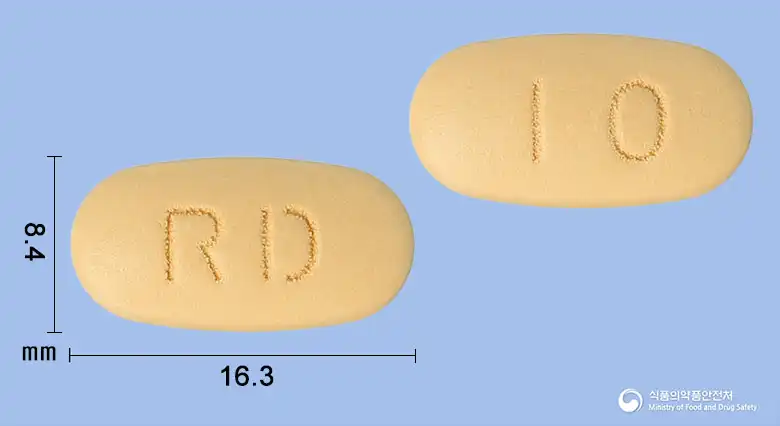
Sodium Bicarbonate 500mg · Rabeprazole Sodium 10mg
Tablet · Prescription medication · Combination
Samjin Pharmaceutical Co., Ltd.
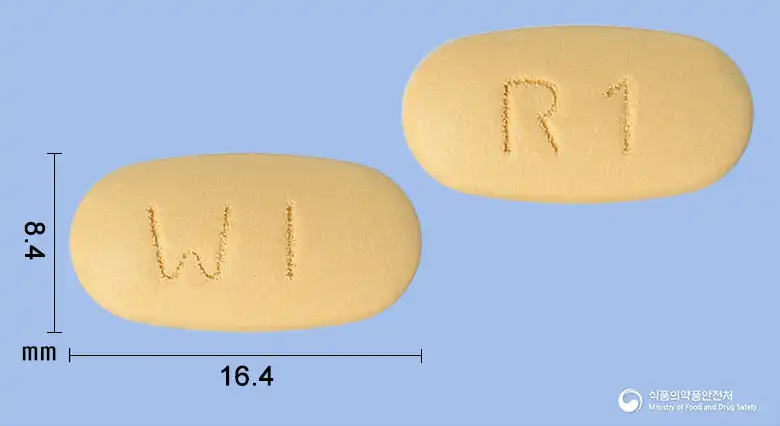 Combination
Sodium Bicarbonate 500mg · Rabeprazole Sodium 10mg
Tablet · Prescription medication · Combination
Hwanin Pharmaceutical Co., Ltd.
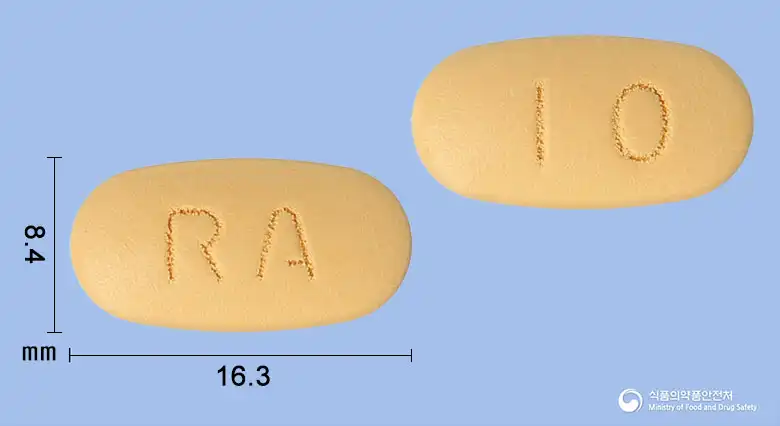 Combination
Sodium Bicarbonate 500mg · Rabeprazole Sodium 10mg
Tablet · Prescription medication · Combination
Donghwa Pharmaceutical Co., Ltd.
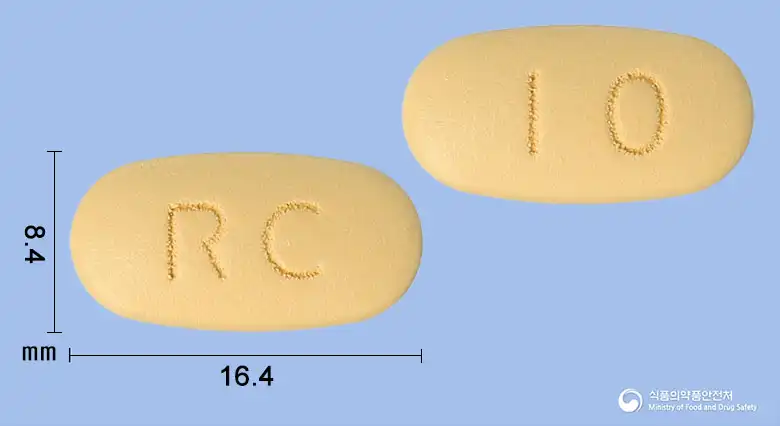 Combination
Sodium Bicarbonate 500mg · Rabeprazole Sodium 10mg
Tablet · Prescription medication · Combination
Dong-A ST Co., Ltd.
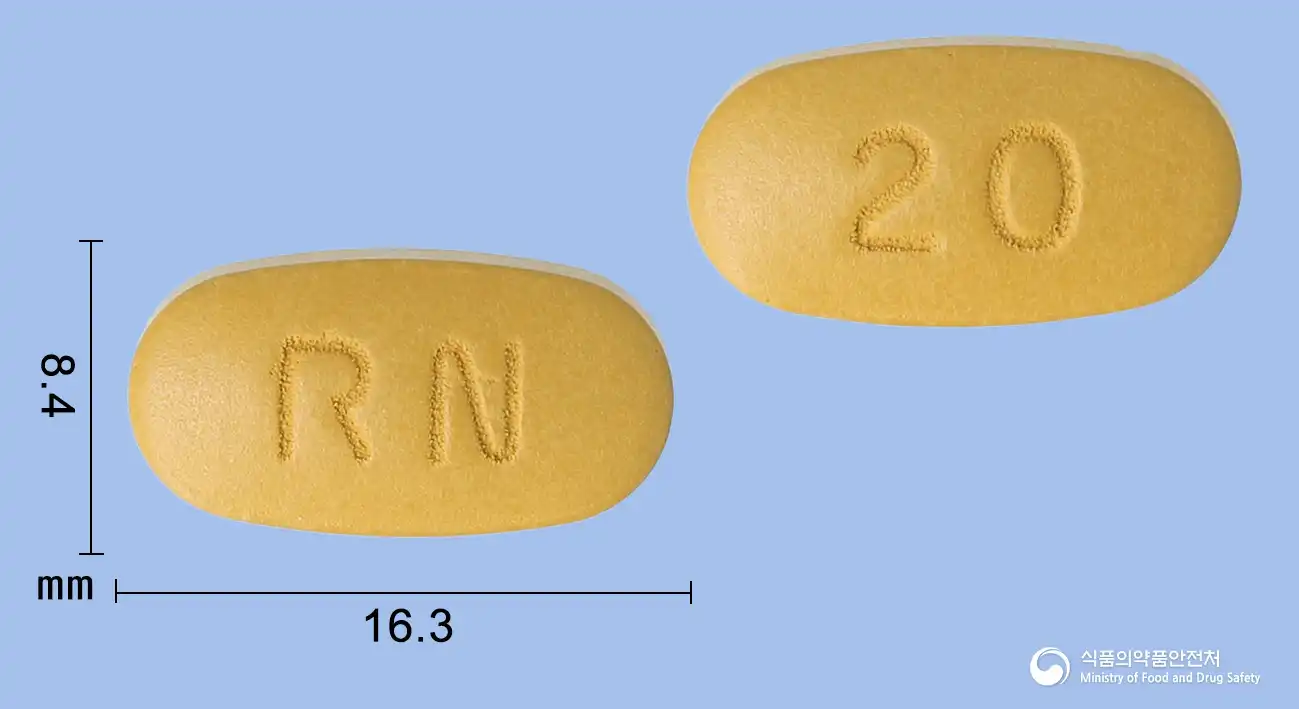 Combination
Sodium Bicarbonate 500mg · Rabeprazole Sodium 20mg
Tablet · Prescription medication · Combination
Youngjin Pharmaceutical Co., Ltd.
Even with the same ingredient, the dose and directions can differ by strength and dosage form. Talk to a doctor or pharmacist before switching from a medication you are already taking.
No questions yet.
For anything that needs medical judgment, consult a doctor or pharmacist.
This drug information is based on data provided by the Korea Ministry of Food and Drug Safety.
Consult a doctor or pharmacist for accurate dosage, administration, and usage instructions.