
 한국어
한국어 English
 日本語
日本語 中文(简体)
Dosage form image
Viewing nowBoryung Mucomist Solution 10% (Acetylcysteine)
Acetylcysteine 10g
Solution · OTC medication
Boryung Co., Ltd.
MFDS item code 202200263 · Approved 2022.01.14 · Insurance code 641907841
Improvement of difficulty in expectoration (such as bronchial asthma, chronic bronchitis) and effectiveness in pre- and post-bronchial examinations.
Difficulty in expectoration can occur in various respiratory diseases and infections such as bronchial asthma, chronic bronchitis, bronchiectasis, pulmonary tuberculosis, and emphysema. Additionally, conditions such as upper respiratory tract infections, lung abscesses, pneumonia, cystic fibrosis, and post-surgical pulmonary complications can lead to difficulty in expectoration. This medication is used to aid in expectoration and improve breathing, thus alleviating symptoms in these diseases. It is also effectively used before and after procedures such as bronchography, bronchoscopy, lung cancer cytology tests, and tracheostomy. Therefore, this medication is used to improve expectoration in respiratory-related diseases and treatment situations.
1. Nebulization therapy using a face mask, mouthpiece, or tracheostomy: Nebulize 1 to 10 mL of 20% solution or 2 to 20 mL of 10% solution every 2 to 6 hours. The recommended dose is to nebulize 3 to 5 mL of 20% solution or 6 to 10 mL of 10% solution 3 to 4 times a day. 2. Nebulization therapy using a nebulizer tent or Croupette: This method is tailored to the patient's individual needs and administration method.
This medication should not be used by individuals who are allergic to this drug or any of its ingredients. Patients with bronchial asthma or respiratory dysfunction should consult a doctor or pharmacist before using this medication, as it may cause bronchospasm. If any abnormal symptoms occur, use should be discontinued immediately and appropriate treatment should be sought. Pregnant women or those who may become pregnant should only use this medication if absolutely necessary, and nursing mothers should use it cautiously as it may be secreted in breast milk. Elderly patients and children should use this medication with caution as its safety has not been thoroughly established for these populations. If symptoms such as sudden shortness of breath, bronchial obstruction, or allergic reactions like rashes occur while using this medication, use should be stopped immediately, and a doctor should be consulted. Gastrointestinal symptoms such as nausea, vomiting, or loss of appetite may occasionally occur, and in rare cases, symptoms such as hemoptysis, chills, fever, drowsiness, and chest tightness may also manifest. As bronchial secretions may increase, symptoms should be closely monitored, and appropriate measures should be taken if expectoration becomes difficult. The effectiveness of this medication may decrease when used with antibiotics; therefore, it is advisable to administer them separately when used together. This medication is not to be used as an injection or eye drops, and while spraying, a mask may attach to the face but can be easily removed with water. Elderly patients should be closely monitored due to potentially weakened physical function and usage should be cautious. Keep this medication out of reach of children, and store it in its original container to prevent misuse or degradation of quality when transferred to another container. The metal or rubber parts used in the nebulizer should be cleaned immediately after use; slight staining may occur after cleaning, but it does not affect the drug's efficacy. Certain antibiotics may precipitate or discolor when mixed with this medication, so they should not be combined. To prevent an excessive concentration of the drug during nebulization, it is advisable to dilute it, and any unused medication should be discarded immediately after opening.
Not everyone experiences these, and they can vary from person to person.
This medication should be stored in a tightly closed container to prevent air or moisture from entering, and should be kept in a cool room away from direct sunlight, specifically at temperatures between 1 degree and 30 degrees Celsius.
A colorless, transparent solution in a colorless, translucent plastic container.
10 bottles/box[((8mL/bottle)x5) x 2], 10 bottles/box[((3mL/bottle)x5) x 2)]
Even with the same ingredient, strength, dosage form and how it is taken can differ.
Acetylcysteine 10g
Solution · OTC medication
Boryung Co., Ltd.
Acetylcysteine 200mg
Solution · OTC medication
(Co., Ltd.) Celltrion Pharm
Acetylcysteine 20g
OTC medication
Boryeong Co., Ltd.
Acetylcysteine 200mg
OTC medication
Hanwha Pharmaceutical Co., Ltd.
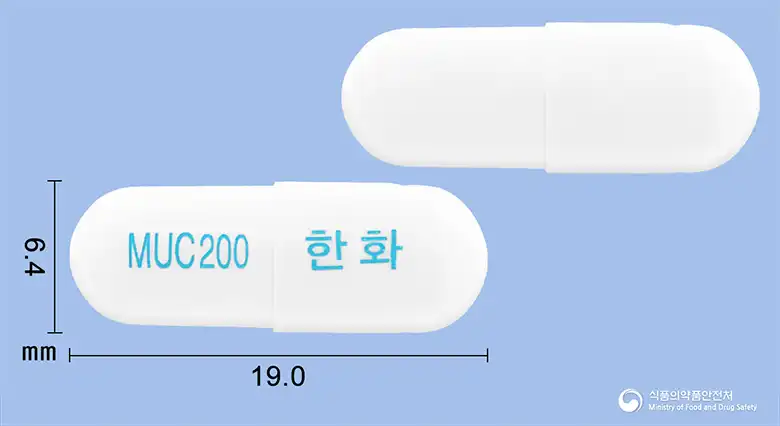
Acetylcysteine 200mg
Hard capsule · OTC medication
Hanwha Pharmaceutical Co., Ltd.
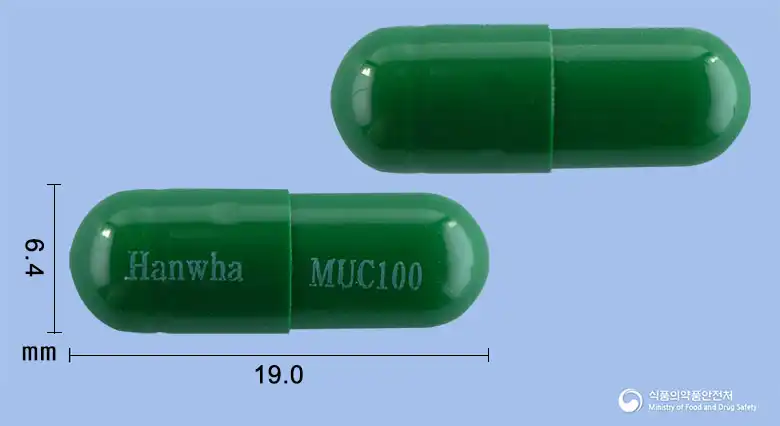
Acetylcysteine 100mg
Hard capsule · OTC medication
Hanwha Pharmaceutical Co., Ltd.
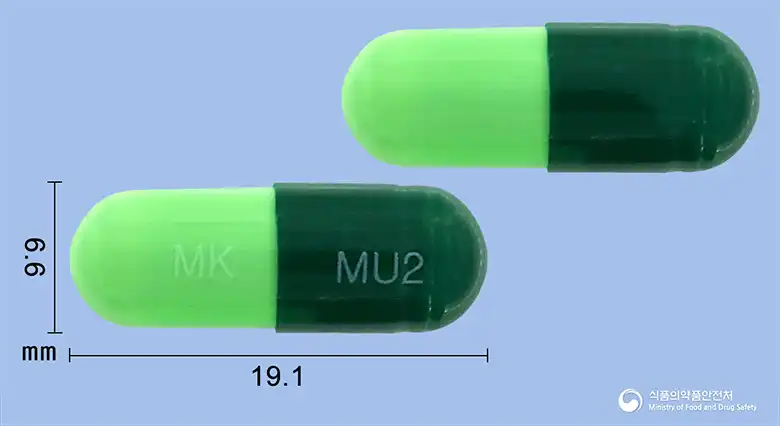
Acetylcysteine 200mg
Hard capsule · OTC medication
(Medica Korea Co., Ltd.)
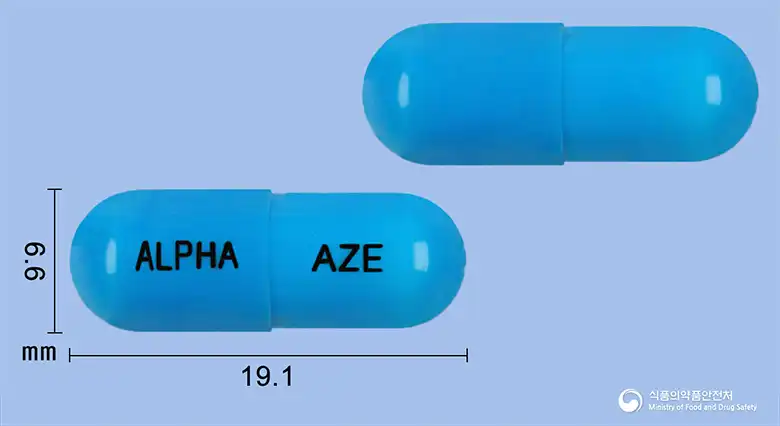
Acetylcysteine 200mg
Hard capsule · OTC medication
Alpha Pharmaceutical Co., Ltd.
Even with the same ingredient, the dose and directions can differ by strength and dosage form. Talk to a doctor or pharmacist before switching from a medication you are already taking.
No questions yet.
For anything that needs medical judgment, consult a doctor or pharmacist.
This drug information is based on data provided by the Korea Ministry of Food and Drug Safety.
Consult a doctor or pharmacist for accurate dosage, administration, and usage instructions.