Improvement of blood glucose control in type 2 diabetes
Who takes it
Adults
Adult dose
This medication is generally taken twice daily with meals, and the dosage should be gradually increased to minimize gastrointestinal adverse reactions due to metformin.
1. For patients not previously treated with metformin: The initial dosage is 50/500 mg, taken twice daily with one tablet per intake, and it can be increased to 50/1000 mg twice daily with one tablet per intake.
2. For patients currently on metformin: Recommended initial dosage...
Improvement of blood glucose control in type 2 diabetes
Difficulty in blood glucose control for patients with type 2 diabetes
View approved original textHide original text
This medication is used to help effectively control blood sugar levels in patients with type 2 diabetes. It can be administered when sufficient blood glucose control is not attainable through monotherapy or when blood glucose control is inadequate with either metformin or sitagliptin alone. It also serves to enhance treatment efficacy when combined with metformin and sulfonylureas, or thiazolidinediones, when blood glucose control has not improved. If blood sugar control is still insufficient after combination therapy with insulin and metformin, this medication can be used in conjunction with insulin. It shows better effects when used along with dietary and exercise therapy. It is utilized in various situations to enhance blood glucose control.
How to take
Adult dose
This medication is generally taken twice daily with meals, and the dosage should be gradually increased to minimize gastrointestinal adverse reactions due to metformin.
1. For patients not previously treated with metformin: The initial dosage is 50/500 mg, taken twice daily with one tablet per intake, and it can be increased to 50/1000 mg twice daily with one tablet per intake.
2. For patients currently on metformin: Recommended initial dosage...
Precautions
This drug contains both sitagliptin and metformin and is used for the treatment of type 2 diabetes.
During the use of this drug, severe allergic reactions may occur; therefore, if a rash, hives, shortness of breath, or swelling of the face or neck occurs, discontinue immediately and consult a doctor.
If symptoms of acute pancreatitis, such as abdominal pain, nausea, or vomiting, appear, discontinue use and seek medical attention.
This medication should not be given to patients with poor kidney function, severe infections, dehydration, acute heart failure, or acute myocardial infarction.
Temporary discontinuation of this medication is necessary before and after tests involving iodine-based contrast agents, and resuming should only occur after confirming normal kidney function.
Pregnant women or those who may become pregnant, as well as breastfeeding women, should not take this medication.
Caution is needed due to the risk of hypoglycemia, especially in cases of irregular meals, intense exercise, or concurrent use with other hypoglycemic agents.
Regular kidney function and blood tests should be conducted during treatment, especially for the elderly, who need to be more vigilant about changes in kidney function.
Excessive alcohol consumption should be avoided while taking this medication, as it may increase the risk of lactic acidosis.
If scheduled for surgery or in cases of severe infection or trauma, this medication should be temporarily discontinued and resumed after recovery.
In case of an overdose, seek medical attention immediately for appropriate treatment, as some components may be removed through dialysis.
Severe joint pain or skin blisters should be reported to a doctor immediately, and medication should be halted if such symptoms occur.
This medication may cause gastrointestinal disturbances (diarrhea, nausea, vomiting, abdominal pain) and headache, as well as upper respiratory infections; consultation with a doctor is essential if symptoms worsen.
If hypoglycemic symptoms arise, it is crucial to consume fast-acting carbohydrates or glucose immediately, and if symptoms persist, notify healthcare personnel.
Patients should monitor their blood glucose and symptoms regularly, and consult healthcare personnel promptly if there are any abnormal signs.
Side effects and when to seek care immediately
Serious side effects
Hives, angioedema, chest tightness, difficulty breathing, anaphylaxis, Stevens-Johnson syndrome, acute pancreatitis, severe lactic acidosis, acute renal failure, severe edema, joint pain accompanied by severe and disabling symptoms, blistering mucous membrane disorders, severe skin reactions, acute pancreatitis, severe allergic reactions, liver dysfunction (jaundice), acute renal failure, respiratory issues, serious neurological symptoms, severe edema, or urinary abnormalities
Mild side effects
Diarrhea
nausea
vomiting
abdominal pain
upper respiratory infection
nasopharyngitis
headache
hypoglycemia
myalgia
limb pain
Show 7 moreCollapse
back pain
pruritus
thrombocytopenia
decreased appetite
itching
dizziness
constipation
Not everyone experiences these, and they can vary from person to person.
Storage
This medication should be stored in a tightly sealed container that allows air circulation, at room temperature between 1 and 30 degrees Celsius. Proper storage helps maintain the medication's effectiveness for a longer duration.
Appearance and packaging
Appearance
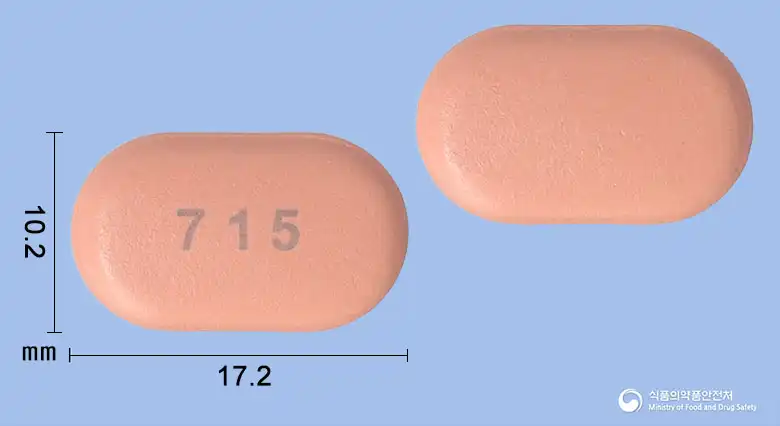
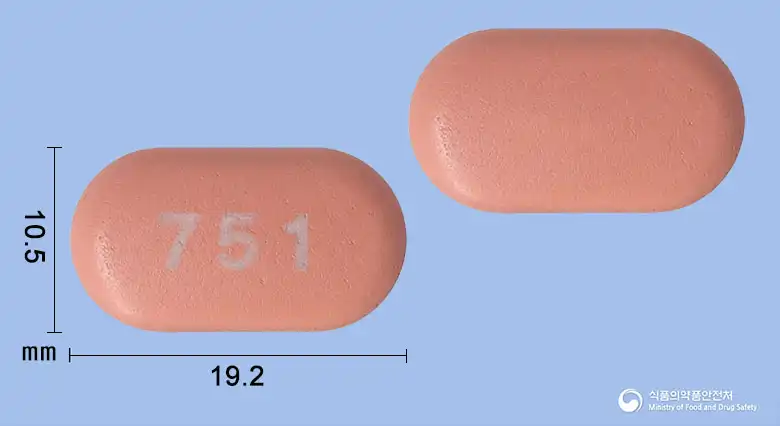
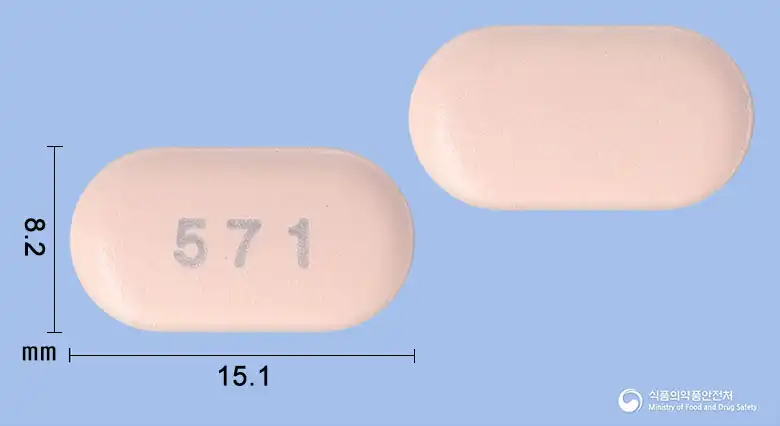
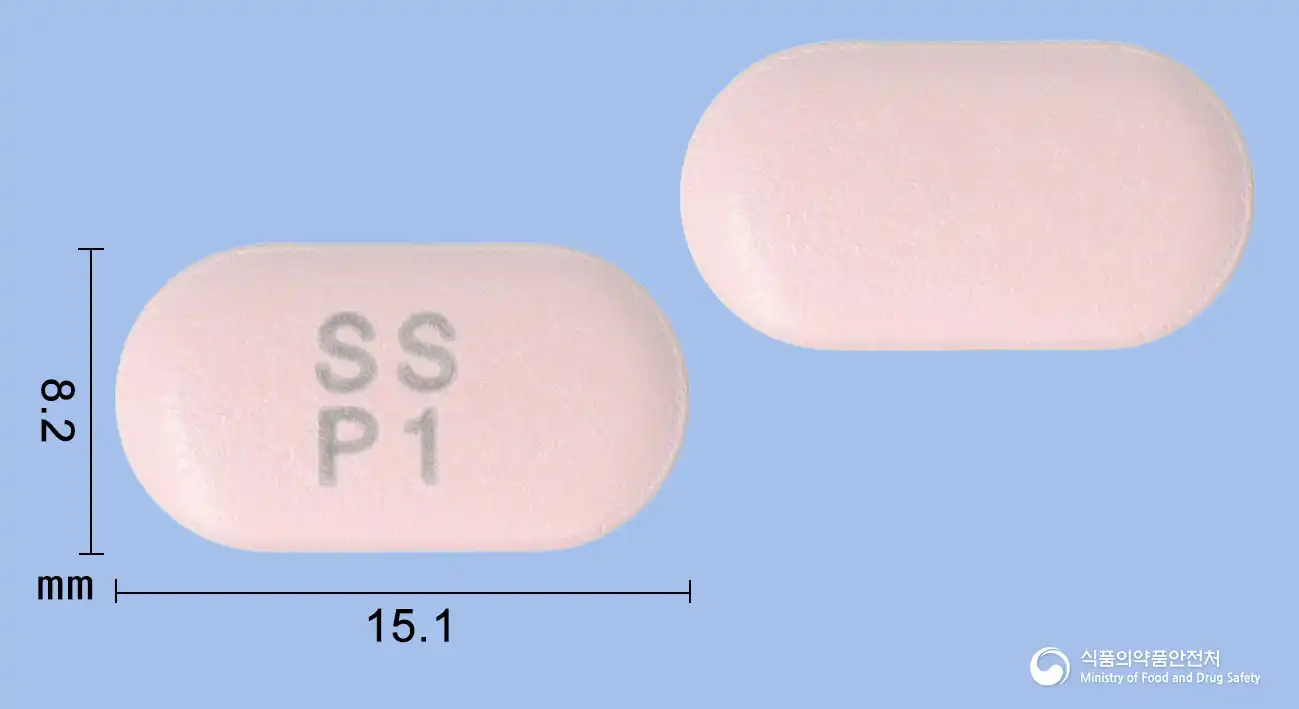
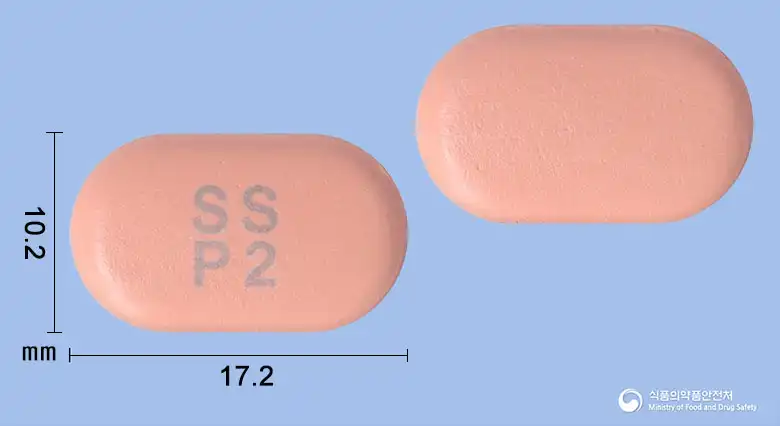
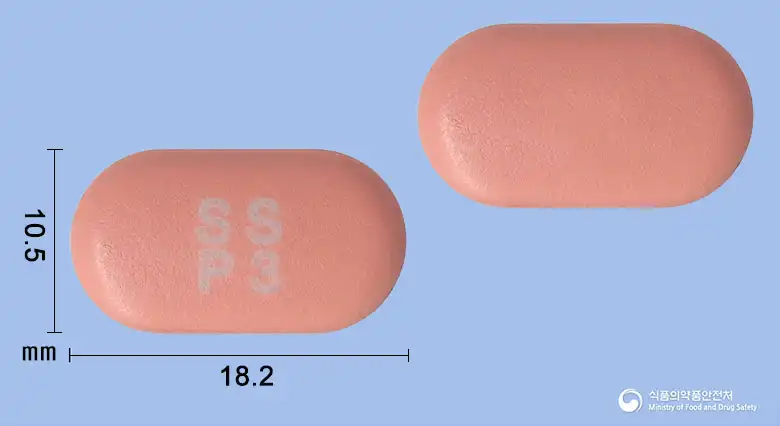
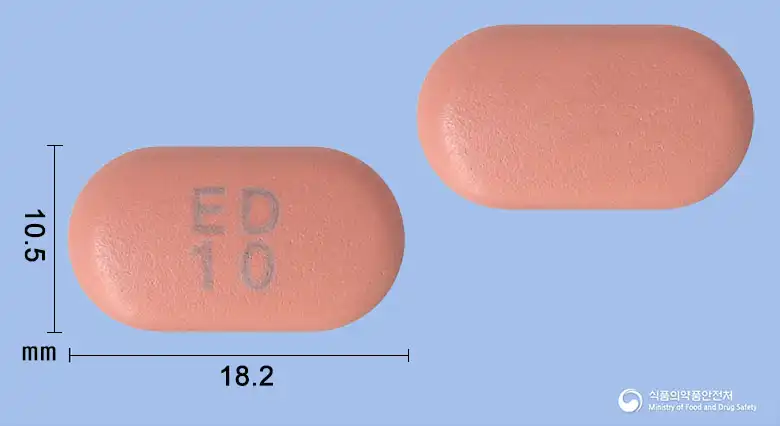
Pink, oval film-coated tablet
Package unit
30 tablets/box [(10 tablets/PTP x 3)]
Same-ingredient medicines
Even with the same ingredient, strength, dosage form and how it is taken can differ.
Even with the same ingredient, the dose and directions can differ by strength and dosage form. Talk to a doctor or pharmacist before switching from a medication you are already taking.
Questions about this medicine
No questions yet.
For anything that needs medical judgment, consult a doctor or pharmacist.
This drug information is based on data provided by the Korea Ministry of Food and Drug Safety. Consult a doctor or pharmacist for accurate dosage, administration, and usage instructions.

 한국어
한국어 English
 日本語
日本語 中文(简体)